

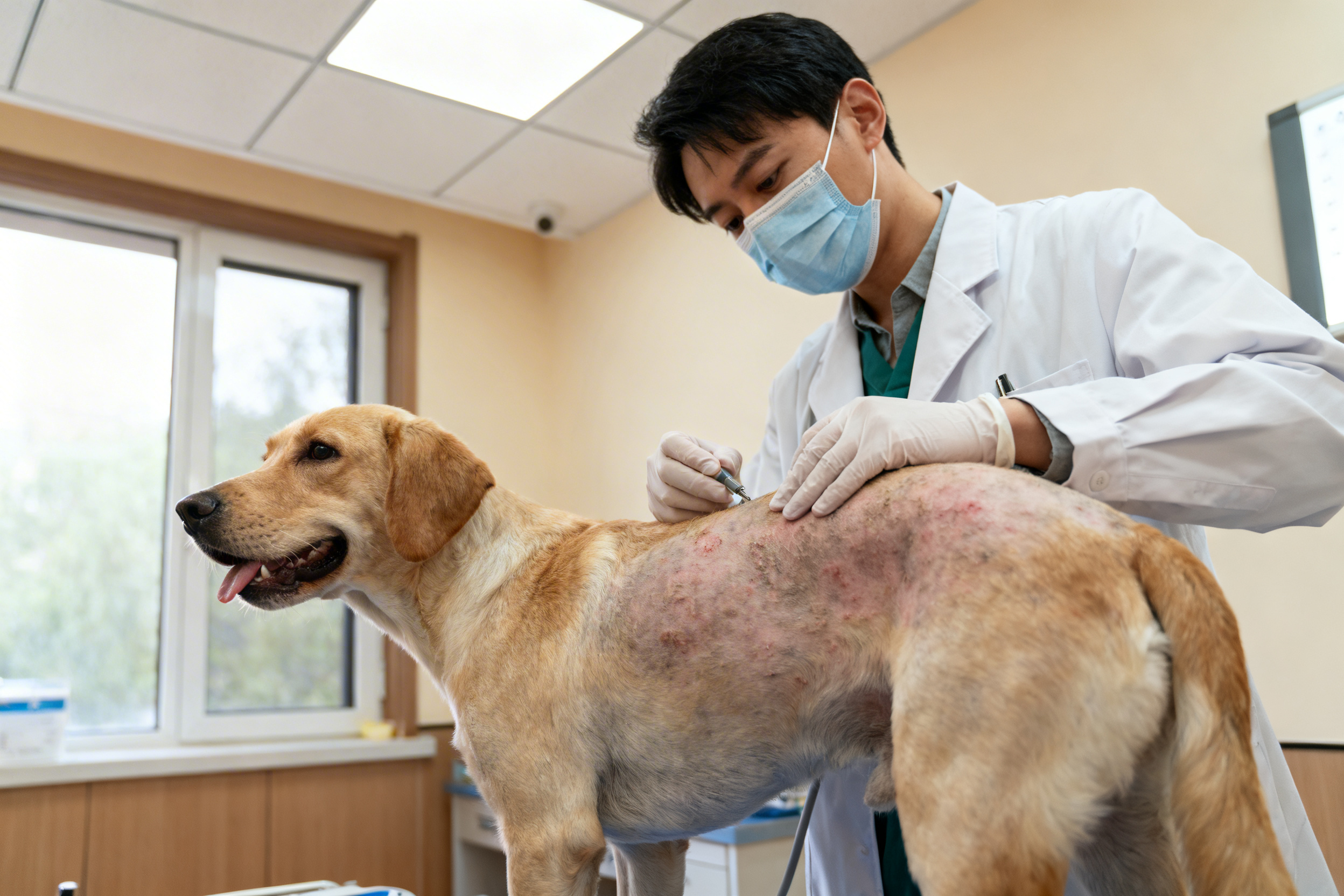
As a dog parent, watching your pup suffer from constant itching, ear infections, or digestive upset is heartbreaking. You’ve tried switching shampoos, bathing more frequently, and even changing walking routes—yet your furry friend continues scratching relentlessly. If you’re asking yourself what is a good dog food for dogs with allergies, you’re likely on the right track. Food allergies affect up to 10% of all dogs, and the culprit often hides in plain sight within their daily kibble.
In this comprehensive 2026 guide, we’ll explore the science behind canine food allergies, identify the best ingredients for sensitive pups, and help you navigate the overwhelming world of hypoallergenic and limited ingredient diets. Whether your dog suffers from chicken allergies, grain sensitivities, or protein intolerances, you’ll discover actionable steps to restore their comfort and vitality through proper nutrition.
Understanding Food Allergies vs. Food Intolerances in Dogs
Before diving into dietary solutions, it’s crucial to distinguish between true food allergies and food intolerances. A true food allergy involves your dog’s immune system mounting a defense against specific proteins, triggering symptoms like itchy skin, hives, or gastrointestinal distress. These reactions typically develop after prolonged exposure to an ingredient rather than appearing immediately.
Food intolerances, conversely, represent digestive difficulties without immune system involvement. Lactose intolerance serves as the classic example—your dog might experience bloating or diarrhea after consuming dairy, but their immune system remains uninvolved.
Common protein triggers include beef, dairy, chicken, wheat, lamb, soy, eggs, and corn. However, recent veterinary research indicates that novel proteins—meats your dog has never consumed—often provide the safest foundation for elimination diets. Understanding this distinction helps you communicate more effectively with your veterinarian when discussing dog food allergy symptoms and potential dietary interventions.

What Is a Good Dog Food for Dogs With Allergies? Key Ingredients to Look For
When selecting nutrition for an allergic dog, ingredient quality and simplicity matter more than brand recognition or price points. The best allergy-friendly dog foods share several common characteristics that support immune health while minimizing reaction risks.
Novel Protein Sources
Novel proteins—meats your dog hasn’t previously encountered—form the cornerstone of elimination diets. These might include kangaroo, venison, duck, rabbit, or fish varieties like salmon and whitefish. Because your dog’s immune system hasn’t developed antibodies against these proteins, the likelihood of an allergic reaction decreases significantly.
Look for foods listing these proteins as the first ingredient, ensuring they constitute the primary nutritional source rather than appearing as minor additives.
Limited Ingredient Diets (LID)
Limited ingredient diets contain fewer components than standard commercial foods, typically featuring one protein source and one carbohydrate source. This simplified approach makes identifying problematic ingredients easier while reducing the overall allergen load on your dog’s system.
When examining labels, count the distinct ingredients. Quality LID formulas should contain fewer than ten primary components, excluding vitamins and minerals.
Hydrolyzed Protein Diets
For dogs with severe or multiple protein allergies, hydrolyzed protein diets offer a scientific solution. These foods undergo processing that breaks protein molecules into fragments too small for the immune system to recognize as threats. While requiring veterinary prescription, hydrolyzed diets represent the gold standard for managing complex food allergies.

Ingredients to Avoid in Allergy-Prone Dogs
Just as important as knowing what to feed is understanding what to eliminate. Many commercial dog foods contain fillers, artificial additives, and common allergens that exacerbate sensitive conditions.
Common triggers to eliminate include:
- Beef and chicken by-products (often hidden in generic “meat meal”)
- Corn, wheat, and soy (frequent carbohydrate fillers)
- Artificial colors and flavors (unnecessary chemicals)
- BHA, BHT, and ethoxyquin (synthetic preservatives)
- Dairy products (common intolerance trigger)
Additionally, watch for “split ingredient” tactics where manufacturers list corn as separate components (corn gluten meal, ground corn, corn germ meal) to disguise high corn content. This practice can fool consumers into thinking meat dominates the formula when grains actually provide the bulk of calories.
Comparing Dietary Approaches for Canine Allergies
Selecting the right nutritional strategy depends on your dog’s specific symptoms, allergy severity, and your budget. Here’s how the primary approaches compare:
| Diet Type | Best For | Protein Source | Cost Range |
|---|---|---|---|
| Limited Ingredient Diet | Mild to moderate allergies | Single novel protein | $$ |
| Grain-Free Formula | Grain-specific sensitivities | Varies (often poultry/fish) | $$-$$$ |
| Hydrolyzed Protein | Severe/multiple allergies | Broken down peptides | $$$ |
| Homemade/Balanced Raw | Owners wanting full control | Owner-selected novel proteins | $$-$$$$ |
| Veterinary Therapeutic | Diagnostic elimination trials | Prescription novel or hydrolyzed | $$$ |
When exploring hypoallergenic dog food options, remember that expensive doesn’t always mean effective. Some mid-range limited ingredient diets provide identical nutritional benefits to premium prescription foods for dogs with straightforward single-protein allergies.
Enhancing Allergy Management with Targeted Supplements
While switching to an appropriate diet forms the foundation of allergy management, supporting your dog’s immune system and skin barrier function accelerates healing and reduces symptom severity. High-quality supplements address the root causes of allergic responses rather than merely masking symptoms.
ROROCA Allergy Chews provide comprehensive support for dogs struggling with food and environmental allergies. These veterinarian-formulated soft chews combine several evidence-backed ingredients that complement dietary changes:
- Probiotic Blend (6-strain): Supports gut health and immune regulation, crucial since 70% of the immune system resides in the digestive tract
- Salmon Oil: Delivers omega-3 fatty acids that reduce skin inflammation and promote a healthy, itch-resistant coat
- Licorice Root Extract: Offers natural cortisol-like effects to soothe irritated skin without the side effects of steroids
- Curcuma Longa Extract (Turmeric): Provides potent anti-inflammatory compounds that help manage allergic responses systemically
- Echinacea Extract: Supports immune balance, helping prevent overreactions to benign food proteins
When combined with a proper elimination diet, these ingredients help rebuild the skin barrier, reduce secondary infections from scratching, and normalize immune function. Always introduce supplements gradually alongside dietary transitions to monitor for any individual sensitivities.
The 8-Week Elimination Diet Protocol
Switching your dog’s food requires patience and precision. An elimination diet typically spans eight to twelve weeks, allowing all previous food proteins to clear your dog’s system completely.
Step 1: Veterinary Consultation
Before beginning, rule out non-food causes of symptoms such as flea allergies, mites, or environmental triggers. Your vet may recommend blood work to establish baseline health markers.
Step 2: The Transition Phase
Over seven to ten days, gradually mix increasing amounts of the new allergy-friendly food with decreasing portions of the old food. Sudden switches can cause digestive upset unrelated to allergies, confusing your results.
Step 3: Strict Adherence
During the trial period, eliminate all other food sources: treats, table scraps, flavored medications, dental chews, and even certain parasite preventatives. Use kibble from the new diet as training treats to maintain compliance.
Step 4: The Challenge Phase
If symptoms resolve, reintroduce individual ingredients one at a time weekly to identify specific triggers. This methodical approach pinpoints exactly what is a good dog food for dogs with allergies in your specific pet’s case.
Reading Labels Like a Veterinary Nutritionist
Marketing terms like “natural,” “holistic,” or “premium” carry no regulatory meaning. Instead, focus on the guaranteed analysis and ingredient list when evaluating balanced nutrition for allergic dogs.
Look for the AAFCO (Association of American Feed Control Officials) statement confirming the food provides complete and balanced nutrition for your dog’s life stage. For allergy management, seek phrases like “formulated to meet nutritional levels” rather than “animal feeding tests,” as the latter indicates the food was tested on animals potentially consuming varied diets.
Pay attention to protein percentages. Allergy-friendly foods should contain 20-30% protein from named sources (salmon, duck, pea protein) rather than generic “meat meal.” Fat content between 12-18% supports skin health without promoting obesity.
Frequently Asked Questions About Allergy-Friendly Dog Foods
What proteins are least likely to cause allergies in dogs?
Novel proteins like kangaroo, venison, rabbit, and duck typically cause fewer allergic reactions than common proteins like beef, chicken, and dairy. However, individual dogs may react to any protein, so elimination trials remain the only definitive diagnostic tool.
Is grain-free food better for dogs with allergies?
Not necessarily. While some dogs react specifically to wheat or corn, true grain allergies are less common than protein allergies. Grain-free foods often substitute potatoes or legumes, which can cause their own digestive issues. Focus on novel proteins first unless your dog has confirmed grain sensitivities.
How long does it take to see improvement after switching foods?
Most dogs show improvement in skin and coat quality within 4-6 weeks, though complete resolution of chronic symptoms may take 8-12 weeks. Ear infections and hot spots often heal faster once the allergic trigger disappears.
Can I make homemade food for my allergic dog?
Yes, but working with a veterinary nutritionist is essential. Homemade diets often lack calcium, essential fatty acids, and trace minerals. If preparing food at home, use a single novel protein and carbohydrate source (like venison and sweet potato) and add a veterinarian-approved supplement blend to prevent nutritional deficiencies.
Are expensive prescription diets worth the cost?
For dogs with severe, multiple, or unidentified allergies, prescription hydrolyzed or novel protein diets justify their higher price through guaranteed ingredient purity and manufacturing protocols that prevent cross-contamination. For mild allergies, quality over-the-counter limited ingredient diets often work equally well.
Should I give my dog supplements while on an elimination diet?
Choose supplements carefully during elimination trials. Select products specifically formulated for allergic dogs with minimal ingredients, like ROROCA Allergy Chews, which use hypoallergenic bases and avoid common triggers like beef gelatin or chicken flavoring.
Conclusion: Restoring Comfort Through Nutrition
Finding what is a good dog food for dogs with allergies requires patience, attention to detail, and often professional guidance. By focusing on novel proteins, limited ingredients, and rigorous elimination protocols, you can identify the specific nutritional formula that allows your dog to thrive without itching, scratching, or digestive distress.
Remember that dietary changes represent just one component of comprehensive allergy management. Supporting your dog’s skin barrier with omega fatty acids, maintaining gut health with probiotics, and consulting your veterinarian for persistent symptoms ensures the best possible outcome. Consider adding ROROCA Allergy Chews to your dog’s regimen to provide the immune support and anti-inflammatory benefits that quality food alone might not fully address.
Your allergic dog can live a comfortable, happy life—with the right food in their bowl and the right support in their corner.