

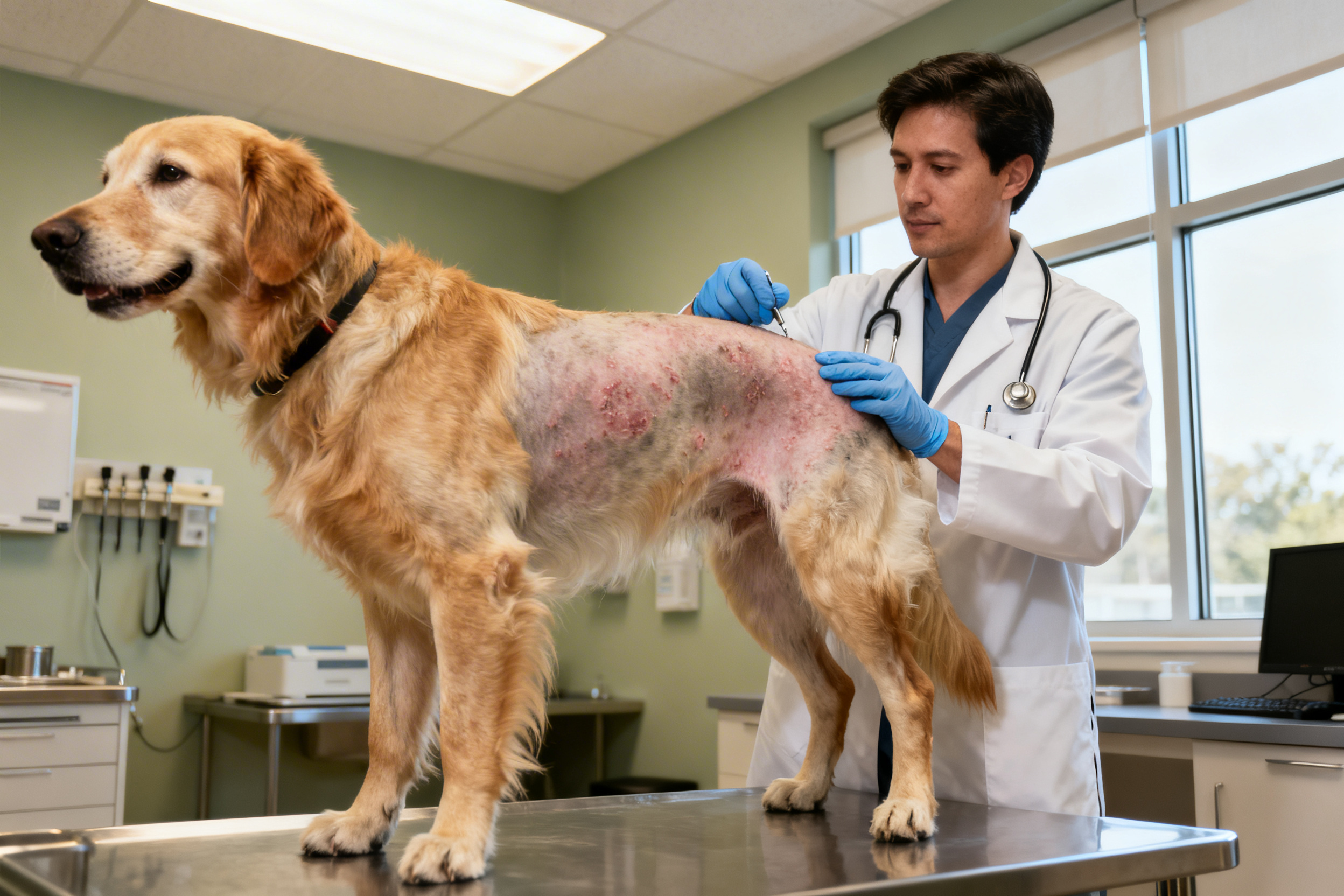
As a devoted dog parent, watching your furry companion scratch relentlessly, chew their paws, or suffer from red, irritated skin can feel utterly helpless. You want immediate relief for your best friend, but navigating the world of canine medications can be overwhelming and potentially dangerous if you don’t know what’s actually safe. Whether your dog suffers from seasonal pollen allergies, food sensitivities, or environmental triggers, understanding what allergy medicines are safe for dogs is crucial before reaching for any pill bottle.
In this comprehensive guide, we’ll explore veterinarian-approved antihistamines, prescription treatments, and natural alternatives that can help your pup find comfort. We’ll cover proper dosages, potential side effects, and when it’s time to skip the home remedies and head straight to your vet.
Understanding Canine Allergies Before Choosing Medicine
Before diving into specific medications, it’s essential to recognize what you’re actually treating. Dog allergies typically manifest as atopic dermatitis, food allergies, or flea allergy dermatitis. Unlike humans who sneeze and get watery eyes, dogs primarily experience skin irritation, leading to excessive scratching, licking, and secondary infections.
Common common dog allergy symptoms include persistent itching, red or inflamed skin, ear infections, hair loss, and gastrointestinal issues if food-related. Identifying the root cause helps determine whether over-the-counter antihistamines will suffice or if your dog needs prescription-strength intervention. Environmental allergens like pollen, dust mites, and mold spores often require different management strategies than flea allergies or food sensitivities.
Remember that allergies in dogs are chronic conditions requiring long-term management rather than one-time cures. The right medication depends on severity, your dog’s age, weight, existing health conditions, and whether they’re currently taking other medications that could interact dangerously with antihistamines.

Over-the-Counter Antihistamines: What Allergy Medicines Are Safe for Dogs
Many human antihistamines are safe for canine use when administered correctly, but dosage and formulation matter tremendously. Never give your dog combination medications that include decongestants like pseudoephedrine, as these can be toxic to pets.
Diphenhydramine (Benadryl)
Benadryl remains the most commonly recommended OTC antihistamine for dogs. It works by blocking histamine receptors, reducing itching, swelling, and inflammation. Generally safe for short-term use, the standard dosage is 1 mg per pound of body weight, given 2-3 times daily. However, some dogs experience drowsiness, dry mouth, or urinary retention. Avoid Benadryl if your dog has glaucoma, high blood pressure, cardiovascular disease, or is pregnant.
Cetirizine (Zyrtec)
Zyrtec offers a non-drowsy alternative that many veterinarians prefer for chronic allergies. The typical dosage ranges from 0.5 mg per pound once daily. Unlike first-generation antihistamines, cetirizine rarely causes sedation, making it ideal for working dogs or active pets. It’s particularly effective for atopic dermatitis and seasonal allergies, though it may take several days to reach full effectiveness.
Loratadine (Claritin)
Another second-generation antihistamine, Claritin provides 24-hour relief with minimal side effects. The recommended dosage is 0.2 mg per pound once daily. Always choose regular Claritin, not Claritin-D, which contains pseudoephedrine. While generally safe, some dogs may experience mild digestive upset.
Fexofenadine (Allegra)
For dogs who don’t respond to other antihistamines, Allegra offers another option at approximately 0.5-1 mg per pound twice daily. It’s less likely to cause drowsiness and works well for acute allergic reactions.

Prescription Allergy Medications for Dogs
When OTC options fail to provide adequate relief, veterinary dermatology treatments offer more potent solutions. These medications require veterinary supervision but can dramatically improve quality of life for severely allergic dogs.
Oclacitinib (Apoquel)
Apoquel revolutionized allergy treatment by specifically targeting the itch signal at its source rather than just blocking histamine. It begins working within 4 hours and controls itching within 24 hours. Safe for dogs over 12 months old, Apoquel is ideal for short-term flare-ups or long-term management. Potential side effects include vomiting, diarrhea, and increased susceptibility to infections due to immune system modulation.
Lokivetmab (Cytopoint)
Cytopoint represents a biological therapy administered via injection every 4-8 weeks. It works like your dog’s own immune system to neutralize the protein that sends itch signals to the brain. Because it’s metabolized differently than drugs, it’s safe for dogs with liver or kidney issues and can be used alongside other medications. Most dogs experience significant relief within 24-48 hours of injection.
Corticosteroids (Prednisone, Dexamethasone)
Steroids provide powerful, rapid relief for acute allergic reactions but come with significant long-term risks including increased thirst and urination, weight gain, diabetes, and immune suppression. Veterinarians typically reserve steroids for severe breakthrough itching or emergency situations, using the lowest effective dose for the shortest duration possible.
Cyclosporine (Atopica)
For dogs with chronic atopic dermatitis, Atopica modulates the immune response specifically targeting skin inflammation. It takes 4-6 weeks to reach full effectiveness but offers a steroid-sparing alternative for long-term management. Common side effects include gastrointestinal upset and gingival hyperplasia.
Natural Allergy Relief Options and Supplements
For pet parents seeking natural remedies for dog allergies or complementary therapies to reduce pharmaceutical dependence, several options show promise. These approaches often work best when combined with traditional medications or for mild allergy cases.
Omega-3 Fatty Acids: High-quality fish oil supplements reduce inflammation and support skin barrier function. Look for products containing EPA and DHA from wild-caught fish sources.
Probiotics: A healthy gut microbiome influences immune system regulation. Specific strains like Lactobacillus and Bifidobacterium may reduce allergic responses by strengthening the intestinal barrier and modulating immune cells.
Quercetin: Often called “nature’s Benadryl,” this flavonoid possesses natural antihistamine and anti-inflammatory properties. It works synergistically with bromelain for enhanced absorption.
For comprehensive natural support, ROROCA Allergy Chews combine scientifically-backed ingredients into one convenient supplement. These chews feature a Probiotic Blend (6-strain) to support immune balance, Salmon Oil rich in omega-3s for skin health, Licorice Root Extract for natural cortisol-like effects without steroid side effects, Curcuma Longa Extract (Turmeric) for powerful anti-inflammatory action, and Echinacea Extract to support overall immune function. This holistic approach addresses allergy symptoms from multiple angles while supporting your dog’s overall wellness.
Additional natural strategies include regular bathing with medicated shampoos to remove allergens from the coat, air purifiers to reduce indoor allergens, and hypoallergenic diets for food-sensitive dogs.
Safety Guidelines and Dosage Considerations
When determining what allergy medicines are safe for dogs, weight-based dosing is non-negotiable. A Chihuahua requires significantly different dosing than a Golden Retriever, and pediatric formulations differ from adult strengths. Always verify the concentration of liquid medications, as children’s formulations vary between 12.5 mg/5ml and 25 mg/5ml.
Never combine multiple antihistamines without veterinary guidance, and avoid “all-in-one” cold and allergy medications containing pain relievers or decongestants. Acetaminophen and ibuprofen are toxic to dogs, and pseudoephedrine can cause fatal heart arrhythmias and seizures.
If your dog is currently taking antidepressants (MAOIs), sedatives, or has seizure disorders, consult your vet before administering antihistamines due to potential drug interactions. Puppies under six months, pregnant or nursing dogs, and senior dogs with organ dysfunction require specialized dosing protocols.
When starting any new allergy medication, monitor your dog for adverse reactions including excessive sedation, agitation, vomiting, or difficulty breathing. Keep a medication diary tracking dosage times, symptoms, and effectiveness to help your veterinarian optimize the treatment plan.
When to Skip the Medicine Cabinet and Call Your Vet
While many allergy medicines are safe for home administration, certain situations demand immediate professional intervention. If your dog develops facial swelling, hives covering large body areas, difficulty breathing, or collapse, seek emergency veterinary care immediately—these indicate anaphylaxis requiring epinephrine and IV steroids.
Chronic allergies leading to skin infections, ear infections, or significant hair loss need veterinary diagnostics to rule out underlying conditions like mange, ringworm, or autoimmune disorders that mimic allergies but require different treatments.
If you’ve tried appropriate OTC antihistamines for two weeks without improvement, or if your dog requires steroids more than twice yearly, it’s time for allergy testing. Intradermal skin testing or serum IgE testing can identify specific allergens for immunotherapy (allergy shots), which remains the only treatment that potentially cures environmental allergies rather than just masking symptoms.
Frequently Asked Questions About Dog Allergy Medicines
Can I give my dog human allergy medicine?
Some human antihistamines like Benadryl, Zyrtec, and Claritin are safe for dogs in appropriate dosages, but never give combination products containing decongestants or pain relievers. Always consult your veterinarian for proper dosing based on your dog’s weight and health status.
How much Benadryl can I give my dog?
The standard dosage is 1 mg of diphenhydramine per pound of body weight, administered 2-3 times daily. For example, a 25-pound dog would receive 25 mg. Use plain diphenhydramine only, avoiding combination products.
Are allergy shots safe for dogs?
Allergen-specific immunotherapy (allergy shots) is very safe and represents the only potentially curative treatment for environmental allergies. Side effects are rare but may include localized swelling at the injection site or, rarely, anaphylaxis.
What are the side effects of Apoquel in dogs?
Common side effects include vomiting, diarrhea, decreased appetite, and increased susceptibility to infections. Long-term use requires periodic blood monitoring. Apoquel is not recommended for dogs under 12 months or those with serious infections.
Can puppies take allergy medicine?
Many antihistamines are safe for puppies over 12 weeks, but dosing requires veterinary guidance. Apoquel is only approved for dogs over 12 months. Puppies under six months should not receive most allergy medications without explicit veterinary approval.
How long does it take for dog allergy medicine to work?
Antihistamines like Benadryl work within 1-2 hours, while Apoquel begins reducing itch within 4 hours. Cytopoint injections provide relief within 24 hours. Natural supplements typically require 4-6 weeks of consistent use before showing significant improvement.
Finding the Right Allergy Solution for Your Dog
Navigating what allergy medicines are safe for dogs requires balancing effectiveness, safety, and your pet’s specific health needs. From over-the-counter antihistamines like Benadryl and Zyrtec to prescription breakthroughs like Apoquel and Cytopoint, relief options abound for suffering pups. Remember that medication addresses symptoms while environmental management and immune support provide long-term resilience.
For comprehensive allergy management, consider integrating ROROCA Allergy Chews into your dog’s daily routine. With their synergistic blend of probiotics, salmon oil, licorice root, turmeric, and echinacea, these chews support your dog’s natural defenses while traditional medications handle acute symptoms.
Always partner with your veterinarian to create a customized allergy treatment plan, and never hesitate to seek professional guidance when your dog’s comfort is at stake. With the right combination of safe medications and proactive care, your allergic dog can enjoy the itch-free, happy life they deserve.