

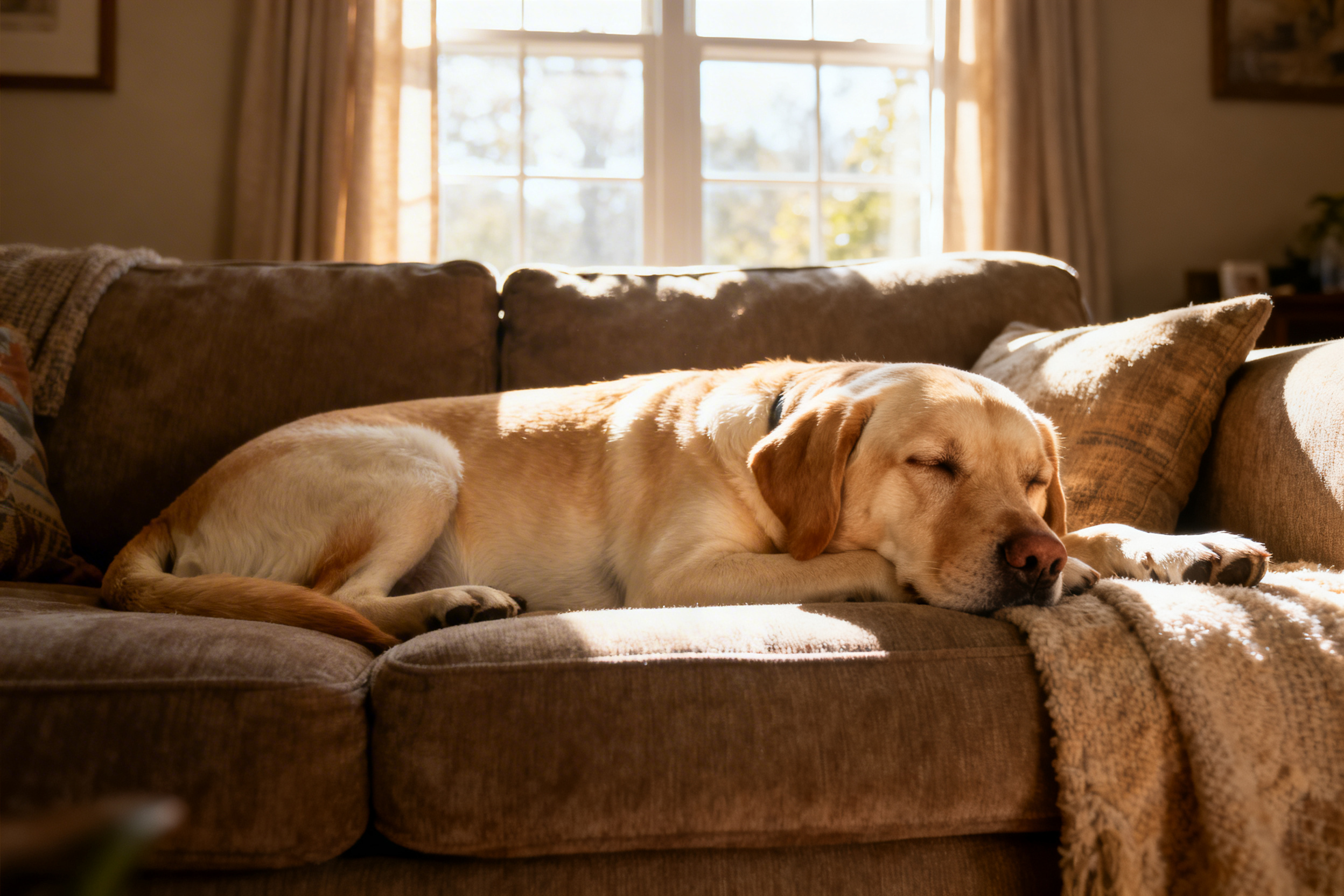
When Max started his relentless midnight scratching sessions, his owner Sarah didn’t just worry about his red, inflamed skin—she watched her once-peaceful Golden Retriever transform into a restless, anxious mess. The constant itching had turned her calm companion into a panting, pacing shadow of himself. If you’re wondering how to calm a dog suffering from allergy-induced anxiety, you’re addressing two interconnected issues that millions of pet parents face annually.
Allergies don’t just cause physical discomfort; they create a cycle of stress that leaves dogs unable to relax, sleep, or enjoy daily activities. The good news? By targeting both the allergic response and the resulting behavioral distress, you can restore peace to your household and comfort to your furry friend. This comprehensive guide explores evidence-based strategies to soothe your allergic dog while addressing the root causes of their discomfort.

Understanding the Allergy-Anxiety Connection
Before diving into calming techniques, it’s crucial to understand why allergies make dogs so restless. When environmental allergens like pollen, dust mites, or food proteins trigger an immune response, your dog experiences persistent itching, burning skin, and gastrointestinal distress. This physical discomfort activates their stress response system.
The Itch-Scratch Cycle
The itch-scratch cycle creates a feedback loop of agitation. When skin feels irritated, scratching provides temporary relief followed by increased inflammation. This cycle prevents deep sleep and keeps your dog in a state of hyperarousal. Dogs experiencing chronic itching often exhibit:
- Excessive licking of paws or flanks
- Restless pacing during normally quiet hours
- Difficulty settling down for naps
- Increased reactivity to normal household sounds
Secondary Skin Infections
Broken skin from scratching creates opportunities for bacterial and yeast infections, adding pain to existing discomfort. Dogs with secondary infections may become withdrawn, irritable, or unusually clingy as they seek reassurance while feeling unwell.

Immediate Calming Techniques for Allergic Dogs
While long-term allergy management takes time, these immediate interventions can provide relief during acute flare-ups.
Environmental Modifications
Create a “safe zone” using cooling mats or damp towels for your dog to lie on. The coolness soothes inflamed skin while the designated space provides psychological security. Keep this area away from heating vents and direct sunlight, as heat exacerbates itching.
White noise machines or calming music specifically designed for dogs can mask environmental triggers that might heighten anxiety. Many allergic dogs become hypersensitive to sounds when uncomfortable, so auditory buffering helps maintain calm.
Physical Comfort Measures
Gentle massage using hypoallergenic coconut oil can interrupt the itch-scratch cycle while releasing oxytocin. Focus on non-affected areas like the shoulders and base of the tail to avoid irritating sensitive skin. The physical contact reassures your dog while the massage reduces cortisol levels.
Consider protective garments like lightweight cotton t-shirts or surgical recovery suits. These prevent self-trauma from scratching while providing gentle pressure that many dogs find soothing—similar to the concept of anxiety wraps.
Mental Distraction Techniques
Engage your dog’s brain with puzzle feeders or frozen Kong toys stuffed with allergy-friendly ingredients. Mental stimulation redirects focus away from physical discomfort. Choose activities that don’t require excessive physical movement, as exercise can increase body heat and itching.
Addressing Root Causes: How to Calm a Dog by Treating Allergies
True calm comes from eliminating the source of distress. Managing your dog’s allergic response reduces the physical triggers driving their anxiety.
Nutritional Support for Skin Health
Dietary interventions form the foundation of allergy management. Omega-3 fatty acids from fish oil reduce systemic inflammation and improve skin barrier function. Novel protein diets eliminate common food allergens like chicken or beef that may contribute to atopic dermatitis.
For comprehensive immune support, many veterinarians recommend incorporating ROROCA Allergy Chews into your dog’s daily routine. These veterinary-formulated supplements contain a Probiotic Blend (6-strain) that supports gut health—where 70% of the immune system resides—along with Salmon Oil for essential fatty acids. The addition of Licorice Root Extract provides natural cortisone-like effects to soothe irritated tissues without the side effects of steroids, while Curcuma Longa Extract (Turmeric) and Echinacea Extract work synergistically to modulate immune response and reduce histamine reactions.
Topical Interventions
Medicated shampoos containing oatmeal, aloe vera, or hydrocortisone provide immediate topical relief. Bathe allergic dogs every 3-7 days during flare-ups using lukewarm water—hot water increases blood flow to the skin and worsens itching. Follow baths with gentle pat-drying and immediate application of veterinarian-recommended moisturizers.
Environmental Allergen Control
Minimize exposure to environmental triggers by using HEPA air purifiers, washing bedding weekly in hot water, and wiping your dog’s paws and coat after outdoor exposure. These measures reduce the allergen load on your dog’s immune system, decreasing the inflammatory response that leads to restlessness.
Long-Term Behavioral Strategies
Once immediate symptoms are managed, focus on rebuilding your dog’s ability to relax and self-soothe.
Desensitization to Handling
Allergic dogs often become hand-shy due to painful skin or frequent medication applications. Counter-condition your dog to touch by pairing gentle handling with high-value treats. This prevents additional anxiety during necessary grooming or medication administration.
Sleep Hygiene Restoration
Chronic itching disrupts sleep architecture, leading to sleep deprivation that mimics anxiety symptoms. Establish consistent bedtime routines in cool, dark environments. Elevated beds with breathable mesh allow air circulation beneath your dog, keeping skin cooler than traditional cushioned beds.
Adaptil and Pheromone Therapy
Synthetic calming pheromones mimic the comforting signals mother dogs send to puppies. Diffusers, collars, and sprays containing these pheromones can reduce baseline anxiety levels in allergic dogs, making them more resilient to itching episodes.
When to Seek Veterinary Intervention
While home management helps many dogs, some require pharmaceutical support to break the allergy-anxiety cycle. Consult your veterinarian if your dog exhibits:
- Self-mutilation or bleeding from scratching
- Complete inability to settle for more than a few minutes
- Loss of appetite due to constant agitation
- Depression or withdrawal from family interaction
Veterinarians may prescribe antihistamines, corticosteroids, or immunotherapy to control severe allergic reactions. For anxiety specifically, medications like trazodone or gabapentin might be recommended short-term while allergy treatments take effect. Never combine calming supplements with prescription medications without veterinary approval.
Understanding common dog allergy symptoms helps you recognize when anxiety stems from allergic flare-ups versus primary behavioral issues. This distinction ensures your dog receives appropriate treatment rather than unnecessary behavioral medications.
Natural Remedies for Holistic Calm
Complementary therapies support conventional treatments without sedating your dog.
Herbal Support
Chamomile and valerian root offer gentle anxiolytic effects suitable for mild allergy-related stress. These can be administered as teas added to food or as veterinary-approved supplements. Always verify herbal safety with your vet, as some herbs interact with allergy medications.
Acupressure Points
Traditional Chinese medicine identifies specific points that reduce anxiety and improve skin health. The Yin Tang point (between the eyes) and Bai Hui point (at the base of the tail) can be gently pressed for 30-60 seconds to promote relaxation. Many dogs learn to request this pressure during stressful moments.
Exploring natural remedies for dog allergies provides additional tools for managing your pet’s condition without relying solely on pharmaceuticals.
Frequently Asked Questions
Can allergies cause anxiety in dogs?
Yes, chronic itching and discomfort from allergies trigger the release of stress hormones. Dogs experiencing persistent skin irritation often develop secondary anxiety behaviors including restlessness, panting, and inability to settle. Treating the underlying allergies typically resolves these behavioral changes.
How long does it take for an allergic dog to calm down after treatment?
Most dogs show reduced restlessness within 24-48 hours of effective antihistamine or corticosteroid treatment, though complete calm may take 1-2 weeks as skin heals. Natural supplements like those containing omega-3s and probiotics require 4-6 weeks for full effect but provide longer-lasting relief without side effects.
Should I use sedatives to calm my allergic dog?
Sedatives address symptoms but not causes. While short-term sedation might be necessary during severe flare-ups, focus on treating the allergic reaction itself. Sedatives can mask worsening conditions and may interfere with your dog’s natural warning signals that something requires veterinary attention.
Can changing my dog’s diet help with allergy-related anxiety?
Absolutely. Elimination diets remove inflammatory triggers that cause both physical itching and systemic inflammation affecting mood. Diets rich in tryptophan (found in turkey and eggs) support serotonin production, naturally calming anxious dogs while novel proteins reduce allergic responses.
Why does my dog pace at night when his allergies flare up?
Normal cortisol patterns drop at night, allowing inflammatory mediators to increase, which intensifies itching. Additionally, reduced distractions at night make dogs more aware of physical discomfort. Cooler evening temperatures can also trigger histamine release in some dogs, creating a perfect storm of nighttime restlessness.
Are there specific calming products safe for dogs with sensitive skin?
Choose unscented, hypoallergenic options free from essential oils, which can trigger contact dermatitis. Look for pheromone-based products rather than herbal sprays. Oral supplements like ROROCA Allergy Chews avoid skin contact entirely while addressing both the allergic response and stress through their anti-inflammatory ingredients.
Conclusion
Learning how to calm a dog with allergies requires a two-pronged approach: immediate comfort measures for acute distress and long-term immune system support. By combining environmental modifications, behavioral techniques, and targeted nutritional interventions like ROROCA Allergy Chews, you can break the cycle of itching and anxiety that robs your dog of peace.
Remember that persistent restlessness often indicates uncontrolled allergic disease requiring veterinary evaluation. With patience and comprehensive care, your allergic dog can return to the calm, happy companion you know and love.
Ready to help your dog find relief? Explore our guides on anxiety solutions for dogs and speak with your veterinarian about creating a personalized allergy management plan.