

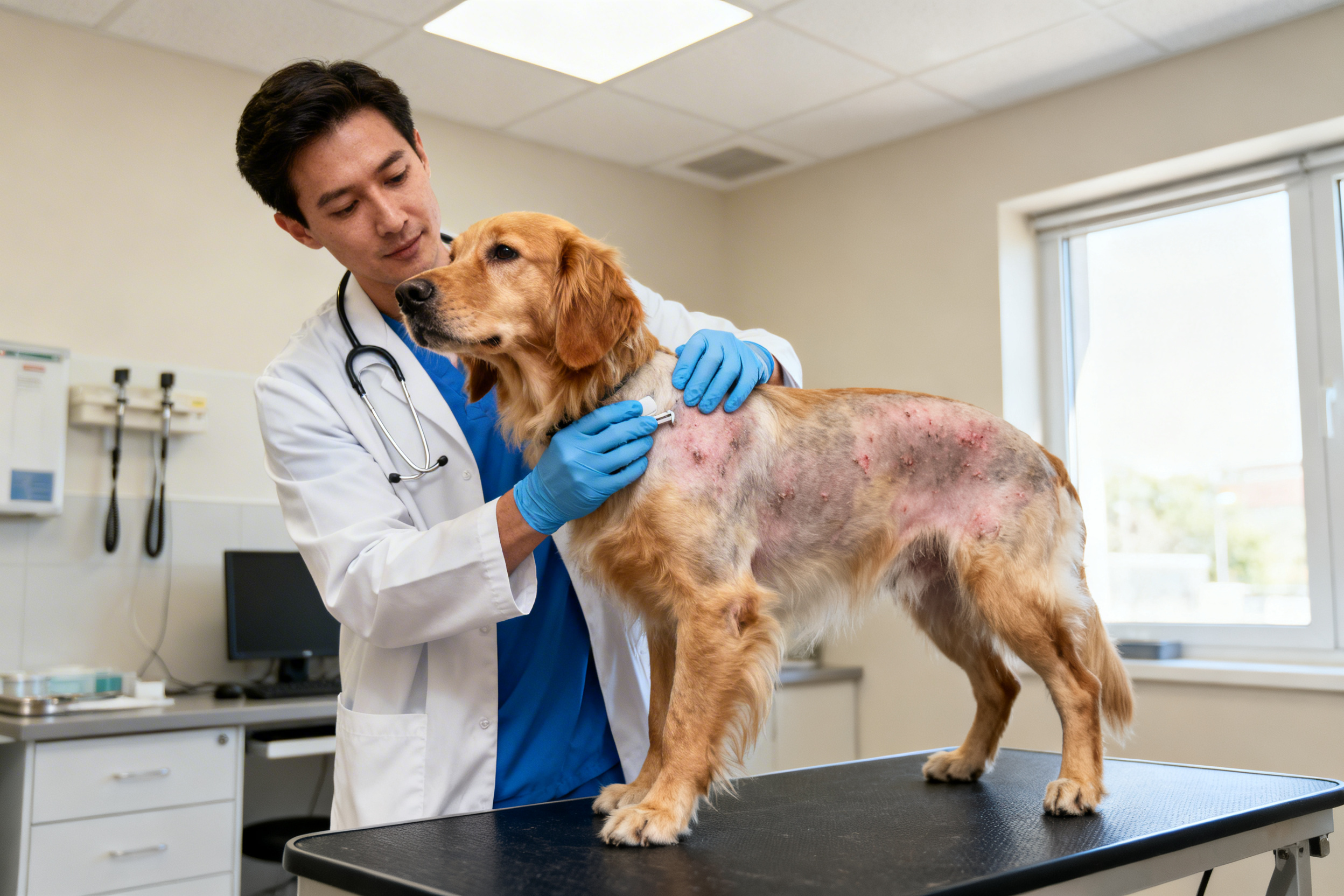
When Max started scratching his ears raw at 2 AM, Sarah knew her golden retriever was battling something more than just dry skin. Like countless pet parents searching for what to give dog for allergies, she felt overwhelmed by conflicting advice online. The constant paw licking, red patches, and ear infections had turned her playful pup into an uncomfortable, restless companion.
Determining signs your dog has allergies is only the first step. Whether your dog suffers from seasonal pollen, food sensitivities, or flea dermatitis, finding safe, effective relief requires understanding both natural remedies and veterinary interventions. This comprehensive guide explores evidence-based solutions—from dietary adjustments to targeted supplements—that can help your furry friend find lasting comfort in 2026.
Understanding the Root Causes Before Treatment
Before diving into what to give dog for allergies, identifying the trigger prevents wasted effort and unnecessary suffering. Canine allergies typically fall into three categories: environmental (atopic dermatitis), food-related, and flea allergy dermatitis. Each requires a slightly different approach, though many treatment strategies overlap.
Environmental allergens like pollen, dust mites, and mold spores affect approximately 10-15% of dogs, often causing seasonal flare-ups. Food allergies, while less common than many owners assume, typically involve proteins like beef, chicken, dairy, or wheat. Flea allergies can cause intense reactions from a single bite.
Your veterinarian can perform intradermal skin testing or serum IgE testing to identify specific environmental triggers. For food allergies, an elimination diet trial lasting 8-12 weeks remains the gold standard for diagnosis.

What to Give Dog for Allergies: Nutritional Foundation
Diet represents the cornerstone of allergy management. The right nutrients can modulate your dog’s immune response, reduce inflammation, and strengthen the skin barrier against allergens.
Omega-3 Fatty Acids: Nature’s Anti-Inflammatory
High-quality fish oil supplements containing EPA and DHA help reduce the production of inflammatory cytokines in allergic dogs. Studies from veterinary dermatology journals indicate that omega-3 supplementation can decrease itching intensity and reduce the need for corticosteroids in some patients.
Look for marine-based sources like salmon oil, sardine oil, or krill oil rather than plant-based alternatives, as dogs convert marine omega-3s more efficiently. The therapeutic dosage typically ranges from 20-55 mg combined EPA/DHA per pound of body weight daily, though your vet may adjust based on severity.
Novel Protein Diets and Hydrolyzed Formulas
For dogs with food sensitivities, switching to hypoallergenic diet options eliminates common triggers. Novel protein diets use uncommon protein sources like kangaroo, venison, or duck—proteins your dog hasn’t encountered before. Hydrolyzed protein diets break proteins into molecules too small to trigger immune responses.
When transitioning foods, implement a gradual 7-10 day transition to prevent gastrointestinal upset. Keep treats consistent with the new diet, as even small amounts of allergenic proteins can trigger reactions.

The Microbiome Connection: Probiotics for Allergy Relief
Emerging research highlights the gut-skin axis in canine health. Dogs with allergies often show dysbiosis—an imbalance of beneficial versus harmful gut bacteria. Restoring this balance through targeted probiotic supplementation can reduce systemic inflammation and improve immune regulation.
Effective strains for allergic dogs include Lactobacillus acidophilus, Lactobacillus rhamnosus, Bifidobacterium animalis, and Enterococcus faecium. Multi-strain formulations typically outperform single-strain products, as different bacteria colonize various gut regions.
When evaluating natural allergy relief methods, consider supplements combining probiotics with prebiotics (food for beneficial bacteria) to maximize colonization and effectiveness.
Targeted Supplements: What to Give Dog for Allergies Daily
Beyond basic nutrition, specific supplements address allergic pathways directly. These natural compounds support histamine regulation, immune modulation, and skin health without the side effects associated with long-term pharmaceutical use.
Quercetin: The Natural Antihistamine
Often called “nature’s Benadryl,” quercetin is a bioflavonoid that stabilizes mast cells and prevents histamine release. Found naturally in apples, broccoli, and green tea, concentrated supplements provide therapeutic doses for dogs. It works synergistically with bromelain, an enzyme from pineapples that enhances absorption and provides additional anti-inflammatory benefits.
Herbal Support for Immune Balance
Several botanicals show promise for canine allergies:
- Curcuma Longa Extract (Turmeric): Curcumin compounds reduce NF-kB pathway activation, decreasing inflammatory responses. It requires black pepper extract (piperine) for proper absorption.
- Licorice Root Extract: Glycyrrhizin provides cortisol-like anti-inflammatory effects without suppressing the immune system long-term. Best used in cycles rather than continuously.
- Echinacea Extract: Modulates immune function, potentially reducing overactive responses while maintaining healthy defense mechanisms.
Comprehensive Allergy Support Formulations
For convenience, many pet parents choose all-in-one supplements like ROROCA Allergy Chews, which combine multiple evidence-based ingredients. These soft chews typically include a 6-strain probiotic blend for gut health, salmon oil for omega-3 fatty acids, plus herbal extracts like licorice root, turmeric, and echinacea. This synergistic approach addresses allergies from multiple angles—gut health, inflammation reduction, and immune modulation—without requiring owners to administer multiple pills.
When selecting commercial supplements, verify third-party testing for potency and purity. Avoid products containing artificial colors, wheat, corn, or soy, which may exacerbate sensitivities in allergic dogs.
Topical Solutions and Environmental Management
While internal support forms the foundation, external care provides immediate relief and prevents secondary infections from scratching.
Medicated Baths and Conditioners
Weekly baths with hypoallergenic or medicated shampoos remove allergens from the coat and soothe irritated skin. Products containing oatmeal, aloe vera, or ceramides help restore the skin barrier. For acute flare-ups, shampoos with chlorhexidine or ketoconazole address bacterial or yeast overgrowth that commonly accompanies allergic dermatitis.
Paw Care Protocols
Since dogs absorb allergens through their paws, wiping them with damp cloths or using paw balms after outdoor exposure reduces pollen transfer. Some owners create “foot baths” using diluted apple cider vinegar or specialized cleansing foams to neutralize irritants.
Home Environment Modifications
HEPA air purifiers remove airborne allergens, while washing bedding weekly in hot water eliminates dust mites. Hypoallergenic covers for dog beds provide barriers against dust mite penetration. During high pollen seasons, limiting outdoor time during peak hours (early morning and late afternoon) reduces exposure.
Conventional Veterinary Treatments: When Natural Isn’t Enough
While natural remedies help many dogs, moderate to severe allergies sometimes require pharmaceutical intervention. Understanding these options helps you make informed decisions alongside your veterinarian.
Apoquel (oclacitinib) provides rapid itch relief by targeting JAK1 enzymes involved in the itch cascade. It works within 4-24 hours but requires ongoing administration.
Cytopoint, an injectable monoclonal antibody, neutralizes IL-31, the primary cytokine responsible for sending itch signals to the brain. Effects last 4-8 weeks, making it convenient for busy owners.
Corticosteroids like prednisone offer powerful anti-inflammatory effects but carry risks with long-term use, including immune suppression, increased thirst, and organ stress. Reserve these for acute crises while implementing longer-term management strategies.
Immunotherapy (allergy shots or oral drops) remains the only treatment that potentially desensitizes dogs to specific allergens permanently. This gradual process requires 6-12 months before significant improvement but offers lasting relief for environmental allergies.
Frequently Asked Questions
How long does it take for allergy supplements to work in dogs?
Natural supplements typically require 4-6 weeks of consistent use before visible improvement. Omega-3 fatty acids may show skin and coat benefits within 3-4 weeks, while probiotics need time to colonize the gut and modulate immune responses. Herbal anti-inflammatories like turmeric may provide faster relief, often within 1-2 weeks, though full benefits accumulate over time.
Can I give my dog human allergy medication like Benadryl?
While veterinarians sometimes recommend diphenhydramine (Benadryl) for acute allergic reactions, dosages differ significantly from human recommendations. The standard canine dose is 1 mg per pound of body weight, given 2-3 times daily. Never use combination products containing decongestants or pain relievers, and consult your vet before administering, as certain conditions like glaucoma or heart disease make antihistamines dangerous.
What ingredients should I look for in dog allergy supplements?
Prioritize products containing omega-3 fatty acids (salmon or fish oil), multi-strain probiotics (6 or more strains), and anti-inflammatory botanicals like turmeric and licorice root. Avoid fillers, artificial preservatives, and common allergens like corn or soy. Third-party testing seals from NASC (National Animal Supplement Council) indicate quality manufacturing standards.
Is grain-free food better for dogs with allergies?
Contrary to popular belief, grains are rarely the primary allergen in dogs—proteins like beef, chicken, and dairy cause more food allergies than wheat or corn. Grain-free diets sometimes substitute with legumes like peas or lentils, which have been linked to heart issues in some studies. Focus on novel protein sources rather than eliminating grains unless your dog shows specific sensitivity.
How can I tell if my dog has food allergies versus environmental allergies?
Food allergies typically cause year-round symptoms including ear infections, gastrointestinal upset, and non-seasonal itching. Environmental allergies often show seasonal patterns (spring/fall) and may include sneezing or watery eyes. The only definitive way to diagnose food allergies is through an 8-12 week elimination diet trial using hydrolyzed or novel protein foods.
Are probiotics effective for dogs with skin allergies?
Yes, research from institutions like the University of California, Davis indicates that specific probiotic strains can reduce atopic dermatitis severity scores in dogs. By improving gut barrier function and reducing systemic inflammation, probiotics complement topical and pharmaceutical treatments. Look for products containing at least 1-5 billion CFU per serving with multiple strains.
Creating a Long-Term Management Plan
Successfully managing canine allergies requires patience and consistency. Start by documenting your dog’s symptoms, noting triggers, seasonal patterns, and response to treatments. Work with a board-certified veterinary dermatologist for complex cases involving multiple allergens.
Combine approaches for best results: dietary management with high-quality supplements like ROROCA Allergy Chews (providing probiotics, salmon oil, and herbal support), environmental controls, and targeted veterinary care when needed. Monitor for secondary skin infections, which require antibiotic treatment regardless of allergy management strategy.
Remember that allergies are chronic conditions requiring lifelong management rather than one-time cures. With the right combination of what to give dog for allergies—from omega-rich foods to immune-modulating supplements—your dog can enjoy comfortable, itch-free days and restful nights.