

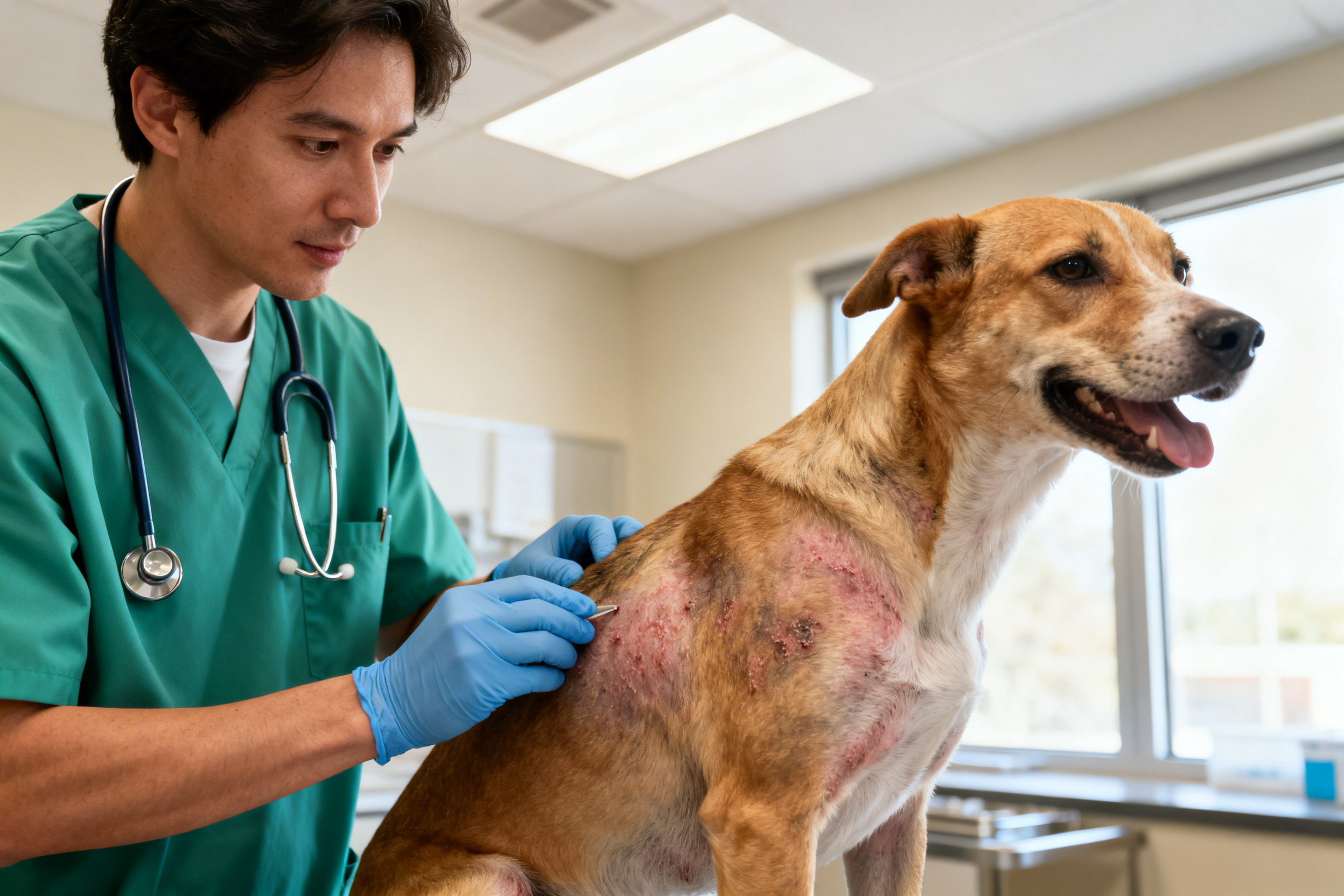
When Max started pawing at his ears at 2 AM for the third night in a row, his owner Sarah assumed it was just dry skin. Three vet visits and one allergy test later, she discovered her Golden Retriever was reacting to both pollen and chicken protein. If you’re wondering how to tell if your dog has allergies, you’re not alone—canine allergic reactions are among the top reasons pet parents seek veterinary care each year.
Unlike humans who sneeze and get watery eyes, dogs manifest allergies primarily through their skin and ears. Learning to recognize the early warning signs can prevent months of discomfort and expensive secondary infections. This guide walks you through the subtle clues, distinct symptom patterns, and diagnostic steps to identify whether your pup is suffering from environmental triggers, food sensitivities, or flea allergies.
The Short Answer: How to Tell If Your Dog Has Allergies
Allergic dogs typically display chronic itching that doesn’t resolve with basic bathing or flea treatment. Look for excessive scratching, licking, or chewing—especially at the paws, ears, belly, and groin area. Unlike temporary irritation from a bug bite, allergy symptoms persist for weeks or recur seasonally.
Key differentiators include:
- Chronic ear infections that clear up then return immediately
- Red, inflamed skin between toes or in armpits
- Hot spots (acute moist dermatitis) that appear suddenly
- Gastrointestinal issues accompanying skin problems (for food allergies)
- Seasonal patterns that worsen in spring or fall
If these symptoms sound familiar, your dog likely has an allergic condition requiring management. The specific type—environmental, food, or flea allergy—determines your treatment approach.

5 Critical Warning Signs You Can’t Ignore
Understanding common dog allergy symptoms helps you distinguish between normal dog behavior and distress signals requiring intervention.
1. Persistent Paw Chewing and Licking
While occasional paw cleaning is normal, allergic dogs obsessively chew at their feet, often staining the fur reddish-brown from saliva enzymes. This behavior typically peaks after outdoor exposure or during high-pollen seasons. The interdigital spaces (between toes) may appear red, swollen, or moist.
2. Recurrent Ear Infections and Head Shaking
Food and environmental allergies cause inflammation in the ear canals, creating warm, moist environments where yeast and bacteria thrive. If your dog shakes their head frequently, scratches at their ears, or produces dark, crumbly discharge, allergies are likely the underlying culprit—not just the infection itself.
3. Red Belly and Groin Rash
Allergic dermatitis often appears first on sparsely-haired areas. Check for bright pink or red skin on the abdomen, inner thighs, and groin. The skin may feel warm to touch or develop small pustules from secondary bacterial infection.
4. “Hot Spots” and Hair Loss
Acute moist dermatitis appears as sudden, oozing, painful lesions where your dog has chewed or scratched intensely. These hot spots expand rapidly and often indicate intense allergic itching. You may also notice symmetrical hair loss on the back, tail, or flanks from chronic scratching.
5. Changes in Skin Texture and Smell
Chronic allergies change skin quality. The coat may feel greasy or, conversely, extremely dry and flaky. Allergic skin often develops a distinct yeasty or corn-chip odor, particularly around the feet and ears, indicating secondary Malassezia overgrowth.

Decoding the Three Main Types of Canine Allergies
Not all allergies present identically. Understanding the type helps you answer how to tell if your dog has allergies specifically affecting their system.
Environmental Allergies (Atopic Dermatitis)
The most common canine allergy, atopy involves hypersensitivity to pollen, mold, dust mites, and dander. Symptoms typically appear between ages 1-3 and worsen seasonally. Dogs with atopy often rub their faces on carpet, scratch their sides, and develop “allergic rhinitis”—reverse sneezing or clear nasal discharge.
Food Allergies and Intolerances
Unlike atopy, food allergy testing for dogs becomes necessary when symptoms persist year-round regardless of season. True food allergies involve immune responses to proteins (typically beef, dairy, chicken, wheat, or lamb), causing both skin inflammation and gastrointestinal upset. Watch for vomiting, soft stools, or increased bowel movements alongside itching.
Flea Allergy Dermatitis (FAD)
Even a single flea bite triggers intense reactions in sensitive dogs. FAD typically causes intense itching over the lower back, tail base, and hind legs—the “pants” region. You may see small red bumps (papules) or crusty lesions despite seeing few actual fleas.
When Allergies Lead to Secondary Health Issues
Untreated allergies don’t just cause discomfort—they cascade into serious health problems. Recognizing these complications helps you gauge severity.
Skin Infections (Pyoderma)
Constant scratching breaches the skin barrier, allowing Staphylococcus bacteria to colonize. Bacterial infections appear as pimples, crusting, or circular areas of hair loss with scaling edges. These require antibiotic treatment alongside allergy management.
Yeast Overgrowth
Malassezia pachydermatis yeast naturally lives on dog skin but proliferates when allergic inflammation creates favorable conditions. Affected skin turns dark brown or black (hyperpigmentation) and develops a greasy texture with distinctive musty odor.
Ear Canal Changes
Chronic allergic otitis causes ear canal thickening and stenosis (narrowing), potentially leading to hearing loss or the need for surgical intervention. Early identification of dog skin allergy treatments prevents this progression.
The Diagnostic Journey: Confirming Your Suspicions
While observation provides clues, definitive diagnosis requires veterinary partnership. Understanding the process helps set realistic expectations.
The Elimination Diet Trial
For suspected food allergies, veterinarians recommend an 8-12 week elimination diet using novel proteins or hydrolyzed diets. This remains the gold standard for diagnosing adverse food reactions, as blood tests for food allergies show high false-positive rates in dogs.
Intradermal Skin Testing
Veterinary dermatologists inject small amounts of common allergens into shaved skin, measuring wheal (hive) responses. This identifies specific environmental triggers for immunotherapy (allergy shots). Testing requires sedation and specialist referral but provides actionable results for atopic dogs.
Serum Allergy Testing
Blood tests measuring IgE antibodies offer convenient screening for environmental allergies. While less accurate than intradermal testing for some allergens, they help identify candidates for immunotherapy when skin testing isn’t feasible.
Ruling Out Mimic Conditions
Vets must exclude mange (demodectic and sarcoptic), fungal infections, hormone disorders (hypothyroidism, Cushing’s), and skin cancer before confirming allergies. Skin scrapings, fungal cultures, and blood panels rule out these imposters.
Immediate Relief and Long-Term Management
Once you confirm how to tell if your dog has allergies, treatment focuses on breaking the itch-scratch cycle while addressing root causes.
Pharmaceutical Interventions
Cytopoint (canine anti-IL-31 antibody) and Apoquel (oclacitinib) provide rapid itch relief without steroids’ side effects. Antihistamines help approximately 30% of dogs, particularly when combined with omega fatty acids. Severe cases may require short courses of corticosteroids or cyclosporine.
Topical Therapies
Medicated shampoos containing chlorhexidine, ketoconazole, or oatmeal soothe inflamed skin while treating secondary infections. Leave-on conditioners create barriers against allergens. Paw soaks remove pollen accumulation after outdoor exposure.
Nutritional Support with ROROCA Allergy Chews
Daily supplementation supports the skin barrier and immune modulation. ROROCA Allergy Chews combine a 6-strain Probiotic Blend to support gut-skin axis health with Salmon Oil providing EPA and DHA fatty acids for anti-inflammatory effects. The formula includes Licorice Root Extract for natural cortisol-like soothing, Curcuma Longa Extract (Turmeric) for inflammation management, and Echinacea Extract to balance immune responses. These chews work alongside veterinary treatments to reduce scratching frequency and support healthy skin regeneration.
Environmental Modifications
HEPA air filters reduce indoor pollen and dust mites. Weekly hot water washing of bedding kills dust mites. Wiping paws and coats with damp cloths after outdoor exposure removes allergen particles before they penetrate the skin.
Frequently Asked Questions
What’s the difference between seasonal allergies and food allergies in dogs?
Seasonal (environmental) allergies flare during specific months when pollen, mold, or grass counts rise, often improving in winter. Food allergies cause year-round symptoms regardless of season and typically include gastrointestinal signs like loose stools or vomiting alongside skin issues.
Can puppies have allergies or do they develop later in life?
While puppies rarely show true allergies before six months, sensitivities can develop anytime between six months and three years. Flea allergies may appear after initial exposure. If your puppy shows persistent itching, consider parasitic causes first, then investigate food sensitivities.
Why is my dog only itchy at night?
Nocturnal itching often indicates bedroom-specific allergens like dust mites in bedding or down pillows. Alternatively, when daytime distractions (walks, play) cease, dogs notice itching more. Contact allergies to laundry detergents on blankets also peak during sleep hours.
Do dog allergies cause behavior changes?
Yes. Chronic itching creates irritability, sleep deprivation, and anxiety. Allergic dogs may become snappy when touched near sensitive areas or develop compulsive licking behaviors extending beyond physical relief into psychological habits.
Can I test my dog for allergies at home?
Home testing kits for food intolerances lack scientific validation for dogs. While you can conduct structured elimination diet trials at home for food suspects, environmental allergies require veterinary intradermal or serum testing for accurate identification.
How do I know if it’s allergies or fleas?
Flea allergies concentrate on the lower back and tail base, while environmental allergies often affect the face, ears, and belly. Finding flea dirt (black specks turning red on wet paper) confirms fleas. However, allergic dogs react severely to minimal flea exposure—you may never see the actual insect.
Conclusion
Learning how to tell if your dog has allergies requires observing patterns: persistent itching, recurrent ear infections, and specific body area involvement signal immune system overreactions. While frustrating, canine allergies are manageable once identified. Work with your veterinarian to determine whether environmental, food, or flea triggers drive symptoms, then implement a multi-modal approach combining medication, environmental control, and nutritional support.
Remember that allergies require lifelong management rather than cure. Starting supportive measures like ROROCA Allergy Chews early—with their targeted blend of probiotics, salmon oil, and botanical extracts—helps maintain skin barrier integrity and reduce dependency on harsh medications. If your dog shows the warning signs outlined above, schedule a veterinary consultation this week. Early intervention prevents the spiral of secondary infections and keeps your companion comfortable through every season.
📖 Related Reading
- Dog Allergy Symptoms: Complete Guide
- Dog Skin Allergy Treatment Options
- Dog Food Allergies: Symptoms & Solutions
📖 Related Reading
- Dog Allergy Symptoms: Complete Guide
- Dog Skin Allergy Treatment Options
- Dog Food Allergies: Symptoms & Solutions