

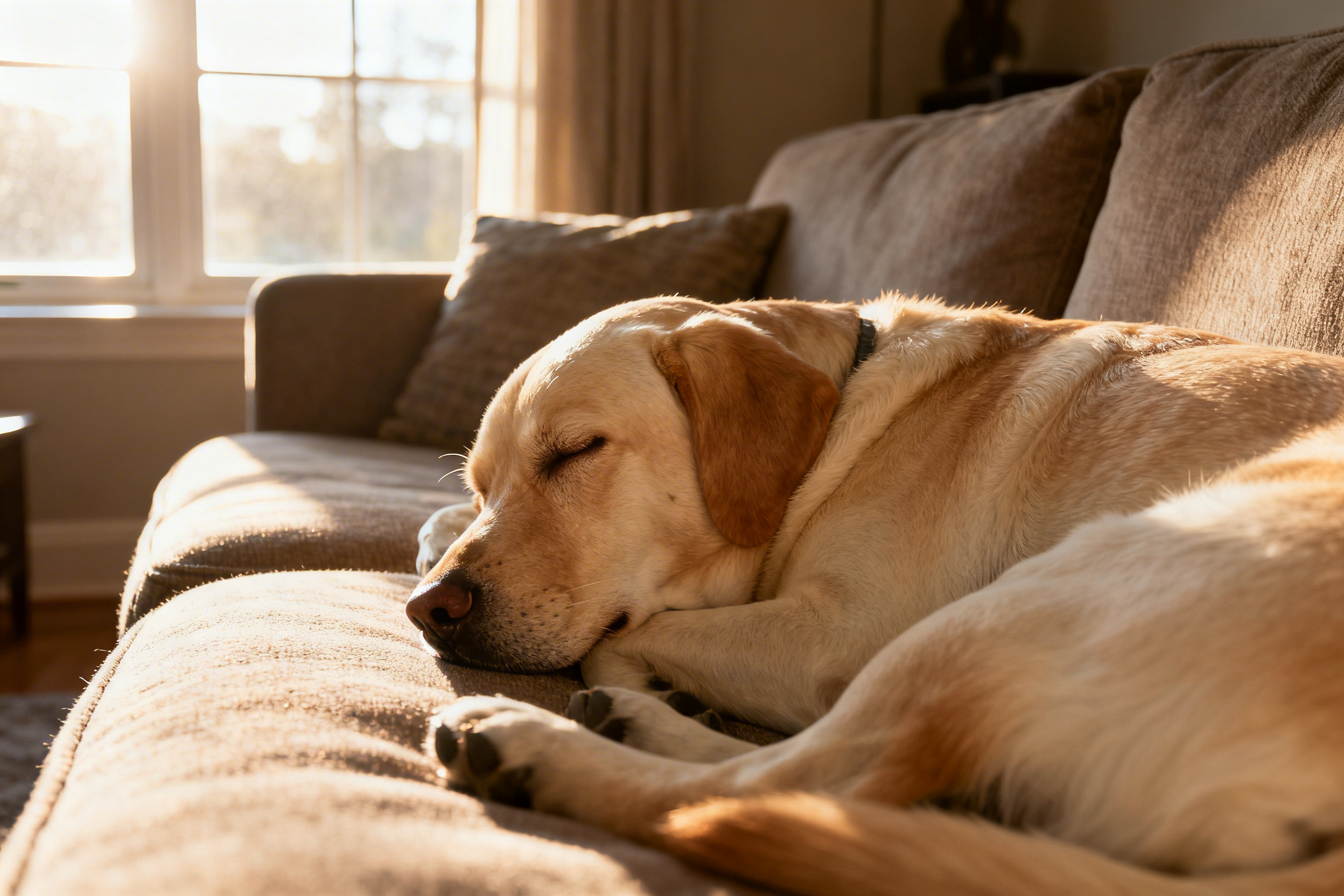
When Maya started pacing the living room at 3 AM, her owner Sarah initially assumed it was thunder anxiety. But the relentless scratching behind her ears and the way she rubbed her face against the carpet told a different story. Like thousands of dog owners searching for how to calm a dog down during allergy season, Sarah discovered that her pup’s anxiety wasn’t behavioral—it was physical discomfort manifesting as restlessness.

Understanding signs your dog has allergies is crucial because allergic reactions often trigger secondary anxiety behaviors. Whether your dog suffers from environmental allergies, food sensitivities, or contact dermatitis, the constant itching, inflammation, and discomfort can turn even the calmest companion into a anxious, sleep-deprived mess. This comprehensive guide explores proven techniques to soothe your allergic dog while addressing the root causes of their distress.

Why Allergies Make Dogs Anxious: The Itch-Stress Connection
Before diving into calming techniques, it’s essential to understand why allergic dogs struggle with relaxation. When a dog experiences soothing canine skin inflammation caused by histamine release, their nervous system enters a state of high alert. The constant sensation of itching triggers a stress response, elevating cortisol levels and making it impossible for your pet to settle.
This creates a vicious cycle: scratching leads to skin damage, which causes more discomfort, which increases anxiety, which then exacerbates inflammatory responses. Breaking this cycle requires a two-pronged approach—immediate calming interventions and long-term allergy management.
Recognizing Allergy-Driven Anxiety Behaviors
Not all restless behavior stems from psychological anxiety. Dogs experiencing allergic discomfort may exhibit specific physical tells that differentiate their condition from general nervousness:
- Excessive licking of paws or legs, often accompanied by whining
- Rubbing face against furniture or carpet while unable to sit still
- Sudden bursts of energy followed by collapse from exhaustion
- Tail chasing or spinning behaviors specifically targeting itchy areas
- Refusal to lie down for extended periods due to skin sensitivity
Immediate Techniques: How to Calm a Dog Down During Flare-Ups
When your dog enters a state of allergic agitation, rapid intervention prevents the escalation of both physical and emotional distress. These veterinarian-approved methods provide immediate relief while you address underlying triggers.
Environmental Modification for Anxious Allergic Dogs
Creating a low-stimulation sanctuary proves essential during peak allergy seasons. Start by lowering ambient temperatures—cooler environments naturally reduce skin inflammation and itching sensations. Position your dog’s bed away from windows where pollen counts peak, and consider investing in a HEPA air purifier to remove airborne irritants that trigger both respiratory and skin reactions.
Weighted anxiety wraps or snug-fitting shirts provide gentle, constant pressure that activates the parasympathetic nervous system. For allergic dogs specifically, choose breathable, natural fabrics like organic cotton that won’t trap heat against irritated skin. The compression mimics the sensation of being held, releasing oxytocin while simultaneously preventing access to itchy areas they might be targeting.
Physical Calming Interventions
Cool therapy offers dual benefits for allergic, anxious dogs. Prepare damp, cool (not ice-cold) washcloths and apply them to your dog’s paws, groin, or belly—areas with less fur where blood vessels run close to the surface. This immediately lowers body temperature, reduces inflammation, and provides a sensory distraction from itching urges.
Gentle massage techniques also prove effective when executed properly. Using flat palms rather than fingertips, apply long, slow strokes along your dog’s spine and sides, avoiding any areas showing signs of hot spots or raw skin. The rhythmic pressure stimulates the release of endorphins while improving circulation to help clear inflammatory markers from the bloodstream.
Addressing Root Causes: Long-Term Allergy Management
While immediate calming techniques provide temporary relief, sustainable peace requires managing the allergic responses driving your dog’s anxiety. Modern veterinary science emphasizes gut health and immune modulation as foundational elements of allergy treatment.
Nutritional Support for Nervous Systems
The gut-brain axis plays a significant role in canine anxiety, particularly when inflammation from food sensitivities or environmental allergies disrupts the microbiome. Supporting your dog’s digestive health with targeted supplementation often results in marked behavioral improvements alongside physical symptom reduction.
ROROCA Allergy Chews represent a comprehensive approach to this challenge, combining a proprietary 6-strain Probiotic Blend with Salmon Oil to support skin barrier function and reduce systemic inflammation. The inclusion of Licorice Root Extract provides natural cortisol regulation—crucial for dogs caught in the stress-itch cycle—while Curcuma Longa Extract (Turmeric) offers potent anti-inflammatory compounds that address discomfort at the cellular level. Echinacea Extract rounds out the formula by modulating immune responses, preventing the overreactions that trigger histamine release and subsequent anxiety.
Unlike sedatives that merely mask symptoms, these ingredients work synergistically to reduce the physical triggers causing your dog’s restlessness. Many owners report noticeable calming effects within two weeks as skin irritation subsides and histamine levels stabilize.
Desensitization Protocols
For dogs with environmental allergies, gradual exposure therapy combined with positive reinforcement helps rewire anxious responses to outdoor stimuli. Begin with five-minute excursions during low-pollen periods (typically early morning or after rain), rewarding calm behavior with high-value treats. Gradually extend duration as your dog’s tolerance builds, always monitoring for physical signs of allergic reaction that might trigger subsequent anxiety.
Behavioral Training for Chronic Comfort
Teaching specific coping behaviors empowers your allergic dog to self-regulate when discomfort strikes. These skills prove particularly valuable during seasonal transitions when pollen counts spike unexpectedly.
The “Settle” Command Technique
Unlike a standard “stay” command, teaching “settle” involves training your dog to enter a relaxed physiological state on cue. Start by capturing moments when your dog naturally lies down calmly, pairing the word “settle” with the behavior and rewarding with slow, soothing praise rather than excited enthusiasm.
Gradually introduce mild distractions—a toy moving nearby or a door closing—rewarding your dog for maintaining relaxed posture. For allergic dogs, practice this command during low-symptom periods so they have the skill available when itching becomes intense. Over time, the command itself triggers a parasympathetic response, physically lowering heart rate and stress hormones.
Scratch Interruption Training
Since scratching both damages skin and increases anxiety, teaching alternative behaviors provides an outlet for the urge without the inflammatory consequences. When you notice your dog beginning to scratch, interrupt gently with their name, then immediately cue an incompatible behavior like “touch” (nose targeting your hand) or “place” (going to a designated mat).
Reward successful redirections with frozen treats or lick mats, as the repetitive licking action naturally releases calming endorphins while keeping paws occupied. This technique requires consistency but dramatically reduces the anxiety-scratching spiral within three to four weeks of dedicated practice.
When Allergies and Anxiety Require Professional Intervention
While home management strategies prove effective for mild to moderate cases, certain scenarios demand veterinary consultation. If your dog’s restlessness persists despite environmental modifications and nutritional support, underlying conditions may be contributing to their distress.
Seek immediate veterinary care if your dog exhibits:
- Self-mutilation resulting in open wounds or bleeding
- Complete refusal to eat or drink due to agitation
- Pacing combined with respiratory distress or vomiting
- Sudden onset anxiety in senior dogs (potential cognitive dysfunction)
- Signs of secondary infections including odor, pus, or extreme redness
Your veterinarian may recommend cytopoint injections, apoquel, or immunotherapy for severe allergic cases, combined with natural remedies for dog anxiety to minimize pharmaceutical dependence. Blood work can also rule out thyroid dysfunction or Cushing’s disease, both of which mimic allergy-related anxiety while requiring entirely different treatment protocols.
Frequently Asked Questions
Can seasonal allergies cause panic attacks in dogs?
Yes, severe allergic reactions can trigger acute stress responses resembling panic attacks. When histamine floods your dog’s system, they may experience rapid breathing, drooling, and desperate attempts to escape their own skin. These episodes require immediate calming intervention and often indicate that baseline allergy management needs adjustment.
How long does it take for allergy supplements to calm my dog?
Most dogs show initial improvements in restlessness within 10-14 days of consistent supplementation, though full skin healing may take 6-8 weeks. Ingredients like those in ROROCA Allergy Chews work cumulatively—probiotics need time to colonize the gut, while anti-inflammatory compounds like turmeric require steady buildup in the bloodstream to achieve therapeutic levels.
Is Benadryl safe for calming allergic dogs?
While diphenhydramine provides temporary relief for acute allergic reactions, it sedates rather than truly calms, and dosage must be calculated precisely by weight. Long-term use isn’t recommended without veterinary supervision, as it doesn’t address underlying inflammation and may lose effectiveness over time. Natural alternatives targeting immune balance typically provide safer, sustainable results.
Why does my dog calm down after a bath but get hyperactive hours later?
Cool water temporarily soothes inflamed skin and removes surface allergens, providing immediate relief. However, as skin dries and histamine production continues, itching returns—often more intense due to temporary moisture stripping of natural oils. Following baths with veterinarian-approved moisturizing sprays and keeping water lukewarm (not hot) extends the calming effects.
Can food allergies cause nighttime anxiety specifically?
Absolutely. Digestive discomfort from food intolerances often peaks 4-6 hours after eating, frequently coinciding with bedtime. If your dog becomes restless, gassy, or scratchy specifically at night, consider whether dinner ingredients might be triggering inflammation. Switching to hypoallergenic proteins and removing common triggers like chicken or beef often resolves nocturnal anxiety within days.
How do I know if my dog needs calming aids or allergy treatment?
Observe whether anxiety persists in low-pollen environments or during specific seasons. If your dog remains restless in winter or shows physical signs like ear infections, paw chewing, or skin redness alongside anxiety, you’re likely dealing with allergy-driven distress requiring immune support rather than purely behavioral calming aids.
Conclusion
Learning how to calm a dog down effectively requires looking beyond surface behaviors to identify the physical discomforts driving their distress. For the significant percentage of dogs whose anxiety stems from allergic reactions, sustainable peace comes not from sedatives but from addressing immune dysfunction and inflammation at its source.
By combining immediate environmental calming techniques with long-term nutritional support like ROROCA Allergy Chews, you provide your companion with both instant relief and lasting resilience against seasonal triggers. Remember that every dog’s allergy profile differs—what works for one may need adjustment for another. Patience, consistency, and partnership with your veterinarian will guide you toward the balanced, content companion you know lies beneath the temporary storm of allergic anxiety.
Start with one calming technique today, introduce immune-supporting supplements, and watch as your restless pup rediscovers the joy of peaceful, comfortable rest.
📖 Related Reading
- Dog Allergy Symptoms: Complete Guide
- Dog Skin Allergy Treatment Options
- Dog Food Allergies: Symptoms & Solutions
📖 Related Reading
- Dog Allergy Symptoms: Complete Guide
- Dog Skin Allergy Treatment Options
- Dog Food Allergies: Symptoms & Solutions