

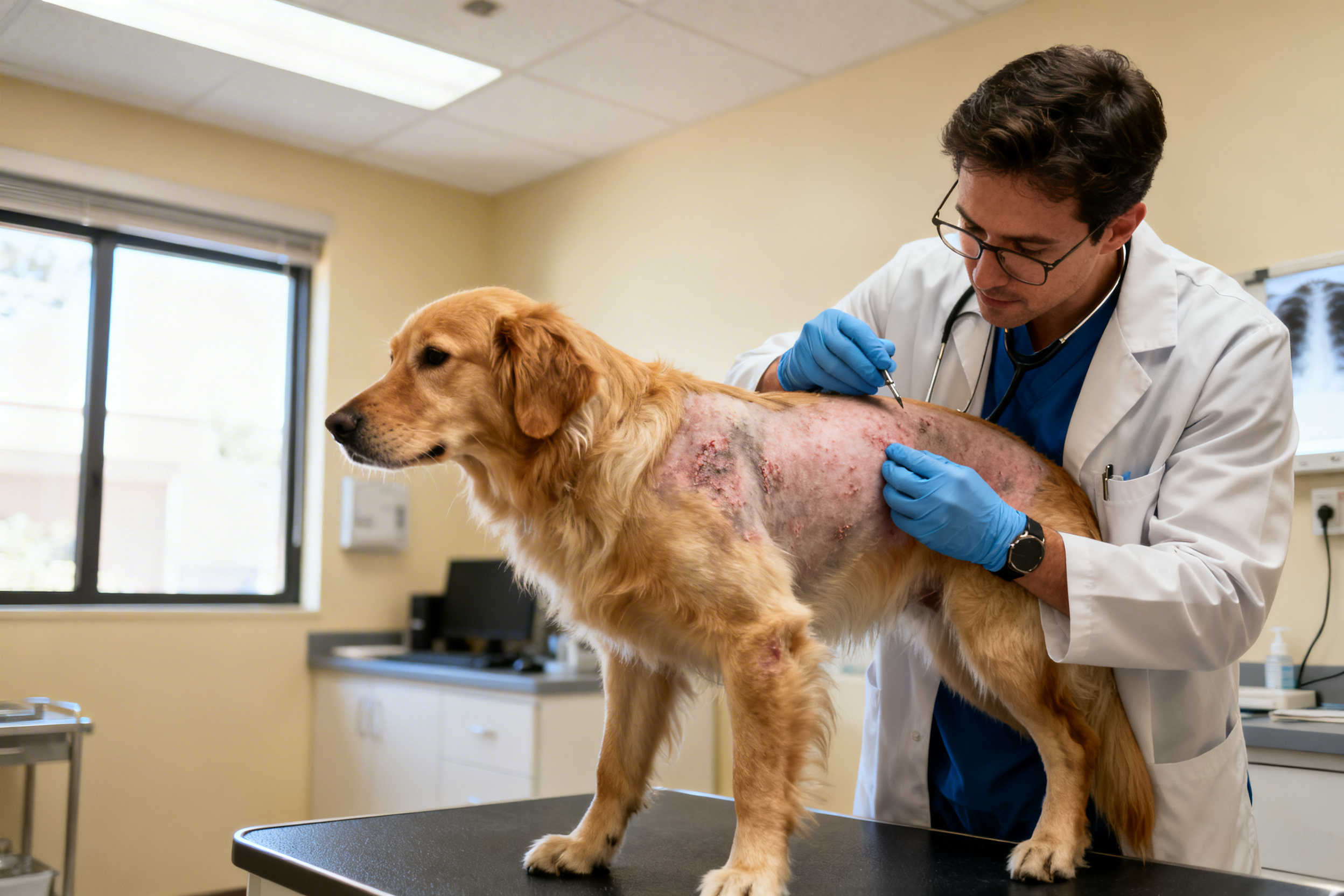
When Max started scratching his ears raw at 2 AM, Sarah knew her golden retriever’s seasonal allergies had returned. Like many desperate pet parents, she found herself searching online at midnight, wondering: can dogs take allergy medicine meant for humans? If you’re watching your furry friend suffer from constant itching, red paws, or watery eyes, you’re likely asking the same urgent question.
The short answer is yes—dogs can take certain allergy medications, but with critical safety precautions that could mean the difference between relief and a veterinary emergency. While some human antihistamines are safe for canine use under veterinary guidance, others contain ingredients that are toxic to dogs. In this comprehensive 2026 guide, we’ll explore which allergy medicines are safe for your pup, proper dosages, prescription alternatives, and natural solutions that can help your dog find comfort without compromising their health.
Can Dogs Take Allergy Medicine? The Complete Answer
Yes, dogs can take specific allergy medications, but never without consulting your veterinarian first. While many over-the-counter (OTC) antihistamines that humans use are also prescribed for dogs, the dosages differ significantly based on your dog’s weight, age, and overall health condition. Additionally, some formulations contain additives like xylitol or decongestants that are dangerous—even deadly—for dogs.
Before reaching for that bottle of Benadryl, it’s essential to identify whether your dog is experiencing environmental allergies, food sensitivities, or flea allergies. Each type requires a different approach, and medication alone may not address the root cause. Understanding common dog allergy symptoms can help you determine whether over-the-counter solutions are appropriate or if your pup needs prescription-strength intervention.

Safe Over-the-Counter Antihistamines for Dogs
Several human antihistamines have been widely used in veterinary medicine for decades. These medications work by blocking histamine receptors, reducing the itching, swelling, and irritation associated with allergic reactions. However, “safe” doesn’t mean “without risks”—proper dosing is crucial.
Diphenhydramine (Benadryl)
Benadryl is the most commonly recommended OTC antihistamine for dogs. It typically provides relief for 6-8 hours and is often used for acute allergic reactions, including bee stings and vaccine reactions.
Standard Dosage: 1 mg per pound of body weight, given 2-3 times daily. For example, a 25-pound dog would receive 25 mg.
Important Notes: Only use plain diphenhydramine formulas. Avoid combination products containing decongestants (pseudoephedrine) or pain relievers, as these are toxic to dogs. Benadryl may cause drowsiness, dry mouth, or urinary retention in some dogs.
Cetirizine (Zyrtec)
Zyrtec has become increasingly popular for canine allergies because it causes less sedation than Benadryl while providing 24-hour relief. It’s particularly effective for atopic dermatitis and environmental allergies.
Standard Dosage: 0.5 mg per pound once daily. Most veterinarians recommend 5 mg for dogs under 15 pounds, 10 mg for 15-40 pounds, and 20 mg for larger dogs.
Caution: Never use Zyrtec-D, which contains pseudoephedrine. This decongestant can cause elevated heart rate, high blood pressure, and seizures in dogs.
Loratadine (Claritin)
Claritin is another non-drowsy option that works well for dogs with seasonal allergies. Like Zyrtec, it provides 24-hour coverage with minimal side effects.
Standard Dosage: 0.2 mg per pound once daily. Typically, 5 mg for small dogs, 10 mg for medium to large dogs.
Warning: Avoid Claritin-D and liquid formulations containing propylene glycol, which can be toxic to cats and concerning for some dogs with liver issues.

Prescription Allergy Medications for Dogs
When OTC options aren’t providing sufficient relief, or when your dog suffers from chronic allergic dermatitis, your veterinarian may recommend prescription medications. These targeted therapies often provide superior relief with fewer side effects than traditional steroids.
Apoquel (Oclacitinib)
Apoquel is a revolutionary medication that specifically targets the enzymes responsible for itching and inflammation. Unlike antihistamines, which block histamine after it’s released, Apoquel stops the itch signal at its source.
Most dogs experience relief within 4 hours, making it ideal for acute flare-ups. However, because it modulates the immune system, it’s not recommended for dogs under 12 months or those with serious infections.
Cytopoint Injections
Cytopoint is an injectable biological therapy that neutralizes the specific proteins triggering allergic itch. One injection typically provides relief for 4-8 weeks, making it an excellent option for dogs who resist oral medications.
This treatment is particularly beneficial for dog skin allergies treatment protocols, as it carries minimal side effects and can be used alongside other medications.
Corticosteroids (Prednisone, Dexamethasone)
Steroids remain the most potent anti-allergy medications available, but they’re typically reserved for severe cases due to potential side effects including increased thirst, weight gain, and immune suppression. Short-term “pulse therapy” can break the itch-scratch cycle while longer-term solutions take effect.
Critical Safety Guidelines When Giving Dogs Allergy Medicine
Before administering any medication to your dog, understanding safety protocols can prevent emergency veterinary visits. While wondering “can dogs take allergy medicine,” many pet owners overlook these crucial precautions.
Verify Active Ingredients
Always check that you’re purchasing plain antihistamines without additives. Xylitol, a common sugar substitute in chewable medications, is extremely toxic to dogs and can cause rapid insulin release, hypoglycemia, and liver failure. Decongestants like pseudoephedrine can cause fatal cardiac events.
Consider Your Dog’s Health Status
Antihistamines may be contraindicated for dogs with:
- Glaucoma or increased eye pressure
- Cardiovascular disease or high blood pressure
- Prostate enlargement or urinary retention issues
- Pregnancy or nursing status
- Current MAOI antidepressant therapy
Start with a Test Dose
When introducing any new medication, give a half-dose initially to monitor for adverse reactions. Watch for excessive sedation, hyperactivity, vomiting, or difficulty breathing. If you notice these symptoms, contact your veterinarian immediately and discontinue use.
Natural Alternatives to Traditional Allergy Medicine
For pet parents seeking to minimize pharmaceutical interventions, or for dogs who don’t tolerate antihistamines well, natural solutions can provide significant relief. These options work by supporting the immune system and reducing inflammation rather than simply masking symptoms.
ROROCA Allergy Chews represent a comprehensive natural approach to canine allergies. These veterinary-formulated supplements contain a powerful blend of ingredients designed to address allergies at their source:
- Probiotic Blend (6-strain): Supports gut health, where 70% of the immune system resides, helping regulate overactive immune responses to allergens
- Salmon Oil: Rich in omega-3 fatty acids that reduce skin inflammation and improve coat health
- Licorice Root Extract: A natural corticosteroid alternative that soothes irritated skin without the side effects of pharmaceutical steroids
- Curcuma Longa Extract (Turmeric): Potent anti-inflammatory compound that reduces itching and redness
- Echinacea Extract: Immune-modulating herb that helps balance the body’s response to environmental allergens
Unlike pharmaceutical antihistamines that require precise dosing calculations and carry sedation risks, these chews can be given daily as part of your dog’s wellness routine, supporting long-term allergy management rather than just crisis control.
Recognizing When Your Dog Needs Professional Care
While mild seasonal allergies can often be managed at home, certain symptoms require immediate veterinary attention. If your dog experiences facial swelling, difficulty breathing, hives covering large body areas, or vomiting alongside allergic symptoms, these indicate anaphylaxis—a life-threatening emergency.
Additionally, if over-the-counter antihistamines haven’t provided relief within 48 hours, or if your dog’s allergies are causing skin infections, hair loss, or chronic ear infections, it’s time to explore best allergy medicine for dogs through your veterinarian. Chronic untreated allergies can lead to bacterial skin infections (pyoderma) and permanent skin thickening.
Frequently Asked Questions About Dogs and Allergy Medicine
Can I give my dog human allergy medicine without asking a vet?
While many veterinarians consider Benadryl and Zyrtec safe for dogs, you should always consult your vet first. Dosages vary significantly by weight, and underlying health conditions can make seemingly safe medications dangerous. A quick phone call can prevent emergency visits.
How much allergy medicine can I give my dog?
Dosage depends on the specific medication and your dog’s weight. For Benadryl, use 1 mg per pound every 8 hours. For Zyrtec, use 0.5 mg per pound once daily. Always use a calculator and verify with your veterinarian, as overdoses can cause seizures, coma, or death.
What happens if I give my dog too much antihistamine?
Overdose symptoms include extreme drowsiness, hyperexcitability, rapid heart rate, dilated pupils, dry mouth, and vomiting. In severe cases, dogs may experience seizures, respiratory depression, or coma. If you suspect an overdose, contact your vet or pet poison control immediately.
Can puppies take allergy medicine?
Most veterinarians avoid antihistamines in puppies under 12 weeks old unless absolutely necessary. Young puppies metabolize drugs differently than adult dogs, increasing overdose risks. For very young dogs with allergies, natural remedies and environmental control are preferred first-line treatments.
How long does it take for allergy medicine to work in dogs?
Antihistamines like Benadryl typically begin working within 30 minutes, with peak effects at 1-2 hours. Zyrtec and Claritin may take 1-3 hours to show full effects. Prescription medications like Apoquel work within 4 hours, while Cytopoint injections provide relief within 24 hours.
Are there any dog breeds that shouldn’t take antihistamines?
Breeds predisposed to glaucoma (Cocker Spaniels, Basset Hounds, Siberian Huskies) require caution with antihistamines, as these drugs can increase intraocular pressure. Brachycephalic breeds (Bulldogs, Pugs) with respiratory issues should avoid sedating antihistamines like Benadryl when possible.
What natural remedies work instead of allergy medicine?
Besides pharmaceutical options, omega-3 fatty acids, quercetin (nature’s Benadryl), colloidal oatmeal baths, and regular wiping of paws after outdoor exposure can reduce allergic reactions. Probiotic supplements help regulate immune responses, while air purifiers minimize indoor allergen exposure.
Conclusion: Making the Right Choice for Your Dog’s Comfort
So, can dogs take allergy medicine? Absolutely—but the key lies in choosing the right type, administering the correct dosage, and knowing when professional intervention is necessary. While OTC antihistamines like Benadryl and Zyrtec provide safe relief for many dogs, they’re not universal solutions, and underlying conditions can turn helpful medications into health hazards.
For ongoing allergy management, consider integrating natural solutions like ROROCA Allergy Chews into your dog’s daily routine. With their blend of probiotics, salmon oil, and botanical extracts, these chews address the root causes of allergic reactions while supporting overall immune health—without the sedation or side effects of traditional antihistamines.
Remember, your dog’s scratching isn’t just uncomfortable—it’s a sign that their immune system needs support. Whether you choose pharmaceutical interventions, natural alternatives, or a combination approach, working closely with your veterinarian ensures your furry friend gets the relief they deserve. Don’t let allergies diminish your dog’s quality of life; take action today to help them breathe easier and itch less.
📖 Related Reading
- Dog Allergy Symptoms: Complete Guide
- Dog Skin Allergy Treatment Options
- Dog Food Allergies: Symptoms & Solutions
📖 Related Reading
- Dog Allergy Symptoms: Complete Guide
- Dog Skin Allergy Treatment Options
- Dog Food Allergies: Symptoms & Solutions