

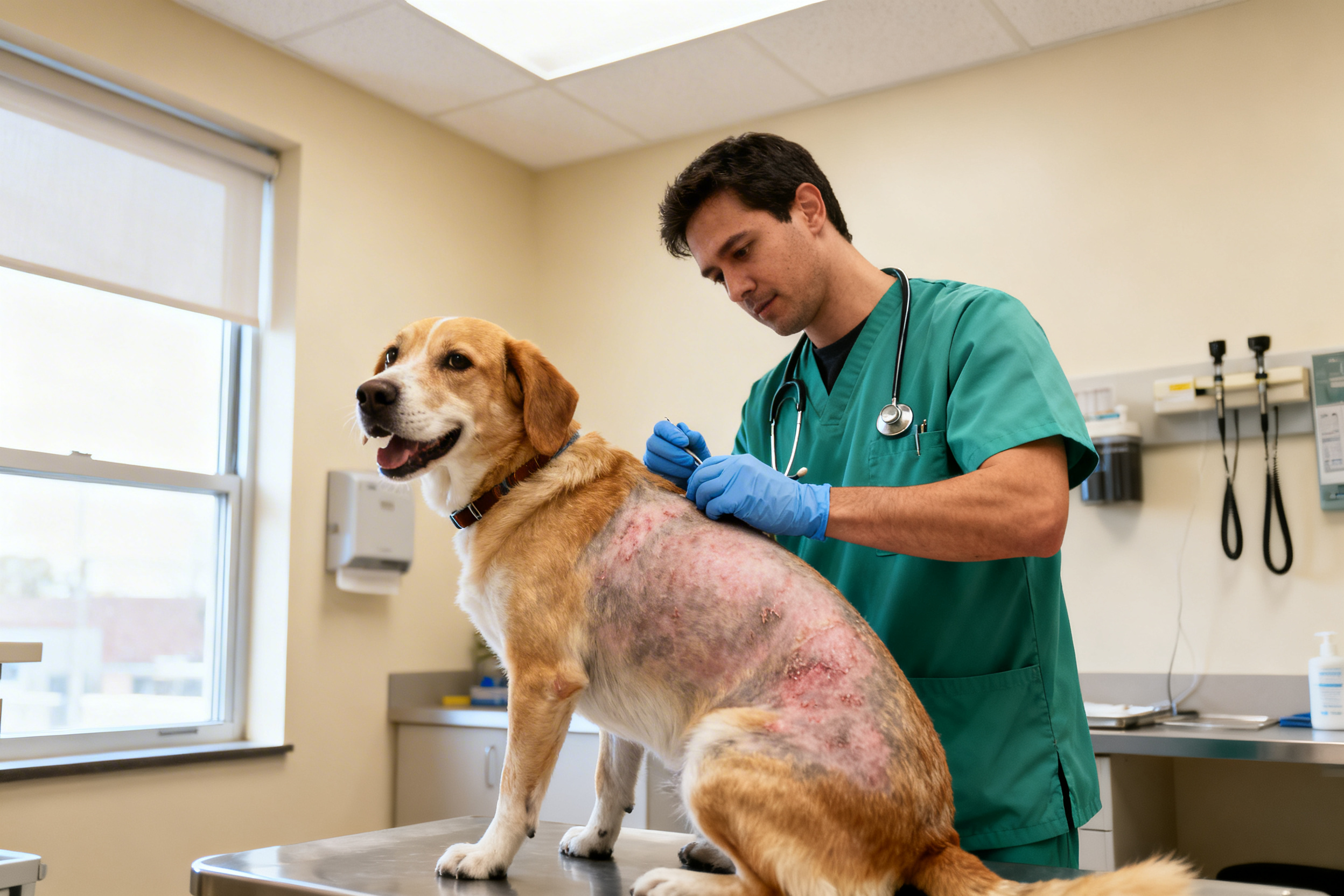
What Can You Give a Dog for Allergies? 2026 Vet-Approved Solutions
Is your dog keeping you up at night with constant itching, paw licking, or red, inflamed skin? You’re not alone—and more importantly, you have options. When pet parents search for what can you give a dog for allergies, they’re often desperate for immediate relief, but the answer depends on understanding whether you’re dealing with environmental triggers, food sensitivities, or flea allergies.
In this comprehensive guide, we’ll explore everything from over-the-counter antihistamines to prescription medications and natural supplements that actually work. Whether your pup suffers from seasonal pollen allergies or chronic skin conditions, you’ll find evidence-based solutions to help them feel comfortable again.
The Quick Answer: What Can You Give a Dog for Allergies Right Now?
Before diving into long-term management strategies, let’s address the immediate question: what can you give a dog for allergies today? The safest options fall into three categories:
Immediate Relief Options
Over-the-counter antihistamines like diphenhydramine (Benadryl), cetirizine (Zyrtec), and loratadine (Claritin) are often the first line of defense for mild allergic reactions. These work by blocking histamine receptors that cause itching and inflammation. However, dosage is critical—typically 1mg per pound of body weight for Benadryl, given 2-3 times daily, but always consult your veterinarian first as individual factors matter.
Omega-3 fatty acid supplements provide anti-inflammatory benefits that can reduce skin irritation within 4-6 weeks of consistent use. Fish oil supplements containing EPA and DHA are particularly effective for canine skin allergy treatments.
Medicated shampoos and topical treatments containing oatmeal, aloe vera, or hydrocortisone can provide immediate soothing for contact allergies and hot spots. Bathing your dog weekly with hypoallergenic shampoo removes environmental allergens from the coat while calming irritated skin.

Understanding What Type of Allergies Your Dog Has
Before determining what can you give a dog for allergies long-term, identifying the specific allergen is crucial. Different triggers require different approaches.
Environmental Allergies (Atopy)
These affect up to 10% of dogs and include reactions to pollen, dust mites, mold, and grass. Symptoms typically include paw chewing, face rubbing, and recurrent ear infections. For these dogs, antihistamines may provide partial relief, but often prescription medications become necessary during high-pollen seasons.
Food Allergies and Sensitivities
Contrary to popular belief, true food allergies are less common than environmental allergies, affecting approximately 1-2% of dogs. However, food sensitivities can cause similar common dog allergy symptoms including gastrointestinal upset and chronic ear infections. The gold standard for diagnosis is an 8-12 week elimination diet using a novel protein or hydrolyzed protein formula.
Flea Allergy Dermatitis
This is the most common skin disease in dogs. Even a single flea bite can trigger intense itching for weeks in sensitive dogs. The solution here isn’t medication for the allergy itself—it’s rigorous flea prevention using veterinary-approved products like fluralaner or sarolaner.

Prescription Solutions: When OTC Isn’t Enough
For moderate to severe allergies, over-the-counter options often fall short. Modern veterinary medicine offers several effective prescription treatments:
Apoquel (Oclacitinib)
This Janus kinase inhibitor provides rapid itch relief within 4-24 hours by blocking the itch signal at its source. Unlike steroids, it doesn’t cause the same metabolic side effects, making it safe for long-term management in most dogs. However, it requires a prescription and monitoring.
Cytopoint
An injectable monoclonal antibody that neutralizes interleukin-31, the primary cytokine responsible for itching in dogs. One injection typically provides 4-8 weeks of relief with minimal systemic side effects, making it ideal for dogs who don’t tolerate oral medications well.
Corticosteroids
While effective for acute flare-ups, prednisone and similar steroids should be used sparingly due to potential side effects including increased thirst, weight gain, and immune suppression. They’re best reserved for short-term crisis management rather than daily maintenance.
Natural Supplements: What Can You Give a Dog for Allergies Holistically
Many pet parents prefer starting with natural approaches before moving to pharmaceuticals. The good news is that several supplements show promising results in clinical studies:
Probiotics and Gut Health
Emerging research highlights the gut-skin axis in dogs. A diverse microbiome supports immune regulation, potentially reducing overreactions to allergens. Look for supplements containing multiple strains of beneficial bacteria specifically formulated for canines.
Botanical Anti-Inflammatories
Ingredients like turmeric (Curcuma longa) and licorice root extract offer natural corticosteroid-like effects without the side effects. These adaptogenic herbs help modulate the immune response rather than simply suppressing symptoms.
Comprehensive Allergy Support
For dogs needing multi-faceted support, ROROCA Allergy Chews combine several evidence-backed ingredients into one convenient supplement. These soft chews feature a 6-strain probiotic blend to support gut health and immune balance, salmon oil rich in omega-3 fatty acids for skin barrier function, plus licorice root extract and curcuma longa extract (turmeric) for their natural anti-inflammatory properties. Additionally, echinacea extract provides immune-modulating benefits that may help reduce the severity of allergic responses over time.
Unlike single-ingredient supplements, this synergistic approach addresses allergies from multiple angles—supporting the gut microbiome, reducing systemic inflammation, and strengthening the skin barrier simultaneously.
Quercetin: Nature’s Benadryl
Often called “nature’s antihistamine,” quercetin is a flavonoid found in apples and broccoli that stabilizes mast cells and reduces histamine release. When combined with bromelain (an enzyme from pineapples) to enhance absorption, it can provide significant relief for dogs with seasonal allergies.
Dietary Interventions: Healing from the Inside Out
What you feed your dog matters as much as what medications you give them. Dietary modifications can reduce the allergic burden and support skin health:
Novel Protein Diets
If food allergies are suspected, switching to proteins your dog has never consumed—such as kangaroo, venison, or rabbit—can eliminate trigger foods. These should be true limited-ingredient diets with no cross-contamination from other protein sources.
Omega Fatty Acid Supplementation
Adding fish oil or algae oil to your dog’s diet increases the production of anti-inflammatory prostaglandins. For best results, choose products with at least 300mg of combined EPA and DHA per 10 pounds of body weight daily.
Colostrum and Mushrooms
Bovine colostrum contains proline-rich polypeptides that help regulate the thymus gland and normalize immune function. Medicinal mushrooms like reishi and turkey tail provide beta-glucans that support balanced immune responses rather than hyper-reactivity.
Transitioning to a hypoallergenic diet for dogs should be done gradually over 7-10 days to prevent gastrointestinal upset, and maintained for at least 12 weeks to properly assess results.
Environmental Management Strategies
While medications and supplements help, reducing allergen exposure provides the foundation for success:
Weekly bathing with hypoallergenic shampoo removes pollen and dust from the coat before it can penetrate the skin. Wiping paws with damp cloths after outdoor excursions prevents tracking allergens into the house. High-efficiency air purifiers with HEPA filters capture airborne particles, while washing bedding weekly in hot water eliminates dust mites.
For dogs with grass allergies, creating designated potty areas with gravel or mulch, or using protective booties during walks, can significantly reduce contact exposure. Timing walks for early morning or late evening avoids peak pollen counts.
Frequently Asked Questions
Can I give my dog Benadryl every day for allergies?
While Benadryl is generally safe for daily use in healthy dogs, it may lose effectiveness over time and causes drowsiness in many animals. Long-term daily use should be discussed with your veterinarian, especially for senior dogs or those with heart conditions, glaucoma, or prostate issues.
How long does it take for allergy supplements to work?
Natural supplements typically require 4-6 weeks of consistent use before showing significant results, as they work by modulating immune function rather than suppressing symptoms. Omega-3 fatty acids may take 8-12 weeks to fully improve skin barrier function. Be patient and maintain consistent dosing.
What human allergy medicine is safe for dogs?
Cetirizine (Zyrtec) and loratadine (Claritin) are generally considered safe for dogs, but avoid combination products containing decongestants like pseudoephedrine, which is toxic to dogs. Always verify the active ingredients and consult your vet for proper dosing based on your dog’s weight and health status.
Is there a permanent cure for dog allergies?
Allergen-specific immunotherapy (allergy shots) is the closest thing to a cure, with approximately 60-75% of dogs showing significant improvement after 6-12 months of treatment. While not technically a cure, it retrains the immune system to tolerate allergens rather than react to them, potentially providing years of relief.
Can probiotics really help with dog allergies?
Yes, research published in Veterinary Immunology and Immunopathology demonstrates that specific probiotic strains can reduce atopic dermatitis symptoms in dogs by supporting gut barrier integrity and regulating inflammatory cytokines. The key is using canine-specific strains at therapeutic doses.
When should I see a veterinarian for my dog’s allergies?
Schedule a vet appointment if your dog has open sores from scratching, ear infections that recur monthly, hair loss, or if over-the-counter remedies haven’t helped within two weeks. Also seek immediate care if you notice facial swelling, difficulty breathing, or hives, which could indicate anaphylaxis.
Conclusion: Finding the Right Solution for Your Pup
Determining what can you give a dog for allergies requires a multi-modal approach tailored to your pet’s specific triggers and severity. Start with environmental management and high-quality nutritional support like ROROCA Allergy Chews, which provide the probiotic, anti-inflammatory, and skin-supporting ingredients needed for long-term wellness.
For acute flare-ups, veterinary-prescribed medications offer rapid relief, while immunotherapy provides the best hope for long-term desensitization. Remember, allergies are manageable—with the right combination of treatments, your dog can live a comfortable, itch-free life. Always work with your veterinarian to develop a comprehensive treatment plan that addresses both immediate symptoms and underlying immune dysregulation.