

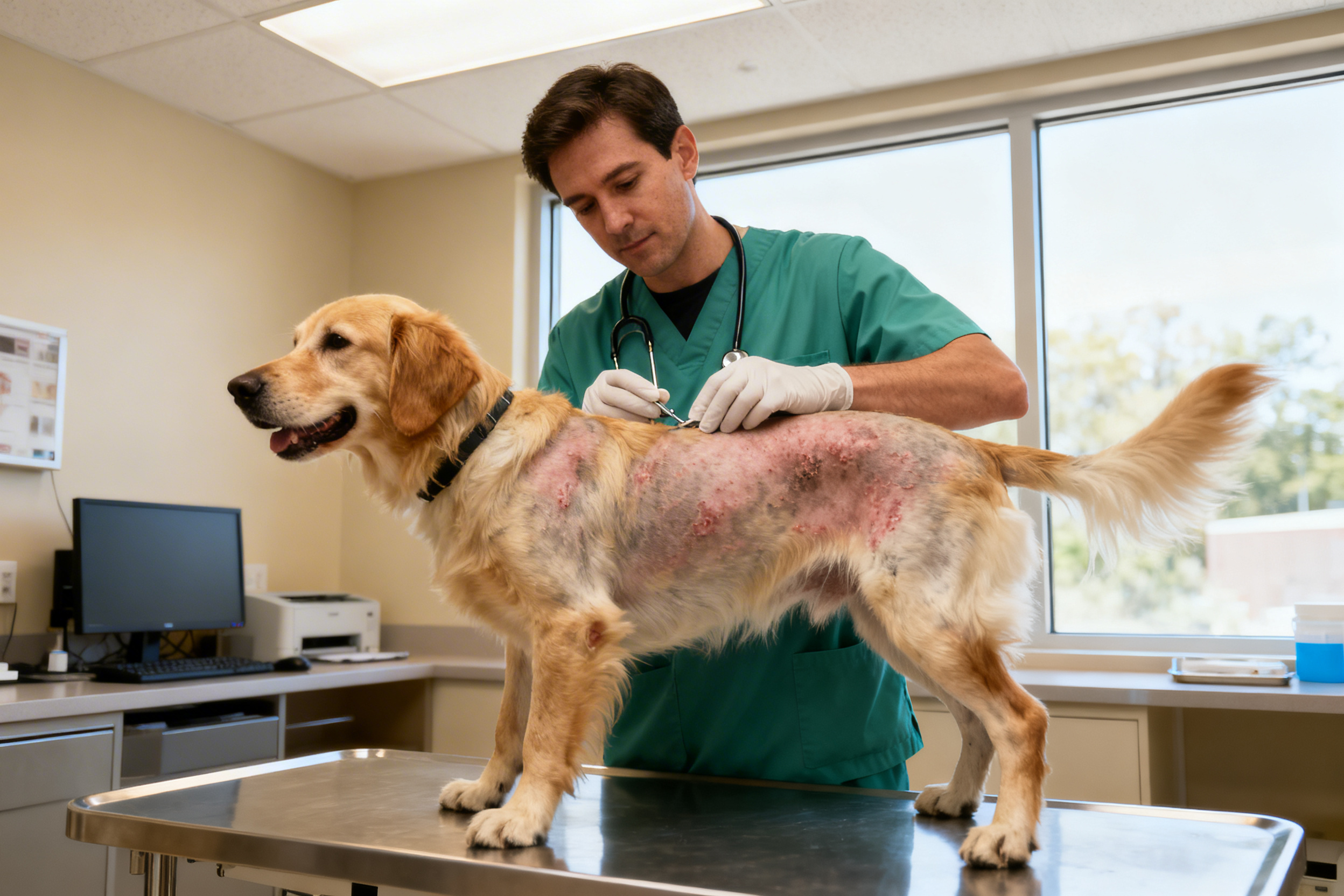
Watching your dog scratch relentlessly until their paws tremble is one of the most helpless feelings a pet parent can experience. Whether it’s seasonal pollen, dust mites, or a mysterious food trigger, canine allergies affect millions of dogs each year, leaving owners desperately searching for relief options. If you’ve found yourself staring at your medicine cabinet wondering what allergy medicine is safe for dogs, you’re not alone—and more importantly, there are answers that can help your furry friend find comfort.
In this comprehensive guide, we’ll explore veterinarian-approved over-the-counter options, prescription solutions for severe cases, and natural alternatives that support your dog’s immune system from the inside out. Before reaching for that pill bottle, however, it’s crucial to understand which human medications are actually safe for canine consumption and which could be dangerous. Let’s dive into everything you need to know about safely managing your dog’s allergies in 2026.
Recognizing When Your Dog Needs Allergy Relief
Before determining what allergy medicine is safe for dogs, you must first identify whether your pup is actually suffering from allergies or another skin condition. Common dog allergy symptoms include excessive scratching, red or inflamed skin, chronic ear infections, watery eyes, and obsessive paw licking.
Unlike humans who typically sneeze and get runny noses, dogs usually manifest allergies through their skin. You might notice your dog rubbing their face against furniture, developing hot spots, or experiencing hair loss in patches. Seasonal allergies often flare up during spring and fall, while food allergies persist year-round regardless of the weather.
Once you’ve confirmed these symptoms align with allergic reactions rather than parasites or infections, you can begin exploring treatment options ranging from antihistamines to immune-supporting supplements.

What Allergy Medicine Is Safe for Dogs? Over-the-Counter Options
Many veterinarians approve specific human antihistamines for canine use, but dosage and selection require careful attention. Never assume that what’s safe for humans translates directly to your four-legged companion.
Diphenhydramine (Benadryl)
Benadryl remains the most commonly recommended OTC antihistamine for dogs experiencing mild allergic reactions. The standard dosage typically ranges from 1 milligram per pound of body weight, administered two to three times daily. For example, a 25-pound dog would receive 25mg, while a 50-pound dog would take 50mg.
Benadryl works by blocking histamine receptors, reducing itching and swelling. It’s particularly effective for acute allergic reactions to bee stings, vaccine responses, or sudden environmental triggers. However, some dogs experience drowsiness, while paradoxically others become hyperactive. Always choose plain Benadryl without added decongestants like pseudoephedrine, which is toxic to dogs.
Cetirizine (Zyrtec)
For pet parents seeking a non-drowsy alternative, cetirizine offers longer-lasting relief with fewer sedative effects. Most veterinarians recommend 0.5mg per pound of body weight once daily. Zyrtec proves especially effective for dogs with atopic dermatitis and chronic environmental allergies.
The once-daily dosing makes compliance easier for busy households, and the medication carries a lower risk of side effects compared to older antihistamines. Avoid Zyrtec-D formulations, as the decongestant component can cause dangerous cardiovascular effects in dogs.
Loratadine (Claritin)
Another second-generation antihistamine, loratadine provides 24-hour relief for dogs suffering from seasonal allergies. The typical dosage ranges from 0.2mg per pound of body weight once daily. Claritin rarely causes sedation, making it ideal for working dogs or energetic breeds that need to maintain alertness.
As with other antihistamines, ensure you select regular Claritin rather than Claritin-D. The pseudoephedrine in decongestant formulations can elevate heart rate and blood pressure to dangerous levels.
| Medication | Dosage (per lb) | Frequency | Best For |
|---|---|---|---|
| Benadryl (Diphenhydramine) | 1mg | 2-3 times daily | Acute reactions, mild itching |
| Zyrtec (Cetirizine) | 0.5mg | Once daily | Chronic environmental allergies |
| Claritin (Loratadine) | 0.2mg | Once daily | Seasonal allergies, non-drowsy |

Prescription Solutions for Severe Allergies
When over-the-counter antihistamines fail to provide adequate relief, your veterinarian may recommend prescription medications designed specifically for canine immune modulation.
Apoquel (Oclacitinib)
Apoquel revolutionized veterinary dermatology by targeting specific cytokines involved in the itch cycle. Unlike steroids, it doesn’t suppress the entire immune system, resulting in fewer long-term side effects. Dogs typically experience relief within four hours, with full effect visible within twenty-four hours.
This medication requires veterinary supervision and regular blood monitoring, as it can increase susceptibility to infections and potentially exacerbate pre-existing cancers. It’s not recommended for dogs under twelve months of age.
Cytopoint
Cytopoint offers a biological approach to allergy management through monoclonal antibody therapy. Administered via injection at your vet’s office every four to eight weeks, it neutralizes IL-31, the primary protein responsible for sending itch signals to your dog’s brain.
Because it metabolizes through the reticuloendothelial system rather than the liver or kidneys, Cytopoint proves safer for dogs with organ dysfunction. It’s also approved for dogs of any age, making it suitable for puppies suffering from severe atopic dermatitis.
Corticosteroids (Short-Term Use)
Prednisone and other corticosteroids provide powerful anti-inflammatory effects for acute allergy flare-ups. While effective, these medications carry significant risks with long-term use, including diabetes, Cushing’s disease, and immunosuppression. Veterinarians typically reserve steroids for short-term crisis management while transitioning to safer maintenance medications.
Natural Alternatives: Supporting Immune Health
For dogs with mild allergies or as adjunctive therapy alongside traditional medications, natural remedies for dog allergies can provide significant relief without pharmaceutical side effects. The key lies in addressing the root cause—immune system imbalance—rather than merely masking symptoms.
Many holistic veterinarians recommend starting with omega-3 fatty acids derived from fish oil, which reduce systemic inflammation and improve skin barrier function. Quercetin, often called “nature’s Benadryl,” offers antihistamine properties without sedation. Local honey may help dogs build tolerance to regional pollen when administered in small amounts.
For comprehensive immune support, consider ROROCA Allergy Chews, formulated specifically for canine allergic responses. These chews combine a potent Probiotic Blend (6-strain) to support gut health—where 70% of the immune system resides—with Salmon Oil for anti-inflammatory omega-3s. The addition of Licorice Root Extract provides natural cortisol-like effects without steroid risks, while Curcuma Longa Extract (Turmeric) offers powerful antioxidant and anti-inflammatory benefits. Echinacea Extract rounds out the formula by modulating immune response rather than suppressing it.
This synergistic approach addresses allergies at the cellular level, often reducing dependency on pharmaceuticals while improving overall skin and coat health.
Critical Safety Considerations
Understanding what allergy medicine is safe for dogs extends beyond knowing brand names. Several factors determine whether a medication suits your specific pet.
Weight-Based Dosing Matters
Canine metabolism varies significantly by size. A dose appropriate for a Labrador could hospitalize a Chihuahua. Always use a precise scale and calculate dosages based on current weight, adjusting as your dog grows or loses weight.
Drug Interactions
Dogs taking certain antidepressants, heart medications, or sedatives may experience dangerous interactions with antihistamines. Provide your veterinarian with a complete medication history before introducing new allergy treatments.
Underlying Health Conditions
Dogs with glaucoma, prostate enlargement, cardiovascular disease, or hyperthyroidism may not tolerate antihistamines safely. Pregnant or nursing dogs require specialized protocols, as do puppies under six months old.
Decongestant Danger
We cannot stress this enough: never give your dog combination cold and allergy medications containing pseudoephedrine or phenylephrine. These ingredients can cause fatal hypertension, seizures, and cardiac arrhythmias in dogs.
When to Skip the Medicine Cabinet
While knowing what allergy medicine is safe for dogs empowers you to provide immediate relief, certain situations demand veterinary intervention rather than home treatment.
Seek emergency care if your dog experiences facial swelling, difficulty breathing, or hives covering large body areas—these indicate anaphylaxis, a life-threatening allergic reaction requiring immediate epinephrine administration. Similarly, if your dog vomits repeatedly after medication administration or displays extreme lethargy, discontinue treatment and contact your vet.
Chronic allergies that persist despite OTC treatment warrant professional evaluation. Your veterinarian may recommend intradermal skin testing or blood work to identify specific allergens, allowing for targeted immunotherapy (allergy shots) that desensitizes your dog to triggers over time.
Additionally, if you suspect food allergens affecting your dog’s diet, no amount of antihistamine will resolve the underlying issue. An elimination diet trial supervised by your vet remains the gold standard for diagnosing adverse food reactions.
Frequently Asked Questions
Can I give my dog human allergy medicine?
Yes, but only specific types. Benadryl, Zyrtec, and Claritin are generally safe for dogs when dosed correctly. Never give combination medications containing decongestants, pain relievers, or sleep aids. Always consult your veterinarian before administering human medications, as individual health conditions may contraindicate their use.
How much Benadryl can I give my dog?
The standard dosage is 1 milligram per pound of body weight, given two to three times daily. A 25-pound dog receives 25mg, while a 75-pound dog takes 75mg per dose. Use children’s liquid formulations for precise dosing in small dogs, ensuring the product contains only diphenhydramine without added ingredients.
Is Zyrtec or Claritin better for dogs?
Both work well, but individual response varies. Zyrtec (cetirizine) often proves more effective for dogs with atopic dermatitis and causes less drowsiness than Benadryl. Claritin (loratadine) provides longer-lasting relief for seasonal allergies. Try one for two weeks; if results disappoint, switch to the other under veterinary guidance.
What are the side effects of allergy medicine in dogs?
Common side effects include drowsiness, dry mouth, urinary retention, and mild gastrointestinal upset. Rarely, dogs experience paradoxical excitement or hyperactivity. Discontinue use and contact your vet if you notice vomiting, diarrhea, difficulty breathing, or extreme lethargy.
Can puppies take allergy medicine?
Most veterinarians recommend avoiding antihistamines in puppies under six months old unless specifically directed. Young dogs metabolize drugs differently than adults, increasing overdose risk. For puppies with severe allergies, Cytopoint injections offer a safer alternative approved for all ages.
How long does it take for allergy medicine to work in dogs?
Antihistamines like Benadryl typically show effects within 30 minutes to one hour, lasting 8-12 hours. Zyrtec and Claritin may take several hours to reach peak effectiveness but provide 24-hour coverage. Prescription options like Apoquel work within 4 hours, while Cytopoint begins relieving itch within 24 hours of injection.
Conclusion: Finding Relief for Your Best Friend
Navigating canine allergies requires patience, observation, and the right combination of treatments tailored to your dog’s specific needs. While what allergy medicine is safe for dogs generally includes Benadryl, Zyrtec, and Claritin at appropriate dosages, lasting relief often comes from addressing immune system health holistically.
Start with veterinary guidance to rule out secondary infections and identify specific triggers. Combine safe, approved antihistamines with immune-supporting supplements like ROROCA Allergy Chews, which deliver targeted ingredients including probiotics, salmon oil, and botanical extracts to calm overactive immune responses naturally.
Remember that allergies require ongoing management rather than one-time cures. By staying informed about safe medication options and supporting your dog’s overall wellness, you can help your beloved companion live comfortably despite environmental challenges. Don’t let allergies diminish your dog’s quality of life—relief is available, and it starts with making informed, safe choices for your furry family member.