

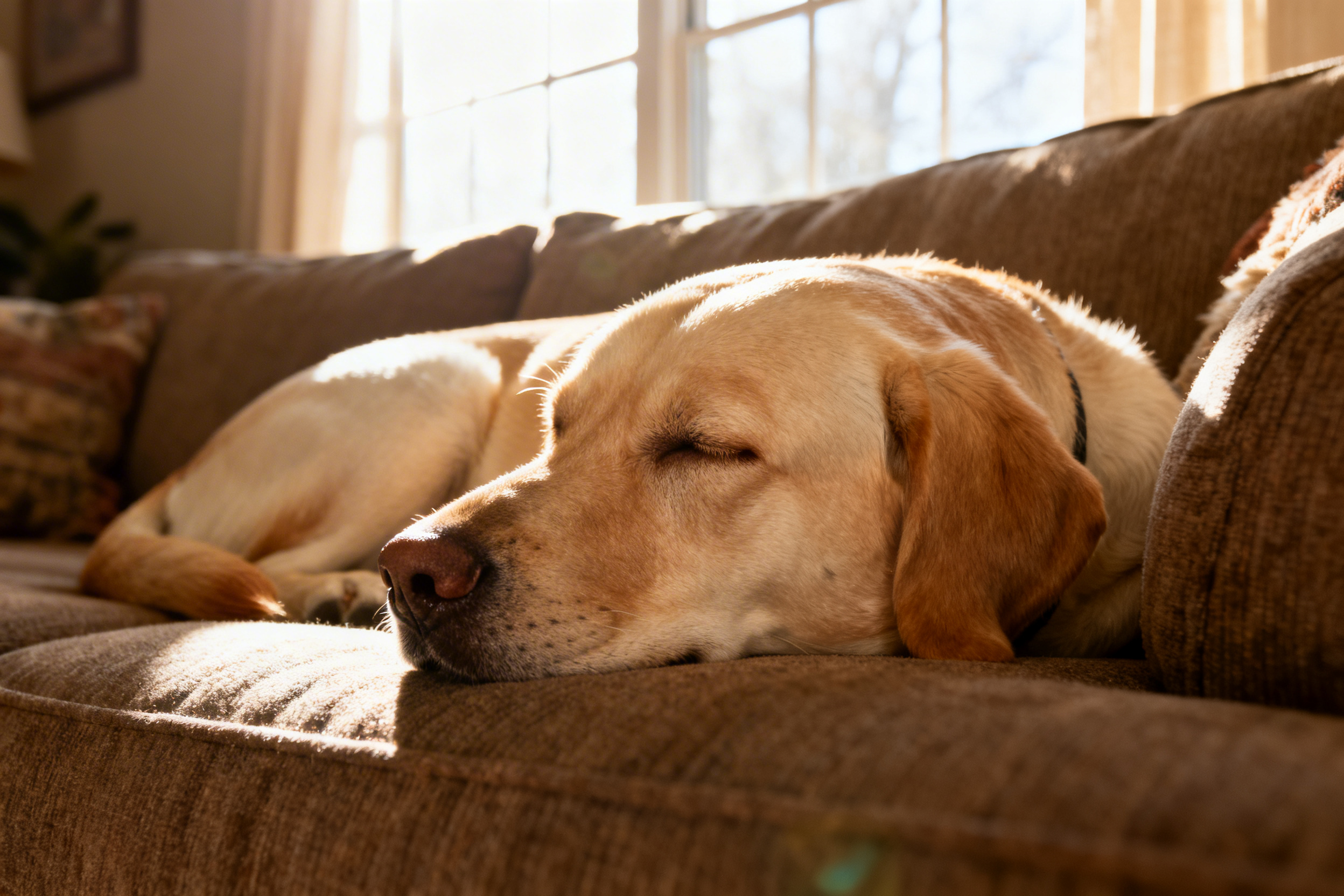
As a devoted dog parent, few things are more heartbreaking than watching your beloved companion pace restlessly, pant excessively, or hide trembling during a thunderstorm. While occasional nervousness is normal, chronic stress significantly impacts your dog’s quality of life and may signal underlying health issues. Understanding how to calm a stressed dog requires more than temporary fixes—it demands identifying root causes like environmental allergies that create a cycle of discomfort and anxiety. In this comprehensive guide, we’ll explore evidence-based techniques to soothe your anxious pup, from immediate interventions to long-term wellness strategies that address the surprising connection between allergies and stress.

Recognizing When Your Dog Is Experiencing Stress
Before implementing calming techniques, you must accurately identify stress signals. Dogs communicate distress through subtle body language and behavioral changes that many owners miss until problems escalate.

Physical Manifestations of Canine Anxiety
Stressed dogs often display physical symptoms including excessive panting (unrelated to heat or exercise), drooling, trembling, and dilated pupils. You might notice repetitive behaviors like paw licking, scratching, or excessive grooming that mimics allergy symptoms. Some dogs experience digestive upset, loss of appetite, or sudden shedding when anxiety levels spike.
Behavioral Red Flags
Watch for destructive behaviors, inappropriate elimination, or attempts to escape. Social withdrawal, hiding under furniture, or clinging to your side indicate emotional distress. Aggression toward familiar people or pets often stems from fear-based stress requiring immediate attention.
The Surprising Link Between Allergies and Canine Stress
Many pet parents don’t realize that chronic allergies create a foundation for anxiety disorders in dogs. When your dog experiences constant itching, skin inflammation, or gastrointestinal discomfort from food sensitivities, their nervous system remains in a heightened state of alert. This physical discomfort triggers cortisol production, keeping your dog in perpetual “fight or flight” mode.
Research from veterinary behavioral medicine suggests that dogs with untreated skin allergies show significantly higher rates of anxiety-related behaviors compared to healthy counterparts. The cycle becomes self-perpetuating: stress weakens immune function, worsening allergic responses, which increases physical discomfort and subsequent anxiety.
Breaking the Itch-Stress Cycle
Addressing allergies often resolves secondary anxiety issues without additional behavioral interventions. When dogs no longer battle constant irritation, their nervous systems can finally relax. This connection makes allergy management a crucial component of any comprehensive stress-reduction protocol.
Immediate Techniques for How to Calm a Stressed Dog
When your dog enters a panic state during fireworks, vet visits, or separation moments, these rapid-intervention strategies provide immediate relief while you address underlying causes.
Create a Safe Sanctuary Space
Designate a quiet, enclosed area where your dog can retreat when overwhelmed. This might be a crate covered with blankets, a bathroom with dim lighting, or a corner behind furniture. The space should feel den-like, blocking visual stimuli that trigger anxiety. Introduce calming pheromone diffusers in this area, releasing synthetic versions of the comforting chemicals mother dogs produce.
Physical Comfort Protocols
Gentle pressure therapy works wonders for anxious dogs. Wrap your dog in a properly fitted anxiety wrap or ThunderShirt, applying consistent, gentle pressure that triggers the parasympathetic nervous system. Combine this with slow, rhythmic massage along the spine and base of the tail, avoiding areas where your dog shows tension.
Engage your dog’s sense of smell using lavender or chamomile essential oils (properly diluted and diffused, never applied directly). These scents activate neurological pathways associated with relaxation. Pair aromatherapy with classical music specifically composed for dogs, which has been shown to reduce heart rates in shelter environments.
Distraction and Engagement
Redirect anxious energy through puzzle toys stuffed with frozen treats. The licking and chewing motions release endorphins, naturally calming your dog. For high-stress situations like grooming or nail trims, high-value treats offered in rapid succession create positive associations and interrupt stress responses.
Long-Term Strategies for Anxious Dogs
Sustainable calm requires lifestyle modifications that support your dog’s mental health alongside physical wellness.
Consistent Routine and Exercise
Dogs thrive on predictability. Maintain regular feeding, walking, and bedtime schedules to reduce anticipatory anxiety. Ensure your dog receives adequate physical exercise appropriate for their breed and age—mental fatigue often manifests as anxiety, while physical tiredness promotes relaxation.
Desensitization Training
For phobia-based stress (thunderstorms, strangers, car rides), gradual desensitization proves highly effective. Expose your dog to trigger stimuli at extremely low intensities while providing high-value rewards. Slowly increase exposure intensity over weeks or months, never pushing your dog past their comfort threshold. Consider working with a certified dog behaviorist for severe cases.
Nutritional Support for Nervous Systems
Diet significantly impacts anxiety levels. Omega-3 fatty acids support brain health and reduce inflammation, while certain probiotics influence the gut-brain axis, potentially lowering anxiety. Avoid high-glycemic carbohydrates that create blood sugar fluctuations mimicking panic symptoms.
For dogs experiencing stress related to allergic discomfort, targeted supplementation provides dual benefits. ROROCA Allergy Chews offer comprehensive support through a unique formulation including a 6-strain Probiotic Blend that supports gut health and immune regulation, Salmon Oil providing anti-inflammatory omega-3s, Licorice Root Extract for soothing irritated tissues, Curcuma Longa Extract (Turmeric) for inflammation management, and Echinacea Extract for immune balance. By addressing the root allergic triggers causing physical discomfort, these chews help break the stress cycle naturally without sedatives.
Natural Calming Aids and When to Use Them
Beyond environmental management, several natural interventions support your calming protocol.
Herbal and Nutritional Supplements
L-theanine, an amino acid found in green tea, promotes relaxation without sedation. Valerian root and passionflower offer gentle anxiolytic effects suitable for situational stress. Always consult your veterinarian before combining supplements, especially if your dog takes other medications.
CBD and Hemp Products
High-quality CBD oils formulated specifically for pets interact with endocannabinoid receptors to modulate stress responses. Start with low doses and monitor for individual tolerance. Choose products with third-party testing to ensure purity and accurate dosing.
Building Emotional Resilience in Your Dog
Teaching your dog emotional regulation prevents stress from escalating into panic. Games that reward calm behavior—like “settle” or “place” commands—empower your dog with coping mechanisms. Reward relaxed postures during everyday moments, not just during obvious stress episodes.
Socialization continues throughout your dog’s life. Positive exposure to new environments, people, and situations builds confidence that buffers against future stressors. However, respect your dog’s limits; forced socialization creates trauma rather than resilience.
Frequently Asked Questions
Can allergies really make my dog anxious?
Yes, chronic allergies significantly contribute to canine anxiety. Constant itching, skin discomfort, or gastrointestinal distress keeps your dog’s nervous system activated. Many owners report dramatic behavioral improvements after addressing underlying environmental or food allergies, as the physical relief allows their dog’s mental state to stabilize.
How long does it take to calm a severely stressed dog?
Immediate techniques like pressure wraps or safe spaces provide relief within minutes, but lasting calm requires weeks to months of consistent intervention. If allergies drive the stress, you may see improvement in 2-4 weeks after starting targeted treatments like ROROCA Allergy Chews, though behavioral training continues longer.
Are calming treats safe for dogs with sensitive stomachs?
Most natural calming treats are gentle, but dogs with food sensitivities require careful selection. Look for limited-ingredient formulas free from common allergens like chicken, beef, or grain. ROROCA Allergy Chews specifically address this concern by combining calming anti-inflammatory ingredients with digestive support through their 6-strain probiotic blend, making them suitable for sensitive dogs.
What’s the difference between stress and anxiety in dogs?
Stress typically refers to short-term responses to specific triggers (vet visits, loud noises), resolving when the trigger disappears. Anxiety involves persistent worry and anticipation of danger even without immediate threats. Chronic stress often develops into anxiety disorders requiring more intensive management, including possible veterinary behavioral medication alongside natural therapies.
Can I give my dog human anti-anxiety medication?
Never administer human medications like Xanax, Prozac, or Benadryl without explicit veterinary guidance. Dosages differ dramatically between species, and some human medications prove toxic to dogs. Your vet can prescribe dog-specific formulations if natural methods prove insufficient.
How do I know if my dog needs professional behavioral help?
Seek veterinary behaviorist consultation if your dog shows aggression, self-harming behaviors (excessive licking causing wounds), complete withdrawal, or if home interventions show no improvement after two months. Professional help becomes essential when stress impacts your dog’s physical health or quality of life.
Will getting another dog help my anxious dog calm down?
Not necessarily. While some dogs benefit from companionship, others find additional pets stressful, particularly if resource guarding or social anxiety exists. Assess your individual dog’s social preferences before adding another animal, and consider foster-to-adopt options to test compatibility.
Conclusion
Learning how to calm a stressed dog requires patience, observation, and addressing both immediate symptoms and root causes. While situational stress responds well to environmental management and training, chronic anxiety often signals underlying physical discomfort—particularly allergies—that demands targeted treatment. By combining immediate calming techniques with long-term wellness strategies, including immune-supporting supplements like ROROCA Allergy Chews, you create a foundation for lasting emotional balance. Remember that every dog responds differently; work closely with your veterinarian to develop a personalized anxiety management plan that respects your dog’s unique needs and history. Your calm, confident companion is worth the investment.