

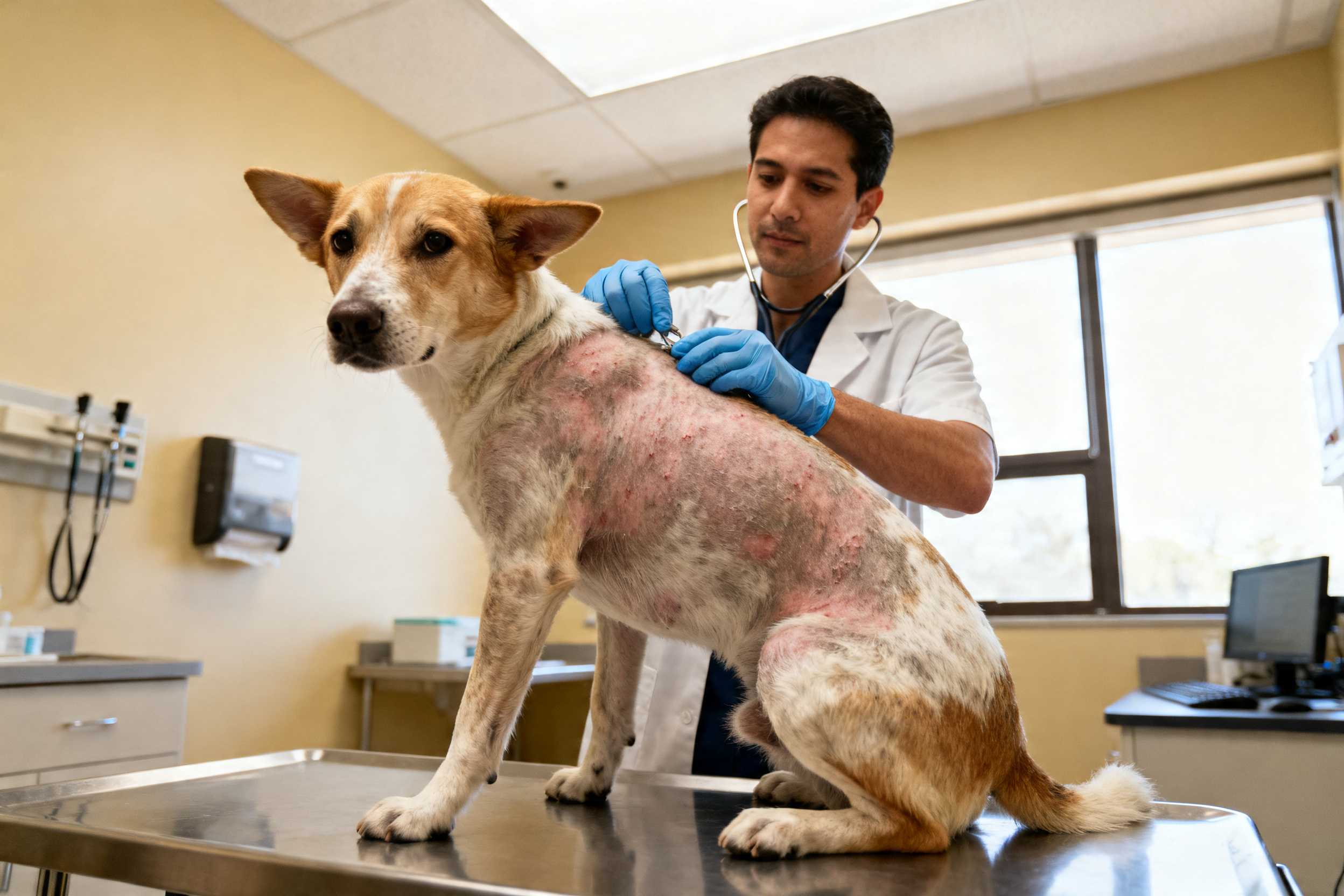
When Max started scratching relentlessly last April, his owner Sarah assumed it was just dry skin. But as the scratching turned into red, inflamed paws and constant ear shaking, she realized something more serious was happening. After a veterinary visit, Sarah discovered the truth: her Golden Retriever was suffering from seasonal allergies, just like millions of humans do every spring. If you’re wondering can dogs have seasonal allergies, you’re not alone. This comprehensive guide explores everything pet parents need to know about identifying, managing, and relieving seasonal allergies in dogs during 2026 and beyond.

Seasonal allergies in dogs—also known as canine atopic dermatitis—affect approximately 10-15% of the canine population, making this one of the most common health concerns veterinarians treat annually. Unlike food allergies, which persist year-round, seasonal allergies flare during specific times of the year when environmental allergens peak. Understanding how these allergies manifest, what triggers them, and how to provide relief can dramatically improve your dog’s quality of life.

Can Dogs Have Seasonal Allergies? Understanding the Science
Yes, dogs absolutely can have seasonal allergies. Canine atopic dermatitis occurs when your dog’s immune system overreacts to environmental substances, treating harmless particles like pollen or mold spores as dangerous invaders. When your dog inhales or contacts these allergens, their body releases histamines and other inflammatory chemicals, leading to the itchy, uncomfortable symptoms that drive pet owners to search for solutions.
The biological mechanism mirrors human seasonal allergies but manifests differently in dogs. While humans typically experience respiratory symptoms like sneezing and watery eyes, dogs primarily show skin-related reactions. This difference occurs because dogs have more mast cells—histamine-releasing immune cells—in their skin compared to their respiratory tract. When common dog allergy symptoms appear, they often signal an immune system struggling to cope with environmental changes.
The Immune Response Behind Seasonal Allergies
When a sensitive dog encounters allergens like tree pollen, grass, or ragweed, their immune system produces immunoglobulin E (IgE) antibodies. These antibodies attach to mast cells throughout the body, particularly concentrated in the skin, ears, and gastrointestinal tract. Upon subsequent exposure to the same allergen, the IgE triggers mast cells to release histamine, cytokines, and other inflammatory mediators.
This cascade causes blood vessels to dilate, nerves to become hypersensitive, and intense itching to develop. Dogs then scratch, lick, and chew at affected areas, creating a cycle of skin damage and secondary infections that can persist long after the initial allergen exposure ends.
Recognizing Seasonal Allergy Symptoms in Dogs
Identifying seasonal allergies early prevents secondary complications like bacterial skin infections and chronic ear disease. Unlike food allergies, which cause year-round gastrointestinal or skin issues, seasonal allergies follow predictable patterns corresponding to blooming cycles and weather changes.
Skin and Coat Indicators
The most visible signs of seasonal allergies appear on your dog’s skin. Watch for excessive scratching, particularly around the face, paws, belly, and underarms. Dogs may develop red, inflamed patches called “hot spots” or show signs of pyoderma—bacterial skin infections characterized by pustules, crusting, and hair loss.
Paw chewing represents one of the hallmark signs of seasonal allergies in dogs. You might notice your dog obsessively licking between their toes, causing saliva staining that turns light-colored fur reddish-brown. The paw pads may appear swollen, and the skin between toes can become macerated and infected without prompt intervention.
Ear Infections and Head Shaking
Seasonal allergies frequently trigger otitis externa—inflammation of the external ear canal. Dogs with allergic ear inflammation shake their heads frequently, scratch at their ears with their hind legs, and may emit an unpleasant odor from the ear canal. The ears appear red and may produce dark, waxy discharge. These infections often recur seasonally, clearing up during winter months only to return with the first bloom of spring.
Respiratory and Ocular Signs
While less common than skin symptoms, some dogs develop respiratory reactions to seasonal allergens. You might notice reverse sneezing—rapid, forceful inhalations that sound alarming but usually resolve quickly. Watery eyes, conjunctivitis, and increased tear staining can also indicate allergic reactions to airborne particles.
Seasonal Allergy Triggers Throughout the Year
Understanding when specific allergens peak helps predict and prevent flare-ups. Different geographic regions experience varying pollen cycles, but general patterns remain consistent across temperate climates.
Spring: Tree Pollen Season
From March through May (or September through November in the Southern Hemisphere), tree pollens dominate the environment. Oak, cedar, birch, and mulberry trees release massive quantities of lightweight pollen that travels miles on wind currents. Dogs walking through parks or even spending time near open windows inhale these particles, triggering early-season allergy symptoms.
Summer: Grass and Weed Pollen
As tree pollen subsides, grasses take over as the primary allergen source. Bermuda grass, timothy grass, and Kentucky bluegrass release pollen that directly contacts dogs during outdoor play. Summer also brings increased mold spores from decaying vegetation and higher humidity levels that exacerbate skin inflammation.
Fall: Ragweed and Goldenrod
Autumn introduces ragweed pollen, one of the most potent canine allergens. A single ragweed plant produces millions of pollen grains that remain airborne for days. Fallen leaves create breeding grounds for mold, while dust mites proliferate as heating systems activate, creating a perfect storm of indoor and outdoor triggers.
Winter: Indoor Allergens
While true seasonal allergies typically improve in winter, some dogs react to indoor allergens that become concentrated during months of closed windows and reduced ventilation. Dust mites, storage mites in dry dog food, and mold from humidifier use can mimic seasonal patterns or compound existing sensitivities.
Natural Management Strategies for Seasonal Allergies
Managing canine seasonal allergies requires a multi-modal approach combining environmental control, nutritional support, and targeted supplementation. While antihistamines and corticosteroids provide immediate relief, long-term management focuses on strengthening the immune system and reducing allergen exposure.
Environmental Modifications
Minimize outdoor exposure during peak pollen times—typically early morning and late afternoon when pollen counts surge. Wipe your dog’s paws and coat with a damp cloth after walks to remove pollen before it absorbs through the skin. High-efficiency particulate air (HEPA) filters indoors trap airborne allergens, while regular washing of bedding in hot water eliminates accumulated pollen and dust mites.
Keep windows closed during high-pollen days and consider installing air purifiers in rooms where your dog spends the most time. After rainfall, when pollen temporarily clears from the air, schedule outdoor playtime to reduce exposure while allowing necessary exercise.
Nutritional and Supplemental Support
Supporting your dog’s immune system from within helps reduce inflammatory responses to allergens. Omega-3 fatty acids from fish oil reduce skin inflammation and improve barrier function, making it harder for allergens to penetrate the skin. Quercetin, a natural bioflavonoid found in apples and berries, acts as a natural antihistamine without the drowsiness associated with pharmaceutical options.
For comprehensive immune modulation, many pet parents turn to specialized allergy supplements. ROROCA Allergy Chews provide a veterinarian-formulated blend specifically designed to address seasonal discomfort. These chews combine a six-strain probiotic blend to support gut health—where 70% of the immune system resides—with salmon oil for omega-3 fatty acids. The formula also includes licorice root extract to soothe irritated tissues, curcuma longa extract (turmeric) for natural anti-inflammatory support, and echinacea extract to modulate immune responses.
This synergistic approach addresses seasonal allergies at multiple levels: reducing inflammation, supporting healthy immune function, and strengthening the skin barrier against environmental irritants. When combined with natural dog allergy relief options, these supplements help many dogs navigate allergy season with minimal discomfort.
Topical Interventions
Medicated shampoos containing oatmeal, aloe vera, or chlorhexidine soothe irritated skin and remove allergens from the coat. Bathe allergic dogs weekly during peak season using lukewarm water and gentle, hypoallergenic formulations. Leave-in conditioners create protective barriers against pollen while moisturizing dry, flaky skin.
Paw soaks using diluted apple cider vinegar or specialized paw balms protect against contact allergens and prevent the licking cycle that leads to secondary infections. For dogs with severe paw involvement, protective booties during walks provide physical barriers against grass and weed pollens.
When to Seek Veterinary Care
While mild seasonal allergies respond well to home management, certain situations require professional veterinary intervention. Schedule an appointment if your dog develops open sores, pus-filled lesions, or significant hair loss indicating secondary bacterial infection. Ear infections that persist despite cleaning, or signs of significant discomfort including loss of sleep or appetite, warrant medical attention.
Veterinarians may recommend intradermal skin testing or serum IgE testing to identify specific allergens triggering your dog’s reactions. Allergen-specific immunotherapy (allergy shots) remains the only treatment that modifies the immune response rather than just masking symptoms. This process involves gradually exposing the dog to increasing amounts of identified allergens to build tolerance over months or years.
For acute flare-ups, veterinarians might prescribe corticosteroids, cyclosporine, or newer medications like oclacitinib (Apoquel) or lokivetmab (Cytopoint) to interrupt the itch cycle. These pharmaceutical interventions provide rapid relief while longer-term management strategies take effect.
Preventing Seasonal Allergy Complications
Chronic scratching and chewing lead to chronic dog skin conditions including bacterial pyoderma, yeast malassezia infections, and lichenified skin changes that become permanent without intervention. Prevent these complications by intervening early at the first sign of seasonal itching.
Maintain year-round flea prevention, as flea allergy dermatitis often complicates seasonal allergies and makes identification of triggers difficult. Keep your dog’s coat well-groomed to prevent matting that traps allergens against the skin, but avoid over-bathing which strips natural oils and compromises the skin barrier.
Consider starting preventive supplements several weeks before your region’s typical allergy season begins. This proactive approach allows immune-modulating ingredients to reach therapeutic levels before pollen counts surge, potentially reducing the severity of seasonal reactions.
Frequently Asked Questions
How can I tell if my dog has seasonal allergies or fleas?
Seasonal allergies typically cause itching concentrated on the paws, face, ears, and belly, while flea allergies usually affect the lower back, tail base, and hind legs. Look for visible flea dirt (black specks that turn red when wet) or live fleas to rule out parasites. Seasonal allergies also follow predictable timing with blooming seasons, whereas flea allergies persist year-round in warm climates or heated homes.
What months are worst for dogs with seasonal allergies?
Most dogs experience peak symptoms during spring (March-May) and fall (August-October) when tree, grass, and weed pollens reach maximum concentrations. However, geographic location significantly affects timing—southern states may see year-round grass pollen, while northern regions experience concentrated spring and fall seasons. Winter usually provides relief unless your dog reacts to indoor allergens like dust mites.
Can I give my dog human allergy medicine like Benadryl?
While some veterinarians recommend diphenhydramine (Benadryl) for mild allergic reactions, never administer human medications without professional guidance. Dosages vary significantly by dog size, and some antihistamines contain decongestants or artificial sweeteners toxic to dogs. Additionally, many dogs respond poorly to first-generation antihistamines, experiencing paradoxical excitement rather than sedation. Always consult your veterinarian before using any human medication.
Do puppies outgrow seasonal allergies?
Unfortunately, dogs rarely outgrow seasonal allergies. Most dogs develop initial symptoms between six months and three years of age, with severity often increasing over time as the immune system becomes sensitized to specific allergens. While you cannot cure seasonal allergies, early management prevents the condition from worsening and reduces the likelihood of secondary skin infections that complicate treatment.
Can indoor dogs get seasonal allergies?
Yes, indoor dogs absolutely develop seasonal allergies. Pollen enters homes through open windows, attaches to clothing and shoes, and infiltrates through HVAC systems. Additionally, indoor environments harbor allergens like dust mites and mold that trigger similar reactions. Even dogs who only venture outside for bathroom breaks inhale enough pollen to trigger immune responses, particularly during high-count days when pollen infiltrates indoor air.
What’s the difference between seasonal allergies and food allergies in dogs?
Seasonal allergies follow predictable patterns correlating with blooming cycles and improve during off-seasons, while food allergies cause year-round symptoms regardless of weather. Food allergies typically affect the ears, paws, and rear end, often accompanied by gastrointestinal signs like vomiting or soft stools. Seasonal allergies rarely cause digestive issues but frequently cause facial rubbing and paw chewing. Elimination diet trials help differentiate food allergies, whereas intradermal testing identifies environmental triggers.
How long do seasonal allergy flare-ups last in dogs?
Flare-up duration depends on allergen exposure and treatment response. Without intervention, symptoms persist throughout the specific pollen season—typically four to six weeks for tree or grass seasons. With proper management including supplements, bathing, and environmental control, many dogs experience relief within two to three weeks. Secondary infections extend recovery time significantly, requiring additional weeks of antibiotic or antifungal therapy.
Conclusion
Understanding that dogs can indeed suffer from seasonal allergies empowers you to recognize symptoms early and intervene effectively. By combining environmental management, immune support through quality supplements like ROROCA Allergy Chews, and veterinary care when necessary, you can help your dog navigate allergy season with comfort and joy. Remember that seasonal allergies represent a manageable condition rather than a life sentence of suffering—modern approaches offer multiple pathways to relief.
Start preparing for allergy season several weeks before pollen counts rise in your region. Establish routines for paw cleaning, consider adding immune-supporting supplements to your dog’s regimen, and monitor local pollen forecasts. With proactive care and attention to your dog’s specific triggers, you can minimize the impact of seasonal allergies and ensure your companion enjoys every season comfortably. If symptoms persist or worsen despite home management, consult your veterinarian to develop a comprehensive treatment plan tailored to your dog’s unique needs.