

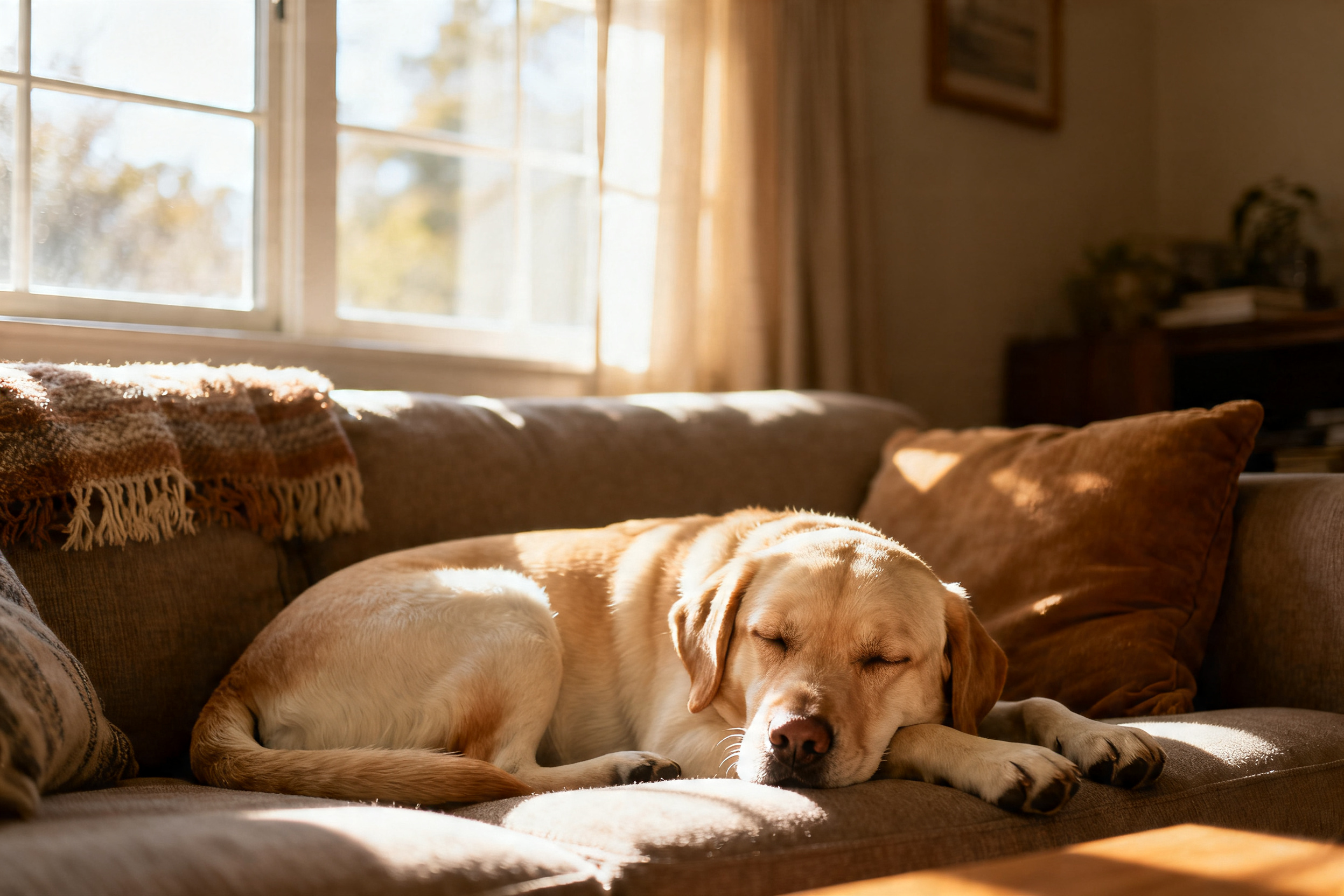
Watching your furry friend pace, pant, or tremble during a thunderstorm tugs at your heartstrings in ways few other things can. Whether it’s the crack of fireworks, the stress of separation anxiety, or unexplained restlessness that keeps you both awake at night, knowing how to calm down a dog is an essential skill every pet parent needs in 2026. While many assume anxiety stems solely from behavioral triggers or past trauma, hidden food and environmental allergies often fuel the fire—causing physical discomfort, itching, and inflammation that manifests as nervous energy and inability to settle.

In this comprehensive guide, you’ll discover immediate techniques to soothe your panicked pup within minutes, uncover the surprising connection between allergies and anxiety, and learn when natural interventions can restore your dog’s inner zen. From pressure therapy wraps to targeted nutritional support, we’ll explore evidence-based strategies that work for breeds of all sizes and temperaments. By the end, you’ll have a complete toolkit for transforming your anxious dog into a peaceful companion, regardless of what triggers their stress.

How to Calm Down a Dog Immediately: Emergency Techniques
When your dog enters panic mode—whether from a sudden car backfire or an approaching storm—you need solutions that work within seconds, not hours. These immediate interventions focus on physiological calming mechanisms that override the fight-or-flight response.
Pressure Therapy and Physical Contact
Applying gentle, consistent pressure activates the parasympathetic nervous system, releasing calming hormones. A properly fitted anxiety wrap or ThunderShirt applies this pressure around the torso, similar to swaddling an infant. If you don’t have specialized equipment, firm but gentle massage along the spine and base of the ears can trigger the same response. Maintain steady physical contact without restraining your dog; let them lean into you rather than holding them tight, which might increase panic.
Create a Safe Sanctuary
Dogs need a designated low-stimulation zone where external triggers can’t reach them. Choose an interior room without windows, preferably with sound-dampening qualities like a closet or bathroom. Add familiar scents—their favorite blanket or your worn t-shirt—and block light with blackout curtains. White noise machines or specifically designed dog calming music masks startling sounds that penetrate walls. Some dogs prefer cave-like spaces, so draping a heavy blanket over their crate creates a den environment that satisfies their ancestral need for protected spaces.
Distraction Through Mental Engagement
Redirecting your dog’s focus interrupts the anxiety spiral. High-value puzzle toys filled with frozen peanut butter or wet food engage their problem-solving instincts, flooding the brain with dopamine instead of cortisol. Lick mats spread with banana or pumpkin puree require repetitive tongue movements that naturally lower heart rate. For severe anxiety, practice “find it” games where you scatter treats around the room, encouraging nose work that engages their primary sense and grounds them in the present moment.
Understanding the Root Causes of Canine Anxiety
Before implementing long-term solutions, identifying why your dog experiences anxiety ensures you’re treating the source rather than just masking symptoms. While behavioral triggers like abandonment fears or noise phobias are obvious, physiological causes often hide beneath the surface.
Behavioral and Environmental Triggers
Separation anxiety affects approximately 20-40% of dogs referred to behavioral specialists, manifesting as destruction, vocalization, or elimination when owners leave. Traumatic experiences—abuse, accidents, or attacks—create lasting associations that generalize to similar situations. Even changes in routine, such as a family member returning to work or moving to a new home, disrupt your dog’s sense of security and predictability.
Less obvious triggers include visual stimuli like flashing lights or reflections, social anxiety around unfamiliar dogs, and sensory overload from crowded spaces. Monitoring your dog’s signs of anxiety in dogs helps identify patterns. Watch for whale eye (showing whites of eyes), excessive yawning, lip licking, or lowered body posture—these subtle signals indicate stress before full panic sets in.
The Allergy-Anxiety Connection
Emerging research in veterinary behavioral medicine reveals that chronic allergies significantly impact emotional stability. When dogs suffer from environmental or food allergies, constant itching, ear infections, or gastrointestinal distress creates a state of physical irritation that manifests as restlessness, inability to settle, and increased reactivity.
The inflammatory response triggered by allergies releases cytokines—proteins that cross the blood-brain barrier and affect mood regulation. Additionally, dogs experiencing chronic discomfort sleep poorly, leading to sleep deprivation that lowers their threshold for stress tolerance. If your dog shows dog allergy symptoms like paw licking, face rubbing, or chronic ear infections alongside anxiety, addressing the allergic component often resolves the behavioral issues simultaneously.
How to Calm Down a Dog Long-Term: Building Resilience
Sustainable calmness requires changing your dog’s emotional response to triggers and providing outlets for natural behaviors. These strategies require consistency but create lasting change.
Desensitization and Counterconditioning
This gold-standard behavioral modification technique pairs scary stimuli with good things. Start with the trigger at such a low intensity that your dog notices but doesn’t react—fireworks sounds played at volume 1, or a stranger standing 100 feet away. Deliver high-value treats or play immediately upon exposure. Gradually decrease distance or increase volume over weeks or months, never progressing faster than your dog’s comfort level allows.
The key is creating positive associations before fear activates. If your dog sees another dog and immediately receives chicken, eventually they predict good things when dogs appear. This process rewires neural pathways, replacing fear responses with anticipation of rewards.
Physical Exercise and Mental Enrichment
A tired dog is typically a calm dog, but the type of exercise matters. High-arousal activities like ball chasing or rough play can increase adrenaline levels, leaving dogs physically exhausted but mentally wired. Instead, focus on steady-state aerobic exercise—long walks at a consistent pace, swimming, or hiking—which increases serotonin and provides proprioceptive input that regulates the nervous system.
Mental exercise proves equally important for natural dog calming methods. Sniffari walks, where your dog leads and investigates scents at their leisure, provide cognitive engagement that satisfies their need to gather information about their environment. Training sessions teaching new tricks or refining obedience skills create a sense of accomplishment and strengthen your bond.
Establishing Predictable Routines
Dogs thrive on predictability because it allows them to anticipate what’s coming next, eliminating the stress of uncertainty. Maintain consistent feeding times, walk schedules, and bedtime rituals. When changes must occur, prepare your dog with gradual transitions—moving dinner time by 15 minutes daily rather than abruptly shifting by two hours.
Create pre-departure routines that signal alone time is coming but isn’t scary. Pick up keys, put on shoes, and sit quietly for five minutes before leaving, so these cues lose their predictive power for abandonment. Return greetings should remain low-key; excessive celebration upon reunion actually increases anxiety about your absence by making your presence seem like an extraordinary event rather than a normal state.
Addressing Allergy-Related Restlessness: Nutritional Support
When allergies drive anxiety, behavioral interventions alone prove insufficient. Systemic inflammation requires targeted nutritional support to break the itch-anxiety cycle and restore physical comfort.
Chronic allergic reactions deplete your dog’s natural anti-inflammatory reserves while flooding their system with histamines. This biochemical environment makes relaxation impossible, regardless of training or environmental management. Addressing gut health proves particularly crucial, as 70% of immune function resides in the digestive tract, and the gut-brain axis directly influences emotional regulation.
For dogs exhibiting allergy-induced anxiety, comprehensive immune support offers dual benefits—reducing physical symptoms while stabilizing mood. ROROCA Allergy Chews provide a scientifically formulated blend addressing both the physiological and behavioral aspects of allergic distress. These soft chews combine a 6-strain Probiotic Blend to restore gut flora balance and strengthen immune response, with Salmon Oil delivering omega-3 fatty acids that naturally reduce systemic inflammation.
The formulation includes Licorice Root Extract, which acts as a natural cortisol regulator and anti-inflammatory agent, helping break the stress-allergy feedback loop. Curcuma Longa Extract (Turmeric) provides powerful antioxidant support that soothes irritated skin and joints, while Echinacea Extract modulates immune overreactions that trigger histamine release. Together, these ingredients address the root cause of allergy-related anxiety rather than merely masking symptoms with sedatives.
Most owners report noticeable improvements in their dog’s ability to settle and sleep through the night within 3-4 weeks of consistent supplementation, as the physical discomfort subsides and inflammatory markers decrease. Always consult your veterinarian before starting new supplements, especially if your dog takes other medications.
When to Seek Professional Intervention
While most anxiety responds to home management, certain situations require veterinary or behavioral specialist expertise. If your dog’s anxiety leads to self-harm—excessive licking creating hot spots, tail chewing, or attempts to escape through windows—immediate professional help prevents injury and worsening trauma.
Sudden onset anxiety in adult dogs often indicates underlying medical issues like thyroid dysfunction, cognitive dysfunction syndrome (dog dementia), or pain from arthritis or dental disease. A complete veterinary examination including blood work rules out physiological causes before assuming purely behavioral origins.
Board-certified veterinary behaviorists possess advanced training in psychopharmacology and can determine if pharmaceutical intervention combined with behavior modification offers the best outcome. Medications like fluoxetine or trazodone don’t sedate your dog but rather normalize brain chemistry, making behavioral training possible for severe cases. These professionals also develop customized desensitization protocols for complex phobias that don’t respond to general techniques.
Frequently Asked Questions
How do I calm down a dog during fireworks if I’m not home?
Prepare a safe room before leaving by closing curtains, turning on white noise or calming music, and providing frozen stuffed Kongs that take 30-45 minutes to finish. Consider anxiety wraps or pheromone diffusers plugged in nearby. Avoid crates unless your dog naturally seeks them out, as confinement can increase panic. If possible, arrange for someone to stay with your dog during known fireworks events, as human presence provides the most significant calming effect.
Can food allergies make my dog anxious?
Yes. Food allergies cause gastrointestinal discomfort, itchy skin, and ear inflammation that create constant background stress. Dogs experiencing chronic itching or digestive upset cannot fully relax, leading to restless behavior, sleep disruption, and increased reactivity. Elimination diets or hydrolyzed protein foods under veterinary guidance can identify triggers, while immune-supporting supplements reduce inflammatory responses that affect mood.
Are calming treats safe for puppies?
Most calming treats are formulated for adult dogs and should not be given to puppies under 12 weeks. For older puppies experiencing anxiety, choose products specifically labeled for juvenile dogs and consult your veterinarian about appropriate dosing. Focus first on environmental management and positive socialization rather than supplements, as early behavioral intervention proves more effective than chemical calming during critical developmental periods.
What’s the best way to calm a hyperactive dog before grooming?
Exercise your dog 2-3 hours before the appointment—not immediately prior, as this can leave them overtired and irritable. Bring a familiar mat that smells like home to place on the grooming table. Practice handling exercises at home touching paws, ears, and muzzle while delivering treats to build positive associations. If your dog shows extreme fear, seek groomers specializing in fear-free techniques who use positive reinforcement and allow breaks rather than forceful restraint.
How long does it take for natural calming aids to work?
Acute calming aids like L-theanine or casein-based supplements typically take 30-60 minutes to reach effective blood levels, making them suitable for predictable stressors like vet visits. Long-term supplements targeting inflammation and gut health, such as those containing probiotics and omega fatty acids, require 3-6 weeks of consistent daily administration before significant behavioral changes appear as inflammation subsides and neurotransmitter balance restores.
Why does my dog calm down when I sing to him?
Your dog doesn’t necessarily appreciate your musical talent, but they respond to the rhythmic, predictable pattern of your voice. Singing typically involves slower tempo, lower pitch, and sustained tones compared to regular speech, which mimics the calming signals dogs use with each other. Additionally, your focus on them during singing reinforces your bond, and your scent and proximity provide security through familiar sensory input.
Conclusion
Mastering how to calm down a dog requires patience, observation, and a multifaceted approach tailored to your individual pet. Whether addressing immediate panic with pressure therapy and safe spaces, or implementing long-term strategies like desensitization training, consistency remains the key to success. Don’t overlook physical health—chronic allergies and inflammation often masquerade as behavioral problems, requiring nutritional support like ROROCA Allergy Chews to resolve the underlying discomfort fueling anxiety.
Remember that seeking professional help isn’t a failure but a commitment to your dog’s wellbeing. By combining immediate relief techniques, environmental management, and targeted health support, you create a foundation of security that allows your anxious dog to blossom into their calmest, happiest self. Start with one strategy today, and watch your bond deepen as your dog learns to trust that safety is always within reach.