

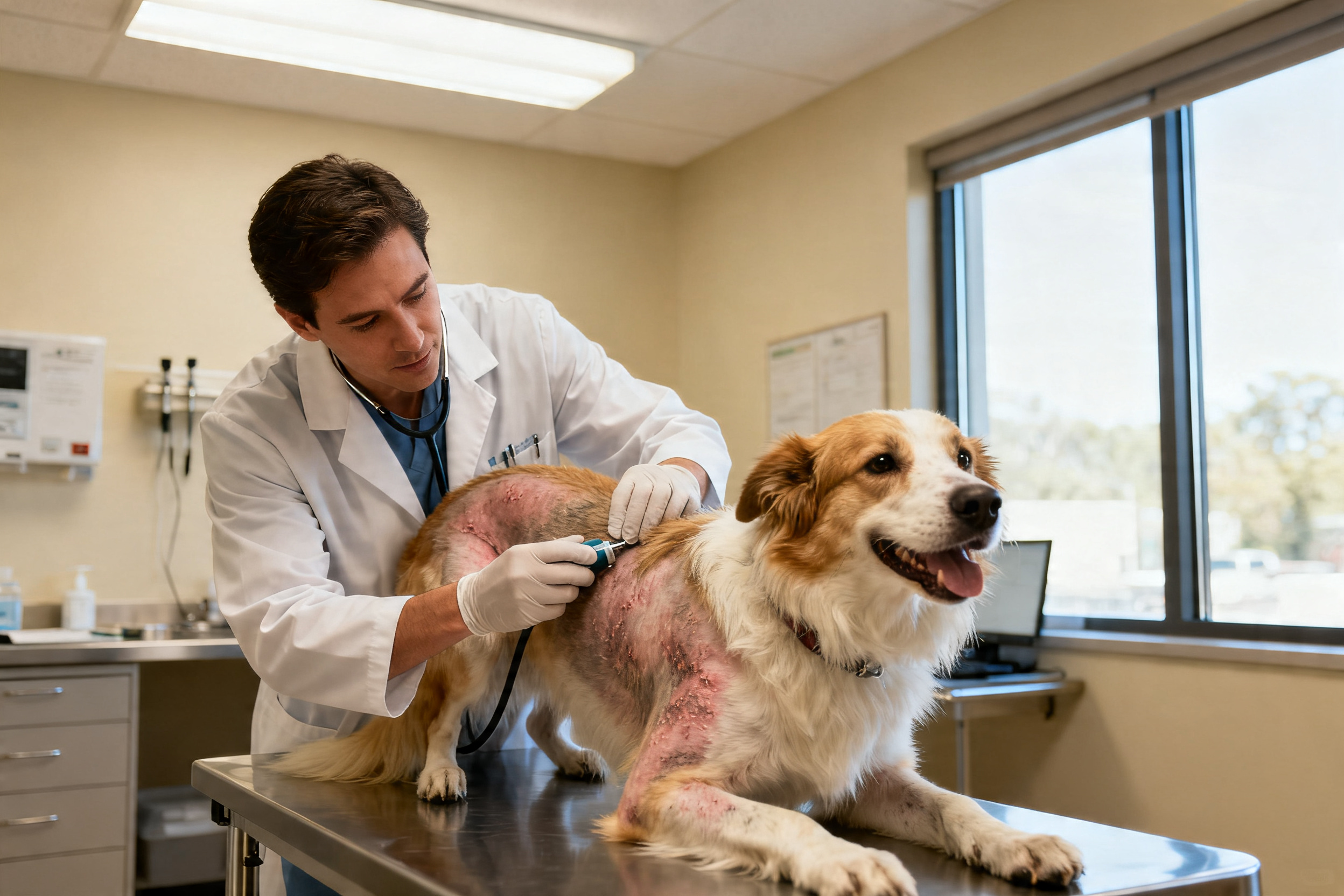
As a dog parent, watching your pup suffer through allergy season can feel heartbreaking. The constant scratching, red paws, and sleepless nights leave you searching for relief options. If you’ve found yourself wondering, can you give a dog allergy pills, you’re not alone. Millions of pet owners face this exact question every year when seasonal triggers, food sensitivities, or environmental allergens strike their furry companions.

While the short answer is yes—dogs can take certain allergy medications—navigating the world of canine antihistamines requires careful consideration. Not all human allergy pills are safe for dogs, and dosing varies dramatically between species. This comprehensive guide explores everything you need to know about giving your dog allergy relief in 2026, from over-the-counter options to natural alternatives that support long-term immune health.

Can You Give a Dog Allergy Pills? The Straight Answer
Yes, you can give a dog allergy pills, but with significant caveats. Veterinarians regularly prescribe or recommend antihistamines for dogs suffering from environmental allergies, flea allergies, and atopic dermatitis. However, the medications must be specifically selected for canine safety, and dosages differ substantially from human recommendations.
Before reaching into your medicine cabinet, understand that dogs metabolize drugs differently than humans. What provides relief for you could cause dangerous side effects for your four-legged friend. Common human allergy medications like diphenhydramine (Benadryl), cetirizine (Zyrtec), and loratadine (Claritin) are generally considered safe for dogs under veterinary guidance, but others—particularly those containing decongestants like pseudoephedrine—can be toxic.
The key to safely administering allergy pills lies in proper identification of common dog allergy symptoms, understanding the underlying cause of the reaction, and consulting with your veterinarian about appropriate medications and dosages for your dog’s specific size, breed, and health condition.
Understanding Canine Allergies Before Giving Medication
Dog allergies manifest when the immune system overreacts to harmless substances, treating them as threats. This immune response triggers histamine release, causing itching, inflammation, and discomfort. Before determining whether you can give a dog allergy pills, identifying the allergy type helps ensure you’re addressing the root cause rather than just masking symptoms.
Environmental Allergies
Pollen, mold, dust mites, and grass trigger seasonal or year-round allergic reactions. Dogs with environmental allergies often scratch excessively, chew their paws, or develop ear infections. These symptoms typically require ongoing management strategies that may include antihistamines during high-allergy seasons.
Food Sensitivities
Protein sources like chicken, beef, or dairy, along with grains, can cause immune responses manifesting as skin issues or digestive upset. While allergy pills might provide temporary relief, dietary elimination trials and hypoallergenic foods offer better long-term solutions for food-related allergies.
Flea Allergy Dermatitis
Even a single flea bite can trigger intense allergic reactions in sensitive dogs. While antihistamines may reduce itching, comprehensive flea prevention remains the primary treatment for this condition.
Can You Give a Dog Allergy Pills from Your Medicine Cabinet?
When immediate relief seems necessary, many owners wonder about over-the-counter options. Several human antihistamines are considered safe for canine use, but proper selection and dosing remain critical.
Diphenhydramine (Benadryl)
Veterinarians frequently recommend Benadryl for acute allergic reactions, including vaccine responses, insect bites, and environmental flare-ups. The standard dosage typically ranges from 1 to 2 milligrams per pound of body weight, given every 8 to 12 hours. However, always verify proper antihistamine dosage for dogs with your vet, as factors like age, liver function, and concurrent medications influence safety.
Cetirizine (Zyrtec) and Loratadine (Claritin)
These second-generation antihistamines cause less drowsiness than Benadryl and work well for chronic allergy management. Cetirizine typically requires once-daily dosing, making it convenient for busy pet parents. Again, avoid formulations containing decongestants, which can elevate heart rates and blood pressure to dangerous levels in dogs.
Medications to Never Give
Never administer allergy medications containing xylitol, a common sweetener in rapidly dissolving tablets that causes fatal hypoglycemia and liver failure in dogs. Additionally, avoid combination cold and allergy products, as these often contain ingredients toxic to canines.
Prescription Solutions for Persistent Allergies
When over-the-counter antihistamines provide insufficient relief, veterinary prescription medications offer stronger therapeutic options. These pharmaceutical interventions target specific inflammatory pathways more effectively than general antihistamines.
Apoquel (Oclacitinib) works rapidly to interrupt the itch cycle by inhibiting Janus kinase enzymes. Most dogs experience relief within hours rather than days, making it ideal for acute flare-ups. However, long-term use requires monitoring for immune suppression and increased infection risk.
Cytopoint represents a biological therapy—an injectable antibody that neutralizes itch signals for four to eight weeks per dose. This option suits dogs who resist oral medications or owners seeking low-maintenance solutions.
Corticosteroids like prednisone provide powerful anti-inflammatory effects for severe allergic reactions. While effective, steroids carry significant side effects including increased thirst, weight gain, and immune suppression, limiting their suitability for long-term management.
Natural Alternatives to Traditional Allergy Pills
For pet owners seeking to minimize pharmaceutical dependency, or as complementary support to traditional medications, natural remedies for dog allergies offer promising results. These approaches focus on modulating the immune system and reducing inflammation through nutritional and herbal interventions.
Omega-3 fatty acids from fish oil provide potent anti-inflammatory effects that reduce skin irritation and improve coat quality. Regular supplementation often decreases the frequency and severity of allergic flare-ups, potentially reducing the need for pharmaceutical intervention.
Probiotics support gut health, which directly influences immune function. A healthy microbiome helps regulate inappropriate immune responses to allergens. Supplements containing ROROCA Allergy Chews combine multiple beneficial ingredients including a Probiotic Blend (6-strain) to support digestive and immune health, alongside Salmon Oil for essential fatty acids. These chews also incorporate Licorice Root Extract, which provides natural corticosteroid-like effects without the side effects, Curcuma Longa Extract (Turmeric) for powerful anti-inflammatory support, and Echinacea Extract to bolster immune resilience.
Quercetin, often called “nature’s Benadryl,” offers natural antihistamine properties found in apples and onions. When formulated specifically for dogs, this flavonoid stabilizes mast cells and reduces histamine release, providing gentle relief for mild to moderate allergies.
How to Administer Allergy Pills to Your Dog
Successfully medicating dogs requires strategy and patience. Many dogs detect pills hidden in food and spit them out, while others resist direct administration.
The “pill pocket” method works well for cooperative dogs. Commercial pill pockets mask medication scent and taste with flavored coatings. Alternatively, hiding tablets in small amounts of cream cheese, peanut butter (xylitol-free), or canned pumpkin often tricks discerning palates.
For dogs who eat around medication, the direct method becomes necessary. Place the pill at the back of the tongue, close the mouth, and stroke the throat while keeping the nose pointed slightly upward until swallowing occurs. Following with a small treat creates positive associations.
Consistency matters for chronic allergy management. Establish specific times for medication administration, ideally coordinating with meals to reduce stomach upset. Keep a log of dosing times and symptom observations to track effectiveness and share with your veterinarian during follow-up appointments.
When to Skip the Pills and Call Your Vet Immediately
While exploring whether you can give a dog allergy pills, recognize emergency situations requiring immediate veterinary attention rather than home treatment. Severe allergic reactions (anaphylaxis) present as difficulty breathing, facial swelling, collapse, or vomiting shortly after exposure to allergens or insect stings. These situations demand emergency veterinary intervention with epinephrine and IV fluids.
Additionally, if your dog exhibits lethargy, loss of appetite, or behavioral changes after starting new allergy medications, discontinue use and consult your veterinarian. These signs may indicate adverse drug reactions requiring alternative treatment strategies.
Chronic allergies that don’t respond to over-the-counter antihistamines within 48 hours warrant professional evaluation. Underlying conditions like skin infections, mange, or hormonal imbalances often mimic allergic reactions but require completely different treatments.
Frequently Asked Questions
Can I give my dog Benadryl every day for allergies?
While many dogs tolerate daily Benadryl for extended periods, long-term daily use should be supervised by a veterinarian. Chronic antihistamine use can mask progressive conditions or interact with other medications. For daily management, newer prescription options or natural supplements like ROROCA Allergy Chews often provide safer long-term solutions.
How quickly do allergy pills work in dogs?
Antihistamines like Benadryl typically begin working within 30 minutes to an hour, with effects lasting 8 to 12 hours. Prescription options like Apoquel work within 4 hours, while Cytopoint injections provide relief within 24 hours that lasts weeks. Natural supplements generally require 2 to 4 weeks of consistent use before showing full benefits.
Can puppies take allergy pills?
Most veterinarians recommend avoiding antihistamines in puppies under 12 weeks unless specifically directed. Young puppies have different metabolic rates and sensitivities. Always consult your vet before giving any medication to puppies, as dosing differs significantly from adult dogs and some medications affect developing systems.
What are the side effects of allergy medication in dogs?
Common side effects include drowsiness (particularly with first-generation antihistamines), dry mouth, and occasional digestive upset. Rare but serious reactions include hyperexcitability, rapid heart rate, or urinary retention. Discontinue medication and contact your vet if you observe tremors, seizures, or difficulty breathing.
Are there breeds that shouldn’t take allergy pills?
Herding breeds with the MDR1 gene mutation (including Collies, Australian Shepherds, and related breeds) may react adversely to certain medications. While standard antihistamines are generally safe, always inform your veterinarian of your dog’s breed when discussing new medications, as genetic sensitivities influence drug selection.
Can allergy pills cure my dog’s allergies?
No, allergy pills manage symptoms but don’t cure underlying allergies. True resolution requires identifying and eliminating triggers through allergy testing, immunotherapy (allergy shots), or dietary changes. Pills provide comfort while you work with your veterinarian to develop comprehensive long-term management strategies.
Conclusion
So, can you give a dog allergy pills? Absolutely—but doing so responsibly requires understanding which medications are safe, appropriate dosages, and when professional guidance becomes necessary. While over-the-counter antihistamines offer accessible relief for mild symptoms, they’re just one tool in comprehensive allergy management.
Consider integrating ROROCA Allergy Chews into your dog’s wellness routine for ongoing immune support, combining the power of probiotics, salmon oil, and botanical extracts like turmeric and licorice root. Whether you choose pharmaceutical interventions, natural alternatives, or a combination approach, always prioritize your dog’s safety by consulting with your veterinarian before starting new treatments. With proper care and the right management strategy, your itchy pup can find lasting relief and return to the happy, comfortable companion you love.