

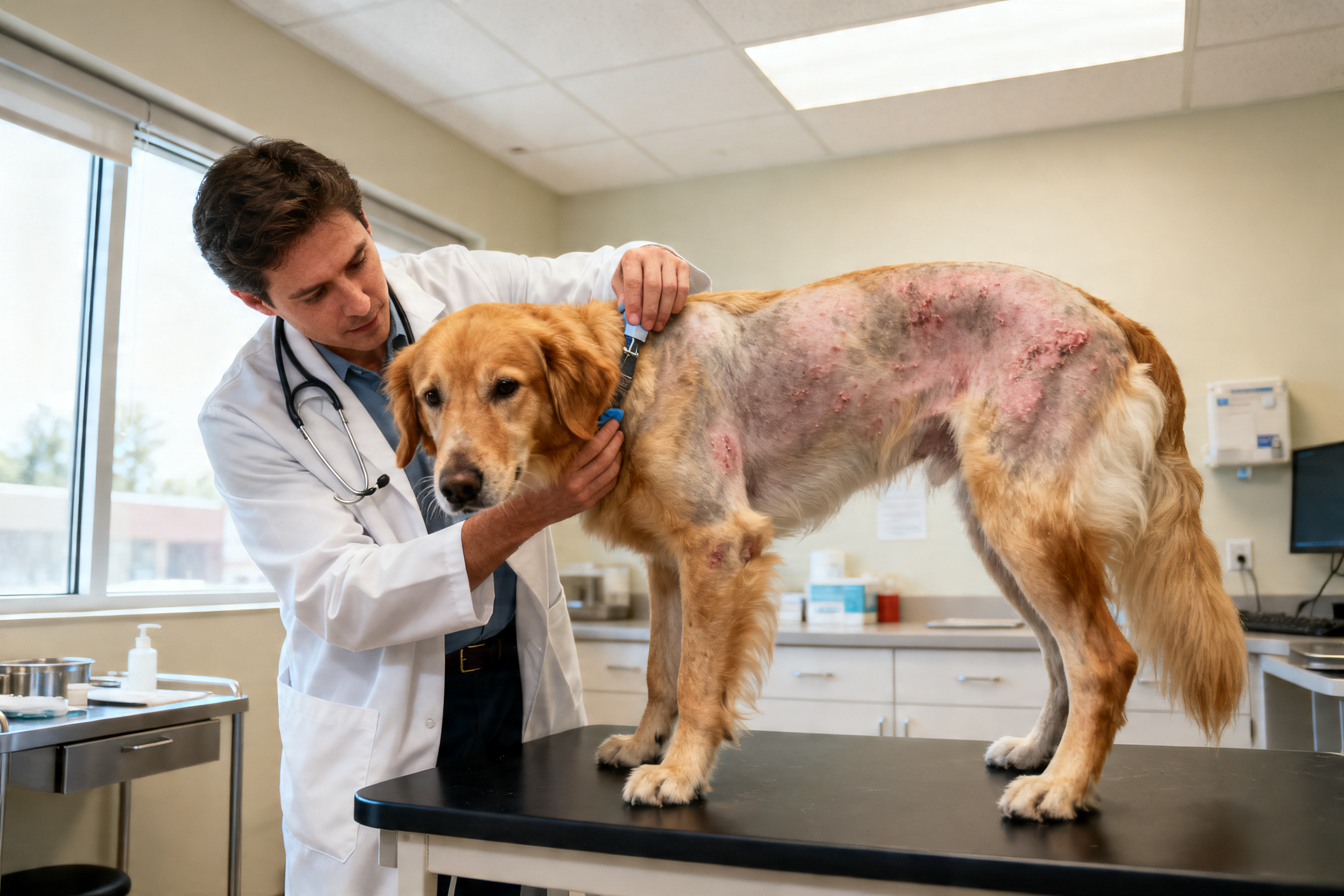
As a dog parent, watching your pup suffer relentless itching, red paws, or watery eyes is heartbreaking. You want immediate relief for your furry family member, and your medicine cabinet seems like the quickest solution. But before you reach for that bottle of Benadryl, you need to know: can you give dogs allergy pills safely, or could you accidentally make things worse?

The short answer is yes—some human allergy medications are safe for dogs—but the devil is in the details. The wrong pill, dosage, or inactive ingredient can turn a helpful remedy into a veterinary emergency. In this comprehensive guide, we’ll explore which allergy pills are canine-approved, which ones are toxic, and how to support your dog’s immune system naturally without the drowsy side effects of traditional antihistamines.

Can You Give Dogs Allergy Pills? What Veterinarians Actually Recommend
Veterinarians confirm that certain human antihistamines can help manage mild to moderate allergic reactions in dogs, but they emphasize that “human-safe” doesn’t automatically mean “dog-safe.” The decision depends on your dog’s weight, age, existing health conditions, and the specific formulation of the medication.
Most veterinary professionals approach canine allergies with a tiered treatment strategy. For acute flare-ups or seasonal itching, over-the-counter antihistamines like diphenhydramine (Benadryl) or cetirizine (Zyrtec) may provide temporary relief. However, these medications only mask symptoms rather than addressing the underlying immune response. For chronic allergies, your vet might recommend prescription medications like Apoquel or Cytopoint, which target specific itch pathways without the sedating effects of antihistamines.
Crucially, never administer allergy pills to pregnant dogs, puppies under 12 weeks, or dogs with glaucoma, heart conditions, or high blood pressure without explicit veterinary approval. These populations metabolize drugs differently, and standard dosages can cause severe complications.
The Hidden Dangers in Your Medicine Cabinet
When pet owners ask “can you give dogs allergy pills,” they often don’t realize that the danger frequently lies not in the active antihistamine ingredient, but in the additional compounds manufacturers include for human convenience.
Many allergy medications contain pseudoephedrine or phenylephrine—decongestants that are highly toxic to dogs even in small amounts. A single tablet of certain “D” (decongestant) formulations can elevate a dog’s heart rate to dangerous levels, causing hyperactivity, seizures, or death. Similarly, pain-relief additives like acetaminophen (found in some allergy-sinus combinations) destroy canine liver cells and damage red blood cells.
Even sugar-free formulations pose risks. Xylitol, a common artificial sweetener in chewable human medications, triggers insulin release in dogs that can lead to life-threatening hypoglycemia within 30 minutes of ingestion. Always verify that any allergy pill contains only the pure antihistamine ingredient, with no colorful coatings, flavorings, or combination drugs.
Comparing Allergy Relief Options for Canines
Understanding the differences between available treatments helps you make informed decisions about your dog’s care. Here’s how the three main categories compare:
| Treatment Type | Examples | Onset of Relief | Best For | Key Considerations |
|---|---|---|---|---|
| OTC Human Antihistamines | Benadryl, Zyrtec, Claritin | 30-60 minutes | Mild seasonal allergies, acute reactions | Drowsiness common; avoid combination formulas |
| Prescription Veterinary | Apoquel, Cytopoint, Prednisone | 4-24 hours | Chronic atopic dermatitis, severe itching | Requires vet monitoring; potential side effects with long-term steroid use |
| Natural Supplements | Omega fatty acids, probiotics, herbal blends | 2-4 weeks (builds over time) | Maintenance, immune support, prevention | No sedation; supports skin barrier and immune balance |
While OTC pills offer quick relief, they often leave dogs lethargic and require multiple daily doses. Prescription options provide stronger itch control but involve regular vet visits and higher costs. Natural supplements work differently—they don’t block histamine receptors immediately but instead modulate the immune system’s overreaction to allergens, potentially reducing the need for pharmaceuticals long-term.
Step-by-Step: Safely Administering Human Antihistamines
If your veterinarian approves the use of human allergy pills for your dog, precision matters. Follow these steps to ensure safety:
- Verify the ingredient. Check that the product contains only diphenhydramine, cetirizine, or loratadine. Confirm the absence of decongestants, pain relievers, or xylitol by reading every line of the inactive ingredients list.
- Calculate weight-based dosage. Standard veterinary guidelines suggest 1 mg of diphenhydramine per pound of body weight, given 2-3 times daily. For cetirizine, the typical dose is 0.5 mg per pound once daily. Always round down rather than up, and use a proper milligram scale rather than estimating with pill fragments.
- Administer with food. While not always required, giving allergy pills with a small meal reduces stomach upset and improves absorption. Never hide medication in foods toxic to dogs, such as grapes, raisins, or macadamia nuts.
- Monitor for adverse reactions. Watch your dog for 2-4 hours after the first dose. Warning signs include excessive sedation, hyperexcitability, vomiting, or difficulty breathing. If any occur, contact your veterinarian immediately.
- Limit duration. Human allergy pills are intended for short-term management (3-5 days). If your dog requires longer treatment, consult your vet about safer long-term solutions or prescription dog allergy treatments designed for chronic use.
When Allergy Pills Won’t Solve the Problem
Sometimes, asking “can you give dogs allergy pills” is the wrong question entirely. Antihistamines only block histamine release—they don’t address food allergies, flea allergies, or contact dermatitis. If your dog exhibits common dog allergy symptoms like chronic ear infections, gastrointestinal upset, or hair loss alongside itching, the culprit might be dietary rather than environmental.
Additionally, certain skin conditions mimic allergies but require entirely different treatments. Mites, fungal infections, and hormonal imbalances present with similar scratching and redness. Masking these symptoms with allergy pills delays proper diagnosis and allows the underlying condition to worsen.
Seek immediate veterinary care if your dog shows facial swelling, hives with difficulty breathing, or if the itching causes open wounds or secondary infections. These scenarios require emergency intervention beyond what over-the-counter pills can provide.
Beyond Pills: Supporting Your Dog’s Immune System Naturally
For pet owners seeking alternatives to pharmaceuticals—or looking to reduce their dog’s dependence on daily pills—modern veterinary science supports several natural approaches that address allergies at the immune level rather than just suppressing symptoms.
Dietary interventions often provide the most significant long-term improvement. High-quality omega-3 fatty acids from marine sources reduce skin inflammation and strengthen the skin barrier against allergen penetration. Probiotic supplementation helps regulate the gut-immune axis, as 70% of the immune system resides in the digestive tract. A balanced gut microbiome produces fewer inflammatory cytokines that trigger allergic responses.
For comprehensive immune support, consider formulations specifically designed for canine allergy management. ROROCA Allergy Chews combine a 6-strain Probiotic Blend with Salmon Oil for omega fatty acids, creating a foundation for gut and skin health. These chews also incorporate traditional herbal wisdom with Licorice Root Extract (which mimics cortisol’s anti-inflammatory effects naturally), Curcuma Longa Extract (Turmeric) for its potent antioxidant properties, and Echinacea Extract to modulate immune response without overstimulation.
Unlike pharmaceutical antihistamines that cause drowsiness and require precise timing, these natural ingredients work cumulatively to reduce your dog’s hypersensitivity to environmental triggers. Many pet owners find that combining short-term antihistamine use during peak allergy season with daily immune support allows them to use fewer pills while maintaining their dog’s comfort.
Frequently Asked Questions
Can you give dogs allergy pills every day?
While some dogs tolerate daily antihistamines for extended periods, this practice requires veterinary supervision. Long-term use of human allergy pills can mask progressive conditions and may cause liver stress. For chronic daily management, prescription veterinary medications or natural immune-supporting supplements like those containing turmeric and probiotics are safer alternatives.
How quickly do allergy pills work in dogs?
Human antihistamines typically begin reducing itching within 30-60 minutes, with peak effectiveness around 2-4 hours. However, dogs metabolize these drugs faster than humans, which is why veterinarians often recommend dosing 2-3 times daily rather than once. If you don’t see improvement within 24 hours, the specific allergen may not be histamine-mediated, and different treatments are needed.
Can puppies take allergy medication?
Puppies under 12 weeks should not receive human allergy pills unless directed by a veterinarian. Their immature liver and kidney functions cannot efficiently process medications designed for adult humans. For young dogs with allergies, focus on environmental control, hypoallergenic diets, and gentle natural supports like omega fatty acids until they reach appropriate age for pharmaceutical intervention.
What should I do if my dog ate too many allergy pills?
Contact your veterinarian or pet poison control immediately. Do not attempt to induce vomiting unless specifically instructed. Bring the medication packaging to identify the exact ingredients and strength. Symptoms of overdose include extreme sedation, agitation, rapid heartbeat, tremors, or seizures—any of these constitute a medical emergency.
Are certain dog breeds more sensitive to allergy medications?
Yes. Brachycephalic breeds (Bulldogs, Pugs, Boxers) are more prone to respiratory depression from sedating antihistamines. Herding breeds with the MDR1 gene mutation (Collies, Australian Shepherds) may react strongly to various medications. Always inform your veterinarian of your dog’s breed when discussing natural allergy relief for dogs versus pharmaceutical options.
Can allergy pills cure my dog’s allergies?
No. Allergy pills only manage symptoms temporarily. True cure requires identifying and eliminating the allergen trigger—whether that’s switching to hypoallergenic dog food, implementing flea control, or removing environmental irritants. Immunotherapy (allergy shots) is the only treatment that potentially desensitizes dogs to specific allergens permanently, though it requires months to years of commitment.
Conclusion
So, can you give dogs allergy pills? Yes—but with careful consideration of ingredients, dosages, and your individual dog’s health status. Human antihistamines serve as useful tools for occasional relief, but they represent only one piece of the allergy management puzzle. The most successful approach combines immediate symptom relief with long-term immune support, environmental modifications, and regular veterinary guidance.
Before reaching for your medicine cabinet, consider whether your dog might benefit from building resilience against allergens rather than just masking reactions. Products like ROROCA Allergy Chews offer a foundation for that resilience through their blend of probiotics, salmon oil, and botanical extracts like licorice root and turmeric. Whatever path you choose, your vigilance and informed decision-making remain your dog’s best defense against the discomfort of allergies. Always consult your veterinarian before starting any new medication regimen, and here’s to happier, itch-free days ahead for your four-legged companion.