

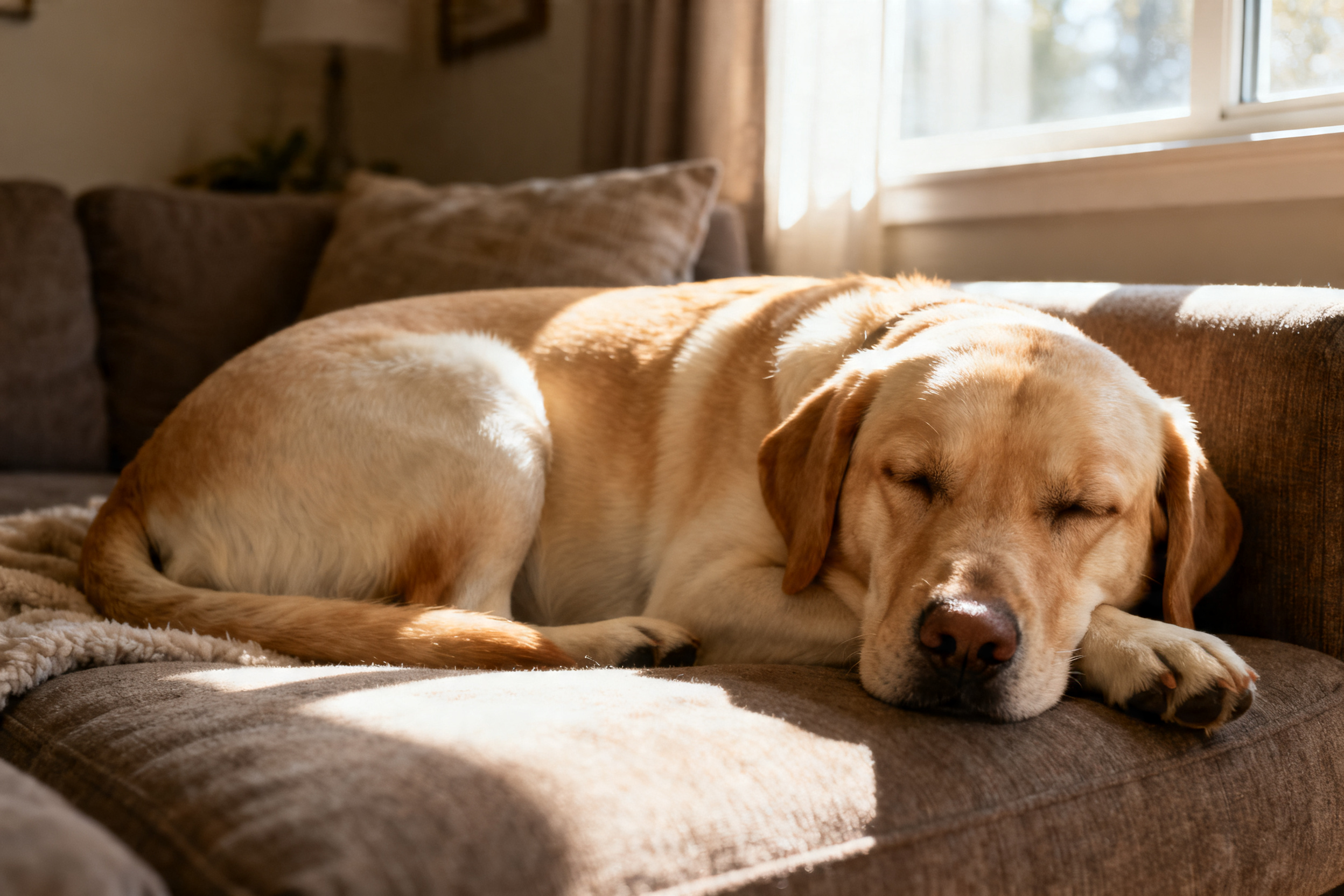
When Max started lifting his leg on every piece of furniture and attempting to scale the fence at 6 AM every morning, his owner Jake thought neutering would be the magic switch to transform his hyperactive Labrador into a gentle companion. If you’re wondering do dogs calm down after being neutered, you’re not alone—this is one of the most common questions veterinarians hear from exhausted pet parents hoping for a more peaceful household.

The truth isn’t as straightforward as many hope. While neutering (castration) can reduce certain hormone-driven behaviors, it isn’t a universal sedative for canine energy. In this comprehensive 2026 guide, we’ll explore what actually happens to your dog’s behavior after the procedure, realistic timelines for changes, and why some dogs remain excitable despite the surgery. We’ll also uncover the surprising connection between physical discomfort—like allergies—and your dog’s ability to truly relax.

The Science Behind Neutering and Behavior
Neutering involves the surgical removal of the testicles, which eliminates the primary source of testosterone in male dogs. Testosterone drives many reproductive behaviors, but it doesn’t solely control energy levels or personality.
What Testosterone Actually Controls
Testosterone influences specific instinctual behaviors including roaming in search of mates, urine marking to establish territory, mounting behaviors, and some forms of aggression toward other males. When you remove this hormone source, these particular drives typically diminish over time. However, testosterone isn’t responsible for general excitability, playfulness, or intelligence—those traits remain intact.
The Hormonal Adjustment Period
After surgery, testosterone levels don’t drop overnight. Residual hormones can circulate for weeks or even months. Most veterinarians agree that you won’t see the full behavioral effects of neutering until approximately six weeks to three months post-surgery. During this transition, your dog may actually seem confused or temporarily more anxious as his body adjusts.
Do Dogs Calm Down After Being Neutered? The Timeline
If you’re expecting an immediate transformation when your dog comes home from the vet, you’ll likely be disappointed. Understanding the recovery phases helps set realistic expectations.
Immediate Post-Operative Period (Days 1-14)
During the first two weeks, your dog will actually appear calmer—but this is due to anesthesia recovery and surgical discomfort, not behavioral change. Most vets recommend restricted activity during healing, which creates an artificial sense of tranquility. Don’t mistake this temporary lethargy for permanent personality changes.
The Adjustment Phase (Weeks 3-6)
As healing completes and activity restrictions lift, many owners report their dog seems “back to normal”—sometimes even more energetic from pent-up energy during recovery. This is when disappointment often sets in. If you’re asking do dogs calm down after being neutered during this phase, the answer might seem like no.
Long-Term Behavioral Settling (Months 3-6)
By the three-month mark, hormone levels have typically stabilized. You may notice reduced interest in escaping the yard, less intense marking behavior, and decreased mounting. However, general energy levels, enthusiasm for walks, and playfulness usually remain unchanged.
Behaviors That Change vs. Those That Don’t
It’s crucial to distinguish between hormone-driven behaviors and learned habits or personality traits. Neutering affects only the former.
| Behaviors Often Reduced | Behaviors Unaffected |
|---|---|
| Urine marking indoors | General playfulness |
| Roaming/escaping tendencies | Separation anxiety |
| Mounting other dogs/objects | Fear-based aggression |
| Inter-male aggression | Herding instincts |
| Prostate-related health issues | Retrieve drive |
When Dogs Don’t Calm Down: The Hidden Allergy Connection
Here’s what many pet owners miss: if your dog continues displaying restless, anxious, or hyperactive behavior months after neutering, the culprit might not be hormones at all. Chronic discomfort from common dog allergy symptoms can prevent any dog from settling down.
How Allergies Mimic Hyperactivity
Dogs suffering from environmental or food allergies experience constant itching, skin irritation, and digestive discomfort. This physical distress often manifests as:
- Inability to settle or relax
- Excessive pacing or spinning
- Sleep disturbances
- Persistent scratching that interrupts rest
- Anxiety-like behaviors from chronic discomfort
If you’ve had your dog neutered but he still can’t seem to relax, examining potential allergy triggers is essential. Addressing the root cause of physical discomfort often produces the calm demeanor that neutering alone couldn’t achieve.
Supporting Your Dog’s Comfort Naturally
For dogs dealing with allergy-related restlessness, ROROCA Allergy Chews offer a natural solution that complements behavioral training. These veterinarian-formulated soft chews contain a powerful blend of ingredients designed to soothe allergic reactions and promote overall comfort:
- Probiotic Blend (6-strain): Supports gut health and immune balance, crucial for managing allergic responses
- Salmon Oil: Rich in omega-3 fatty acids to reduce skin inflammation and promote a healthy coat
- Licorice Root Extract: Natural anti-inflammatory properties that soothe irritated skin
- Curcuma Longa Extract (Turmeric): Powerful antioxidant that reduces systemic inflammation
- Echinacea Extract: Supports immune system regulation and histamine response
By addressing the physical irritation that keeps dogs restless, these chews help create the foundation for calm behavior—whether your dog is newly neutered or has been fixed for years.
Breed-Specific Considerations
Your dog’s genetic makeup plays a significant role in whether neutering produces noticeable calming effects. Working breeds like Border Collies, Australian Shepherds, and Belgian Malinois were bred for high energy and mental stimulation. For these dogs, neutering rarely reduces their drive—they need jobs and training regardless of hormonal status.
Conversely, breeds prone to testosterone-driven dominance displays, such as some terriers or guarding breeds, often show more noticeable behavior improvements after neutering.
Age Matters: Timing and Behavioral Impact
The age at which you neuter affects behavioral outcomes. Dogs neutered before sexual maturity (typically before 6 months) never develop certain hormone-driven habits, making it seem like they “calmed down” naturally. However, early neutering may actually increase anxiety and noise phobias in some breeds according to recent veterinary behavioral studies.
Dogs neutered after maturity may take longer to show behavioral changes, as they’ve already established habitual patterns. Older dogs neutered for behavioral reasons may require additional training support alongside the hormonal changes.
Training: The Real Key to Calm Behavior
Whether or not neutering reduces specific behaviors, natural remedies for dog anxiety and consistent training remain essential. Neutering is not a substitute for:
- Daily physical exercise appropriate to the breed
- Mental stimulation through puzzle toys and training
- Positive reinforcement for calm behaviors
- Consistent boundaries and routine
Dogs need guidance to learn what “calm” means. Without training, even a hormonally balanced dog won’t understand household expectations.
Frequently Asked Questions
How long after neutering does a dog calm down?
Most behavioral changes appear between 6 weeks and 3 months post-surgery as residual testosterone clears the system. However, “calming down” refers specifically to the reduction of hormone-driven behaviors like roaming and marking, not overall energy levels.
Will neutering stop my dog from being hyperactive?
Neutering typically doesn’t reduce general hyperactivity or playfulness. If your dog is naturally high-energy, he will remain so after surgery. Exercise, mental stimulation, and training are necessary to manage true hyperactivity.
Do male dogs change personality after being neutered?
Core personality traits remain unchanged. Your dog won’t become a “different dog” or lose his affectionate nature. Some owners report subtle increases in food motivation, but temperament generally stays consistent.
Why is my dog more aggressive after neutering?
Short-term aggression can occur due to post-surgical pain or confusion. Long-term increases in fear-based aggression have been documented in some studies, particularly with early neutering. Consult a veterinary behaviorist if aggression persists beyond the healing period.
Can allergies prevent my dog from calming down after surgery?
Absolutely. Chronic itching and discomfort from allergies create physical restlessness that mimics hyperactivity. If your neutered dog still can’t settle, examine for allergy symptoms like paw licking, ear scratching, or red skin. Addressing allergies often produces the calm behavior owners seek.
Is it too late to neuter my 3-year-old dog for behavioral benefits?
It’s never too late to see some behavioral benefits, though established habits may require longer to change. Older dogs may experience slower hormonal shifts, and learned behaviors need consistent retraining alongside the physical changes.
What percentage of dogs calm down after neutering?
Studies suggest approximately 60-70% of owners report some reduction in specific unwanted behaviors like marking and roaming. However, general activity levels remain unchanged in most dogs. Success depends heavily on breed, age, and individual temperament.
Conclusion
So, do dogs calm down after being neutered? The nuanced answer is that they often become less driven by reproductive hormones, but they don’t become sedentary. Roaming, marking, and mounting typically decrease, but your dog will still need exercise, training, and mental engagement to be a peaceful companion.
If months have passed since your dog’s surgery and he still seems unable to relax, consider whether allergies or physical discomfort might be preventing true calmness. Supporting your dog’s physical comfort with solutions like ROROCA Allergy Chews—packed with Salmon Oil, Turmeric, and a 6-strain Probiotic Blend—can address the hidden discomfort that keeps dogs restless. Combined with patience and consistent training, you’ll help your neutered dog become the calm, happy companion you’ve been hoping for.
Always consult with your veterinarian before making decisions about neutering, especially if you’re considering the procedure primarily for behavioral reasons. For persistent anxiety or restlessness, a veterinary behaviorist can provide targeted support beyond hormonal solutions.