

When you notice your Labrador scratching behind his ears for the third time before you’ve even finished your morning coffee, that nagging worry starts to set in. Is this normal grooming behavior, or is something more serious happening beneath that glossy coat? If you’re wondering how to know if my dog has allergies, you’re not alone—and you’re asking the right question at the right time.

Dog allergies are among the most common reasons pet parents visit veterinarians, yet they remain one of the most misunderstood conditions in canine health. Unlike humans who typically sneeze and sniffle, dogs manifest allergies primarily through their skin and digestive systems. This comprehensive guide will walk you through the subtle (and not-so-subtle) indicators that your furry friend might be suffering from allergic reactions, the different types of allergies affecting dogs in 2026, and the concrete steps you can take to help them find relief.

How to Know If My Dog Has Allergies: Recognizing the Physical Symptoms
Before you can help your pup, you need to become fluent in reading their body language. Dogs can’t tell us when they feel itchy or nauseous, but their behavior and physical appearance speak volumes. The signs of allergies often develop gradually, making them easy to dismiss in the early stages.
Persistent Itching and Skin Irritation
The most obvious indicator that you need to investigate signs your dog has allergies is excessive scratching. While all dogs scratch occasionally, allergic dogs engage in persistent, almost frantic itching that doesn’t resolve with regular grooming. Look for your dog rubbing their face against furniture, obsessively licking their paws, or scratching their ears until the skin becomes raw.
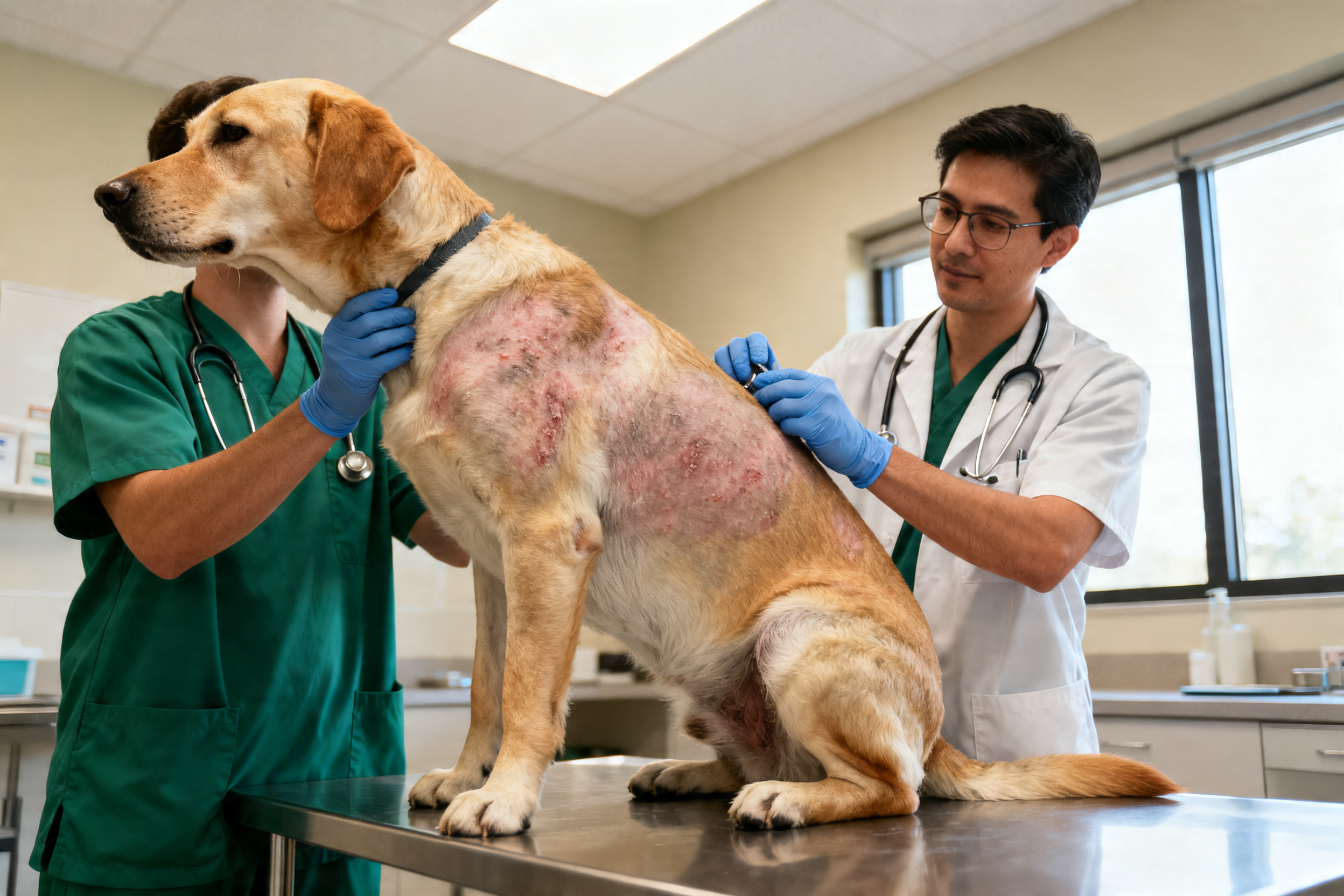
Examine your dog’s skin closely, especially in areas with less fur. Allergic reactions often present as red, inflamed patches, particularly on the belly, groin, armpits, and between the toes. You might notice small red bumps resembling mosquito bites, or areas where the skin has thickened and darkened from chronic irritation—a condition called lichenification.
Ear Infections and Head Shaking
Chronic ear problems are frequently the first visible sign of underlying allergies. If your dog is shaking their head frequently, holding one ear lower than the other, or producing excessive dark brown or yellow discharge from the ear canal, allergic inflammation is likely the culprit. These infections often recur every few weeks or months, creating a frustrating cycle for both you and your pet.
Digestive Distress and Appetite Changes
Not all allergic reactions appear on the skin. Food allergies and sensitivities typically manifest through the gastrointestinal tract. Watch for chronic loose stools, vomiting unrelated to dietary indiscretion, or excessive gas. Some dogs develop sudden food aversions or appear hungry but reluctant to eat, possibly associating mealtime with subsequent nausea.
Pay attention to the quality of your dog’s stool. Allergic dogs often produce soft, poorly formed feces with a particularly foul odor. You might also notice mucus or a greasy coating, indicating that the digestive system is struggling to process certain proteins or ingredients.
Understanding the Different Types of Dog Allergies
Once you’ve identified that your dog is experiencing allergic symptoms, understanding the source becomes crucial for effective treatment. Different allergens require different management strategies, and what works for a pollen allergy won’t help a food sensitivity.
Environmental Allergens (Atopic Dermatitis)
Environmental allergies, also called atopic dermatitis, affect approximately 10-15% of dogs. These reactions occur when your dog’s immune system overreacts to substances like pollen, mold spores, dust mites, or grass. Seasonal patterns often emerge—your dog might be perfectly comfortable in winter but miserable during spring and fall when pollen counts rise.
Dogs with environmental allergies typically show symptoms between six months and three years of age. The itching usually starts in specific areas: the feet (from walking on grass), the groin (from contact with floors), and the face (from sniffing plants and dust). Unlike food allergies, environmental triggers rarely cause digestive symptoms.
Food Sensitivities and Protein Allergies
True food allergies involve an immune response to specific proteins, most commonly beef, dairy, chicken, wheat, lamb, soy, eggs, and corn. However, many dogs actually suffer from food intolerances—digestive difficulties without immune involvement—rather than true allergies. Both conditions require dietary management, but the distinction matters for long-term prognosis.
Identifying food allergies in dogs requires patience, as symptoms often develop gradually over months or years of eating the same diet. Unlike environmental allergies that may be seasonal, food-related symptoms persist year-round and often include both skin and gastrointestinal issues simultaneously.
Flea Allergy Dermatitis
Even if you never spot a flea on your dog, a single bite can trigger an explosive allergic reaction in sensitive animals. Flea allergy dermatitis (FAD) causes intense itching, typically concentrated at the base of the tail, inner thighs, and lower back. Dogs with FAD often chew at their hindquarters until the hair is missing and the skin is bleeding.
The telltale sign of FAD is the distribution pattern—hair loss and scabbing specifically over the rump and tail base, sometimes extending down the back legs. Even indoor dogs can develop FAD if fleas hitchhike inside on clothing or other pets.
Contact Allergies
The least common but most immediate type of allergy occurs when your dog’s skin touches an irritating substance. Cleaning products, specific fabrics, lawn chemicals, or even certain types of grass can trigger localized reactions. These allergies appear suddenly after exposure and affect only the areas that contacted the allergen, such as the stomach (from lying on treated carpet) or feet (from walking on sprayed lawns).
How to Know If My Dog Has Allergies vs. Other Skin Conditions
Not every itchy dog has allergies. Bacterial infections, fungal conditions like ringworm, mange mites, and hormonal imbalances can mimic allergic symptoms. Misdiagnosis leads to ineffective treatment and prolonged suffering, so distinguishing between these conditions is essential.
Allergic itching tends to be bilateral and symmetrical—affecting both ears, both front paws, or both sides of the body equally. Infections often start in one location and spread. Mite infestations typically cause hair loss in specific patterns, while allergies cause more generalized thinning from scratching and licking.
Secondary infections complicate the picture. Allergic skin is damaged skin, and damaged skin invites bacterial and yeast overgrowth. If your dog’s skin smells musty or yeasty, or if you see pustules resembling pimples, secondary infection has developed atop the underlying allergy. These infections require antibiotic treatment, but without addressing the root allergic cause, the cycle will repeat.
The Diagnostic Process: Working With Your Veterinarian
While home observation provides valuable clues, definitive diagnosis requires professional evaluation. Your veterinarian will likely recommend starting with ruling out non-allergic conditions through skin scrapings to check for mites, fungal cultures for ringworm, and blood work to assess thyroid and adrenal function.
For food allergies, the gold standard remains the elimination diet trial. This involves feeding your dog a diet containing proteins and carbohydrates they’ve never consumed before—often exotic meats like kangaroo or venison combined with sweet potato—for eight to twelve weeks. During this period, no other foods, treats, or flavored medications can be given. If symptoms resolve and return upon reintroducing the original diet, food allergy is confirmed.
Environmental allergies are diagnosed through intradermal skin testing (injecting small amounts of common allergens into the skin to observe reactions) or blood tests measuring allergen-specific antibodies. These tests help identify specific triggers for immunotherapy (allergy shots), though they work best when combined with the pet’s clinical history rather than used alone.
Immediate Relief and Long-Term Management Strategies
Once you understand how to know if my dog has allergies, the focus shifts to management. Complete cure is rarely possible, but control is absolutely achievable with the right combination of therapies.
For immediate relief, medicated shampoos containing oatmeal, aloe vera, or hydrocortisone can soothe inflamed skin and temporarily reduce itching. Cool water baths remove allergens from the coat and provide instant comfort. However, these are temporary measures rather than solutions.
Long-term management often requires a multi-modal approach. For environmental allergies, wiping your dog’s paws and belly after outdoor excursions reduces allergen load. Air purifiers minimize indoor dust mites and pollen. Regular bathing with hypoallergenic shampoos keeps the skin barrier healthy.
Supporting your dog’s immune system from the inside out plays a crucial role in managing allergic responses. ROROCA Allergy Chews offer a comprehensive approach to immune support, combining a six-strain Probiotic Blend to promote gut health (where 70% of the immune system resides), Salmon Oil for anti-inflammatory omega-3 fatty acids, and botanical extracts including Licorice Root Extract, Curcuma Longa Extract (Turmeric), and Echinacea Extract. These ingredients work synergistically to help modulate the immune system’s overreactions while soothing irritated tissues naturally.
For dogs with confirmed food allergies, strict dietary management becomes a lifestyle. Hydrolyzed protein diets, where the protein molecules are broken down too small to trigger immune reactions, offer a safe alternative when elimination diets prove too difficult to maintain.
When to Seek Emergency Veterinary Care
While most allergic reactions are uncomfortable rather than immediately dangerous, certain symptoms demand urgent attention. Facial swelling, especially around the eyes and muzzle, can indicate anaphylaxis—a life-threatening systemic reaction typically caused by insect stings or vaccine responses. Difficulty breathing, collapse, or widespread hives accompanied by vomiting require immediate emergency intervention.
Less dramatically, but still urgently, secondary skin infections that produce pus, fever, or severe lethargy need prompt antibiotic treatment. Dogs who scratch themselves raw risk deep bacterial infections that can become systemic if left untreated.
Chronic allergies that suddenly worsen also warrant immediate reassessment. What appears to be a routine flare-up might actually represent a new developing condition, or the original diagnosis might need revision as new information emerges.
Frequently Asked Questions
What’s the difference between normal itching and allergy-related itching?
Normal itching is brief and situational—scratching after removing a collar or when waking up. Allergy-related itching is persistent, obsessive, and often leads to self-trauma. If your dog scratches for more than a few minutes at a time, develops bald spots, or scratches until the skin bleeds, allergies are the likely culprit.
Can dogs suddenly develop allergies to food they’ve eaten for years?
Yes. Food allergies develop through prolonged exposure rather than immediate sensitivity. A dog can eat chicken-based food for three years without issue, then suddenly develop an immune response to the protein. This is why sudden onset of symptoms in an adult dog shouldn’t rule out food allergy as a possibility.
Are certain dog breeds more prone to allergies?
While any dog can develop allergies, certain breeds show higher predispositions. Golden Retrievers, Labrador Retrievers, Bulldogs, West Highland White Terriers, and German Shepherds frequently suffer from atopic dermatitis. However, mixed-breed dogs are not immune—the genetic component matters, but environmental factors play equally significant roles.
How can I tell if my dog’s symptoms are from food or environmental allergies?
Environmental allergies often show seasonal patterns or flare after outdoor activities, while food allergies cause year-round symptoms. Food allergies more commonly involve both digestive issues (gas, loose stools) and skin problems, whereas environmental allergies primarily affect the skin and ears. The only definitive way to distinguish them is through an elimination diet trial.
Can I do an allergy test at home?
While several companies sell at-home allergy test kits using hair or saliva samples, veterinary dermatologists generally regard these as unreliable. False positives are common, leading to unnecessary dietary restrictions. Intradermal skin testing performed by a veterinary dermatologist remains the most accurate method for environmental allergies, while elimination diets are the only reliable test for food allergies.
Do dog allergies get worse with age?
Untreated allergies typically worsen over time as the immune system becomes increasingly sensitized. What starts as mild springtime itching can progress to year-round discomfort without intervention. Additionally, chronic inflammation damages the skin barrier, making secondary infections more likely and creating a cycle of escalating symptoms.
Can changing my dog’s diet cure their environmental allergies?
No, but proper nutrition can significantly reduce the severity of symptoms. While diet cannot change whether pollen makes your dog itch, anti-inflammatory foods and supplements like those found in natural remedies for dog allergies can decrease the intensity of the immune response and improve skin barrier function, making your dog more resilient against environmental triggers.
Conclusion
Learning how to know if my dog has allergies requires careful observation, patience, and often professional guidance. The journey from noticing that first extra scratch to finding a management plan that works involves detective work and commitment, but the reward—a comfortable, happy dog free from constant irritation—is worth every effort.
Remember that allergies are a marathon, not a sprint. What works for one dog may not work for another, and effective management often requires combining multiple strategies: environmental control, dietary optimization, immune support through quality supplements like ROROCA Allergy Chews, and veterinary-prescribed medications when necessary. By staying attuned to your dog’s symptoms and working closely with your veterinarian, you can help your allergic dog live a full, comfortable life despite their sensitive immune system.