

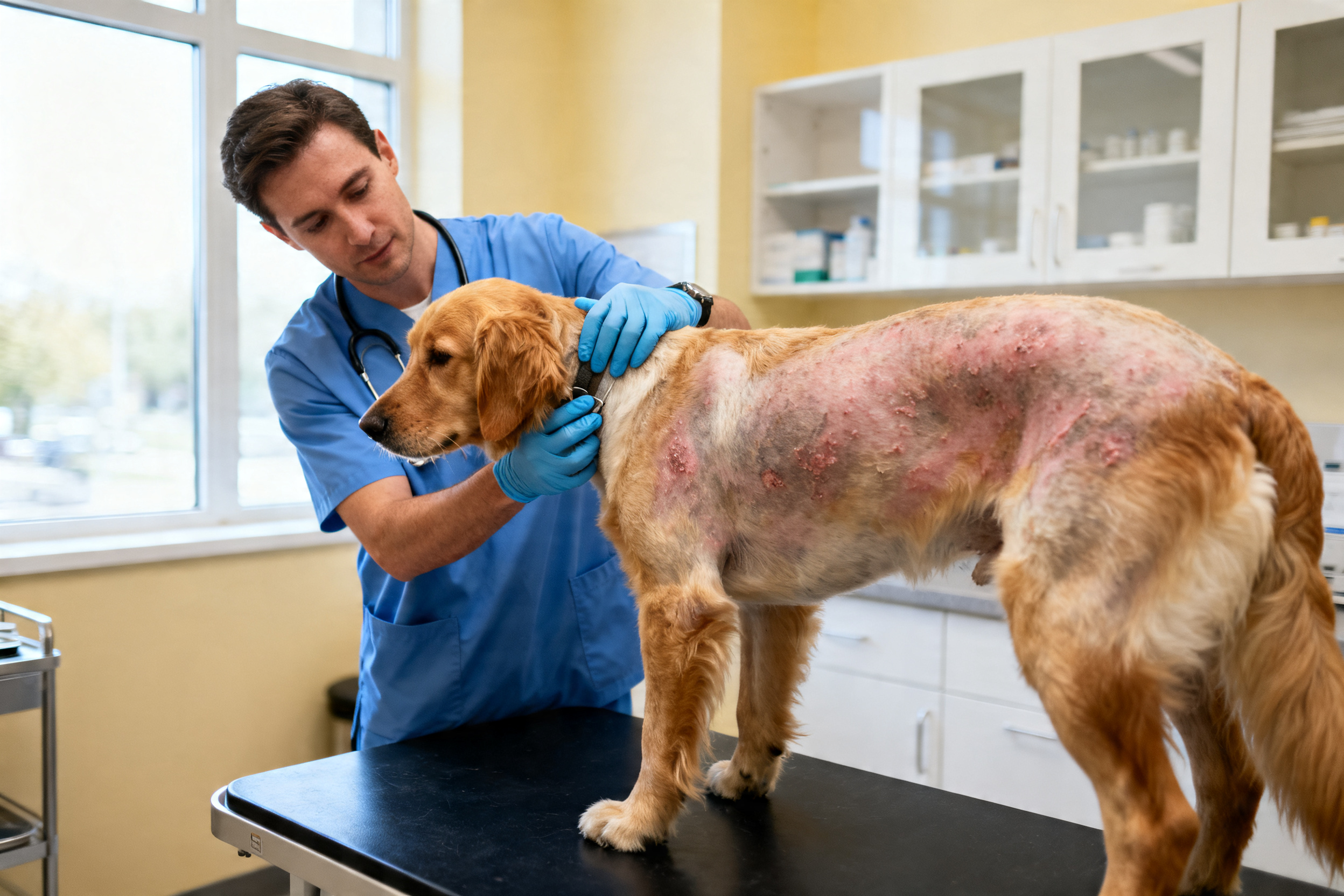
When Max started scratching relentlessly at 2 AM last spring, his owner Sarah assumed it was just dry skin. But when the scratching continued for weeks—accompanied by red paws and watery eyes—she realized something else was happening. After a veterinary visit, Sarah learned the truth: her golden retriever was suffering from seasonal allergies, just like millions of other dogs across the country.
If you’ve noticed your dog scratching more during specific times of the year, you might be asking the same question that brought you here: can dogs get seasonal allergies? The answer is a definitive yes. Canine atopic dermatitis, commonly known as seasonal allergies, affects dogs of all breeds and ages, causing discomfort that ranges from mild irritation to severe skin infections.
In this comprehensive guide, we’ll explore everything you need to know about seasonal allergies in dogs—from identifying symptoms and understanding triggers to finding effective relief for your furry friend.
The Definitive Answer: Yes, Dogs Can Get Seasonal Allergies
Just like humans, dogs can develop hypersensitivities to environmental allergens that appear during specific seasons. While humans typically react with sneezing and runny noses, dogs primarily experience skin-related symptoms. When a dog inhales or contacts allergens like pollen, mold spores, or grass, their immune system overreacts, releasing histamines that cause inflammation and itching.
Unlike food allergies, which remain constant year-round, seasonal allergies in dogs flare up during particular months—typically spring, summer, and fall—depending on what environmental triggers are present in your region. Understanding this distinction is crucial for proper diagnosis and treatment.

What Triggers Seasonal Allergies in Dogs?
Environmental allergens vary by season and geographic location, but several common culprits consistently trigger allergic reactions in sensitive dogs.
Spring Allergens
Tree pollen represents the primary spring threat, with oak, cedar, birch, and ash trees releasing massive amounts of microscopic particles into the air. Grass pollen begins appearing in late spring, compounding the problem for sensitive dogs who love rolling in the yard.
Summer Irritants
Grass pollen peaks during summer months, while mold spores thrive in warm, humid conditions. Dust mites also proliferate during this season, particularly in homes without adequate air conditioning or dehumidification.
Fall Challenges
Ragweed and other weed pollens dominate the autumn landscape. Additionally, fallen leaves create perfect breeding grounds for mold and fungi, exposing dogs to higher concentrations of spores during walks and outdoor play.
Indoor Winter Allergens
While true seasonal allergies often subside in winter, some dogs react to indoor allergens like dust mites and mold that accumulate when homes are sealed tight against cold weather. This can create a year-round cycle of discomfort for highly sensitive animals.

Recognizing the Signs Your Dog Has Seasonal Allergies
Identifying seasonal allergies requires careful observation of your dog’s behavior and physical condition. Unlike humans who sneeze and cough, dogs primarily manifest allergies through their skin and coat.
Primary Symptoms to Watch For
Intense itching represents the hallmark symptom of canine seasonal allergies. You might notice your dog scratching excessively, rubbing against furniture, or dragging their body across carpeted floors. This itching often concentrates in specific areas: the paws, ears, groin, and underbelly.
Red, inflamed skin frequently accompanies the scratching. Look for hot spots—localized areas of moist, infected skin that develop from persistent licking and chewing. These painful lesions require immediate veterinary attention to prevent bacterial infections.
Secondary Indicators
Chronic ear infections often plague dogs with seasonal allergies. If your dog shakes their head frequently or produces dark, waxy debris from their ears, allergies might be the underlying cause. Similarly, watery eyes and reverse sneezing (a honking sound caused by throat irritation) indicate upper respiratory involvement.
Paw chewing deserves special attention. Many dogs with seasonal allergies obsessively lick their feet, staining the fur reddish-brown from saliva enzymes. This behavior not only signals discomfort but can lead to secondary yeast infections between the toes.
Can Dogs Get Seasonal Allergies at Any Age?
While puppies can technically develop allergies, most dogs first show symptoms between six months and three years of age. However, dogs of any age can suddenly develop sensitivities to environmental allergens, even if they’ve previously tolerated pollen seasons without issues.
Senior dogs sometimes experience worsening allergy symptoms as their immune systems age and become less efficient at regulating inflammatory responses. Additionally, dogs with compromised immune systems—whether from illness, medication, or stress—may exhibit heightened reactions to seasonal triggers.
Diagnosing Seasonal vs. Food Allergies
Distinguishing between environmental and food allergies proves challenging because symptoms often overlap. However, several key differences help veterinarians make accurate diagnoses.
| Characteristic | Seasonal Allergies | Food Allergies |
|---|---|---|
| Timing | Fluctuates with seasons | Consistent year-round |
| Primary symptoms | Itching, ear infections, red skin | Gastrointestinal upset, chronic itching |
| Age of onset | Usually 6 months to 3 years | Can develop at any age |
| Response to medication | Responds to antihistamines/steroids | Requires dietary changes |
Veterinarians typically diagnose seasonal allergies through intradermal skin testing or blood tests that measure allergen-specific antibodies. These tests identify specific environmental triggers, allowing for targeted treatment approaches including immunotherapy.
Effective Treatment Options for Dog Skin Allergies
Managing seasonal allergies requires a multi-pronged approach that addresses immediate symptoms while supporting long-term immune health.
Veterinary Interventions
For acute flare-ups, veterinarians often prescribe corticosteroids or Apoquel (oclacitinib) to quickly reduce inflammation and itching. While effective short-term, these medications carry risks with prolonged use, including immune suppression and liver stress.
Cytopoint injections offer another veterinary option—a biological medication that neutralizes the specific proteins triggering itch signals. These injections typically provide relief for four to eight weeks, making them ideal for seasonal management.
Natural Support with ROROCA Allergy Chews
For dog owners seeking natural allergy relief for dogs, dietary supplements provide effective support without the side effects of pharmaceuticals. ROROCA Allergy Chews represent a comprehensive solution formulated specifically for canine immune support.
These veterinarian-formulated soft chews combine six powerful ingredients to address allergies at their source:
- Probiotic Blend (6-strain): Supports gut health, where approximately 70% of the immune system resides. A balanced microbiome helps regulate inappropriate immune responses to environmental allergens.
- Salmon Oil: Rich in omega-3 fatty acids (EPA and DHA) that reduce systemic inflammation and support skin barrier function, helping prevent allergen penetration.
- Licorice Root Extract: Provides natural corticosteroid-like effects to soothe irritated skin without suppressing the immune system.
- Curcuma Longa Extract (Turmeric): Contains curcumin, a potent anti-inflammatory compound that reduces histamine release and oxidative stress.
- Echinacea Extract: Modulates immune function, helping the body respond appropriately to allergens rather than overreacting.
Unlike antihistamines that merely mask symptoms, ROROCA Allergy Chews support the immune system and skin health from within, making them ideal for long-term seasonal allergy management.
Environmental Management
Reducing allergen exposure complements medical treatment. Wipe your dog’s paws and coat with damp cloths after outdoor excursions to remove pollen. Bathe dogs weekly using hypoallergenic shampoos to wash away accumulated allergens without drying the skin. High-efficiency air purifiers (HEPA) remove airborne particles from your home, while frequent washing of bedding eliminates dust mites and pollen accumulation.
Prevention Strategies for 2026 and Beyond
While you cannot cure seasonal allergies, proactive management minimizes your dog’s discomfort during high-pollen seasons.
Start Early
Begin preventative measures two to four weeks before your region’s typical allergy season. Starting ROROCA Allergy Chews or other immune-supporting supplements before pollen counts rise helps prime your dog’s system to handle allergen exposure more effectively.
Monitor Pollen Counts
Schedule outdoor activities during times when pollen counts are lowest—typically early morning or late evening. Avoid walking through fields of flowering grasses or weeds, and keep lawns mowed short to prevent seed head formation.
Support Skin Barrier Health
Healthy skin serves as the first line of defense against allergens. Regular grooming removes irritants while distributing natural oils. Consider adding omega fatty acid supplements to your dog’s diet year-round to maintain skin integrity.
Frequently Asked Questions
What months are worst for dogs with seasonal allergies?
The most challenging months vary by region but generally include March through June (tree and grass pollen) and August through October (ragweed and mold). Southern climates may experience year-round issues due to longer growing seasons, while northern areas typically see winter relief.
Can I give my dog Benadryl for seasonal allergies?
While some veterinarians recommend diphenhydramine (Benadryl) for mild allergy symptoms, it proves ineffective for approximately 30% of dogs and causes sedation. Dosage must be carefully calculated based on weight (typically 1mg per pound), and dogs with certain health conditions should avoid it. Always consult your veterinarian before administering human medications.
Are certain dog breeds more prone to seasonal allergies?
Yes, several breeds show genetic predispositions to atopic dermatitis, including Golden Retrievers, Labrador Retrievers, Bulldogs, Boxers, West Highland White Terriers, and German Shepherds. However, any dog—mixed breeds included—can develop seasonal allergies.
How do allergy shots work for dogs?
Allergen-specific immunotherapy (ASIT) involves injecting small amounts of identified allergens to gradually desensitize the immune system. This treatment, which requires several months to show benefits, helps approximately 70-75% of allergic dogs and represents the only treatment that modifies the immune response rather than just treating symptoms.
Can seasonal allergies cause permanent damage?
Untreated seasonal allergies can lead to chronic skin changes, including hyperpigmentation (darkening) and lichenification (thickening). Persistent ear infections may damage the ear canal or eardrum. Additionally, constant scratching creates opportunities for bacterial and yeast infections that require antibiotic treatment. Early intervention prevents these complications.
Should I change my dog’s diet during allergy season?
While food doesn’t cause seasonal allergies, dietary support helps manage symptoms. Consider switching to a limited-ingredient diet during peak allergy months to reduce overall immune system burden. Ensure the diet contains adequate omega-3 fatty acids and consider adding probiotic supplements like those found in ROROCA Allergy Chews to support gut-mediated immunity.
How quickly do allergy supplements start working?
Natural supplements typically require 4-6 weeks to show full benefits as they work systemically to modulate immune function rather than suppressing symptoms immediately. For best results during allergy season, start supplementation before symptoms appear and maintain consistent daily dosing.
When to See Your Veterinarian
While mild seasonal allergies respond well to home management, certain situations require professional intervention. Schedule a veterinary appointment if your dog develops open sores or hot spots, experiences ear discharge or odor, shows signs of respiratory distress, or if over-the-counter treatments fail to provide relief after two weeks.
Puppies under six months showing allergy-like symptoms should always be evaluated by a veterinarian, as other conditions—including mange and ringworm—can mimic allergic dermatitis.