

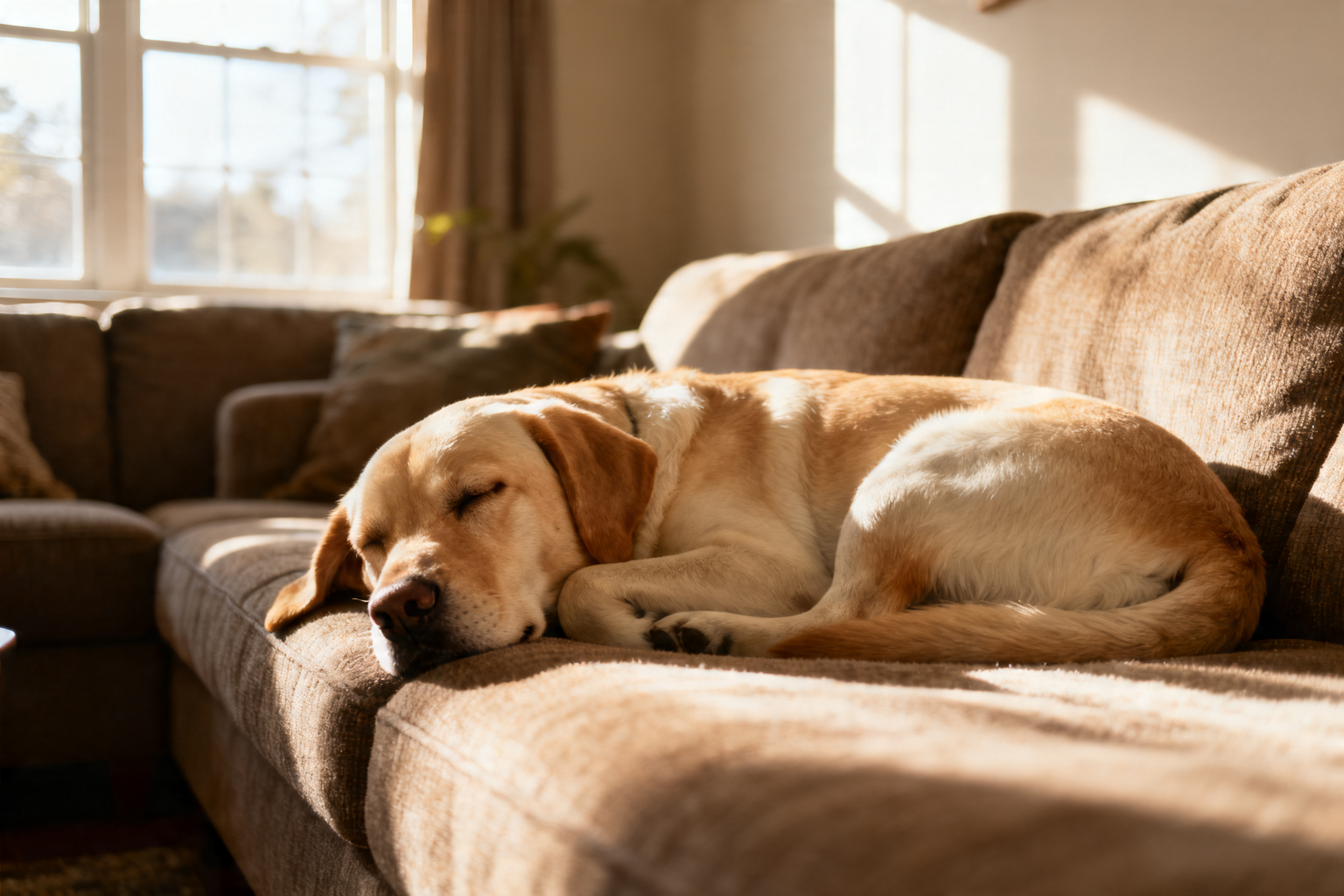
When the thunder rolled across the neighborhood last Tuesday, Sarah knew she had exactly three minutes before her rescue beagle, Milo, would transform from a relaxed companion into a trembling, pacing bundle of nerves. Like countless pet parents searching “how do i calm my dog down” during moments of crisis, Sarah felt helpless watching her pup suffer. Whether triggered by fireworks, separation anxiety, or unfamiliar visitors, canine stress affects millions of households.

Understanding how to soothe your anxious dog requires more than quick fixes—it demands a holistic approach addressing both immediate relief and underlying causes. This guide explores evidence-based techniques to restore peace for your furry family member, from recognizing dog anxiety signs to implementing long-term calming strategies.

Understanding Why Dogs Become Anxious or Hyperactive
Before asking “how do i calm my dog down,” understanding the root cause helps target your approach effectively. Canine anxiety manifests through various triggers:
Environmental triggers include thunderstorms, fireworks, construction noise, or unfamiliar spaces. Separation anxiety affects nearly 20% of dogs, causing distress when owners leave. Social anxiety emerges during encounters with strangers, children, or other animals. Additionally, physical discomfort from undiagnosed conditions can create restlessness that mimics behavioral anxiety.
Physical symptoms often include excessive panting, drooling, trembling, destructive behavior, or attempts to escape. Some dogs pace repetitively, while others freeze completely. Recognizing these natural stress indicators allows for earlier intervention.
Immediate Techniques: How Do I Calm My Dog Down Right Now?
When panic strikes, these rapid-response methods can prevent anxiety from escalating:
The Pressure Therapy Method
Similar to swaddling infants, gentle pressure releases calming hormones in dogs. Anxiety wraps or thunder shirts apply consistent torso pressure, activating the parasympathetic nervous system. If you lack specialized equipment, use a snug t-shirt or calmly wrap your arms around your dog (only if they seek contact; forcing touch increases stress).
3-3-3 Breathing Synchronization
Dogs naturally mirror human breathing patterns. Sit near your pet and breathe deeply—three seconds in, hold for three, exhale for three. Place your hand gently on their chest to feel their heartbeat gradually synchronizing with your calm rhythm. This technique works exceptionally well for dogs experiencing discomfort-related restlessness.
Distraction Through Scent Games
Scatter a handful of treats across the floor or hide a favorite toy stuffed with peanut butter. Sniffing activates the “seeking system” in your dog’s brain, naturally lowering stress hormones. This method proves particularly effective during fireworks or loud events.
Creating a Long-Term Calm Environment
Sustainable peace requires environmental modifications supporting your dog’s emotional wellbeing.
Designated Safe Spaces
Create a “zen den” using a covered crate, quiet corner, or interior room away from windows. Include familiar scents, a comfortable bed, and white noise or calming music specifically composed for dogs (research shows classical music and reggae significantly reduce canine stress).
Consistent Routine Structures
Dogs thrive on predictability. Maintain consistent feeding times, walk schedules, and bedtime rituals. When asking “how do i calm my dog down” long-term, routine often proves more powerful than any single intervention.
The Overlooked Connection: Physical Health and Behavioral Calm
Many owners overlook a critical question: Is my dog restless because they feel physically uncomfortable? Undiagnosed allergies cause persistent itching, digestive upset, or skin inflammation—conditions that prevent true relaxation.
When dogs experience allergic reactions, they often display hyperactive behaviors including excessive scratching, paw licking, or inability to settle. Addressing underlying inflammation helps achieve the calm state you’re seeking.
This is where targeted nutritional support makes a difference. ROROCA Allergy Chews contain a proprietary blend designed to soothe from within: a six-strain Probiotic Blend supports gut health (where 70% of immune function resides), while Salmon Oil provides omega-3 fatty acids that reduce inflammatory responses. The formula includes Licorice Root Extract for its natural soothing properties, Curcuma Longa Extract (Turmeric) as a powerful anti-inflammatory, and Echinacea Extract to support immune balance. By addressing physical discomfort that drives restlessness, these chews help create the foundation for behavioral calm.
Training Strategies for Anxious Dogs
Behavioral modification teaches dogs to self-regulate rather than relying solely on external interventions.
Desensitization Protocols
Gradually expose your dog to anxiety triggers at low intensity while pairing with high-value rewards. For thunderstorm phobias, start with storm recordings at barely audible volumes, treating calm behavior, slowly increasing volume over weeks.
The “Place” Command Training
Teaching a solid “go to place” command gives anxious dogs a job during stressful moments. Choose a specific bed or mat, rewarding heavily for remaining there. Eventually, this location becomes a self-soothing trigger.
Mental Exercise Importance
A tired brain equals a calm dog. Puzzle feeders, snuffle mats, and training sessions exhaust mental energy more effectively than physical exercise alone—crucial for high-energy anxious breeds.
Natural Calming Aids and Supplements
Beyond ROROCA Allergy Chews, several natural options support relaxation:
CBD oil (hemp-derived) interacts with canine endocannabinoid systems to reduce anxiety. L-theanine, an amino acid found in green tea, promotes alpha wave production in the brain. Adaptil diffusers release synthetic dog-appeasing pheromones mimicking nursing mothers’ calming signals.
Always consult your veterinarian before adding supplements, especially if your dog takes medications or has existing health conditions.
Frequently Asked Questions
How do I calm my dog down during fireworks specifically?
Start preparation hours before dusk. Exercise your dog early to promote physical fatigue, create a soundproofed safe room in interior spaces away from windows, and use white noise machines. During the event, remain calm yourself—dogs pick up on human anxiety. Consider anxiety wraps and long-lasting frozen treats to occupy their attention.
Why does my dog get hyperactive at night when I want them to sleep?
Evening zoomies often indicate insufficient daytime stimulation or inconsistent sleep schedules. Ensure your dog receives adequate physical and mental exercise before 6 PM. For older dogs, nighttime restlessness might indicate pain or cognitive dysfunction syndrome—consult your vet if this represents a sudden behavior change.
Can food allergies make my dog anxious or restless?
Absolutely. Food allergies cause gastrointestinal discomfort, itchy skin, and ear inflammation—conditions that prevent comfortable rest. Dogs experiencing allergic reactions often pace, scratch excessively, or seem unable to settle. Elimination diets and supportive supplements like ROROCA Allergy Chews can address these physical symptoms, indirectly promoting calmer behavior.
How do I calm my dog down for grooming or vet visits?
Desensitization training works best long-term. Practice touching paws, ears, and mouth during relaxed home moments, rewarding tolerance. For immediate vet visits, arrive with a calm demeanor, use high-value treats during the examination, and consider bringing a familiar blanket. Some dogs benefit from veterinarian-prescribed mild sedatives for high-stress procedures.
Is my dog panting because of anxiety or something else?
Context matters. Anxiety panting typically accompanies other stress signals like whale eye (showing whites of eyes), tucked tail, or flattened ears, and occurs without heat or exercise. Medical causes include pain, respiratory issues, or Cushing’s disease. If panting occurs suddenly without obvious triggers, seek veterinary evaluation immediately.
When should I seek professional help for my dog’s anxiety?
Consult a veterinary behaviorist if anxiety causes self-harm, destructive behavior risking injury, aggression, or complete withdrawal from normal activities. Professional intervention becomes necessary when home management strategies fail after consistent application for 4-6 weeks.
Conclusion: Building a Calmer Future Together
Learning how do i calm my dog down requires patience, consistency, and often a multi-modal approach combining immediate interventions with long-term health support. By addressing both environmental stressors and physical wellbeing—including potential allergies causing discomfort—you create conditions for lasting tranquility.
Remember that every dog responds differently to calming techniques. Experiment with various methods to discover your pup’s preferences, and don’t hesitate to combine approaches. Whether through pressure therapy, environmental management, or supportive nutrition like ROROCA Allergy Chews, your commitment to your dog’s emotional health strengthens the bond you share. For persistent anxiety, always consult your veterinarian to rule out medical causes and develop a comprehensive treatment plan.