

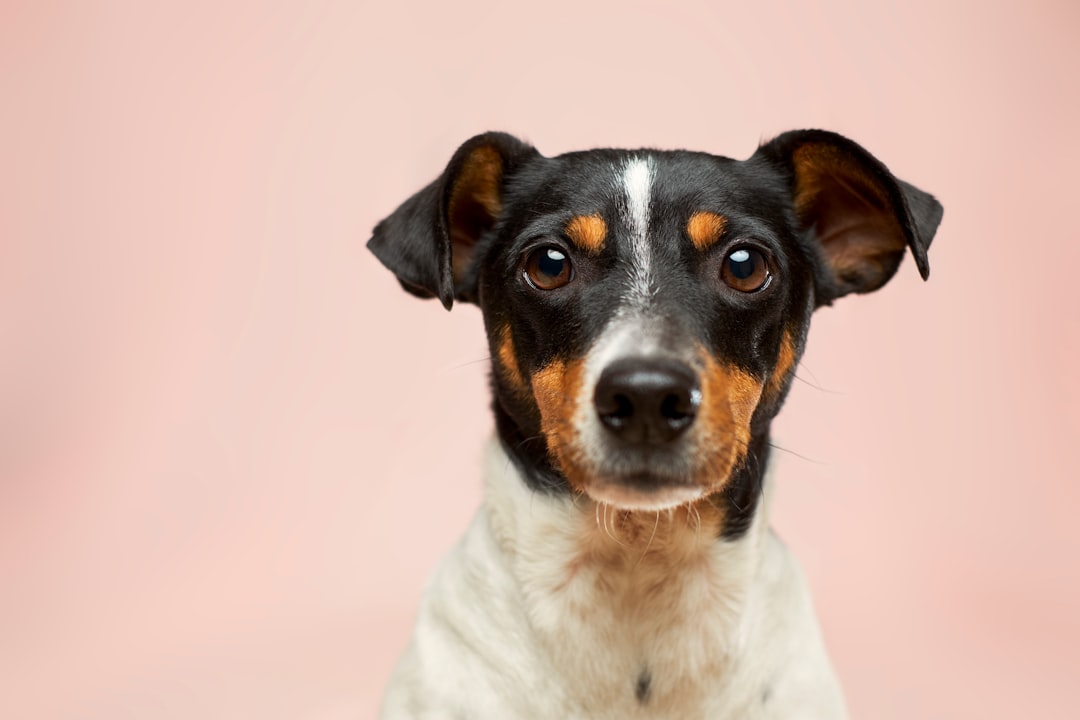
When Max first heard thunder rolling across the valley, he didn’t just hide—he clawed at the drywall until his paws bled. His owner, Sarah, tried everything from thunder shirts to classical music, but nothing seemed to touch the primal fear that took over her usually playful Golden Retriever. If you’re searching for how to calm dog anxiety, you’re not alone. According to veterinary behaviorists, anxiety disorders affect nearly 72% of dogs at some point in their lives, manifesting as everything from destructive chewing to incessant pacing.
This comprehensive 2026 guide covers evidence-based techniques to soothe your anxious pup, from immediate interventions during panic attacks to long-term management strategies that address the root causes of canine stress. Whether your dog suffers from separation anxiety, noise phobias, or generalized nervousness, you’ll find actionable solutions to help your best friend feel safe again.
Understanding the Science Behind Canine Anxiety
Before implementing calming techniques, it’s crucial to understand what’s happening in your dog’s body during anxious episodes. When a dog perceives a threat—real or imagined—their hypothalamic-pituitary-adrenal (HPA) axis activates, flooding their bloodstream with cortisol and adrenaline. This “fight or flight” response served their wild ancestors well but creates debilitating stress in modern household environments.
The Gut-Brain Connection in Anxious Dogs
Recent veterinary research has revealed a fascinating link between digestive health and emotional regulation. The gut microbiome produces approximately 90% of the body’s serotonin, a neurotransmitter critical for mood stabilization. Dogs with chronic inflammation or food sensitivities often display heightened anxiety symptoms due to this gut-brain axis disruption.
This connection explains why addressing recognizing early signs of anxiety in dogs requires looking beyond behavioral symptoms to overall physical health. Inflammatory conditions, including allergies, can trigger systemic stress responses that manifest as nervous behaviors.
Common Triggers and Anxiety Types
Canine anxiety typically falls into four categories:
Separation Anxiety: Affects dogs who panic when left alone, often causing house soiling, vocalization, and destructive behavior targeted at exit points like doors and windows.
Noise Phobia: Intense fear responses to thunderstorms, fireworks, or construction sounds. These dogs may tremble, pant heavily, or attempt to escape.
Social Anxiety: Fear of unfamiliar people, animals, or environments, resulting in hiding, submissive urination, or defensive aggression.
Generalized Anxiety Disorder: Chronic low-grade stress without specific triggers, often appearing as hypervigilance, excessive licking, or inability to settle.

Immediate Techniques: How to Calm Dog Anxiety During an Episode
When your dog enters a panic state, immediate intervention prevents the anxiety from escalating and helps them return to baseline faster. These techniques work best when practiced regularly during calm periods, creating conditioned relaxation responses.
Create a Sanctuary Space
Designate a specific area as your dog’s “safe zone”—typically an interior room with minimal windows, insulated from external noise. Equip this space with familiar scents, such as worn t-shirts carrying your smell, and use white noise machines or calming music specifically composed for canines (frequencies around 50-60 Hz). During storms or fireworks, guide your dog to this sanctuary rather than forcing them, as restraint often amplifies panic.
Physical Pressure and Touch Therapy
Deep pressure stimulation activates the parasympathetic nervous system, naturally lowering heart rate and cortisol levels. While thunder shirts work well for many dogs, you can achieve similar effects by wrapping your dog firmly (but not restrictively) in a blanket or applying gentle, consistent pressure along their sides. Slow, rhythmic massage from neck to tail base releases tension in the muscles where stress manifests physically.
Distraction and Counter-Conditioning
During low-to-moderate anxiety episodes, engage your dog’s brain with high-value puzzle toys or frozen treats stuffed with peanut butter. The licking action itself releases endorphins. However, if your dog has reached full panic mode—panting heavily with dilated pupils—attempting to feed treats may increase stress or pose choking hazards. Instead, remain calm yourself; dogs mirror their owners’ emotional states through emotional contagion.
Long-Term Strategies for Managing Chronic Anxiety
Sustainable anxiety management requires addressing underlying physiological and environmental factors. These approaches take weeks or months to show full effects but create lasting behavioral changes.
Behavioral Modification Training
Systematic desensitization and counter-conditioning form the gold standard for separation anxiety training techniques. For noise phobias, start with recorded storm sounds at barely audible volumes while pairing them with favorite activities or treats. Gradually increase volume over weeks, never pushing your dog past their threshold. For separation anxiety, practice “mock departures” lasting seconds, gradually building duration while ensuring your dog remains relaxed.
Consider consulting a veterinary behaviorist or certified applied animal behaviorist (CAAB) for severe cases. These professionals create customized protocols and determine if pharmaceutical intervention alongside behavioral therapy offers the best outcome.
Nutritional Support and Supplementation
Diet significantly impacts neurological health. Ensure your dog receives adequate tryptophan, an amino acid precursor to serotonin, through high-quality protein sources. Omega-3 fatty acids, particularly EPA and DHA found in fish oils, demonstrate anti-anxiety effects by reducing brain inflammation and supporting cell membrane fluidity in neural tissues.
Addressing underlying inflammatory conditions can dramatically improve anxiety symptoms. Dogs with undiagnosed allergies often experience constant low-grade physical discomfort that manifests as irritability or nervousness. Supporting immune health and reducing systemic inflammation creates a physiological foundation for emotional stability.
Consider incorporating supplements that support both immune function and nervous system health. ROROCA Allergy Chews provide a synergistic blend featuring Salmon Oil (rich in anxiety-reducing Omega-3 fatty acids), a 6-strain Probiotic Blend to optimize gut-brain communication, and anti-inflammatory botanicals including Licorice Root Extract and Curcuma Longa Extract (Turmeric). The addition of Echinacea Extract supports overall immune balance, potentially reducing the physiological stress load that exacerbates anxiety disorders. While primarily formulated for allergy relief, these ingredients address the inflammatory pathways often underlying chronic anxiety.
Environmental Enrichment and Exercise
Mental stimulation exhausts the brain similarly to physical exercise, often producing a “tired but satisfied” state that resists anxiety. Rotate puzzle toys daily, practice scent work by hiding treats around the house, or engage in canine sports like agility or nose work. However, time exercise carefully—overtired dogs can become cranky and less resilient to stressors.
Establish predictable routines for feeding, walks, and bedtime. Dogs thrive on consistency, and knowing what to expect reduces anticipatory anxiety.
When to Seek Professional Veterinary Help
While many anxiety cases respond to home management, certain situations require immediate veterinary intervention. Consult your veterinarian if your dog exhibits self-harm behaviors (excessive licking causing hot spots, tail chewing), complete appetite loss lasting more than 24 hours, or aggression stemming from fear.
Medical conditions can mimic or exacerbate anxiety. Thyroid imbalances, chronic pain from arthritis, or cognitive dysfunction syndrome in senior dogs often present as increased nervousness. Your vet may recommend blood work to rule out physiological causes before prescribing anti-anxiety medications such as fluoxetine, trazodone, or clonidine.
Remember that medication isn’t a failure—it’s a tool that can lower anxiety levels enough for behavioral training to take hold, similar to how someone with a broken leg needs crutches before they can walk unaided.
Frequently Asked Questions
Can I give my dog Benadryl to calm anxiety?
While diphenhydramine (Benadryl) causes drowsiness in some dogs, it doesn’t treat underlying anxiety and may cause paradoxical excitement in others. Never administer human medications without veterinary guidance regarding dosage and contraindications specific to your dog’s health profile.
How long does it take to see improvement in dog anxiety?
Behavioral modification typically shows noticeable improvement within 4-6 weeks of consistent training, though severe cases may require 3-6 months. Nutritional interventions supporting natural calming supplements for dogs usually require 2-4 weeks to reach therapeutic levels in the system.
Do certain dog breeds have higher anxiety rates?
Yes, herding breeds (Border Collies, Australian Shepherds) and working breeds often show higher rates of noise phobia and compulsive behaviors due to genetic selection for heightened environmental awareness. Small toy breeds frequently experience separation anxiety, potentially due to breeding for companion-dependent temperaments.
Can changing my dog’s diet really reduce anxiety?
Absolutely. Food allergies and sensitivities create systemic inflammation that affects neurotransmitter production. Additionally, diets deficient in B vitamins, magnesium, or omega-3s impair nervous system function. Transitioning to high-quality, limited-ingredient diets while addressing inflammatory conditions often produces noticeable behavioral improvements within one month.
Is it possible to completely cure dog anxiety?
Most anxiety disorders are managed rather than cured, similar to chronic conditions in humans. However, with consistent training, environmental management, and appropriate medical support, many dogs reach a state where anxiety episodes become rare and manageable, allowing them to live full, happy lives.
Should I comfort my dog when they’re scared, or does that reinforce the fear?
This common myth persists despite behavioral research disproving it. Comforting a fearful dog doesn’t reinforce the emotion—fear is an involuntary physiological state, not a chosen behavior. Providing calm, reassuring presence helps your dog regulate their nervous system. However, maintain relaxed body language; if you appear anxious about their anxiety, you’ll amplify their stress.
Conclusion: Patience and Consistency Win
Learning how to calm dog anxiety requires understanding that your pet isn’t being “bad” or “stubborn”—they’re experiencing genuine distress that deserves compassion and systematic intervention. By combining immediate calming techniques, long-term behavioral training, nutritional support through quality supplements like ROROCA Allergy Chews, and professional guidance when needed, you can significantly improve your dog’s quality of life.
Remember that anxiety treatment isn’t linear. There will be setbacks during high-stress periods like holidays or moves. Celebrate small victories: the thunderstorm where your dog only paced instead of panicked, or the morning you left for work without the usual desperate whining. With your support, your anxious dog can learn that the world is safe, and home is wherever you are together.