

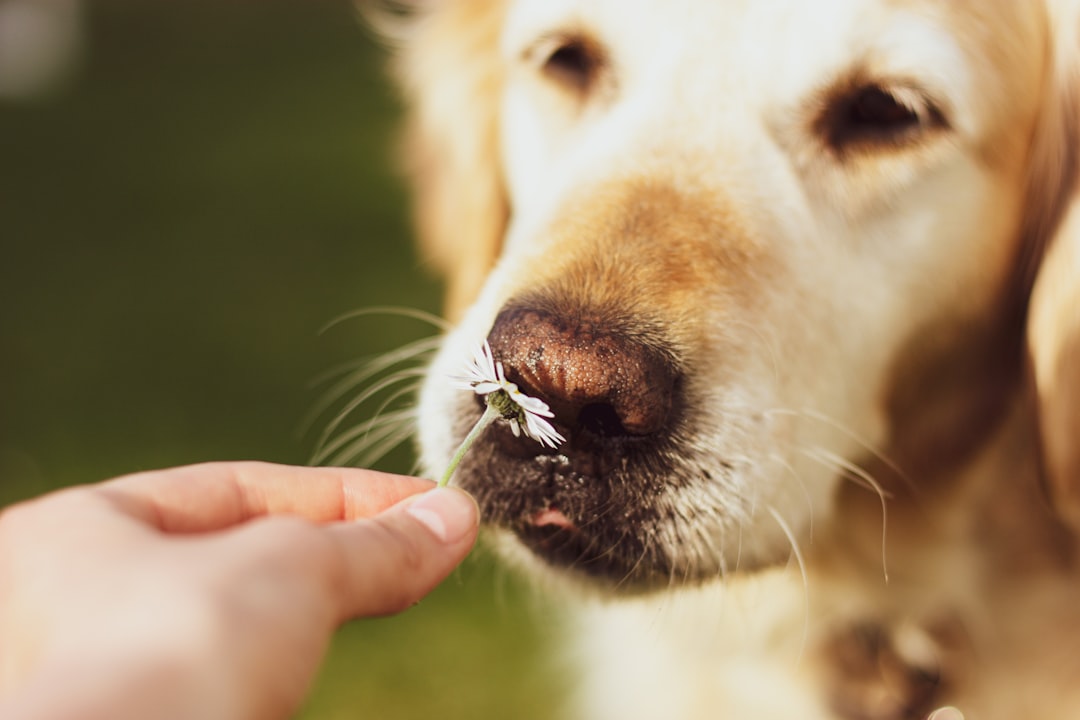
Standing in the pharmacy aisle staring at rows of allergy medications, Sarah felt overwhelmed. Her golden retriever Max had been scratching himself raw for three days, and she desperately wanted to help—but she had no idea what allergy medicines are safe for dogs versus which ones could land him in the emergency room. If you’ve ever found yourself Googling frantically while your pup suffers from red, itchy skin or constant paw-licking, you’re not alone.
Canine allergies affect millions of dogs annually, triggered by everything from pollen and dust mites to food ingredients. While veterinary care remains essential for severe reactions, many pet parents can safely manage mild to moderate seasonal allergies with the right over-the-counter medications—provided you know exactly which ones won’t harm your furry friend.
In this comprehensive 2026 guide, we’ll break down veterinarian-approved allergy medications, proper dosages, dangerous drugs to avoid, and natural alternatives that can complement pharmaceutical treatments. Whether your dog suffers from environmental allergies or food sensitivities, you’ll learn exactly how to provide safe, effective relief.

Understanding Canine Allergies Before Choosing Medication
Before reaching for any pill bottle, recognizing the signs your dog has allergies helps determine whether medication is appropriate. Dogs manifest allergic reactions differently than humans. While we sneeze and get watery eyes, dogs typically experience skin irritation, excessive scratching, ear infections, and gastrointestinal issues when dealing with food allergies.
The three primary categories of canine allergies include environmental triggers (atopic dermatitis), flea allergy dermatitis, and food allergies. Each type may require different therapeutic approaches. Environmental allergies often respond well to antihistamines during high-pollen seasons, while food allergies require dietary elimination rather than pharmaceuticals alone.
Always rule out underlying conditions like mange, fungal infections, or thyroid disorders before assuming allergies are the culprit. These conditions mimic allergy symptoms but require entirely different treatments.

What Allergy Medicines Are Safe for Dogs: The Complete Breakdown
When pet parents ask what allergy medicines are safe for dogs, veterinarians typically recommend specific antihistamines that have proven effective and carry minimal risk profiles. However, “safe” doesn’t mean “without precautions”—dosage and formulation matter significantly.
Diphenhydramine (Benadryl) for Dogs
The most commonly recommended over-the-counter antihistamine for dogs, Benadryl works by blocking histamine receptors that cause itching and inflammation. The standard dosage ranges from 1 to 2 milligrams per pound of body weight, administered every 8 to 12 hours. For a 25-pound dog, this translates to one 25mg tablet.
Never use Benadryl formulations containing decongestants (often labeled as “D” or “Sinus” varieties), as pseudoephedrine is toxic to dogs. Stick to plain diphenhydramine only. Common side effects include drowsiness, dry mouth, and occasionally urinary retention. Senior dogs or those with glaucoma, cardiovascular disease, or prostate enlargement require veterinary consultation before administration.
Cetirizine (Zyrtec) and Loratadine (Claritin)
Second-generation antihistamines offer longer-lasting relief with fewer sedative effects than Benadryl. Cetirizine (Zyrtec) typically works for 24 hours, making it convenient for daily administration during allergy season. The general dosage is 0.5 mg per pound once daily.
Loratadine (Claritin) follows similar dosing guidelines at approximately 0.2 mg per pound every 24 hours. As with Benadryl, avoid combination products containing decongestants. While generally safe, these medications work better for some dogs than others—antihistamines successfully control symptoms in roughly 30% of allergic dogs, with better results in mild cases.
Prescription-Strength Solutions
For dogs unresponsive to over-the-counter options, veterinarians may prescribe Apoquel (oclacitinib) or Cytopoint. Apoquel works within 4 hours to stop itching by inhibiting specific cytokines involved in the allergic response. Unlike steroids, it doesn’t cause increased thirst, appetite, or organ damage with long-term use, though regular blood monitoring remains advisable.
Cytopoint offers an injectable alternative, providing 4 to 8 weeks of relief from a single shot administered at the veterinary clinic. This biologic therapy targets and neutralizes interleukin-31, the primary cytokine responsible for sending “itch signals” to your dog’s brain. It’s particularly beneficial for dogs difficult to pill or those with owners seeking reduced medication administration frequency.
Corticosteroids: Short-Term Rescue Only
Prednisone and other corticosteroids provide powerful anti-inflammatory effects for acute allergic flare-ups. However, these require veterinary supervision due to potential side effects including immune suppression, increased infection risk, and metabolic changes. Veterinarians typically reserve steroids for short-term “rescue” therapy while waiting for other medications to take effect, or for severe environmental allergies unresponsive to other treatments.
Medications That Are Dangerous or Toxic to Dogs
Just as important as knowing what allergy medicines are safe for dogs is understanding which human medications pose serious health risks. Many common pharmacy items can cause organ failure, neurological damage, or death in canines.
Never administer decongestants like pseudoephedrine or phenylephrine—these can elevate heart rate and blood pressure to dangerous levels, potentially causing seizures. Pain relievers such as ibuprofen, naproxen, and acetaminophen (Tylenol) are highly toxic to canine livers and kidneys, even in small doses.
Some cold and flu combination products contain xylitol, an artificial sweetener that triggers insulin release and hypoglycemia in dogs. Always check inactive ingredients carefully, as formulations change frequently. When in doubt, call your veterinarian or the ASPCA Animal Poison Control Center before giving any human medication.
Natural Alternatives and Complementary Therapies
While pharmaceuticals provide immediate relief for acute symptoms, many pet parents seek natural remedies for dog allergies to reduce long-term medication dependence. These approaches work best as preventive measures or complementary therapies alongside veterinary-approved medications.
Omega-3 fatty acids from fish oil reduce inflammatory responses and improve skin barrier function. Studies suggest that dogs receiving consistent omega-3 supplementation require lower doses of antihistamines during allergy season. Look for products containing EPA and DHA specifically formulated for pets.
Probiotic supplementation addresses the gut-skin axis, recognizing that 70% of the immune system resides in the digestive tract. A quality canine probiotic supports healthy immune modulation, potentially reducing overreactions to environmental allergens.
For comprehensive daily support, ROROCA Allergy Chews combine multiple evidence-backed ingredients into one convenient supplement. These veterinarian-formulated soft chews feature a Probiotic Blend (6-strain) to support gut health and immune balance, Salmon Oil for anti-inflammatory omega-3 fatty acids, and Licorice Root Extract which provides natural corticosteroid-like effects without the side effects of pharmaceutical steroids.
Additional key ingredients include Curcuma Longa Extract (Turmeric), renowned for its potent anti-inflammatory properties that help reduce skin irritation and itching, plus Echinacea Extract to support overall immune system resilience. Unlike single-ingredient supplements, this synergistic blend targets multiple pathways of allergic response simultaneously.
Regular bathing with hypoallergenic shampoos removes allergens from the coat before they penetrate the skin. Frequency depends on severity—some allergic dogs benefit from weekly baths during high-pollen seasons, while others maintain comfort with bi-weekly routines.
Safely Administering Allergy Medicines to Your Dog
Proper administration ensures medications work effectively while minimizing adverse effects. Always weigh your dog accurately before calculating doses—kitchen scales work for small breeds, while bathroom scales (weighing yourself holding the dog, then subtracting your weight) suffice for larger animals.
Start with the lowest effective dose, observing for 24 hours before increasing. Some dogs respond to minimal amounts, while others require the full therapeutic range. Give antihistamines with food to prevent stomach upset, though this isn’t strictly necessary for most dogs.
Keep a symptom diary tracking itching severity, redness, and frequency of medication administration. This documentation helps your veterinarian adjust protocols and identifies patterns—many dogs experience seasonal variations requiring medication only during specific months.
If your dog takes other medications, check for interactions. Antihistamines can potentiate sedatives and certain heart medications. Pregnant or nursing dogs should avoid most allergy medications unless specifically directed by a veterinarian.
When Home Treatment Isn’t Enough: Seeking Veterinary Care
While treating dog skin allergies at home works for mild cases, certain situations demand professional intervention. Seek immediate veterinary attention if your dog develops facial swelling, difficulty breathing, or hives covering large body areas—these indicate anaphylaxis, a life-threatening emergency.
Chronic ear infections, hair loss with open sores, or gastrointestinal symptoms like vomiting and diarrhea accompanying skin issues suggest complex allergic disease requiring diagnostic testing. Your veterinarian may recommend intradermal skin testing or blood work to identify specific allergens for immunotherapy (allergy shots).
Secondary bacterial or yeast infections commonly develop when dogs scratch excessively. These require antibiotic or antifungal treatment alongside allergy management. Attempting to treat infected skin with antihistamines alone prolongs suffering and allows infections to deepen.
Common Questions About Canine Allergy Medications
Can I give my dog human Benadryl for allergies?
Yes, plain diphenhydramine (Benadryl) is generally safe for dogs at 1mg per pound of body weight every 8-12 hours. However, never use combination products containing decongestants, pain relievers, or sleep aids. Always verify the ingredient list contains only diphenhydramine.
How quickly do allergy medicines work in dogs?
Antihistamines like Benadryl begin working within 30 minutes to an hour, providing relief for 8-12 hours. Prescription medications such as Apoquel work within 4 hours, while Cytopoint injections start relieving itching within 24 hours and last 4-8 weeks.
What are the side effects of allergy medicine in dogs?
Common side effects include drowsiness, dry mouth, and mild gastrointestinal upset. Less frequently, dogs may experience hyperactivity (paradoxical reaction), urinary retention, or rapid heart rate. Discontinue use and contact your veterinarian if vomiting, diarrhea, or lethargy occurs.
Is it safe to give my dog Zyrtec every day?
Cetirizine (Zyrtec) is safe for daily administration in most healthy dogs at 0.5mg per pound once daily. Long-term daily use is generally well-tolerated, though periodic veterinary check-ups help monitor for rare side effects like liver enzyme elevations.
Can I combine different allergy medicines for better results?
Never combine multiple antihistamines or add decongestants without veterinary guidance. However, many veterinarians approve combining one antihistamine with omega-3 fatty acids or probiotic supplements like ROROCA Allergy Chews. Always space pharmaceutical and natural supplements by 2 hours to ensure optimal absorption.
Are prescription allergy medicines worth the cost compared to OTC options?
For dogs with moderate to severe allergies unresponsive to antihistamines, prescription options like Apoquel or Cytopoint often provide superior quality of life despite higher costs. These targeted therapies avoid the sedative effects of antihistamines and work when OTC options fail.
Can puppies take allergy medicine?
Most antihistamines are safe for puppies over 12 weeks old, but dosing requires precision based on current weight. Apoquel is only approved for dogs 12 months and older, while Cytopoint is safe for dogs of any age. Always consult your veterinarian before medicating puppies.
Finding the Right Allergy Solution for Your Dog
Navigating what allergy medicines are safe for dogs requires balancing efficacy with safety, immediate relief with long-term health. While over-the-counter antihistamines like Benadryl, Zyrtec, and Claritin provide accessible first-line defense for mild symptoms, they represent just one tool in your allergy management arsenal.
The most successful approach often combines veterinary guidance, appropriate medications when necessary, and supportive nutrition that strengthens your dog’s natural defenses. Consider incorporating ROROCA Allergy Chews into your daily routine to provide the Probiotic Blend, Salmon Oil, and botanical extracts like Turmeric and Licorice Root that support skin health from the inside out.
Remember, every dog responds differently to treatment protocols. What works for your neighbor’s Labrador may not suit your Beagle. Work closely with your veterinarian to develop a personalized plan, and never hesitate to seek professional help when home remedies fall short. With the right combination of safe medications, natural support, and environmental management, your itchy, uncomfortable dog can return to the happy, playful companion you love.