

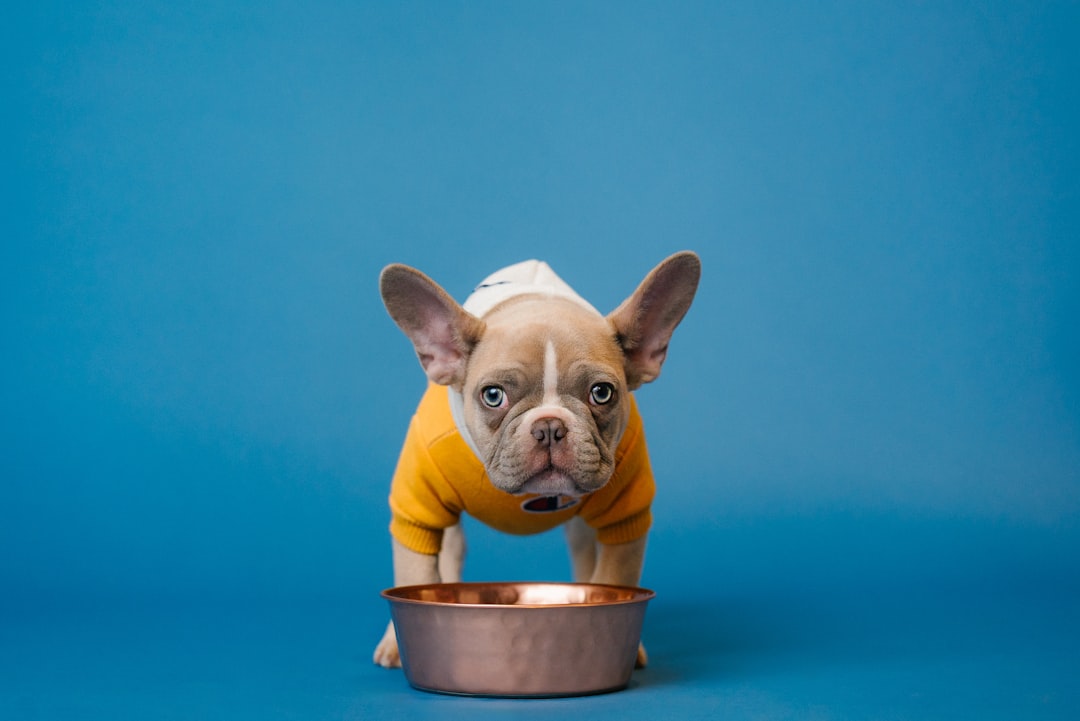
When Max, my Golden Retriever, started spending more time scratching his ears than playing fetch, I knew something wasn’t right. Despite switching shampoos and trying different flea treatments, the chronic ear infections and red, inflamed paws persisted. After months of frustration, our veterinarian finally identified the culprit: food allergies.
If you’re asking yourself what is the best dog food for food allergies, you’re not alone. Finding the right nutrition for a sensitive stomach requires understanding which ingredients trigger reactions and which formulas actually heal. This guide breaks down everything from novel proteins to hydrolyzed diets, helping you choose a meal plan that stops the itching and starts the healing.
Understanding Canine Food Allergies vs. Intolerances
Before diving into specific brands or ingredients, it’s crucial to understand what you’re actually treating. True food allergies involve an immune system overreaction to specific proteins. Your dog’s body mistakes harmless ingredients like chicken or beef as threats, triggering histamine release that causes dog food allergy symptoms like itchy skin, ear infections, and digestive upset.
Food intolerances, however, are digestive issues without immune involvement. While both cause discomfort, allergies require complete avoidance of the trigger protein, whereas intolerances might simply mean reducing portion sizes or avoiding specific additives.
The most common canine food allergens include beef, dairy products, chicken, wheat, lamb, soy, eggs, and corn. Interestingly, dogs can develop allergies to foods they’ve eaten for years without previous issues, making diagnosis tricky without proper testing or an elimination diet for dogs.

What Is the Best Dog Food for Food Allergies?
The answer depends on your dog’s specific triggers, but veterinary nutritionists generally recommend three approaches: novel protein diets, limited ingredient diets (LID), and hydrolyzed protein formulas. Each serves a different purpose in the allergy management spectrum.
Novel Protein Diets
Novel proteins are meat sources your dog has never encountered before. Because the immune system hasn’t developed antibodies against these proteins, they typically don’t trigger allergic responses. Effective options include kangaroo, venison, rabbit, duck, and bison. When selecting novel protein dog food options, ensure the formula contains single-source proteins rather than “meat meals” that might hide multiple protein sources.
Limited Ingredient Diets (LID)
These formulas minimize the number of ingredients to reduce potential triggers. Quality LID foods contain one protein source and one carbohydrate source, making it easier to identify what your dog can tolerate. Look for labels listing specific ingredients like “deboned salmon” rather than vague terms like “fish meal.”
Hydrolyzed Protein Diets
For severe cases, hydrolyzed diets break protein molecules into pieces so small that the immune system cannot recognize them as allergens. These prescription diets represent the gold standard for diagnostic elimination trials and managing severe food allergies.

Reading Labels: Ingredients to Embrace and Avoid
Navigating pet food labels requires detective skills. Many commercial foods marketed for sensitive stomachs still contain hidden allergens or cross-contamination risks.
Ingredients to Avoid:
- Vague terms like “meat by-products” or “animal digest”
- Artificial colors and preservatives (BHA, BHT, ethoxyquin)
- Common fillers like corn, wheat, and soy
- “Natural flavoring” that might contain hydrolyzed proteins from unknown sources
Beneficial Ingredients:
- Named single proteins (salmon, turkey, duck)
- Easily digestible carbohydrates like sweet potatoes or peas
- Omega fatty acids from fish oil for skin barrier support
- Probiotics for gut health restoration
While finding the right protein source is crucial, supporting your dog’s immune system during dietary transitions can accelerate healing. ROROCA Allergy Chews contain a 6-strain Probiotic Blend to restore gut health, alongside Salmon Oil for anti-inflammatory support, Licorice Root Extract for soothing irritated skin, Curcuma Longa Extract (Turmeric) for reducing inflammation, and Echinacea Extract to balance immune response. These work alongside dietary changes but never replace a proper elimination diet.
Transitioning to an Allergy-Friendly Diet
Switching your dog’s food requires patience and precision. Abrupt changes can cause gastrointestinal upset that mimics allergy symptoms, confusing your diagnostic efforts.
Follow this 10-day transition schedule:
- Days 1-3: Mix 25% new food with 75% old food
- Days 4-6: Serve 50% new food, 50% old food
- Days 7-9: Increase to 75% new food, 25% old food
- Day 10: Feed 100% new formula
During this transition, eliminate all treats, table scraps, and flavored medications. Even a small piece of chicken can reset the elimination trial clock. If symptoms worsen during transition, consult your veterinarian immediately—some dogs require slower transitions or different protein sources entirely.
Homemade vs. Commercial: Making the Right Choice
Some pet parents consider cooking for their allergic dogs to maintain complete ingredient control. While homemade diets eliminate cross-contamination risks, they require veterinary nutritionist formulation to avoid nutritional deficiencies.
Commercial hypoallergenic diets undergo rigorous testing for cross-contamination and nutritional completeness. If you choose homemade, work with a board-certified veterinary nutritionist to formulate a balanced recipe using your dog’s specific safe ingredients. Never attempt long-term homemade feeding using internet recipes without professional verification.
Frequently Asked Questions
How long does it take to see improvement after switching food?
Most dogs show skin improvements within 4-6 weeks, but digestive symptoms may resolve sooner—often within 2 weeks. Complete immune system calming can take up to 12 weeks. If you don’t see any improvement after 8 weeks on a strict elimination diet, revisit your veterinarian to rule out environmental allergies or secondary infections.
Are grain-free diets better for dogs with food allergies?
Not necessarily. While some dogs react to wheat or corn, true grain allergies are less common than protein allergies. Many grain-free diets substitute legumes or potatoes, which can cause their own digestive issues. Focus on the protein source first, and only eliminate grains if testing confirms sensitivity.
Can I give supplements while trying an elimination diet?
During the strict elimination phase, avoid all supplements except those prescribed by your veterinarian. Many supplements contain hidden flavors or proteins that contaminate the trial. After identifying safe ingredients, you can introduce supplements like ROROCA Allergy Chews to support long-term immune health using the proven safe ingredients.
What ingredients should I absolutely avoid for allergic dogs?
Avoid unspecified meat meals, artificial additives, and common proteins like chicken and beef unless proven safe through testing. Also watch for “chicken fat” in formulas labeled as fish or lamb-based—while most allergic dogs tolerate chicken fat, severely allergic dogs may react to trace proteins.
Is prescription food necessary, or can I use over-the-counter limited ingredient diets?
For diagnostic purposes, prescription hydrolyzed or novel protein diets are superior because manufacturers guarantee no cross-contamination. Over-the-counter limited ingredient diets sometimes contain trace amounts of undeclared proteins due to shared manufacturing lines. However, once triggers are identified, some dogs manage well on high-quality OTC single-protein foods.
Can puppies outgrow food allergies?
Unlike environmental allergies that often worsen with age, food allergies typically persist for life once developed. However, puppies may have temporary sensitivities that resolve as their digestive systems mature. Always confirm allergies through elimination trials rather than assuming puppies will outgrow reactions.
Conclusion
Finding what is the best dog food for food allergies requires patience, veterinary guidance, and careful label reading. Whether you choose a novel protein, hydrolyzed diet, or carefully formulated homemade meals, consistency remains key. Eliminate all potential triggers during diagnosis, then slowly build a safe nutritional framework that supports your dog’s unique needs.
Remember that dietary changes work best when combined with immune system support and professional veterinary care. Consider adding ROROCA Allergy Chews to your maintenance routine once you’ve identified safe ingredients—their blend of probiotics, salmon oil, and botanical extracts helps maintain the skin barrier and immune balance that keeps allergies at bay. Your itchy, uncomfortable dog can find relief; it simply starts with the right bowl of food.