

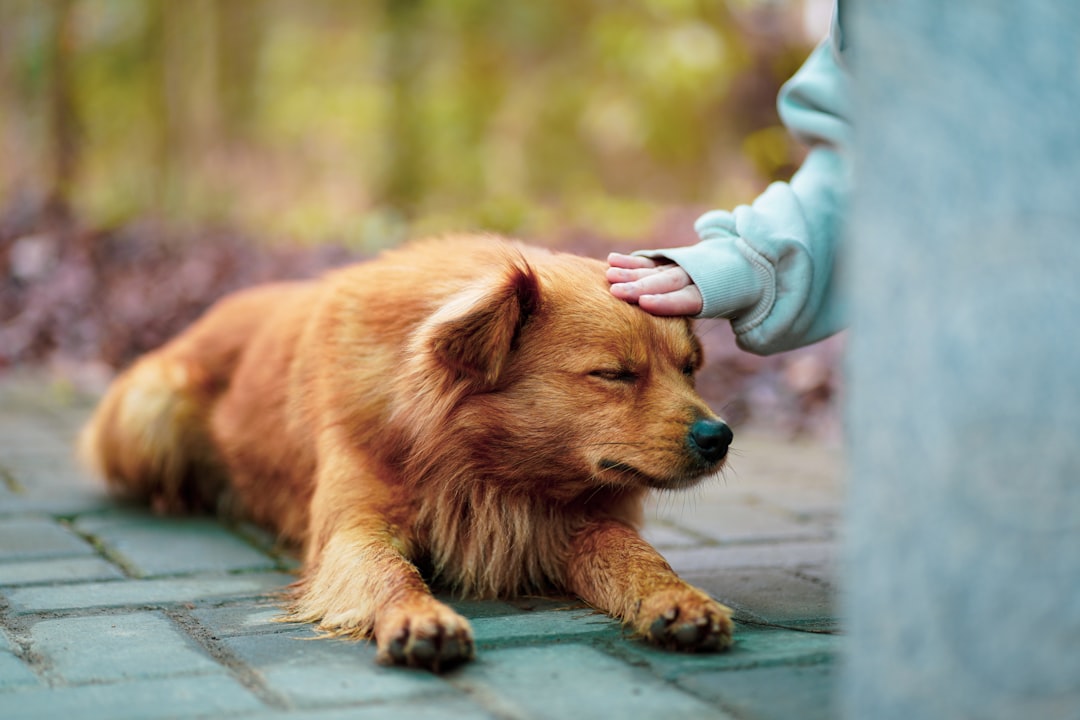
When Max started pacing the living room at 3 AM for the third night in a row, Sarah knew something had to change. Her normally laid-back Golden Retriever was scratching incessantly, licking his paws, and unable to settle down despite her best efforts to comfort him. Like many pet parents frantically searching for what can you give a dog to calm them down, Sarah initially assumed anxiety was the sole culprit. However, after consulting her veterinarian, she discovered the real issue was environmental allergies causing such intense skin irritation that relaxation was physically impossible.

If you’re wondering what can you give a dog to calm them down, you’re not alone. According to veterinary behaviorists, chronic discomfort from allergies, joint pain, or digestive issues often masquerades as anxiety in dogs. Whether your pup suffers from separation anxiety, thunderstorm phobias, or allergic irritation that keeps them restless and whining, understanding the root cause is essential. This comprehensive 2026 guide covers veterinarian-approved solutions—from natural supplements and dietary changes to prescription medications—that address both behavioral anxiety and physical discomfort.

Is It Anxiety or Discomfort? Identifying Why Your Dog Can’t Relax
Before reaching for calming aids, it’s crucial to determine whether your dog’s restlessness stems from emotional stress or physical irritation. Many pet owners miss the connection between chronic allergy symptoms and behavioral changes. When dogs experience persistent itching, hot spots, or gastrointestinal distress from food sensitivities, they often display the same pacing, whining, and inability to settle associated with anxiety disorders.
Environmental allergens like pollen, dust mites, and mold spikes trigger histamine responses that make skin feel crawly and uncomfortable. This physical sensation prevents the deep relaxation necessary for sleep. Similarly, ear infections caused by yeast or bacteria create constant low-grade discomfort that keeps dogs shifting positions throughout the night. If your dog only seems restless during certain seasons or after specific meals, allergies rather than anxiety may be driving their inability to calm down.
Signs That Allergies Are Causing Restlessness
Watch for these indicators that your dog needs allergy relief rather than traditional calming medication:
- Excessive paw licking or chewing, especially before bed
- Rubbing face against furniture or carpet
- Scratching ears while simultaneously pacing
- Restlessness that worsens during high-pollen seasons
- Gastrointestinal upset accompanied by whining
What Can You Give a Dog to Calm Them Down Naturally?
For mild to moderate restlessness, natural interventions often provide sufficient relief without the sedation risks of pharmaceutical options. The key is matching the remedy to the underlying cause—whether that’s nervous system overstimulation or inflammatory discomfort from allergic reactions.
Allergy-Relief Supplements That Promote Calm
When allergies drive your dog’s inability to settle, addressing the immune response often restores peace faster than traditional sedatives. ROROCA Allergy Chews offer a dual-action approach by combining immune-modulating ingredients with natural anti-inflammatories. These veterinarian-formulated chews contain a Probiotic Blend featuring six specific strains that support gut health—where nearly 70% of immune function originates—alongside Salmon Oil rich in omega-3 fatty acids to reduce skin inflammation.
The formula also includes Licorice Root Extract, which provides natural cortisol-like effects to soothe irritated skin without suppressing the immune system entirely. Combined with Curcuma Longa Extract (Turmeric) for its powerful anti-inflammatory properties and Echinacea Extract to modulate immune response, these chews address the root cause of allergy-driven restlessness. Most pet parents notice their dogs settling more easily within two to three weeks of consistent use as the itching and discomfort subside.
Adaptogenic Herbs for Nervous System Support
Beyond allergy management, several botanicals directly influence canine neurotransmitters to promote relaxation. Valerian root acts similarly to mild sedatives by increasing gamma-aminobutyric acid (GABA) in the brain, though it requires dosing 30-60 minutes before stressful events. Chamomile provides gentle anxiolytic effects through apigenin, a compound that binds to benzodiazepine receptors in the brain without causing dependency.
For chronic anxiety, L-theanine—an amino acid found in green tea—offers excellent safety profiles for long-term use. It increases dopamine and serotonin production while lowering blood pressure and heart rate. When combined with other natural calming protocols, these herbs create a foundation for emotional resilience without grogginess.
Nutritional Support for Anxious Dogs
Diet plays an underestimated role in canine anxiety. Blood sugar fluctuations from high-carbohydrate kibbles can trigger cortisol spikes that manifest as hypervigilance and inability to settle. Transitioning to a high-protein, low-glycemic diet stabilizes energy levels throughout the day. Adding tryptophan-rich foods like turkey, eggs, and pumpkin seeds provides the precursor for serotonin synthesis.
Magnesium deficiency also correlates with increased anxiety in dogs. This mineral regulates the hypothalamic-pituitary-adrenal (HPA) axis, preventing excessive cortisol release during minor stressors. Supplementing with magnesium glycinate or incorporating magnesium-rich foods like fish and dark leafy greens supports optimal neurological function.
Prescription Solutions for Severe Anxiety
When natural interventions prove insufficient for severe phobias, separation anxiety, or generalized anxiety disorders, veterinary pharmacology offers several evidence-based options. Trazodone provides short-term sedation for specific events like thunderstorms or veterinary visits without heavy respiratory depression. For chronic anxiety, selective serotonin reuptake inhibitors (SSRIs) like fluoxetine require four to six weeks to reach therapeutic levels but fundamentally rebalance brain chemistry.
It’s essential to note that prescription anxiolytics mask symptoms rather than cure them. They work best when paired with behavior modification protocols and, if applicable, allergy treatment to eliminate physical discomfort triggers. Never combine prescription sedatives with over-the-counter supplements without veterinary guidance, as interactions can cause dangerous blood pressure drops or excessive sedation.
Environmental Modifications That Enhance Calm
Regardless of what supplements or medications you choose, environmental management significantly impacts your dog’s ability to relax. Create a dedicated “calm zone” using sound-dampening techniques—white noise machines mask unpredictable outdoor sounds that trigger alertness. Temperature regulation matters too; dogs with allergies often run hot due to inflammation, so keeping resting areas between 68-72°F prevents overheating that exacerbates itching and restlessness.
Pheromone diffusers containing synthetic canine appeasing pheromones (DAP) mimic the calming signals mother dogs emit to puppies. Placed near sleeping areas, these create an invisible security blanket particularly effective for rescue dogs with unknown trauma histories. Weighted blankets designed specifically for dogs provide deep pressure stimulation similar to swaddling, triggering the parasympathetic nervous system’s “rest and digest” response.
When to Consult Your Veterinarian
While many calming strategies work safely at home, certain situations require professional intervention. If your dog’s restlessness coincides with facial swelling, hives, or difficulty breathing, these indicate acute allergic reactions requiring emergency care. Similarly, sudden onset anxiety in senior dogs may signal cognitive dysfunction syndrome, pain from undiagnosed arthritis, or neurological changes rather than simple stress.
Schedule a veterinary appointment if calming attempts fail after two weeks of consistent application, or if your dog exhibits self-harm behaviors like excessive licking that creates hot spots. Your vet can perform intradermal allergy testing to identify specific environmental triggers or recommend referral to a veterinary behaviorist for severe anxiety disorders.
Frequently Asked Questions
Can I give my dog Benadryl to calm them down?
Diphenhydramine (Benadryl) primarily functions as an antihistamine for allergic reactions rather than a true anxiolytic. While drowsiness is a common side effect that may temporarily sedate your dog, it doesn’t address anxiety neurochemically. Dosage typically ranges from 1mg per pound of body weight, but always consult your vet first—certain heart conditions, glaucoma, or prostate issues make antihistamines dangerous.
How long do natural calming supplements take to work?
Timing varies by supplement type. Fast-acting options like valerian root or CBD oil typically produce noticeable effects within 30-60 minutes, making them suitable for predictable stressors like car rides. Long-term immune-modulating supplements containing probiotics and omega fatty acids require 2-4 weeks of consistent dosing to reduce allergy-driven restlessness as inflammation subsides.
Are allergy chews effective for calming itchy dogs?
Yes, when restlessness stems from allergic discomfort. Ingredients like those found in ROROCA Allergy Chews work by reducing histamine release and skin inflammation, eliminating the physical urge to scratch and pace. The inclusion of turmeric and licorice root provides natural anti-inflammatory benefits that help dogs settle comfortably, particularly during allergy season.
What foods help calm dogs naturally?
Foods rich in tryptophan (turkey, chicken, eggs), complex carbohydrates (sweet potatoes, oats), and omega-3 fatty acids (salmon, sardines) support neurotransmitter production and reduce inflammation. Avoid high-sugar treats that cause blood sugar crashes triggering anxiety. Fermented foods like plain kefir also support gut health, which directly influences mood through the gut-brain axis.
Can seasonal allergies make my dog anxious?
Absolutely. Seasonal allergic rhinitis causes constant nasal irritation, itchy eyes, and skin inflammation that prevents restful sleep. Dogs experiencing these sensations often display anxiety behaviors like pacing, whining, and destructive chewing due to frustration and discomfort. Treating the underlying allergies typically resolves these secondary behavioral issues.
Is it safe to combine multiple calming aids?
Caution is essential when stacking supplements or combining them with medications. While combining an allergy chew with an herbal calming aid is generally safe, mixing prescription sedatives with over-the-counter supplements can cause dangerous interactions. Always introduce new supplements one at a time to monitor for adverse reactions, and maintain a four-hour buffer between different calming agents unless directed otherwise by your veterinarian.
Conclusion
Determining what can you give a dog to calm them down requires understanding whether your pet’s restlessness stems from emotional anxiety, physical discomfort, or a combination of both. For allergy sufferers, addressing immune response and inflammation through supplements like ROROCA Allergy Chews often provides the relief necessary for peaceful rest. Combined with environmental modifications and appropriate behavioral support, these solutions help restore your dog’s natural equilibrium.
Remember that chronic anxiety or persistent restlessness warrants veterinary evaluation to rule out underlying medical conditions. With patience and the right combination of treatments tailored to your dog’s specific needs, you can help your beloved companion achieve the calm, comfortable life they deserve. Start by identifying triggers, then implement natural solutions before escalating to pharmaceutical interventions if necessary.