

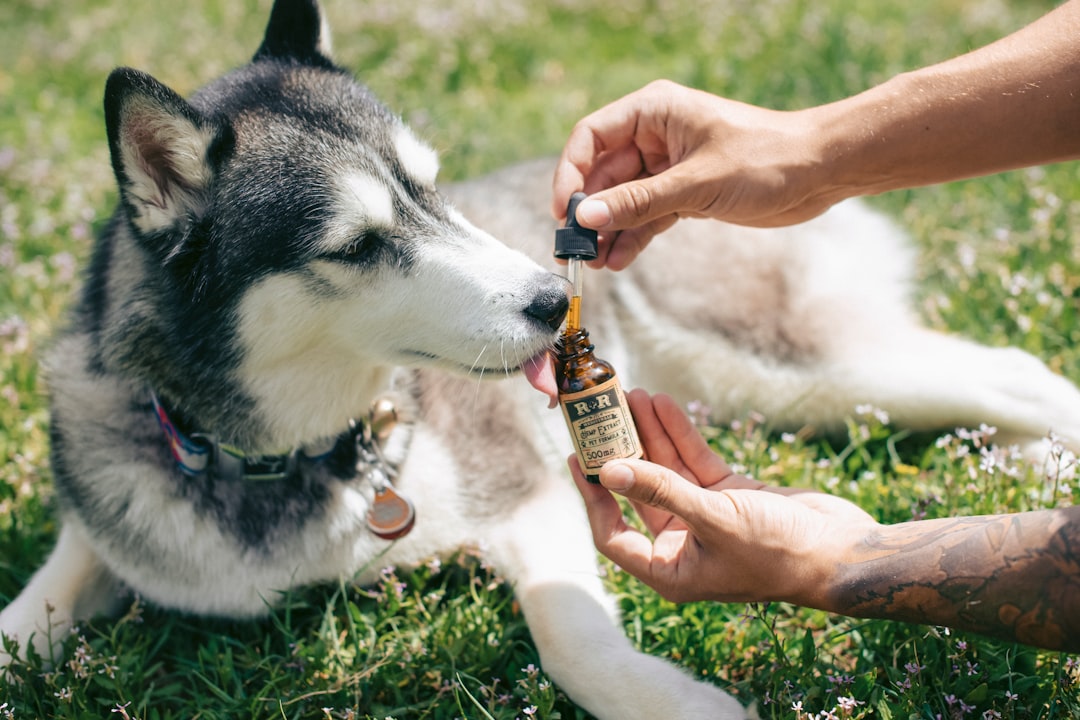
As a dog parent, watching your pup suffer from relentless itching, red skin, or constant paw-licking is heartbreaking. You want immediate relief for your furry friend, but navigating the world of canine allergies can feel overwhelming. Whether your dog deals with seasonal flare-ups or chronic skin conditions, understanding how to help dog with allergies requires a multi-faceted approach that addresses both symptoms and root causes.

In this comprehensive 2026 guide, we’ll explore evidence-based strategies to soothe your dog’s discomfort, from environmental modifications to nutritional support. You’ll discover practical home remedies, learn when veterinary intervention is necessary, and find sustainable long-term management techniques that improve your dog’s quality of life.

Understanding the Types of Canine Allergies
Before implementing treatment strategies, identifying the specific allergen triggering your dog’s reaction is crucial. Canine allergies typically fall into three primary categories, each requiring different management approaches.
Environmental Allergies (Atopic Dermatitis)
Environmental allergies represent the most common form of canine allergic reactions. Dogs react to pollen, mold spores, dust mites, and grass proteins much like humans do, though they manifest symptoms through skin irritation rather than respiratory issues. These signs your dog has allergies often appear seasonally but can become year-round problems if indoor allergens are the culprit.
Food Sensitivities and Intolerances
While less common than environmental allergies, food sensitivities affect approximately 10% of dogs with allergic skin disease. Proteins like chicken, beef, dairy, and wheat typically trigger immune responses. Unlike true allergies, food intolerances may cause gastrointestinal upset alongside skin issues, making dietary identification essential.
Flea Allergy Dermatitis
Even a single flea bite can trigger intense allergic reactions in sensitive dogs. Flea saliva contains proteins that cause severe itching, hair loss, and secondary skin infections. Year-round flea prevention remains non-negotiable for these pets.
How to Help Dog With Allergies: Immediate Relief Strategies
When your dog is actively scratching or chewing, immediate intervention prevents skin damage and infection. These short-term solutions provide comfort while you implement longer-term management plans.
Bathing and Topical Treatments
Medicated baths using oatmeal-based or hydrocortisone shampoos provide instant itch relief. Bathe allergic dogs every 1-2 weeks using lukewarm water—not hot, which exacerbates inflammation. Leave shampoo on for 10 minutes before rinsing to allow anti-inflammatory ingredients to penetrate the skin barrier.
Between baths, use hypoallergenic grooming wipes to remove pollen and allergens from paws and coats after outdoor activities. Pay special attention to paw pads, as many dogs ingest allergens while licking irritated feet.
Environmental Modifications
Create an allergen-reduced sanctuary within your home. High-efficiency particulate air (HEPA) filters remove airborne pollen and dust mites, while washing bedding weekly in hot water eliminates dust mite populations. Consider removing heavy curtains and carpeting that trap allergens, replacing them with washable alternatives.
For dogs with grass allergies, designate specific potty areas using gravel or artificial turf, and rinse paws with cool water immediately after outdoor play sessions.
Long-Term Nutritional Support and Supplements
Dietary intervention plays a pivotal role in managing chronic allergies. The right nutrients strengthen the skin barrier, regulate immune responses, and reduce inflammatory reactions.
Elimination Diet Trials
If food allergies are suspected, an 8-12 week elimination diet using novel proteins or hydrolyzed formulas helps identify triggers. Work with your veterinarian to select hypoallergenic dog food recommendations appropriate for your dog’s specific needs. Avoid treats, table scraps, and flavored medications during the trial period to ensure accurate results.
Allergy Support Supplements
Targeted supplements address allergic responses at the cellular level. Look for formulations containing omega-3 fatty acids from fish oil, which reduce skin inflammation and improve coat quality. Probiotics support gut health and immune regulation, while natural anti-inflammatories like turmeric and licorice root soothe irritated tissues.
ROROCA Allergy Chews combine these essential ingredients into a palatable daily supplement. Their formula includes a proprietary 6-strain Probiotic Blend to support digestive and immune health, Salmon Oil rich in EPA and DHA for skin barrier function, Licorice Root Extract for its natural corticosteroid-like effects, Curcuma Longa Extract (Turmeric) for inflammation management, and Echinacea Extract to modulate immune responses. These chews work synergistically to reduce itching and support overall skin health without the side effects associated with long-term pharmaceutical use.
Veterinary Interventions and Advanced Therapies
While home management helps many dogs, moderate to severe cases require professional veterinary care. Modern veterinary medicine offers several advanced options for managing refractory allergies.
Allergy Testing and Immunotherapy
Intradermal skin testing or serum IgE testing identifies specific environmental allergens triggering your dog’s symptoms. Based on results, veterinarians can formulate allergen-specific immunotherapy (ASIT)—commonly called allergy shots or oral drops. This treatment gradually desensitizes the immune system over 6-12 months, reducing or eliminating the need for medications in approximately 60-70% of treated dogs.
Prescription Medications
For acute flare-ups, veterinarians may prescribe Apoquel (oclacitinib), Cytopoint (canine monoclonal antibody), or corticosteroids. These medications interrupt itch signals or suppress immune responses quickly. While effective short-term, long-term steroid use requires careful monitoring for side effects including liver damage and immune suppression.
Always consult your veterinarian before starting any medication regimen, especially if your dog takes other prescriptions or has underlying health conditions.
Natural Remedies and Holistic Approaches
Many pet parents prefer integrating natural remedies for canine allergies alongside conventional treatments. These complementary therapies support the body’s healing mechanisms without harsh chemicals.
Herbal Support
Nettle leaf acts as a natural antihistamine, while quercetin—found in apples and berries—stabilizes mast cells to reduce histamine release. Chamomile and calendula preparations soothe inflamed skin when applied topically as rinses or compresses.
Acupuncture and Laser Therapy
Veterinary acupuncture stimulates anti-inflammatory responses and reduces pruritus in allergic dogs. Cold laser therapy (photobiomodulation) decreases inflammation and accelerates healing of hot spots and skin lesions caused by excessive scratching.
Frequently Asked Questions
How can I tell if my dog has allergies or fleas?
Check for flea dirt (black specks) at the base of the tail using a fine-tooth comb. Flea allergies typically cause intense itching over the rump and thighs, while environmental allergies often affect paws, ears, and belly. When in doubt, apply flea prevention and schedule a veterinary exam for definitive diagnosis.
What is the fastest way to relieve my dog’s itchy skin?
Cool water baths with colloidal oatmeal provide immediate relief. For localized itching, apply a cold compress wrapped in a soft cloth for 5-10 minutes. Avoid hot water, which increases blood flow to irritated skin and worsens inflammation.
How to help dog with allergies naturally?
Start with environmental controls: HEPA filtration, frequent bathing, and paw wiping after walks. Add omega-3 supplements and probiotics to support skin health. Consider quercetin supplements as natural antihistamines, and use topical aloe vera or chamomile for hot spots.
Can changing my dog’s food really help with allergies?
Yes, if your dog suffers from food sensitivities. Novel protein or hydrolyzed diets eliminate immune triggers. Even for environmental allergies, high-quality diets rich in omega fatty acids strengthen the skin barrier against allergen penetration.
Are allergy shots worth it for dogs?
Allergy immunotherapy offers the only potentially curative treatment for environmental allergies. While requiring 6-12 months to show full effects, successful treatment reduces or eliminates the need for lifelong medication. Consider ASIT for dogs requiring year-round allergy management.
How long do seasonal dog allergies last?
Seasonal allergies typically persist as long as the offending pollen or mold is present—usually 2-4 months for spring tree pollen, summer grasses, or fall weeds. However, many dogs develop sensitivities to multiple allergens, creating overlapping seasons or year-round symptoms.
Conclusion
Learning how to help dog with allergies requires patience, consistency, and often a combination of approaches. From environmental controls and therapeutic bathing to advanced nutritional support like ROROCA Allergy Chews, you have multiple tools to improve your dog’s comfort and quality of life.
Remember that allergies are manageable but rarely “cured.” Work closely with your veterinarian to develop a personalized treatment plan, and don’t hesitate to try different combinations of therapies until you find what works best for your unique pet. With proper care, your allergic dog can enjoy comfortable, happy, itch-free days.