

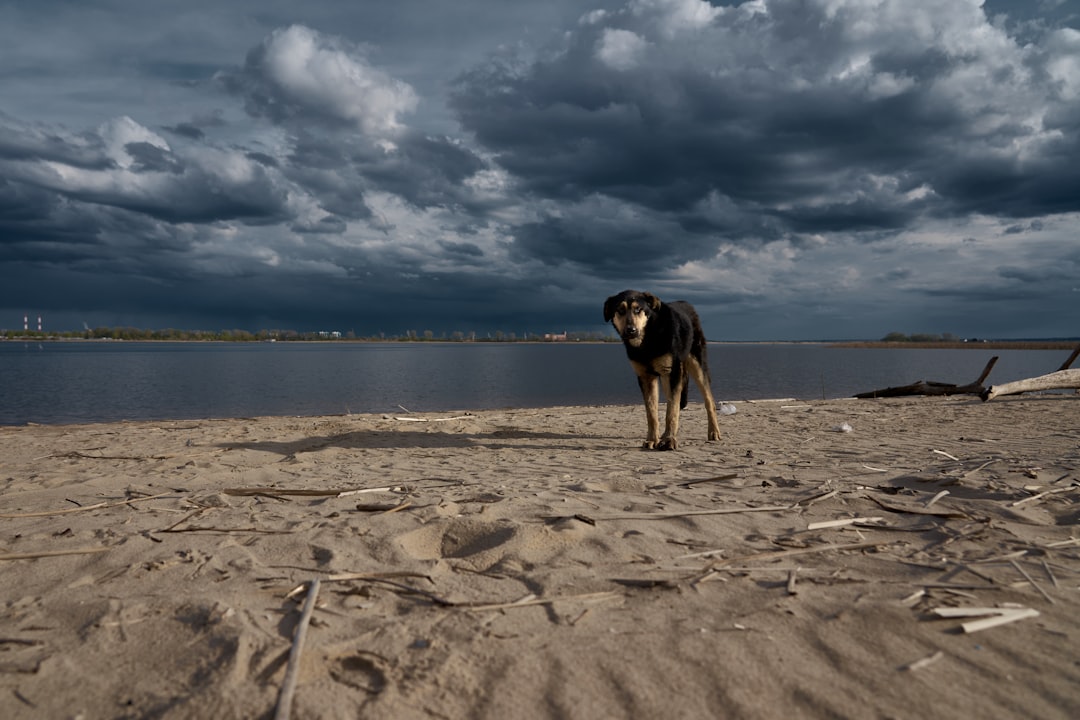
When the first rumble of thunder echoed through the valley last August, my Labrador Retriever Max dove under the coffee table and wouldn’t come out for three hours. His shaking was so violent that I feared he might hurt himself. If you’ve ever watched your beloved companion panic as the sky darkens, you know exactly how helpless that feels. Learning how to calm dog during storm situations isn’t just about comfort—it’s about preventing injury and reducing long-term anxiety trauma.

In this comprehensive 2026 guide, we’ll explore veterinarian-approved techniques, environmental modifications, and natural solutions to help your furry friend weather any tempest with confidence. Whether your dog suffers from mild unease or full-blown astraphobia (fear of thunder), these evidence-based strategies will transform stormy nights from terrifying ordeals into manageable events.

Understanding Why Thunderstorms Trigger Canine Anxiety
Before implementing calming techniques, it’s crucial to understand what exactly sends your dog into panic mode. Unlike humans who understand weather patterns, dogs experience storms as a barrage of sensory assaults that trigger their survival instincts.
The Science Behind Storm Phobia
Dogs possess hearing capabilities far superior to ours, detecting frequencies between 40 Hz to 60,000 Hz. Thunderclaps generate low-frequency vibrations (infrasound) that dogs feel in their bones minutes before human ears register the sound. This explains why many dogs start pacing and whining while the sky remains clear to us.
Additionally, static electricity buildup in the atmosphere affects dogs with heightened sensitivity. Some researchers believe dogs can sense barometric pressure drops and electromagnetic changes that precede storms, creating anticipatory anxiety. When combined with flashing lightning, rain noise, and wind howls, the experience overwhelms their nervous system.
Recognizing Anxiety Signs in Dogs
Early intervention requires recognizing recognizing anxiety signs in dogs before they escalate. Watch for:
- Excessive panting and drooling unrelated to heat or exercise
- Trembling or shaking that worsens with thunder volume
- Pacing, circling, or inability to settle
- Destructive behaviors like scratching doors or chewing furniture
- Attempting to hide in closets, bathrooms, or basement corners
- Clinginess or conversely, isolation-seeking behavior
- Loss of bladder or bowel control in house-trained dogs
Immediate Techniques: How to Calm Dog During Storm Events
When dark clouds gather and you need rapid intervention, these immediate strategies can prevent panic from spiraling into dangerous territory.
Creating a Storm Sanctuary
Designate an interior room—preferably without windows or with blackout curtains—as your dog’s storm bunker. Basements work excellently due to their natural sound dampening and stable temperatures. Outfit this space with:
- Your dog’s favorite bed or crate covered with heavy blankets to muffle sound
- Familiar scented items like worn t-shirts carrying your smell
- White noise machines or fans set to high to mask thunder
- Chew toys and puzzle feeders to redirect nervous energy
Importantly, never force your dog into this space. Allow them to discover it naturally during calm weather, associating it with treats and relaxation. When storms hit, guide them gently but don’t drag them if they resist.
Distraction Methods That Actually Work
Counter-conditioning during active storms requires high-value rewards and engaging activities. Try these natural calming aids for dogs combined with mental stimulation:
High-Reward Training: Break out the freeze-dried liver or cheese cubes—foods your dog never receives otherwise. Practice simple commands like “sit,” “touch,” or “place” using these jackpot rewards. The cognitive engagement overrides fear responses temporarily.
Interactive Puzzle Toys: Stuff Kong toys with frozen peanut butter or pumpkin puree. The licking action releases endorphins that naturally calm the nervous system, while the frozen treat lasts longer than the storm in many cases.
Gentle Massage: Slow, circular strokes along the ears, between the eyes, and down the spine activate the parasympathetic nervous system. Avoid heavy pressure which might increase arousal.
Pressure Therapy Applications
Weighted garments like Thundershirts apply gentle, constant pressure similar to swaddling infants. This pressure stimulates the release of oxytocin while reducing cortisol levels. For best results, acclimate your dog to the garment during calm weather for short periods, gradually extending wear time. During storms, ensure the fit is snug but not restrictive—two fingers should slide easily beneath the fabric.
Long-Term Training Strategies for Storm Confidence
While immediate fixes help during emergencies, lasting managing dog storm phobia requires systematic desensitization training conducted during off-season months.
Desensitization Audio Protocol
Starting in winter when storms are rare, begin playing thunder recordings at barely audible volumes while engaging in your dog’s favorite activities. Over weeks, gradually increase volume while maintaining positive associations. The goal isn’t to eliminate the startle reflex entirely, but to teach your dog that thunder predicts treat parties rather than danger.
Progress slowly—if your dog shows stress signals at any volume level, decrease by 20% and spend three days at that threshold before advancing. Rushing this process can worsen phobias.
Counter-Conditioning Techniques
Pair storm precursors (darkening rooms, wind sounds) with exceptional rewards. When you darken the room for movie night, provide bully sticks. When windy days occur, conduct training sessions with premium rewards. Eventually, these environmental cues trigger excitement rather than dread.
Environmental Modifications for Anxious Pups
Strategic home adjustments minimize storm stimuli before they trigger anxiety.
Soundproofing Solutions
Install weather stripping around doors and windows to reduce noise infiltration. Heavy curtains, wall tapestries, and upholstered furniture absorb sound waves. Consider white noise machines calibrated to 50-60 decibels—loud enough to mask thunder but not so loud as to cause additional stress.
Static Electricity Management
Some dogs respond to anti-static measures. Rubbing your dog’s coat with dryer sheets (unscented, pet-safe varieties) or keeping humidity levels above 40% using humidifiers may reduce the uncomfortable sensations that precede lightning strikes.
Natural Support for Overall Resilience
While behavioral interventions form the foundation of storm anxiety management, supporting your dog’s physiological stress response enhances training effectiveness. Dogs experiencing chronic stress or those with underlying immune sensitivities often display exaggerated fear responses.
Maintaining immune balance and reducing systemic inflammation can improve your dog’s capacity to handle environmental stressors. ROROCA Allergy Chews provide comprehensive immune support through a synergistic blend of ingredients including a 6-strain Probiotic Blend for gut health (where 70% of the immune system resides), Salmon Oil rich in omega-3 fatty acids to modulate inflammatory responses, and adaptogenic botanicals like Licorice Root Extract and Curcuma Longa Extract (Turmeric) that support the body’s stress response systems. Echinacea Extract further bolsters immune resilience.
When your dog’s physical systems operate optimally, their nervous system remains more balanced during atmospheric disturbances. Think of it as strengthening the foundation—while the chews won’t eliminate thunder fear alone, they create physiological conditions conducive to learning and adaptation alongside behavioral training.
When to Seek Professional Intervention
Some cases of storm phobia require pharmaceutical support from veterinary behaviorists. Consider professional help if your dog:
- Injures themselves during panic (broken claws, cut paws from scratching)
- Escapes enclosures or breaks through windows/doors
- Refuses food for 24+ hours following storms
- Shows generalized anxiety extending beyond weather events
Short-term anti-anxiety medications prescribed 30-60 minutes before predicted storms can prevent the neural pathways of fear from strengthening. This isn’t failure—it’s compassionate medical intervention for a neurochemical imbalance.
Frequently Asked Questions
Can I give my dog Benadryl for storm anxiety?
While diphenhydramine (Benadryl) causes drowsiness, it rarely addresses the panic component of storm phobia and may paradoxically increase anxiety in some dogs. Additionally, improper dosing risks dangerous side effects. Always consult your veterinarian before administering any medication, and consider that behavioral interventions typically provide more lasting relief than sedation alone.
Why did my dog suddenly develop storm anxiety after years of being fine?
Age-related hearing changes sometimes trigger late-onset storm phobia. As high-frequency hearing diminishes, dogs may become more sensitive to low-frequency vibrations. Additionally, traumatic experiences (being outside during a particularly violent storm) or pain conditions (arthritis aggravated by barometric pressure) can create new associations. Senior dogs experiencing cognitive dysfunction syndrome also show increased noise sensitivity.
Do thunder shirts actually work for pressure therapy?
Studies suggest approximately 80% of dogs show some improvement when wearing properly fitted anxiety wraps, though results vary by individual. The garment works best as part of a comprehensive management plan rather than a standalone solution. Success depends on proper introduction during calm weather and correct sizing—too loose provides no benefit, while too tight restricts breathing.
How long does storm anxiety typically last?
Acute panic episodes usually peak within 30 minutes of the storm’s most intense activity, but residual anxiety may persist for hours. Some dogs remain hyper-vigilant for 24-48 hours following storms, especially if they experienced particularly loud thunderclaps. Dogs with separation anxiety compounded by storm phobia may show prolonged distress until their owners return home.
Can storm anxiety cause long-term health problems?
Chronic stress elevates cortisol levels, potentially suppressing immune function and contributing to digestive issues, skin problems, and cardiovascular strain over time. Repeated panic episodes can also strengthen fear neural pathways, making subsequent storms more intense. Early intervention prevents these physical and psychological complications.
Should I comfort my dog during storms or ignore the behavior?
Contrary to outdated advice, comforting your distressed dog does not reinforce fear—fear is an emotion, not a behavior seeking reward. Gentle reassurance, physical contact (if your dog seeks it), and calm verbal tones actually lower stress hormones. However, avoid frantic or anxious energy yourself, as dogs mirror their owners’ emotional states. Stay calm, matter-of-fact, and supportive without forcing interaction.
Conclusion
Helping your dog overcome storm anxiety requires patience, consistency, and a multi-modal approach combining environmental management, behavioral training, and physiological support. By implementing these how to calm dog during storm strategies—from creating safe spaces to systematic desensitization—you’ll transform terrifying weather events into manageable inconveniences.
Remember that every dog responds differently, so experiment with various techniques to discover your pet’s unique comfort formula. Whether through pressure therapy, sound masking, or supporting overall wellness with solutions like ROROCA Allergy Chews, your dedication to your dog’s emotional wellbeing strengthens your bond while ensuring those dark clouds bring nothing but cozy indoor cuddles.