

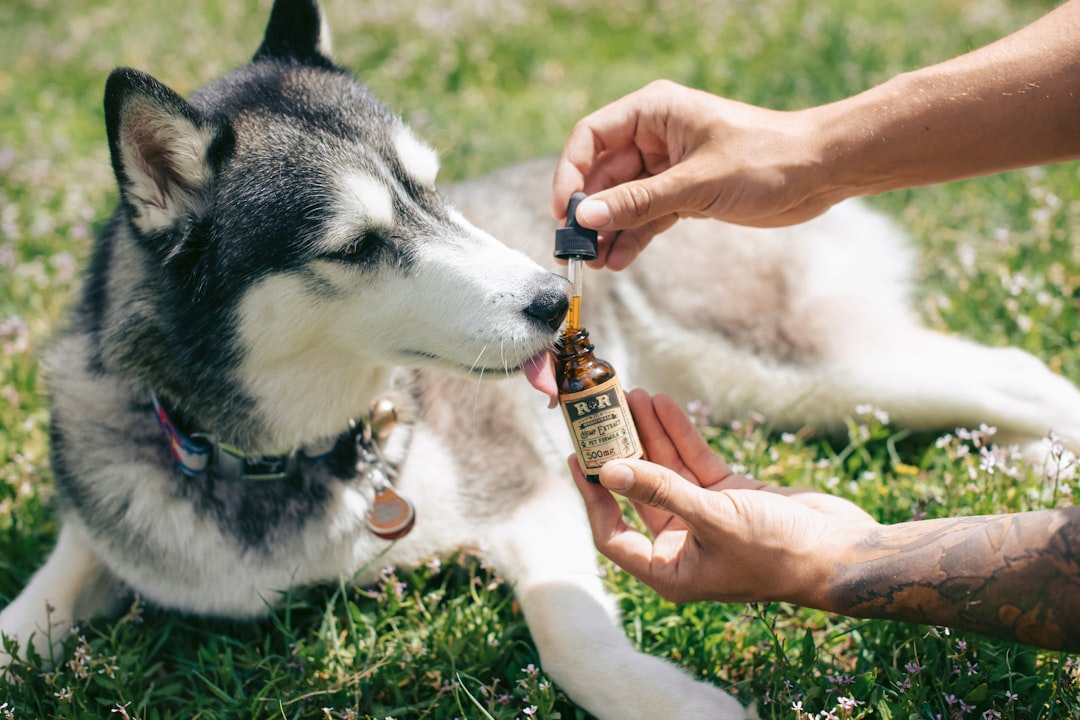
As a dog parent, watching your pup suffer through endless scratching, red skin, or digestive distress is heartbreaking. You want to fix it immediately, but navigating the world of canine allergies can feel overwhelming. Whether your dog is dealing with seasonal pollen, food sensitivities, or environmental triggers, understanding how to help dogs with allergies requires a multi-layered approach that addresses both immediate relief and long-term immune health.

In this comprehensive guide, we’ll explore evidence-based strategies to soothe your dog’s discomfort, identify triggers, and build a sustainable wellness routine. From environmental adjustments to targeted nutritional support, you’ll discover practical solutions that actually work for managing allergic reactions in 2026.

Quick Answer: How to Help Dogs With Allergies
The most effective approach combines three strategies: (1) Remove or reduce exposure to allergens through environmental control and diet changes, (2) Soothe symptoms using veterinarian-approved antihistamines or topical treatments for immediate relief, and (3) Support the immune system long-term with omega-3 fatty acids, probiotics, and allergy-specific supplements like ROROCA Allergy Chews containing turmeric and licorice root extract.
Understanding What Type of Allergy Affects Your Dog
Before implementing treatment strategies, identifying the specific allergy type ensures you’re targeting the right problem. Dogs typically suffer from three main categories of allergic reactions, each requiring different management approaches.
Environmental Allergies (Atopic Dermatitis)
Environmental allergies represent the most common canine allergic condition, affecting up to 10% of dogs. These reactions occur when your dog’s immune system overreacts to substances like pollen, mold spores, dust mites, or grass. Symptoms usually appear between ages 1-3 and often worsen during specific seasons.
Dogs with environmental allergies typically exhibit chronic itching, particularly around the paws, face, and underbelly. You might notice excessive licking of the feet, recurring ear infections, or hot spots developing from persistent scratching. Unlike food allergies, these reactions often flare up during high pollen counts or after outdoor activities.
Food Sensitivities and Intolerances
True food allergies involve an immune response to specific proteins, while food intolerances cause digestive upset without immune involvement. Common culprits include beef, dairy, chicken, wheat, and soy. Unlike environmental allergies, food reactions often cause gastrointestinal symptoms alongside skin issues.
If your dog experiences chronic diarrhea, vomiting, or gas alongside itching, a food elimination trial typically provides the most definitive diagnostic approach. Working with your veterinarian to implement an 8-12 week elimination diet using novel proteins or hydrolyzed formulas helps isolate problematic ingredients.
Flea Allergy Dermatitis
Even a single flea bite can trigger intense allergic reactions in sensitive dogs. Flea saliva contains proteins that cause severe itching, hair loss, and skin infections. This condition requires rigorous flea prevention protocols rather than treating the symptoms alone.
Immediate Relief Strategies for Itchy Dogs
When your dog is scratching relentlessly, immediate intervention prevents secondary skin infections and provides comfort while you address underlying causes.
Bathing and Topical Care
Medicated shampoos containing oatmeal, aloe vera, or hydrocortisone provide temporary relief by soothing inflamed skin and washing away allergens clinging to the coat. For dogs with recognizing dog allergy symptoms like red, irritated skin, bathing every 3-7 days using lukewarm water helps remove environmental triggers.
Apply leave-in conditioners containing ceramides to repair the skin barrier, which becomes compromised during allergic reactions. This barrier repair prevents moisture loss and blocks additional allergens from penetrating the skin.
Paw Care Protocols
Since dogs absorb allergens through their paw pads, implementing a paw-cleaning routine proves essential. Use unscented baby wipes or paw-specific cleansing foam after outdoor walks to remove pollen and grass residue. For severe cases, consider dog booties during high-allergy seasons to create a physical barrier.
Cooling and Anti-Inflammatory Measures
For acute flare-ups, cool compresses applied to hot spots reduce inflammation and provide immediate itching relief. You can also use veterinarian-approved antihistamines like diphenhydramine, though effectiveness varies significantly between individual dogs. Always consult your vet for proper dosing based on your dog’s weight and health status.
Long-Term Immune Support and Nutritional Solutions
While immediate relief addresses symptoms, supporting your dog’s immune system creates lasting resilience against allergic reactions. This approach focuses on reducing the inflammatory response that causes uncomfortable symptoms.
The Role of Omega-3 Fatty Acids
Omega-3 fatty acids, particularly EPA and DHA found in fish oil, function as natural anti-inflammatory agents. These supplements help block the production of inflammatory mediators that cause itching and skin irritation. High-quality salmon oil, like that found in premium allergy supplements, supports skin cell membrane health and reduces the severity of allergic responses over time.
When selecting omega-3 supplements, look for molecularly distilled fish oil to ensure purity and absence of heavy metals. The anti-inflammatory effects typically become noticeable after 4-6 weeks of consistent supplementation.
Probiotic Support for Gut Health
Approximately 70% of a dog’s immune system resides in the gastrointestinal tract. Multi-strain probiotic blends help balance gut flora, which directly influences immune function and inflammatory responses. A healthy microbiome reduces the likelihood of immune system overreactions to harmless substances.
Specific strains like Lactobacillus and Bifidobacterium show promise in reducing allergic sensitization by strengthening intestinal barrier function and modulating immune cell activity.
Natural Anti-Inflammatory Botanicals
Several plant-based compounds offer powerful anti-inflammatory benefits without the side effects of long-term steroid use. Curcuma Longa Extract (Turmeric) contains curcumin, which inhibits inflammatory pathways and provides antioxidant protection. Licorice Root Extract functions as a natural corticosteroid alternative, soothing irritated tissues and supporting adrenal function.
Echinacea Extract supports immune modulation rather than simply stimulating immune activity, helping prevent the hypersensitive responses characteristic of allergies.
Comprehensive Allergy Support
For dog owners seeking an integrated approach, ROROCA Allergy Chews combine these evidence-backed ingredients into a convenient daily supplement. This formulation includes a 6-strain Probiotic Blend for gut health, Salmon Oil for omega-3 fatty acids, Licorice Root Extract for soothing inflammation, Curcuma Longa Extract (Turmeric) for antioxidant support, and Echinacea Extract for immune balance. This synergistic approach addresses multiple pathways involved in allergic reactions, supporting your dog’s comfort from the inside out.
Environmental Management and Prevention
Reducing your dog’s exposure to allergens significantly decreases symptom severity and medication requirements.
Home Environment Modifications
Invest in HEPA air purifiers for rooms where your dog spends the most time, particularly bedrooms and living areas. These devices capture airborne pollen, dust mites, and mold spores before they trigger reactions. Wash your dog’s bedding weekly in hot water (130°F minimum) to kill dust mites and remove accumulated allergens.
Consider replacing carpeting with hard flooring if possible, as carpets trap allergens and are difficult to clean thoroughly. If removing carpet isn’t feasible, vacuum twice weekly using a HEPA-filter vacuum cleaner.
Seasonal Allergy Planning
Monitor local pollen forecasts and adjust outdoor activities accordingly. During high pollen counts (typically 5 AM to 10 AM and on dry, windy days), limit outdoor time and stick to paved walking paths rather than grassy areas. Wipe down your dog’s coat with a damp microfiber cloth after outdoor exposure to remove pollen before it triggers reactions.
Dietary Elimination Strategies
If food allergies are suspected, transition to hypoallergenic diet options featuring novel proteins like duck, rabbit, or venison. Avoid treats containing common allergens during elimination trials, as even small amounts can trigger reactions. Work with your veterinarian to ensure nutritional completeness during dietary changes.
When to Seek Professional Veterinary Care
While home management helps many dogs, certain situations require immediate veterinary intervention. Schedule an appointment if you notice:
- Skin that becomes raw, bleeding, or develops a foul odor
- Ear infections that recur monthly or don’t respond to cleaning
- Respiratory symptoms like wheezing, coughing, or difficulty breathing
- Swelling of the face, lips, or eyes indicating anaphylaxis
- Hair loss extending beyond localized hot spots
- Behavioral changes including lethargy or loss of appetite
Your veterinarian may recommend allergy testing (intradermal or serum testing) to identify specific triggers, or prescribe medications like Apoquel, Cytopoint, or corticosteroids for severe cases. These treatments provide relief while you implement long-term management strategies.
For complex cases involving secondary infections, your vet might prescribe antibiotics or antifungal medications alongside allergy treatments. Understanding canine dermatology guide resources helps you recognize when symptoms indicate complications requiring medical intervention.
Frequently Asked Questions
What is the fastest way to relieve my dog’s allergy itching?
The fastest relief typically comes from cool baths with colloidal oatmeal or medicated shampoos, followed by topical hydrocortisone sprays for localized hot spots. For systemic relief, veterinarian-prescribed medications like Apoquel work within 4-24 hours. However, combining immediate relief with long-term immune support through supplements containing turmeric and omega-3s prevents recurring episodes.
Can I give my dog Benadryl for allergies?
Benadryl (diphenhydramine) is generally safe for dogs at 1mg per pound of body weight, given 2-3 times daily. However, many dogs don’t respond well to antihistamines, with studies showing only 30% effectiveness in canines. Never use combination products containing decongestants, and consult your veterinarian first if your dog has heart conditions, glaucoma, or is on other medications.
How long does it take for allergy supplements to work?
Natural supplements require consistent daily use for 4-8 weeks before significant improvement appears. Omega-3 fatty acids need approximately 3-4 weeks to incorporate into cell membranes, while probiotics require 2-3 weeks to colonize the gut microbiome. Patience and consistency prove essential when using natural approaches rather than pharmaceutical interventions.
Are grain-free diets better for dogs with allergies?
Grain-free diets help only the small percentage of dogs with actual grain allergies. Most canine food allergies involve protein sources like beef, chicken, or dairy rather than grains. In fact, recent research links grain-free diets to heart disease in some dogs. Focus on novel protein sources rather than eliminating grains unless your veterinarian confirms a specific grain sensitivity.
Can dogs outgrow allergies?
Dogs rarely outgrow environmental allergies; instead, these conditions typically worsen with age without proper management. Food allergies may improve if the immune system stops recognizing specific proteins as threats, but this requires strict avoidance for months or years. Early intervention with immune-modulating supplements and environmental controls prevents allergies from escalating in severity.
How do I know if my dog needs prescription allergy medication?
Consider prescription options when your dog’s quality of life significantly impacts daily activities—such as inability to sleep through the night, constant scratching preventing play, or recurrent skin infections requiring antibiotics. If natural management and over-the-counter solutions fail after 6-8 weeks of consistent application, discuss Cytopoint injections or Apoquel tablets with your veterinarian.
Conclusion
Learning how to help dogs with allergies requires patience, consistency, and a multi-modal approach. By combining environmental controls, proper nutrition, immune-supporting supplements like ROROCA Allergy Chews, and veterinary guidance when necessary, you can significantly improve your dog’s comfort and quality of life.
Remember that allergy management is a marathon, not a sprint. Start with identifying triggers, implement immediate relief measures, then build a sustainable long-term wellness routine. Your furry companion depends on you to navigate these challenges, and with the right strategies, even dogs with severe allergies can live happy, comfortable lives.
Always consult your veterinarian before starting new treatments, especially if your dog shows signs of secondary infections or anaphylaxis. With dedication and the right support system, you’ll find the perfect balance that keeps your dog’s tail wagging despite allergy season.