

How to Calm a Scared Dog: 2026 Expert Guide
When your dog is pacing, panting, and unable to settle at 2 AM, it’s natural to search for immediate solutions. While many pet parents initially look for allergy relief when their dog shows restless, anxious behaviors, the truth is that canine anxiety often overlaps with physical discomfort. Understanding how to calm a scared dog requires looking at the whole picture—including whether underlying allergic reactions are making your pup miserable and reactive to their environment.

In this comprehensive 2026 guide, we’ll explore evidence-based techniques to soothe your frightened companion, whether they’re reacting to thunderstorms, separation anxiety, or the irritating discomfort of seasonal allergies. From immediate interventions you can use tonight to long-term strategies that build lasting confidence, you’ll discover actionable ways to help your dog feel safe and secure.

Understanding Canine Fear and Anxiety Triggers
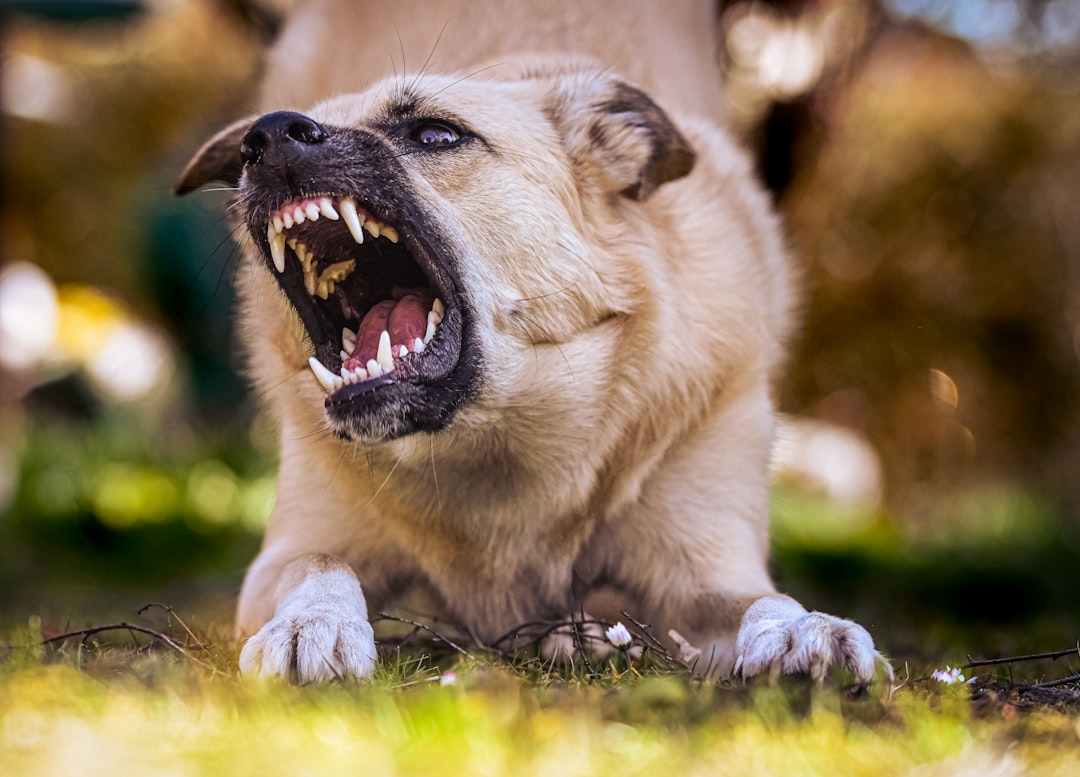
Before you can effectively calm your pet, you need to understand what’s causing their distress. Dogs express fear through body language—tucked tails, flattened ears, excessive drooling, trembling, or attempts to hide. Recognizing these recognizing dog anxiety symptoms early allows you to intervene before panic escalates.
Common Environmental Triggers
Loud noises like fireworks, thunderstorms, and construction sounds rank among the top fear inducers for dogs. Many pets also experience separation anxiety when left alone, or develop phobias of specific objects like vacuum cleaners or car rides. Past trauma, especially in rescue dogs, can create lasting associations that trigger fear responses seemingly out of nowhere.
The Allergy-Anxiety Connection
One often-overlooked trigger is physical discomfort from allergies. When dogs suffer from chronic itching, skin irritation, or digestive upset, they exist in a state of constant low-grade stress. This physical distress lowers their threshold for handling environmental stressors, making them more likely to react fearfully to noises or changes in routine.
Addressing underlying allergic conditions can significantly improve your dog’s emotional resilience. Supplements like ROROCA Allergy Chews help support dogs dealing with allergic discomfort through ingredients like a Probiotic Blend (6-strain) for gut health, Salmon Oil for skin barrier support, and natural anti-inflammatories including Licorice Root Extract, Curcuma Longa Extract (Turmeric), and Echinacea Extract. When your dog isn’t distracted by itchy skin or digestive distress, they can better regulate their emotional responses.
Immediate Techniques for How to Calm a Scared Dog
When panic strikes, you need tools that work within minutes. These natural calming aids for dogs provide immediate relief during acute episodes.
Create a Safe Sanctuary Space
Designate a specific area in your home as a permanent safe zone. This should be a quiet, interior room away from windows, equipped with your dog’s favorite blankets and toys. During storms or fireworks, the bathroom or a closet often works best, as these spaces naturally muffle sound. Encourage your dog to retreat there before fear escalates, never forcing them inside, but making it an appealing option with treats and comfortable bedding.
Apply Gentle Pressure Therapy
Pressure wraps like Thundershirts work by applying constant, gentle pressure to your dog’s torso, similar to swaddling an infant. This pressure releases calming hormones and reduces heart rate. If you don’t have a commercial wrap, a snug-fitting t-shirt can serve as a temporary alternative. Wrap it around your dog’s chest and back, ensuring it’s snug but not restrictive.
Mask Triggering Sounds
White noise machines or calming classical music specifically composed for dogs can mask frightening outdoor noises. The frequency and rhythm of certain classical pieces have been shown to lower cortisol levels in canines. Keep a playlist ready on your phone for unexpected noise events, playing it at a volume that masks the trigger sound without overwhelming your dog.
Use Scent Therapy
Pheromone diffusers mimic the calming chemicals mother dogs produce for their puppies. Plug these into your safe room several days before anticipated stressful events. Lavender and chamomile essential oils, properly diluted and diffused (never applied directly to skin), can also promote relaxation in sensitive dogs.
Long-Term Confidence Building Strategies
While immediate fixes help in the moment, lasting calm requires building your dog’s confidence over weeks and months.
Desensitization and Counter-Conditioning
Systematic desensitization involves exposing your dog to their fear trigger at such low intensities that they don’t react fearfully, then gradually increasing intensity while pairing the experience with high-value rewards. For noise phobias, start with thunderstorm recordings at barely audible levels while feeding special treats, slowly increasing volume over weeks as your dog remains relaxed.
Mental and Physical Exercise
A tired dog is typically a calmer dog. Ensure your pet receives appropriate physical exercise for their breed and age, but don’t overlook mental stimulation. Puzzle toys, sniffing games, and training sessions exhaust the brain in ways physical activity alone cannot, reducing baseline anxiety levels that contribute to fearful reactions.
Support Gut-Brain Health
Emerging research highlights the gut-brain axis in dogs—meaning digestive health directly impacts mental health. Dogs with chronic allergies or digestive issues often display more anxious behaviors. Alongside behavioral training, supporting your dog’s immune system and digestive comfort creates a foundation for emotional stability.
For dogs with seasonal or food sensitivities, addressing these physical issues reduces the overall stress load on their system. The proprietary blend in quality allergy supplements supports the immune response naturally, allowing your dog to feel physically comfortable enough to focus on behavioral training rather than persistent discomfort.
Environmental Modifications for Anxious Dogs
Your home environment plays a crucial role in managing canine anxiety. Small adjustments can create a more secure atmosphere for sensitive pets.
Soundproofing doesn’t require major renovation. Heavy curtains, weather stripping around doors, and strategically placed bookcases can significantly reduce noise infiltration. For dogs terrified of thunderstorms, creating a “bunker” in a basement or interior bathroom with mattresses leaned against walls provides excellent sound dampening.
Consider your lighting as well. Dogs with anxiety often benefit from dim, warm lighting rather than harsh overhead LEDs. Salt lamps or amber bulbs create a soothing ambiance that signals safety to a frightened nervous system.
Consistency matters enormously for anxious dogs. Maintain regular feeding, walking, and bedtime schedules. Predictability reduces uncertainty, which in turn reduces anxiety. When changes are unavoidable, introduce them gradually rather than suddenly.
Frequently Asked Questions About Calming Scared Dogs
Can allergies make my dog act scared or anxious?
Yes, absolutely. Chronic itching, skin inflammation, and digestive discomfort from allergies put your dog in a constant state of physical distress. This lowers their tolerance for environmental stressors and can manifest as anxiety, restlessness, or fearful behaviors. Addressing managing canine allergies often results in improved emotional stability as physical comfort increases.
Should I comfort my dog when he’s scared, or will that reinforce the fear?
This is a common myth. You cannot reinforce fear the way you can reinforce behaviors like jumping or begging. Comforting a terrified dog by petting, speaking softly, or staying nearby provides security and can actually help them recover faster. The key is remaining calm yourself—if you’re anxious about their anxiety, that transfers to your pet.
How long does it take for a scared dog to calm down?
Acute episodes typically last 20-30 minutes after the trigger stops, though some dogs may remain on edge for hours. With consistent training and environmental management, you should see improvement in your dog’s recovery time within 4-6 weeks. Severe phobias may require 3-6 months of dedicated counter-conditioning work.
What’s the difference between a scared dog and an excited dog?
Body language tells the story. Excited dogs have loose, wagging tails, open mouths, and bouncy movements. Scared dogs display tucked tails, pinned ears, whale eye (showing the whites of their eyes), trembling, and may freeze or try to escape. Excitement builds toward interaction; fear builds toward avoidance or shutdown.
Can supplements help calm a scared dog?
While specific calming supplements containing L-theanine or casein exist, many pet owners overlook that addressing underlying physical issues can dramatically improve anxiety. Dogs suffering from allergic reactions benefit from immune-supporting supplements that reduce physical discomfort. When the body isn’t fighting constant irritation, the mind can better handle stress.
When should I consult a veterinarian about my dog’s fear?
Seek professional help if your dog’s fear causes self-injury, destruction of property, aggression, or complete withdrawal from normal activities. Also consult your vet if fear appears suddenly in an adult dog, as this may indicate thyroid issues, pain, or other medical conditions masquerading as behavioral problems.
Building a Calmer Future for Your Canine Companion
Learning how to calm a scared dog requires patience, consistency, and a willingness to address both immediate symptoms and underlying causes. While quick fixes like pressure wraps and safe spaces help in the moment, lasting change comes from building confidence through training, ensuring physical comfort, and creating predictable environments.
Remember that every dog progresses at their own pace. What works for one anxious pup may not work for another. Stay observant, celebrate small victories, and don’t hesitate to involve your veterinarian or a certified behaviorist for severe cases. By addressing potential physical contributors like allergies alongside behavioral interventions, you give your dog the best chance at a relaxed, happy life.
Start with one technique from this guide today, and gradually build your toolkit. Your scared dog can become a confident companion with the right support, understanding, and time.