

When Max started pawing at his ears relentlessly last spring, his owner Sarah assumed it was just seasonal shedding. But when red patches appeared on his belly and the scratching continued through the night, she realized this was something more serious. Like millions of dog owners, Sarah was facing the frustrating reality of canine allergic dermatitis.
Learning how to treat dog skin allergies effectively requires understanding that this condition isn’t just uncomfortable for your pet—it’s a complex immune response that demands a multi-faceted approach. Whether your dog suffers from environmental triggers like pollen and dust mites or food sensitivities, the constant itching, licking, and scratching can lead to secondary infections and significantly impact their quality of life.
In this comprehensive 2026 guide, we’ll explore evidence-based strategies for managing and treating your dog’s skin allergies, from conventional veterinary treatments to natural supportive therapies that address the root cause of inflammation. You’ll discover practical solutions you can implement immediately, plus guidance on when professional intervention becomes necessary.

The Science Behind Canine Allergic Dermatitis
Before diving into treatment options, it’s essential to understand what happens inside your dog’s body during an allergic reaction. Canine atopic dermatitis (CAD) occurs when your dog’s immune system overreacts to normally harmless substances, known as allergens. These can include environmental triggers like tree pollen, grass, mold spores, dust mites, or specific proteins in their diet.
When an allergic dog encounters these triggers, their immune system releases histamines and other inflammatory compounds. This chemical cascade causes intense itching, redness, and skin barrier dysfunction. The problem compounds when dogs scratch or chew at irritated skin, creating a cycle of inflammation and potential bacterial or yeast infections.
Recent veterinary research emphasizes that treating skin allergies requires addressing both the immediate symptoms and the underlying immune dysregulation. This dual approach offers the best chance for long-term relief rather than just temporary management.
How to Treat Dog Skin Allergies: Medical Interventions
Working closely with your veterinarian remains the cornerstone of effective allergy management. Modern veterinary medicine offers several pathways to relief, depending on your dog’s specific symptoms and the severity of their condition.
Prescription Anti-Itch Medications
Two breakthrough medications have transformed how veterinarians approach allergic itching. Apoquel (oclacitinib) works by inhibiting specific enzymes called Janus kinases (JAK) that trigger itching and inflammation. Most dogs experience relief within four hours, making it ideal for acute flare-ups.
Cytopoint offers a different approach as a biological therapy. This monoclonal antibody injection neutralizes the specific protein that sends itch signals to your dog’s brain. One injection typically provides relief for four to eight weeks, making it convenient for pet parents who struggle with daily pill administration.
Traditional corticosteroids like prednisone remain an option for severe cases, though veterinarians now use them more cautiously due to potential side effects including increased thirst, weight gain, and immune suppression. These are typically reserved for short-term crisis management rather than long-term maintenance.
Treating Secondary Infections
Chronic scratching breaks down the skin barrier, creating perfect conditions for bacterial and yeast overgrowth. If you notice a foul odor, greasy coat, or honey-colored crusting, your dog likely needs antimicrobial treatment. Your veterinarian may prescribe oral antibiotics for deep bacterial infections or medicated shampoos containing chlorhexidine or miconazole for surface-level issues.
Addressing these secondary infections is crucial because they amplify itching significantly. Many pet owners find their dog’s allergies seem “cured” once infections are cleared, only to realize the underlying allergy remains and requires ongoing management.
Allergen-Specific Immunotherapy (ASIT)
For dogs with identifiable environmental allergies, allergen-specific immunotherapy represents the only treatment that potentially modifies the immune system rather than just suppressing symptoms. This approach, commonly called “allergy shots,” involves exposing your dog to gradually increasing concentrations of their specific allergens through injections or oral drops.
The process begins with intradermal skin testing or blood tests to identify specific triggers. Your veterinarian then formulates a customized serum containing minute amounts of these allergens. Over months or years, this exposure teaches your dog’s immune system to tolerate these substances rather than reacting aggressively.
While immunotherapy requires patience—improvement typically appears between six and twelve months—it offers the best long-term prognosis for severely allergic dogs. Studies from veterinary dermatology journals indicate that approximately 60-75% of dogs respond favorably to this treatment, with some achieving complete remission of symptoms.
Nutritional Strategies and Supplement Support
Diet plays a fundamental role in skin health and immune function. While true food allergies affect only about 10-15% of allergic dogs, many pets benefit from dietary modifications that support skin barrier function and reduce systemic inflammation.
The Role of Omega Fatty Acids
Supplementing with high-quality omega-3 fatty acids, particularly EPA and DHA from fish oil sources, helps modulate the inflammatory response. These compounds compete with pro-inflammatory substances at the cellular level, potentially reducing the intensity of allergic reactions. Look for supplements derived from wild-caught fish or algae sources, administering approximately 180mg of EPA per 10 pounds of body weight daily.
Probiotics and Immune Modulation
Emerging research highlights the gut-skin axis in dogs, revealing that digestive health significantly influences skin conditions. A diverse gut microbiome helps regulate immune responses, potentially reducing hypersensitivity reactions.
High-quality probiotic supplements containing multiple strains of beneficial bacteria can support this balance. Products like ROROCA Allergy Chews combine a 6-strain Probiotic Blend with anti-inflammatory ingredients specifically chosen for allergic dogs. The addition of Salmon Oil provides essential fatty acids, while botanical ingredients like Licorice Root Extract and Curcuma Longa Extract (Turmeric) offer natural cortisol-like effects without the side effects of steroids. Echinacea Extract rounds out the formula by supporting immune system regulation rather than overstimulation.
When selecting supplements, prioritize products with transparent ingredient lists and veterinary formulation. These supportive therapies work best as part of a comprehensive treatment plan rather than standalone solutions.
Elimination Diet Trials
If your veterinarian suspects food allergies, an eight to twelve-week elimination diet becomes necessary. This involves feeding a novel protein or hydrolyzed protein diet exclusively—no treats, table scraps, or flavored medications. Common prescription options include kangaroo, rabbit, or hydrolyzed soy proteins that break down molecules small enough to evade immune detection.
Environmental Control and At-Home Management
While you cannot eliminate all environmental allergens, strategic modifications to your dog’s environment significantly reduce allergen load and symptom severity.
Air Quality Management: HEPA air purifiers remove airborne pollen, dust mites, and mold spores from your home environment. Place units in rooms where your dog spends the most time, particularly bedrooms if your dog sleeps with you. Regular vacuuming with HEPA-filtered vacuums and washing bedding weekly in hot water reduces dust mite populations.
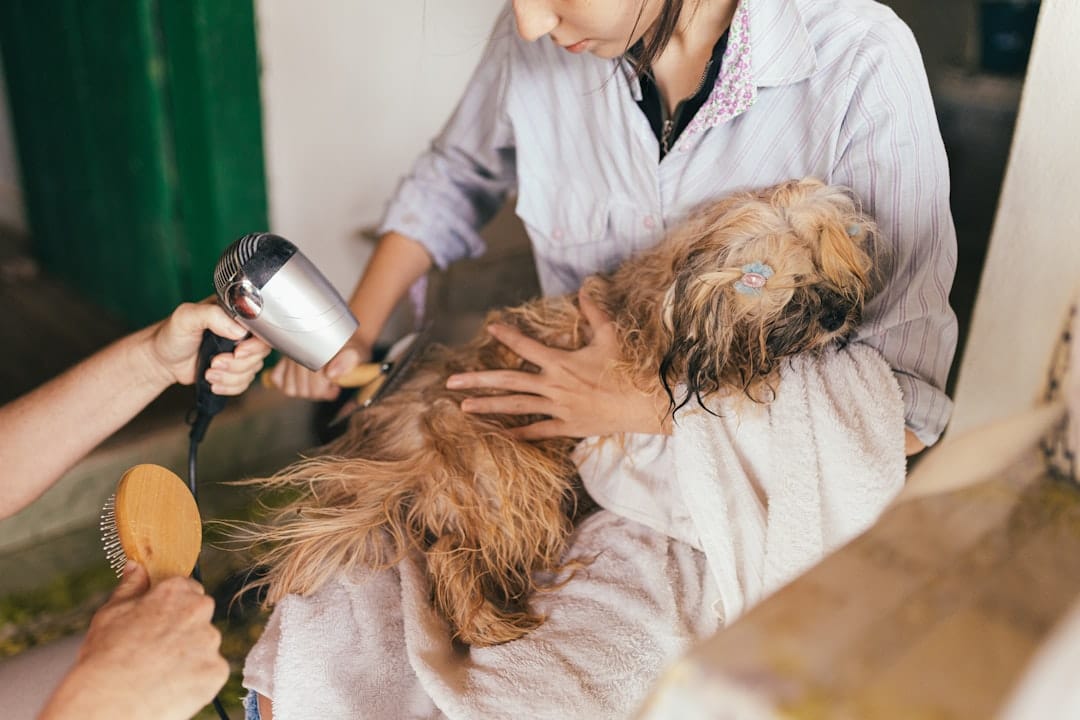
Bathing Protocols: Therapeutic bathing serves dual purposes: removing allergens from the coat and restoring skin barrier function. Use hypoallergenic or medicated shampoos containing oatmeal, aloe vera, or ceramides. For dogs with environmental allergies, bathing two to three times weekly during high-pollen seasons prevents allergens from penetrating the skin. Always follow with conditioner to prevent over-drying.
Paw Care: Since dogs absorb allergens through their paws, wiping feet with hypoallergenic baby wipes after outdoor excursions removes pollen before it triggers reactions. Some dogs benefit from protective booties during walks during peak allergy seasons.
Integrative and Alternative Therapies
Many pet owners successfully complement conventional treatments with alternative therapies. While research varies regarding efficacy, several approaches show promise.
Acupuncture: Traditional Chinese Veterinary Medicine (TCVM) practitioners use acupuncture to modulate immune responses and reduce inflammation. Some veterinary dermatologists report success combining acupuncture with conventional treatments for refractory cases.
Colloidal Oatmeal: Topical applications of colloidal oatmeal provide immediate, though temporary, relief from itching. The starches form a protective barrier while phenols reduce inflammation. Soaks work particularly well for dogs with localized itching on paws or underbellies.
CBD and Cannabinoids: Preliminary studies suggest cannabinoids may help regulate immune responses and reduce inflammation. However, dosing remains controversial, and product quality varies dramatically. Consult your veterinarian before adding CBD to your dog’s regimen, as interactions with other medications are possible.
Monitoring Progress and Adjusting Treatment
Treating skin allergies requires ongoing vigilance. Keep a symptom diary tracking itching intensity (using a scale of 1-10), visible skin changes, and any correlation with seasons, dietary changes, or environmental exposures. This documentation proves invaluable during veterinary consultations.
Photograph affected areas weekly to objectively track healing or progression. Many pet parents become accustomed to their dog’s baseline itching and don’t recognize gradual improvements or deteriorations without visual references.
Be prepared for treatment modifications. Allergies evolve over time, and dogs may develop new sensitivities or outgrow old ones. What works perfectly during one season may require adjustment in another.
Recognizing common signs of allergies in dogs early allows for prompt intervention before secondary infections develop. Similarly, understanding available dog allergy testing methods helps you make informed decisions about immunotherapy options.
Frequently Asked Questions
How long does it take to see improvement when treating dog skin allergies?
Timeline varies by treatment type. Anti-itch medications like Apoquel work within hours, while Cytopoint takes 1-3 days to reach full effect. Dietary changes require 8-12 weeks for full assessment. Immunotherapy shows results between 6-12 months. Natural supplements typically require 4-6 weeks of consistent use before noticeable improvements appear.
Can I treat my dog’s skin allergies at home without a vet?
While mild symptoms may respond to bathing, dietary supplements, and environmental controls, veterinary consultation remains essential for accurate diagnosis. Many skin conditions mimic allergies—including mange, fungal infections, and autoimmune disorders—that require specific prescription treatments. Attempting to self-treat serious allergies risks progression to severe skin infections.
What is the best food for dogs with skin allergies?
No single “best” food exists, but limited-ingredient diets with novel proteins (kangaroo, rabbit, venison) or hydrolyzed proteins work well for allergic dogs. Look for foods with omega-3 fatty acids and avoid common allergens like beef, dairy, chicken, wheat, and soy unless proven safe for your individual dog. Veterinary hypoallergenic formulations offer the most reliable option for elimination trials.
Are allergy shots worth the cost for dogs?
For dogs with year-round environmental allergies uncontrolled by other methods, immunotherapy often proves cost-effective long-term compared to lifelong medication. Initial testing costs $300-600, with monthly maintenance serum costing $50-100. When successful, immunotherapy reduces or eliminates need for prescription anti-itch medications and decreases secondary infection treatment costs.
How often should I bathe a dog with skin allergies?
Frequency depends on severity and season. During peak allergy seasons, bathing 2-3 times weekly removes accumulated allergens from the coat. Use lukewarm water and hypoallergenic or medicated shampoos specifically formulated for sensitive skin. Over-bathing strips natural oils, so always condition afterward and reduce frequency during lower-allergen seasons.
Can skin allergies in dogs be cured permanently?
Currently, no cure exists for atopic dermatitis—it’s a lifelong condition requiring management. However, some dogs achieve remission through immunotherapy, and others outgrow specific sensitivities. With comprehensive treatment combining medical management, environmental control, and nutritional support, most allergic dogs live comfortable, happy lives with minimal symptoms.
When should I seek emergency veterinary care for my dog’s allergies?
Seek immediate care if your dog develops facial swelling, hives with difficulty breathing, or open wounds from scratching that won’t stop bleeding. While rare, dogs can experience anaphylaxis from insect stings or acute allergic reactions. Non-emergency but urgent veterinary visits are warranted if skin becomes intensely red, oozes pus, or if your dog seems systemically ill (fever, lethargy, loss of appetite).

Building Your Dog’s Path to Relief
Treating dog skin allergies requires patience, consistency, and often a combination of approaches tailored to your pet’s specific triggers. While the journey to finding the right treatment protocol can feel overwhelming, the reward of watching your dog sleep peacefully through the night without scratching makes the effort worthwhile.
Start with a veterinary examination to rule out non-allergic conditions and discuss prescription options for immediate relief. Then, build a comprehensive management plan incorporating environmental controls, appropriate bathing protocols, and nutritional support. Supplements like ROROCA Allergy Chews can provide valuable immune and skin support through their blend of probiotics, salmon oil, and soothing botanical extracts.
Remember that allergies change over time, so remain flexible and willing to adjust strategies as needed. With the right combination of medical care and home management, your allergic dog can enjoy comfortable, itch-free days and restful nights.