

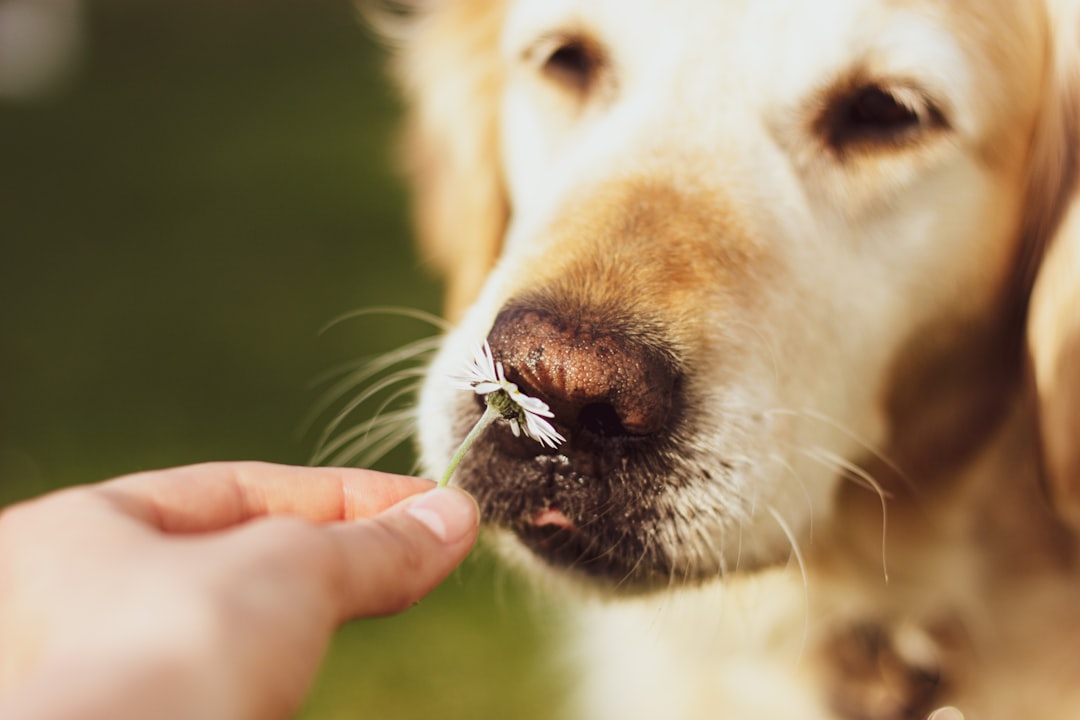
As a dog parent, watching your pup suffer from relentless itching, red eyes, or constant sneezing is heartbreaking. You reach for your own allergy relief bottle and wonder: can dogs have allergy medicine safely? You’re not alone in this question—millions of pet owners face the dilemma of seasonal allergies, food sensitivities, and environmental triggers that leave their furry companions miserable.

Before you share your medicine cabinet with your four-legged friend, it’s crucial to understand which medications are safe, which are toxic, and how proper dosing works. This comprehensive guide breaks down everything you need to know about canine allergy treatments, from over-the-counter antihistamines to prescription solutions, plus natural alternatives that might surprise you.

The Quick Answer: Yes, But With Critical Caveats
Yes, dogs can have certain allergy medications, but never without veterinary guidance. While some human antihistamines like Benadryl (diphenhydramine) and Zyrtec (cetirizine) are generally considered safe for dogs, others—particularly those containing decongestants or artificial sweeteners—can be lethal. The key lies in understanding active ingredients, appropriate dosages based on your dog’s weight, and potential drug interactions.
Most importantly, signs your dog has allergies should always be evaluated by a veterinarian first. What appears to be allergies could actually indicate skin infections, parasites, or autoimmune disorders that require completely different treatments.
Understanding Canine Allergies: Why Medication Matters
Dogs experience allergies differently than humans. While we typically sneeze and get watery eyes, dogs often manifest allergic reactions through their skin. Atopic dermatitis, the most common allergic condition in dogs, causes intense itching, hair loss, and secondary infections from scratching.
The three primary categories of canine allergies include:
Environmental Allergies: Pollen, dust mites, mold spores, and grass trigger seasonal flare-ups that may require intermittent medication during high-allergen months.
Food Allergies: Proteins like chicken, beef, or dairy cause year-round symptoms that won’t respond to antihistamines alone, requiring dietary changes rather than medication.
Flea Allergy Dermatitis: Even one flea bite can trigger severe reactions in sensitive dogs, making prevention more important than treatment.
Can Dogs Have Allergy Medicine Designed for Humans?
This is where pet parents need to exercise extreme caution. While veterinarians do sometimes recommend human antihistamines for dogs, the dosage and formulation matter enormously. Never administer liquid formulations designed for children, as these often contain xylitol—a sugar substitute that causes fatal hypoglycemia and liver failure in dogs.
Generally Safe Options (Vet Approval Required)
Diphenhydramine (Benadryl) remains the most commonly recommended over-the-counter option for acute allergic reactions like bee stings or vaccine responses. Cetirizine (Zyrtec) offers longer-lasting relief with less drowsiness, making it suitable for daily environmental allergies. Loratadine (Claritin) provides another non-drowsy alternative, though some dogs metabolize it poorly.
Absolutely Dangerous Medications
Decongestants like pseudoephedrine and phenylephrine cause dangerous spikes in blood pressure, heart rate, and body temperature. Pain relievers such as ibuprofen and acetaminophen destroy liver tissue and cause kidney failure. Even topical allergy creams containing hydrocortisone can be toxic if licked off in large quantities.
Prescription Allergy Medications for Dogs
When over-the-counter options fail to control symptoms, veterinary dermatologists turn to more powerful solutions. These medications require strict monitoring but offer life-changing relief for severe sufferers.
Apoquel (Oclacitinib): This daily tablet targets the specific enzymes triggering itch signals, providing relief within four hours. It works well for short-term flare-ups but requires blood monitoring for long-term use.
Cytopoint: An injectable biological treatment that neutralizes the proteins causing itch for four to eight weeks per dose. Ideal for dogs who resist pills or experience stomach upset from oral medications.
Atopica (Cyclosporine): Originally developed for organ transplant patients, this immunosuppressant calms the overactive immune response causing allergies. It takes four to six weeks to reach full effectiveness but works when antihistamines fail completely.
Corticosteroids: Prednisone and similar steroids offer powerful anti-inflammatory effects for acute crises. However, long-term use causes diabetes, Cushing’s disease, and organ damage, making them suitable only for short-term management.
Proper Dosage Guidelines and Safety Protocols
Determining whether proper antihistamine dosage for dogs requires precise calculations. Generally, veterinarians recommend one milligram of diphenhydramine per pound of body weight, administered two to three times daily. For Zyrtec, the standard dose ranges from five to ten milligrams once daily depending on size.
However, these guidelines vary based on:
Your dog’s current medications, as antihistamines interact dangerously with sedatives, antidepressants, and heart medications. Underlying health conditions like glaucoma, high blood pressure, or urinary retention can make antihistamines hazardous. Age also factors significantly—puppies under six months and senior dogs metabolize drugs differently than healthy adults.
Always start with the lowest effective dose and monitor for adverse reactions including excessive sedation, vomiting, diarrhea, or behavioral changes. Keep a medication diary tracking symptoms, dosages, and responses to help your veterinarian adjust treatment.
Natural Alternatives to Conventional Allergy Medicine
For pet parents seeking gentler approaches or complementary therapies to reduce pharmaceutical dependence, several evidence-backed natural alternatives to allergy medication exist. These options support the immune system rather than suppressing symptoms.
Omega-3 fatty acids from fish oil reduce skin inflammation and improve the skin barrier against allergens. Quercetin, a flavonoid found in apples and broccoli, acts as a natural antihistamine without drowsiness. Local raw honey may help with pollen allergies through gradual desensitization, though evidence remains anecdotal.
Dietary supplementation represents one of the safest long-term strategies for allergy management. Products like ROROCA Allergy Chews combine multiple beneficial ingredients into convenient daily treats. These vet-formulated chews feature a six-strain probiotic blend that supports gut health—where seventy percent of the immune system resides—alongside salmon oil for anti-inflammatory omega-3s. The addition of licorice root extract provides cortisone-like soothing effects without side effects, while curcuma longa extract (turmeric) and echinacea extract reduce histamine responses naturally.
Regular bathing with hypoallergenic shampifts removes allergens from the coat before they penetrate the skin. Air purifiers with HEPA filters reduce indoor pollen and dust mites that trigger reactions. Simple environmental management often reduces medication needs significantly.
Frequently Asked Questions
Can I give my dog Benadryl every day for allergies?
While daily Benadryl is generally safe for short periods, chronic daily use isn’t recommended without veterinary supervision. Long-term antihistamine use can mask worsening conditions and may lose effectiveness over time. If your dog requires daily medication beyond two weeks, consult your vet about safer long-term options like Apoquel or Cytopoint.
Is Zyrtec or Benadryl better for dogs?
Zyrtec typically wins for chronic allergies due to once-daily dosing and minimal sedation. Benadryl works faster for acute reactions like insect bites but causes drowsiness and requires multiple daily doses. Some dogs respond better to one than the other—if Zyrtec doesn’t help after two weeks, try switching rather than increasing the dose.
What happens if my dog eats too much allergy medicine?
Overdose symptoms include dilated pupils, rapid heartbeat, tremors, seizures, and collapse. If you suspect your dog consumed excess medication, contact your emergency veterinarian or poison control immediately. Bring the medication packaging to help them calculate toxicity levels based on your dog’s weight and the amount ingested.
Can puppies take allergy medicine?
Most veterinarians avoid antihistamines in puppies under six months old unless treating life-threatening allergic reactions. Young dogs have immature liver enzymes that struggle to process medications, increasing toxicity risks. For itchy puppies, focus on gentle bathing, dietary adjustments, and environmental control rather than pharmaceuticals.
How long does allergy medicine take to work in dogs?
Benadryl begins working within thirty minutes but peaks at two hours. Zyrtec and Claritin need twenty-four to forty-eight hours to show full effects. Prescription options like Apoquel work within four hours, while Cytopoint provides relief within one day of injection. Natural supplements typically require four to six weeks of consistent use before showing significant improvement.
Can dogs take Claritin instead of Benadryl?
Yes, loratadine (Claritin) serves as a non-drowsy alternative to Benadryl, though some dogs experience minimal relief from it. The standard dose is five milligrams for dogs under fifteen pounds and ten milligrams for larger breeds once daily. Avoid Claritin-D, which contains dangerous pseudoephedrine.
When to Skip the Medicine Cabinet and Call Your Vet
Certain symptoms indicate emergencies requiring immediate veterinary care rather than home treatment. Difficulty breathing, facial swelling, or hives spreading rapidly suggest anaphylaxis—a life-threatening allergic reaction needing epinephrine, not oral antihistamines. Similarly, if your dog scratches until they bleed, develops pus-filled skin lesions, or loses patches of hair, secondary bacterial infections require antibiotics alongside allergy management.
Remember that treating symptoms without addressing underlying causes wastes money and prolongs suffering. Your veterinarian can perform intradermal skin testing or blood work to identify specific allergens, potentially leading to immunotherapy shots that cure allergies rather than merely masking them.
Conclusion: Making Informed Decisions About Canine Allergy Relief
Navigating whether can dogs have allergy medicine requires balancing immediate relief with long-term safety. While certain human antihistamines offer safe, affordable options for occasional flare-ups, they represent only one tool in comprehensive allergy management. Working closely with your veterinarian ensures your dog receives appropriate dosing, monitoring, and alternative treatments when needed.
Consider integrating natural support like ROROCA Allergy Chews alongside any pharmaceutical protocol to strengthen your dog’s immune system from within. By combining proper medication, environmental control, and nutritional support, you can help your allergic dog live comfortably without constant itching. Always consult your vet before starting any new treatment, and remember that what works for one dog may harm another—individualized care saves lives.