

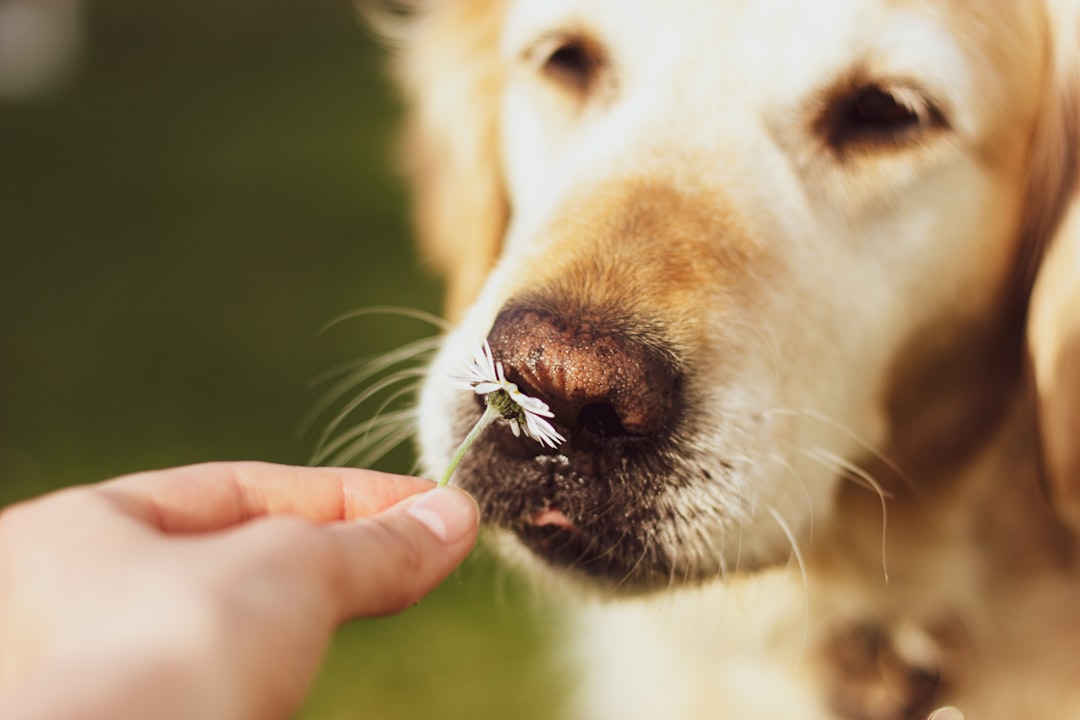
When Sarah noticed her Golden Retriever, Max, scratching relentlessly at 2 AM for the third night in a row, she reached for her own allergy medication bottle. Can dogs take allergy meds? she wondered, staring at the antihistamine label. If you’re like Sarah, watching your furry companion suffer from red, itchy skin, watery eyes, or constant paw-licking, you’ve probably asked the same question.
While the answer isn’t a simple yes or no, understanding which medications are safe—and which could be dangerous—is crucial for every pet parent. In this comprehensive 2026 guide, we’ll explore whether human allergy medications are appropriate for dogs, which options veterinarians actually recommend, dosage guidelines, and natural alternatives that might provide the relief your pup desperately needs.
The Short Answer: Can Dogs Take Allergy Meds?
Yes, some human allergy medications are safe for dogs, but only under veterinary supervision. Can dogs take allergy meds designed for humans? The answer depends entirely on the active ingredients, your dog’s weight, existing health conditions, and current medications. While certain antihistamines like Benadryl, Zyrtec, and Claritin are commonly recommended by veterinarians for mild allergic reactions, others can be toxic or fatal.
Never administer human medication to your dog without first consulting your veterinarian. Dogs metabolize drugs differently than humans, and what provides relief for you could cause severe complications for your four-legged friend. Additionally, many over-the-counter allergy medications contain decongestants or other additives that are dangerous for canine consumption.

Recognizing Common Dog Allergy Symptoms
Before reaching for medication, it’s important to confirm that your dog is actually suffering from allergies rather than another underlying condition. Canine allergies typically manifest through:
- Skin irritation: Red, inflamed patches, excessive scratching, or hot spots
- Paw obsession: Constant licking or chewing at paws, often leaving saliva stains
- Ear problems: Frequent ear infections, head shaking, or foul odor from ears
- Respiratory signs: Sneezing, watery eyes, or reverse sneezing fits
- Gastrointestinal issues: Vomiting or diarrhea (common with food allergies)
If your dog displays these symptoms seasonally or after exposure to specific triggers like pollen, dust, or certain foods, allergies are likely the culprit. However, similar symptoms can indicate parasitic infections, hormonal imbalances, or skin infections, which require different safe dog allergy treatments entirely.

Safe Over-the-Counter Allergy Medications for Dogs
When pet parents ask “can dogs take allergy meds from my medicine cabinet,” veterinarians typically discuss three main antihistamines. These medications work by blocking histamine receptors, reducing itching, swelling, and other allergic responses.
Diphenhydramine (Benadryl)
Benadryl remains the most commonly recommended human antihistamine for dogs. It’s effective for acute allergic reactions, bee stings, and mild seasonal allergies. The standard dosage is typically 1 mg per pound of body weight, given 2-3 times daily, but always confirm with your vet.
Critical warning: Only use plain Benadryl containing diphenhydramine as the sole active ingredient. Avoid combination products containing acetaminophen, pseudoephedrine, or alcohol, as these are toxic to dogs.
Cetirizine (Zyrtec)
Zyrtec causes less drowsiness than Benadryl and works well for chronic environmental allergies. Many veterinarians prefer it for long-term management of atopic dermatitis. Typical dosing ranges from 0.5 to 1 mg per pound of body weight once daily.
Loratadine (Claritin)
Claritin provides 24-hour relief with minimal sedation. However, avoid Claritin-D, which contains pseudoephedrine—a decongestant that can cause dangerous heart rate increases, seizures, or death in dogs.
Prescription Allergy Medications: When OTC Isn’t Enough
For dogs with moderate to severe allergies, over-the-counter antihistamines often provide insufficient relief. Your veterinarian might recommend prescription options that specifically target canine immune responses:
Apoquel (Oclacitinib)
This non-steroidal medication specifically targets the enzymes responsible for itching and inflammation. It begins working within 4 hours and effectively controls atopic dermatitis without the side effects associated with steroids.
Cytopoint
An injectable biological therapy, Cytopoint contains engineered antibodies that neutralize the protein responsible for sending itch signals to your dog’s brain. One injection typically provides relief for 4-8 weeks.
Atopica (Cyclosporine)
This immunosuppressant modifies the immune system’s response to allergens, making it ideal for dogs with severe atopic dermatitis. It requires blood monitoring but offers significant relief for chronic sufferers.
Corticosteroids
Prednisone and similar steroids provide rapid, powerful relief for acute allergic reactions but are not suitable for long-term use due to side effects including increased thirst, weight gain, and immune suppression.
Medications That Can Kill: What Never to Give
Understanding what can dogs take allergy meds-wise is equally important as knowing what they cannot take. Several common human allergy and cold medications are toxic to dogs:
Acetaminophen (Tylenol)
Even small doses can cause liver failure and damage red blood cells in dogs. Never give Tylenol for allergic discomfort.
Ibuprofen and Naproxen (Advil, Aleve)
These NSAIDs cause stomach ulcers, kidney failure, and neurological problems in canines. They’re particularly dangerous because symptoms may not appear immediately.
Decongestants (Pseudoephedrine, Phenylephrine)
Found in many “D” formulation allergy medications and cold remedies, these stimulants can elevate heart rate and blood pressure to lethal levels. As little as one tablet can kill a small dog.
Multi-Symptom Cold Medicines
These complex formulations often combine multiple dangerous ingredients. Stick to single-ingredient products only if your veterinarian approves.
Natural Dog Allergy Relief for Long-Term Health
While medications provide immediate relief, many pet parents seek sustainable, long-term solutions that support their dog’s immune system rather than simply suppressing symptoms. Natural supplements can reduce dependency on pharmaceuticals while addressing the root cause of allergic reactions.
ROROCA Allergy Chews: A Comprehensive Solution
For dogs struggling with seasonal or environmental allergies, ROROCA Allergy Chews offer a veterinarian-formulated alternative that targets immune health from multiple angles. These soft chews combine scientifically-backed ingredients:
- Probiotic Blend (6-strain): Supports gut health where 70% of the immune system resides, helping regulate overactive immune responses to allergens
- Salmon Oil: Rich in omega-3 fatty acids that reduce skin inflammation and improve coat quality
- Licorice Root Extract: Provides natural cortisone-like effects for itch relief without the side effects of synthetic steroids
- Curcuma Longa Extract (Turmeric): Powerful anti-inflammatory compound that reduces allergic skin reactions
- Echinacea Extract: Modulates immune function and supports the body’s natural defense mechanisms
Unlike antihistamines that merely block symptoms, these chews work to balance your dog’s immune response over time, potentially reducing the severity and frequency of allergic flares. They’re particularly valuable for dogs who experience drowsiness from traditional antihistamines or pet parents seeking a holistic approach to managing common dog allergy symptoms.
Additional Natural Strategies
Combine supplements with environmental management: regular bathing with hypoallergenic shampoo, HEPA air filtration, frequent washing of pet bedding, and elimination diets to identify food triggers. These measures often reduce medication needs significantly.
Dosage Guidelines and Safety Protocols
If your veterinarian approves over-the-counter antihistamines, precise dosing becomes critical. Always use a kitchen scale or measuring device rather than estimating:
Weight-Based Dosing Basics
Most antihistamines require milligram-per-pound calculations. For example, a 25-pound dog might need 25 mg of Benadryl, while a 75-pound Labrador requires 75 mg. Use pediatric liquid formulations for precise dosing in small dogs, ensuring no alcohol or xylitol in the ingredients.
Monitoring for Adverse Reactions
Even safe medications can cause side effects. Watch for:
- Excessive sedation or hyperactivity
- Dry mouth (manifesting as increased thirst)
- Urinary retention
- Gastrointestinal upset
- Paradoxical excitement (especially in certain breeds)
Discontinue use and contact your veterinarian immediately if you observe vomiting, difficulty breathing, seizures, or collapse.
Frequently Asked Questions About Dogs and Allergy Medications
Can I give my dog Benadryl every day?
While Benadryl is generally safe for daily use in healthy dogs, long-term daily administration should be discussed with your veterinarian. Chronic daily use might mask worsening conditions or interact with other medications. For daily management, your vet might recommend newer antihistamines like Zyrtec or prescription options with fewer side effects.
How quickly do allergy medications work in dogs?
Antihistamines like Benadryl typically begin working within 30 minutes to 1 hour, with peak effectiveness around 2 hours. However, for chronic allergies, you might not see full improvement for several days of consistent dosing. Prescription options like Apoquel work faster (4 hours), while Cytopoint provides relief within 24 hours.
What should I do if my dog accidentally ate my allergy medication?
Immediately contact your veterinarian, emergency animal hospital, or the Pet Poison Helpline. Bring the medication bottle to identify exact ingredients and strength. Do not induce vomiting unless specifically instructed, as some medications can cause aspiration pneumonia if vomited.
Can puppies take allergy medication?
Most veterinarians avoid antihistamines in puppies under 12 weeks old unless treating acute allergic reactions to vaccines or insect bites. Young dogs have immature liver enzymes that process drugs differently than adults. Always consult your vet before giving any medication to puppies.
Are there breed-specific concerns with allergy medications?
Yes. Herding breeds (Collies, Australian Shepherds) often carry the MDR1 gene mutation, making them sensitive to various drugs. Brachycephalic breeds (Bulldogs, Pugs) might experience increased respiratory depression from sedating antihistamines. Always mention your dog’s breed when discussing medication options with your vet.
Can I combine antihistamines with other allergy treatments?
Never combine multiple antihistamines or add human medications to prescription regimens without veterinary approval. However, antihistamines are often safely combined with omega-3 supplements, probiotics, and medicated shampoos. Your veterinarian might prescribe an antihistamine alongside Apoquel or Cytopoint for breakthrough itching control.
Is it safe to give allergy meds to pregnant or nursing dogs?
Most antihistamines should be avoided during pregnancy unless benefits outweigh risks. Benadryl is generally considered safe, but always confirm with your veterinarian, as some studies suggest potential effects on developing puppies.
Conclusion: Making Safe Choices for Your Itchy Dog
Can dogs take allergy meds? The answer requires careful consideration of your specific dog’s health, weight, and the particular medication in question. While certain human antihistamines offer safe, effective relief for mild allergies, they represent just one tool in your allergy management toolkit.
For optimal results, combine appropriate medications with natural dog allergy relief strategies like ROROCA Allergy Chews, environmental controls, and regular veterinary check-ups. Remember that allergies are a chronic condition requiring ongoing management rather than a one-time cure.
Always start with a veterinary consultation to confirm allergies and rule out secondary infections. With the right combination of safe dog allergy treatments, your pup can find lasting relief from itching and return to the happy, playful companion you love.