

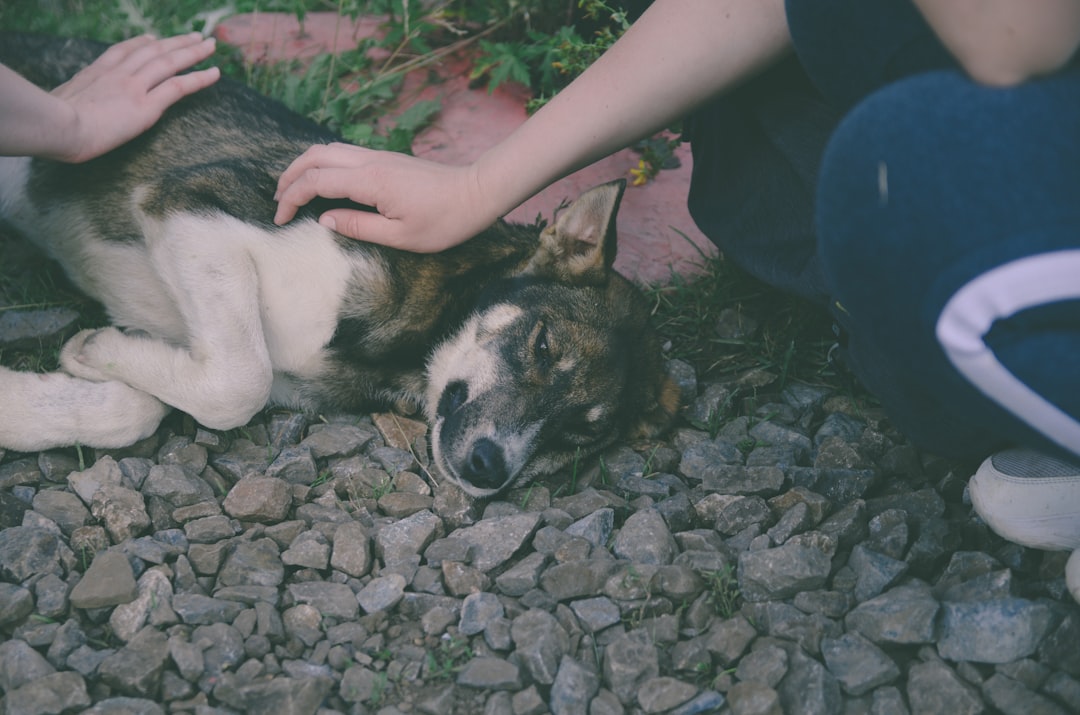
When Max, my two-year-old Border Collie, started treating my living room like an agility course at 2 AM for the third night in a row, I found myself asking the same exhausted question many pet parents face: does getting a dog fixed calm them down? Like countless dog owners searching for solutions to hyperactive behavior, I wondered if neutering would transform my energetic tornado into a serene companion—or if I was hoping for a miracle that surgery couldn’t deliver.

This comprehensive guide explores what veterinary science actually says about spaying, neutering, and canine behavior. We’ll separate hormone-driven habits from genuine energy levels, examine when medical issues like allergies mimic hyperactivity, and help you set realistic expectations for your furry family member.

Understanding What “Getting Fixed” Actually Changes
Before addressing whether dog behavior after spaying or neutering changes dramatically, it’s essential to understand what the procedure actually does. Spaying (for females) removes the ovaries and usually the uterus, eliminating estrogen and progesterone production. Neutering (for males) removes the testicles, eliminating testosterone production.
These hormones drive specific reproductive behaviors. Testosterone fuels roaming in search of mates, urine marking to claim territory, and mounting behaviors. Estrogen influences the heat cycles that can cause restlessness and attract unwanted male attention. Removing these hormone sources typically reduces these specific drives—but here’s where expectations often collide with reality.
What fixing doesn’t change is your dog’s fundamental personality, intelligence, or exercise requirements. A high-energy breed like a Jack Russell Terrier won’t transform into a couch potato simply because of surgery. Their brain structure, breed instincts, and individual temperament remain intact. The procedure addresses hormone-influenced behaviors, not baseline energy levels or learned habits.
Does Getting a Dog Fixed Calm Them Down? The Science Behind the Question
So, does getting a dog fixed calm them down? The answer requires nuance. Research indicates that neutering reduces behaviors driven by sexual hormones—roaming decreases by significant margins in most males, urine marking inside the home often diminishes, and aggression related to mating competition typically lessens. However, general excitability, playfulness, and exercise needs usually remain unchanged.
A common misconception among pet owners is that hyperactivity stems primarily from hormonal surges. While intact males may experience frustration when detecting females in heat, and females may show restlessness during estrus cycles, day-to-day energy manifests differently. Your dog’s zoomies at 6 PM likely reflect insufficient exercise or mental stimulation rather than reproductive hormones.
Veterinary behaviorists emphasize that fixing provides the most noticeable calming effects in dogs whose problematic behaviors are specifically hormone-driven. If your male dog constantly tries to escape the yard to find females, neutering often helps dramatically. If your female becomes anxious and vocal during heat cycles, spaying typically resolves these episodes. But for the dog who simply has “too much energy,” surgery isn’t a substitute for daily runs, puzzle toys, or training.
Behavioral Changes You Can Realistically Expect
Reduction in Roaming and Marking
One of the most consistent outcomes of neutering is decreased roaming tendencies. Male dogs no longer driven by the biological imperative to find mates typically stay closer to home and respond better to recall commands. Indoor urine marking—territorial spraying that makes many owners consider rehoming—often ceases or reduces significantly within weeks of surgery.
Aggression and Dominance Behaviors
Testosterone can fuel inter-dog aggression, particularly between males competing for status or mating rights. Many owners report reduced dog-to-dog aggression following neutering, though this varies by individual. It’s crucial to note that fear-based aggression, poor socialization, or learned behaviors require behavioral training, not just hormonal adjustment.
The Energy Level Reality Check
Here’s where many owners feel disappointed. If you expected your Labrador to stop demanding fetch sessions after neutering, you may be surprised. While the intensity of hormone-driven desperation decreases, your dog’s genetic programming for activity remains. That 6 AM wake-up call for playtime? That’s not testosterone—that’s a healthy, well-rested dog being a dog.
When Restlessness Isn’t Hormonal: The Allergy Connection
Before scheduling surgery hoping to calm hyperactive dogs, consider whether your pet’s “hyperactivity” actually signals discomfort. Many dogs suffering from undiagnosed allergies exhibit behaviors owners mistake for excess energy. Constant scratching, pacing, inability to settle, and restless sleep often indicate allergic distress rather than behavioral issues.
Environmental allergies cause skin irritation that makes dogs unable to get comfortable. They pace, circle, scratch, and appear agitated—not because they’re energetic, but because they’re itchy and miserable. Food allergies can cause gastrointestinal discomfort leading to restlessness and anxiety. In these cases, neutering or spaying won’t help because the root cause is immunological, not hormonal.
If your dog shows signs of allergic distress alongside behavioral concerns, addressing their immune health may provide the calming effect you’re seeking. ROROCA Allergy Chews offer comprehensive support for dogs dealing with allergic reactions that disrupt their quality of life. These soft chews contain a powerful Probiotic Blend featuring 6 specific strains to support gut health and immune balance, plus Salmon Oil rich in omega-3 fatty acids to reduce inflammatory skin responses.
The formula also includes Licorice Root Extract for its soothing properties on irritated tissues, Curcuma Longa Extract (Turmeric) providing natural anti-inflammatory compounds, and Echinacea Extract to support immune system modulation. By addressing the underlying allergic reactions causing your dog’s restlessness, you may discover that “hyperactivity” was actually discomfort all along—something surgery cannot fix.
Timing Matters: Age and Surgical Intervention
The age at which you spay or neuter influences behavioral outcomes. Early altering (before sexual maturity) may prevent the development of hormone-driven habits like marking or roaming entirely, as dogs never experience these hormonal surges. However, some large-breed studies suggest waiting until physical maturity benefits orthopedic health.
For behavioral modification purposes, younger dogs typically adapt more readily to post-surgical hormone changes. A dog neutered at 8 months old, before establishing strong territorial marking patterns, usually shows more dramatic behavioral shifts than a 5-year-old dog with years of learned habits. That said, older dogs can still benefit—testosterone-driven behaviors often diminish regardless of age, though established habits require additional training to unlearn.
Beyond Surgery: Holistic Approaches to Calm Canines
Whether you choose to spay/neuter or keep your dog intact, managing energy requires a multi-faceted approach. Physical exercise remains non-negotiable—most behavioral issues labeled as “hyperactivity” actually indicate insufficient activity. A tired dog is typically a calm dog, regardless of reproductive status.
Mental stimulation proves equally important. Puzzle feeders, scent work, and training sessions exhaust the brain in ways physical exercise alone cannot. Dogs bred for work—herding, retrieving, guarding—need jobs to feel fulfilled. Without cognitive challenges, they invent their own activities (usually destructive ones).
Training techniques focusing on impulse control teach dogs to manage their own arousal levels. Teaching a solid “settle” command, rewarding calm behavior, and managing the environment to prevent overstimulation create calmer household dynamics. These methods work whether your dog is fixed or intact, addressing the learned components of behavior that surgery cannot touch.
Frequently Asked Questions
How long after neutering does a dog calm down?
Hormone levels drop immediately after surgery, but behavioral changes typically become noticeable within 3-6 weeks as residual hormones clear the system. However, learned behaviors like marking may take additional training time to eliminate completely, even after the biological drive diminishes.
Will spaying stop my female dog from being hyper?
Spaying eliminates heat cycle-related restlessness and attractant-driven male attention, but won’t reduce your dog’s baseline energy level. If your female seems hyperactive due to signs of allergies in dogs or insufficient exercise, spaying won’t address those issues.
Do male dogs change personality after being neutered?
Core personality traits remain stable after neutering. Your playful, affectionate dog won’t become lethargic or lose his spark. However, hormone-driven behaviors like territorial aggression, roaming, and marking typically decrease, which owners sometimes perceive as a “personality change” toward being more manageable.
Can fixing a dog make anxiety worse?
Some studies suggest early neutering may slightly increase noise phobias or anxiety in certain breeds, though research remains ongoing. For dogs with existing anxiety, behavioral modification and environmental management prove more effective than surgical intervention alone.
Is it too late to neuter my 3-year-old dog for behavioral benefits?
It’s never too late to reduce hormone-driven behaviors. While older dogs may have established habits requiring additional training to break, the biological drive reduction benefits apply at any age. Many owners report significant improvements in roaming and marking even in senior dogs.
Why is my dog still hyper after being fixed?
If your dog remains energetic months after surgery, they likely have high exercise needs, excellent health, or possibly undiagnosed discomfort. Consider whether allergies, joint pain, or anxiety might be causing restlessness. Consult your veterinarian to rule out medical causes for persistent hyperactivity.
Conclusion: Setting Realistic Expectations
So, does getting a dog fixed calm them down? Yes—and no. Spaying and neutering effectively reduce hormone-driven behaviors like roaming, marking, and mating-related aggression. However, they don’t transform high-energy breeds into low-energy companions or replace the need for exercise, training, and mental stimulation.
Before pursuing surgery solely for behavioral modification, rule out medical causes of restlessness. Conditions like allergies can make dogs appear hyperactive when they’re actually uncomfortable. Supporting your dog’s overall wellness with appropriate care—including targeted allergy support when needed—combined with consistent training and adequate exercise, creates the calm, balanced companion you’re seeking.
Ready to help your dog feel their best? Whether you choose surgical intervention or natural management strategies, understanding your individual dog’s needs remains the key to a harmonious household. Consult with your veterinarian about the best timing for spaying or neutering, and address any health concerns that might be masquerading as behavioral issues.