

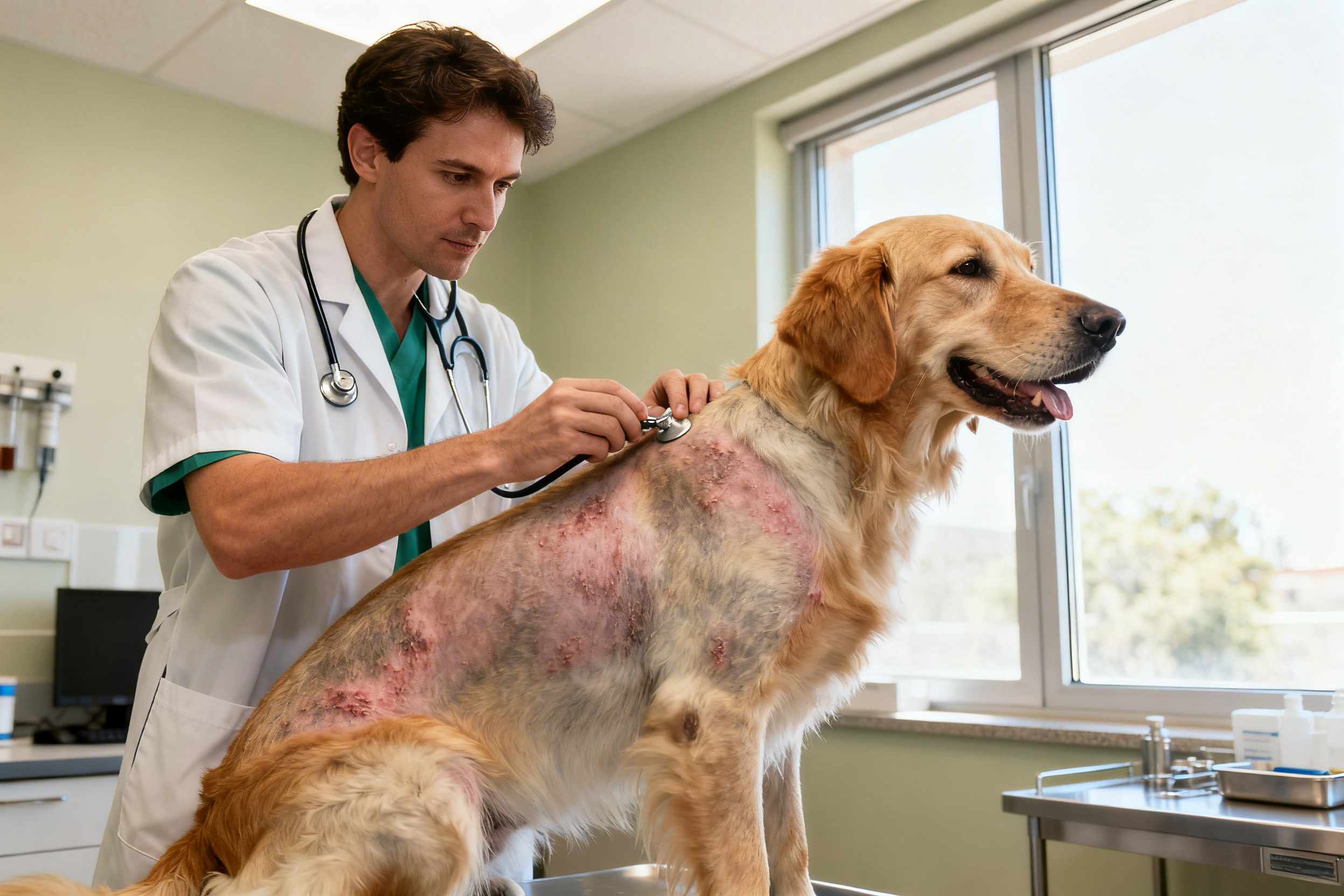
When Max started waking his owner Sarah up at 3 AM with relentless scratching, she initially dismissed it as dry winter skin. Three weeks later, the red patches behind his ears had spread to his belly, and his once-lustrous coat was thinning. Like thousands of pet parents searching for answers, Sarah found herself asking the critical question: how do you know if your dog has allergies versus other common skin conditions?

Canine allergies affect approximately 10-15% of dogs worldwide, yet they remain one of the most underdiagnosed conditions in veterinary medicine. Whether your pup is chewing their paws raw or experiencing chronic ear infections, understanding the distinction between environmental sensitivities, food intolerances, and flea reactions can mean the difference between temporary discomfort and long-term health complications.

In this comprehensive 2026 guide, we’ll explore the definitive signs that indicate allergic reactions, walk through diagnostic protocols veterinarians use, and examine evidence-based solutions—including natural options like ROROCA Allergy Chews—to help your furry companion find lasting relief.
The Telltale Signs: How Do You Know If Your Dog Has Allergies?
Unlike humans who typically sneeze and sniffle, dogs manifest allergic reactions primarily through their skin and gastrointestinal systems. Recognizing these distinct patterns early can prevent secondary infections and unnecessary suffering.
Dermatological Symptoms That Demand Attention
Pruritus—veterinary terminology for intense itching—represents the most common indicator of canine atopic dermatitis. If your dog is scratching excessively, particularly around the face, paws, ears, and underbelly, you’re likely observing an allergic response rather than simple dry skin. Look for these specific manifestations:
Red, inflamed skin that feels warm to the touch often accompanies allergic flares. You might notice your dog rubbing their face against furniture or carpet, attempting to relieve the irritation. Chronic ear infections that recur within weeks of treatment completion frequently signal underlying food or environmental allergies, as the ear canals become inflamed and susceptible to yeast and bacterial overgrowth.
Hot spots—acute moist dermatitis—develop when persistent scratching breaks the skin barrier, creating perfect conditions for bacterial colonization. These painful, oozing lesions require immediate veterinary intervention but indicate that your dog’s immune system is overreacting to perceived threats.
Gastrointestinal Red Flags
While less visible than skin symptoms, digestive disturbances provide crucial clues when determining how do you know if your dog has allergies versus other conditions. Chronic loose stools, vomiting unrelated to dietary indiscretion, and excessive flatulence often point to food protein intolerances.
Dogs with food allergies may also exhibit increased bowel movements—sometimes three to four times daily rather than the typical one to two—and may strain during defecation. Weight loss despite normal appetite occurs when chronic inflammation prevents proper nutrient absorption, making dietary modification essential.
Respiratory and Behavioral Indicators
Though rarer in dogs than cats, airborne allergens can trigger reverse sneezing, watery eyes, and nasal discharge. Some dogs develop compulsive behaviors like obsessive licking of specific paws or tail-chasing when histamine levels rise. These behaviors often intensify during pollen seasons or after exposure to dust mites, providing temporal clues to the allergen source.
Decoding the Three Primary Allergy Categories
Understanding the specific category of allergy affecting your dog determines treatment efficacy. Each type requires distinct management strategies, from environmental modifications to dietary overhauls.
Environmental Atopy: The Seasonal Struggle
Atopic dermatitis triggered by pollen, mold spores, dust mites, and grass affects genetically predisposed breeds including Golden Retrievers, Bulldogs, and Terriers. These dogs typically exhibit symptoms between six months and three years of age, with severity increasing during spring and fall pollen surges.
Unlike food allergies that cause year-round symptoms, environmental allergies often follow predictable patterns. If your dog’s scratching intensifies after walks in grassy areas or during high pollen count days, you’re likely dealing with atopic dermatitis. Intradermal skin testing remains the gold standard for identifying specific environmental triggers, allowing for targeted immunotherapy.
Adverse Food Reactions: Beyond the Ingredient List
Contrary to popular belief, food allergies represent immunological responses to specific proteins rather than grain sensitivities. Beef, dairy, chicken, and wheat top the list of canine allergens, with symptoms developing after months or years of eating the same diet.
The only definitive method for diagnosing food allergies involves an elimination diet for dogs with food allergies lasting eight to twelve weeks. During this period, your dog consumes either a novel protein diet (containing proteins they’ve never encountered) or hydrolyzed protein food where molecules are too small to trigger immune responses. Improvement typically occurs within four to six weeks, with symptoms returning upon rechallenge with the original diet.
Flea Allergy Dermatitis: The Tiny Terror
Even minimal flea exposure can trigger devastating reactions in sensitized dogs. A single flea bite can cause intense itching lasting weeks due to hypersensitivity to flea saliva proteins. Dogs with flea allergies often exhibit characteristic “pants staining”—hair loss and redness along the lower back, tail base, and inner thighs.
Paradoxically, you may never spot actual fleas on allergic dogs because their excessive grooming removes the evidence. Regular application of veterinary-approved parasiticides remains non-negotiable for these patients, even during winter months.
The Diagnostic Process: Confirming Your Suspicions
While home observation provides valuable insights, veterinary confirmation prevents misdiagnosis of conditions with similar presentations, including mange, ringworm, and autoimmune disorders.
Initial Veterinary Examination
Your veterinarian will conduct a thorough history review, documenting symptom onset, seasonal patterns, and dietary history. Physical examination focuses on skin lesion distribution—face and ear involvement suggests food allergies, while foot chewing and recurrent ear infections indicate atopy.
Skin scrapings rule out demodectic and sarcoptic mange, while fungal cultures exclude ringworm. Cytology of ear discharge or skin impressions identifies secondary bacterial or Malassezia infections requiring concurrent treatment.
Advanced Testing Options
Serum IgE testing measures allergen-specific antibodies in blood, offering convenience but potentially less accuracy than intradermal testing for environmental allergies. For food allergies, patch testing remains investigational, with elimination-challenge protocols maintaining diagnostic superiority.
Recent advances in 2026 include component-resolved diagnostics that identify specific protein components triggering reactions, allowing for more precise allergen avoidance strategies.
Holistic Management and Natural Support
Once you’ve determined how do you know if your dog has allergies, implementing a multi-modal approach provides the best outcomes. While pharmaceuticals like antihistamines and corticosteroids offer immediate relief, long-term management benefits from immune system modulation.
Dietary supplementation with omega-3 fatty acids reduces inflammatory cytokine production, while probiotics support gut barrier integrity—crucial since 70% of canine immune function resides in the gastrointestinal tract. ROROCA Allergy Chews combine these principles with a synergistic blend designed to address allergic responses naturally.
These veterinarian-formulated soft chews feature a six-strain Probiotic Blend that restores healthy gut flora, potentially reducing systemic inflammation. Wild-caught Salmon Oil provides EPA and DHA fatty acids that moisturize skin from within and reduce histamine release. Traditional botanicals including Licorice Root Extract offer cortisol-like anti-inflammatory effects without immunosuppression, while Curcuma Longa Extract (Turmeric) inhibits the NF-kB inflammatory pathway.
Echinacea Extract rounds out the formulation by modulating immune responses rather than simply suppressing them—essential for dogs with chronic allergies who need balanced immune function rather than shutdown. When incorporated into a comprehensive management plan alongside environmental controls and appropriate medical therapy, these natural ingredients support your dog’s ability to tolerate allergens without misery.
Emergency Situations: When Itching Becomes Dangerous
While allergies rarely constitute emergencies, secondary complications require immediate intervention. Facial swelling, particularly around the eyes and muzzle, suggests angioedema—a severe allergic reaction potentially progressing to anaphylaxis. Difficulty breathing, collapse, or profound lethargy demands emergency veterinary care regardless of perceived cause.
Hot spots covering large body surface areas or skin that becomes black, necrotic, or emits foul odors indicate deep pyoderma or necrotizing fasciitis—conditions requiring aggressive antibiotic therapy and possible surgical debridement.
Frequently Asked Questions
How do you know if your dog has allergies versus dry skin?
Allergies typically cause intense, persistent itching that doesn’t respond to moisturizing shampoos or humidifiers. Dry skin presents as flaky dandruff without redness, odor, or secondary infections. Allergic dogs scratch, lick, and chew specific areas repeatedly, while dry skin causes mild, generalized discomfort that improves with omega fatty acid supplementation.
Can dogs suddenly develop allergies as they age?
Yes, dogs can develop allergies at any life stage, though most environmental allergies manifest between ages one and three. Food allergies often require months or years of exposure before sensitization occurs. Senior dogs experiencing new-onset itching should undergo thyroid testing, as hypothyroidism mimics allergy symptoms while compromising skin health.
What is the most accurate way to test for dog allergies?
For environmental allergies, intradermal skin testing performed by veterinary dermatologists provides superior accuracy compared to blood tests. For food allergies, the elimination diet challenge remains the only definitive diagnostic method, as blood tests for food allergies demonstrate high false-positive rates and are not recommended by veterinary dermatology guidelines.
Are certain dog breeds more prone to allergies?
Genetic predisposition significantly influences allergy development. Breeds including French Bulldogs, Golden Retrievers, Labrador Retrievers, West Highland White Terriers, and German Shepherds demonstrate higher atopy rates. However, mixed-breed dogs are not immune—approximately 25% of allergic dogs seen at specialty clinics are mixed breeds.
How long does it take to see improvement after starting allergy treatment?
Antihistamines provide relief within hours but help only 30% of dogs. Corticosteroids work within 24-48 hours but carry long-term side effects. Immunotherapy requires six to twelve months before significant improvement. Natural supplements like ROROCA Allergy Chews typically show results within four to six weeks as gut flora and inflammatory markers normalize.
Can I give my dog Benadryl for allergies?
Diphenhydramine (Benadryl) offers safe, temporary relief for mild allergic reactions at 1 mg per pound of body weight, given 2-3 times daily. However, many dogs metabolize antihistamines rapidly, experiencing limited benefit. Never administer combination products containing decongestants or pain relievers, and consult your veterinarian before starting any medication regimen.
Conclusion
Determining how do you know if your dog has allergies requires careful observation of skin, digestive, and behavioral patterns combined with veterinary expertise. Whether your dog suffers from seasonal pollen sensitivity or chronic food intolerances, early recognition prevents the cycle of itching, infection, and discomfort that diminishes quality of life.
By implementing environmental controls, pursuing appropriate diagnostic testing, and supporting your dog’s immune system with targeted nutrition—including quality supplements like ROROCA Allergy Chews—you can transform an itchy, miserable pup into a comfortable, thriving companion. Schedule a consultation with your veterinarian today to begin your dog’s journey toward allergy relief, because every scratch-free day is a gift worth pursuing.
📖 Related Reading
- Dog Allergy Symptoms: Complete Guide
- Dog Skin Allergy Treatment Options
- Dog Food Allergies: Symptoms & Solutions