

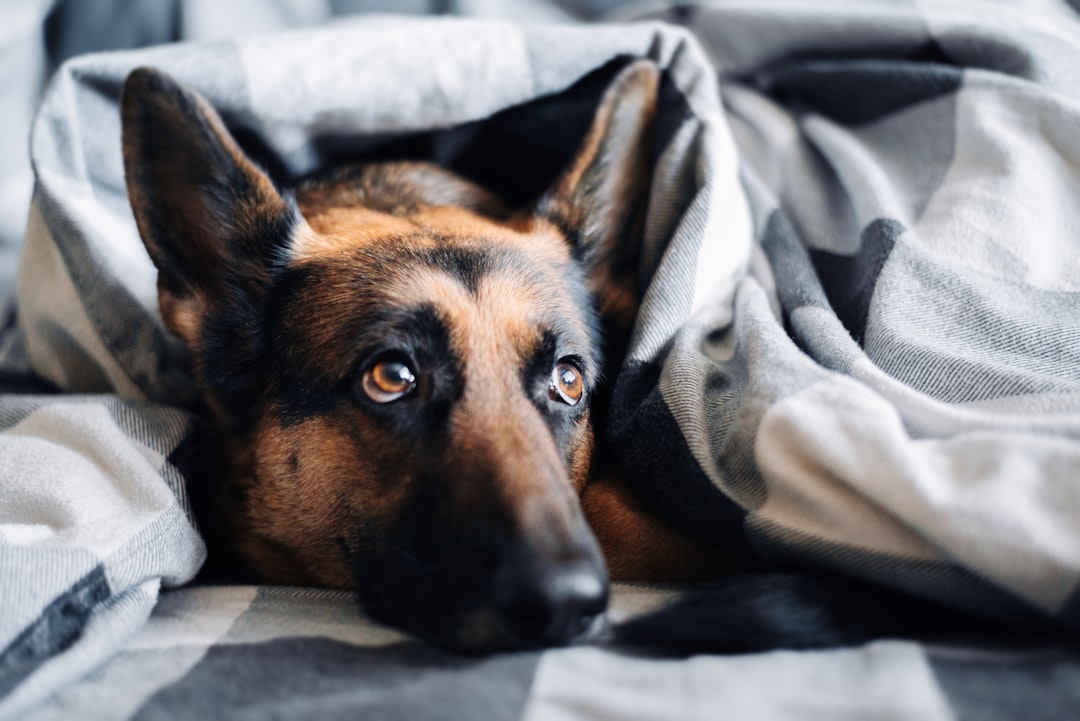
When Max started pacing relentlessly at 2 AM, his owner Sarah assumed it was just thunderstorm anxiety. But after weeks of chronic itching and skin irritation, she discovered the surprising truth: her dog’s anxiety wasn’t just behavioral—it was physically driven by undiagnosed allergies. If you’re searching for how to calm dog anxiety naturally while addressing potential allergy triggers, you’re not alone. Millions of pet parents are turning to holistic solutions that treat the whole dog, not just the symptoms.
In this comprehensive 2026 guide, we’ll explore evidence-based natural remedies that address both emotional distress and the physical discomfort that often triggers anxious behaviors in dogs.
The Hidden Link Between Allergies and Anxiety in Dogs
Before diving into solutions, understanding the connection between physical discomfort and emotional distress is crucial. When dogs suffer from environmental or food allergies, the constant itching, inflammation, and digestive upset create a state of chronic stress. This physical discomfort often manifests as anxiety behaviors that owners mistake for purely psychological issues.
Research from veterinary immunology shows that allergic reactions release histamines and inflammatory cytokines that can cross the blood-brain barrier, directly affecting mood regulation. Additionally, the gut microbiome—which plays a massive role in canine digestive health and probiotics—communicates constantly with the brain through the vagus nerve. When allergies disrupt gut health, anxiety often follows.
Signs that your dog’s anxiety might have an allergic component include:
- Excessive scratching or licking that coincides with nervous behaviors
- Seasonal pattern to anxiety episodes
- Digestive issues paired with restlessness
- Red, inflamed skin alongside pacing or whining
Addressing both conditions simultaneously often yields better results than treating anxiety alone.

How to Calm Dog Anxiety Naturally: 7 Holistic Strategies That Work
Finding effective ways to calm dog anxiety naturally requires a multi-modal approach. These seven strategies work synergistically to reduce stress hormones while addressing underlying inflammatory conditions.
1. Environmental Modifications for Stress Reduction
Creating a calming sanctuary starts with sensory management. Dogs with allergies are often hypersensitive to environmental stimuli, making anxiety worse. Start by identifying and eliminating airborne irritants like dust mites, pollen, and mold that trigger both allergic reactions and nervous behaviors.
Invest in a high-quality HEPA air purifier for your dog’s resting area. Not only does this reduce allergen load, but the white noise generated can mask startling outdoor sounds that trigger anxiety. Maintain temperatures between 68-72°F, as overheating exacerbates itching and restlessness in allergic dogs.
Consider pheromone diffusers that mimic the calming scent of a nursing mother dog. These release synthetic versions of the appeasing pheromone (DAP) that naturally reduces stress without sedating your pet.
2. Nutritional Support for the Gut-Brain Axis
The connection between diet and anxiety cannot be overstated. Foods that trigger allergic responses create systemic inflammation, while nutritional deficiencies impair neurotransmitter production. Transitioning to a limited-ingredient diet eliminates common allergens like chicken, beef, corn, and wheat.
Omega-3 fatty acids from marine sources reduce inflammatory markers while supporting brain cell membrane fluidity. Look for cold-pressed salmon oil specifically, as it contains EPA and DHA in ratios optimal for canine neurological health.
For dogs struggling with both skin issues and nervous behaviors, ROROCA Allergy Chews offer a dual-action solution. These veterinary-formulated soft chews contain a proprietary 6-strain Probiotic Blend that restores gut balance—crucial since 70% of the immune system resides in the digestive tract. The addition of Salmon Oil provides anti-inflammatory omega-3s, while Licorice Root Extract soothes irritated mucous membranes and skin. Curcuma Longa Extract (Turmeric) delivers potent antioxidant support that calms systemic inflammation, and Echinacea Extract strengthens immune response without overstimulating it.
Unlike pharmaceutical anxiety medications that merely mask symptoms, this combination addresses root causes by healing the gut-skin-brain connection.
3. Structured Physical Exercise and Mental Stimulation
Anxiety creates excess cortisol and adrenaline that must be burned through appropriate activity. However, allergic dogs often have compromised stamina due to chronic inflammation. The key is moderate, consistent exercise rather than sporadic intense sessions.
Thirty minutes of sniffing walks twice daily provides better anxiety relief than high-intensity fetch sessions. Sniffing engages the olfactory system, which connects directly to the limbic system (emotional brain), naturally inducing calm. For dogs with environmental allergies, early morning or late evening walks reduce pollen exposure while still providing necessary mental enrichment.
Puzzle feeders and snuffle mats extend meal times, triggering the parasympathetic nervous system’s “rest and digest” response. This counteracts the sympathetic “fight or flight” state characteristic of anxiety disorders.
4. Herbal and Nutraceutical Interventions
Several botanicals have demonstrated anxiolytic effects in canines without the sedative side effects of prescription drugs. L-theanine, an amino acid found in green tea, increases GABA production—the brain’s primary inhibitory neurotransmitter—without causing drowsiness.
Passionflower and valerian root work similarly to benzodiazepines by binding to GABA receptors, but with much lower addiction potential. These are particularly useful for situational anxiety like vet visits or thunderstorms.
Adaptogenic herbs like ashwagandha help regulate cortisol levels over time, making them ideal for chronic stress management. When combined with the anti-inflammatory herbs found in holistic canine wellness supplements, these create a foundation for emotional resilience.
3. Therapeutic Massage and TTouch Techniques
Physical touch releases oxytocin in both humans and dogs—the bonding hormone that counteracts cortisol. Tellington TTouch, a specific method of circular finger movements across the body, has shown remarkable results in anxious dogs, particularly those with concurrent skin conditions.
The technique involves making clockwise circles with light pressure, moving the skin in one-and-a-quarter circle patterns. This activates the parasympathetic nervous system while increasing body awareness, helping dogs feel more secure in their physical selves.
For allergic dogs, avoid deep tissue massage that might irritate inflamed skin. Instead, focus on ear rubs (the ears contain numerous acupuncture points), gentle jaw massages, and long strokes along the spine. These areas have high concentrations of nerve endings that signal safety to the brain.
6. Sound Therapy and Frequency Healing
Bi-aural beats and specially composed canine music target specific brainwave states associated with relaxation. Classical music, particularly pieces with slow tempos (50-60 beats per minute), synchronizes with resting heart rates to induce calm.
Through a Dog’s Ear is a clinically tested series that uses psychoacoustic principles to reduce anxiety in 70% of tested dogs. Play this during anxiety-triggering situations like grooming, nail trims, or when leaving the house.
For severe cases, frequency-specific microcurrent therapy (FSM) performed by veterinary rehabilitation specialists uses low-level electrical currents to reduce inflammation and calm the central nervous system simultaneously.
7. Routine Optimization and Predictability
Anxiety thrives on unpredictability. Dogs with allergic conditions often develop anticipatory anxiety around medication times, vet visits, or bathing sessions. Creating rigid routines around these necessities helps reduce anticipatory stress.
Use the “Premack Principle”—pairing low-probability behaviors (taking medication) with high-probability ones (favorite treats or games). This transforms anxiety triggers into positive associations. Maintain consistent feeding, walking, and bedtime schedules to provide environmental predictability that soothes nervous systems.

Recognizing When Natural Methods Need Veterinary Support
While learning how to calm dog anxiety naturally empowers pet parents, certain situations require professional intervention. If your dog exhibits self-harming behaviors like excessive licking to the point of creating hot spots, or if anxiety prevents normal eating and sleeping for more than 48 hours, schedule a veterinary consultation immediately.
Some anxiety stems from medical conditions requiring diagnosis—thyroid imbalances, Cushing’s disease, or neurological disorders can mimic or exacerbate behavioral anxiety. A veterinarian can rule out these underlying conditions while guiding you on safe integration of natural supplements with any necessary medications.
Never discontinue prescribed anxiety medications abruptly in favor of natural alternatives. Instead, work with your vet to taper medications while implementing natural strategies, ensuring your dog’s emotional stability throughout the transition.
Frequently Asked Questions
Can food allergies cause anxiety behaviors in dogs?
Yes, absolutely. Food allergies trigger inflammatory responses that release cytokines affecting brain chemistry. Many dogs with undiagnosed protein allergies exhibit restlessness, hypervigilance, and compulsive behaviors that resolve once the allergen is eliminated. The gut-brain axis means that digestive discomfort directly translates to emotional distress.
How long does it take for natural calming methods to work?
Environmental and behavioral modifications typically show results within 2-4 weeks of consistent application. Nutritional interventions, particularly those targeting gut health with probiotics, may take 6-8 weeks to fully manifest in improved behavior. Herbal calming aids often work within 30-60 minutes for situational anxiety, while adaptogens require 2-3 weeks of daily use for chronic stress management.
Are essential oils safe for calming anxious dogs?
Caution is essential here. While lavender and chamomile have proven calming effects, dogs metabolize essential oils differently than humans. Never apply undiluted oils topically or allow ingestion. Diffusion should occur in well-ventilated areas with an escape route for the dog. Some oils, particularly tea tree, citrus, and peppermint, are toxic to dogs even in small amounts. Consult a veterinary aromatherapist before use.
Can I use ROROCA Allergy Chews purely for anxiety if my dog doesn’t have allergies?
While formulated for allergy relief, the ingredients in these chews support overall wellness that benefits anxious dogs. The 6-strain Probiotic Blend improves gut health critical for mood regulation, while Salmon Oil and Turmeric reduce systemic inflammation that contributes to stress. However, for anxiety without allergic components, you might consider supplements specifically targeting neurological support alongside these.
Is CBD oil effective for dog anxiety?
The research on CBD for canine anxiety remains limited but promising. A 2023 study from Colorado State University showed reduced stress behaviors in 83% of dogs given CBD before stressful events. However, quality control varies dramatically between products, and CBD can interact with other medications. If choosing this route, select broad-spectrum products specifically formulated for pets, and always discuss with your veterinarian first.
Why does my dog only seem anxious during certain seasons?
Seasonal anxiety often indicates environmental allergies. Spring and fall bring high pollen counts that trigger histamine release, creating physical discomfort manifesting as restlessness. Additionally, seasonal changes in daylight hours affect melatonin production, potentially disrupting sleep-wake cycles. Tracking your dog’s anxiety patterns alongside local allergy forecasts can reveal these connections.
Can anxiety make my dog’s allergies worse?
Unfortunately, yes—this creates a vicious cycle. Stress hormones like cortisol suppress immune function temporarily, then cause rebound inflammation when levels drop. Chronic anxiety maintains elevated cortisol, eventually dysregulating the immune system and worsening allergic responses. This is why addressing both conditions simultaneously through holistic canine wellness supplements and behavioral modification proves most effective.
Building Your Dog’s Natural Calming Protocol
Successfully calming your dog naturally requires patience and personalization. Start by identifying whether allergies contribute to your dog’s anxiety through elimination diet trials or intradermal skin testing. Simultaneously, implement environmental calming strategies and consistent routines.
Introduce nutritional support gradually, monitoring for improvements in both skin condition and behavior. The anti-inflammatory ingredients in quality supplements like ROROCA Allergy Chews—particularly the combination of Probiotic Blend, Salmon Oil, and Curcuma Longa Extract—provide foundational support for the gut-brain axis while addressing physical discomfort.
Remember that natural calming is cumulative. Unlike pharmaceutical sedatives that act immediately, these methods rebuild your dog’s physiological resilience over time. Document behavioral changes weekly to track progress, adjusting your approach based on your individual dog’s response.