

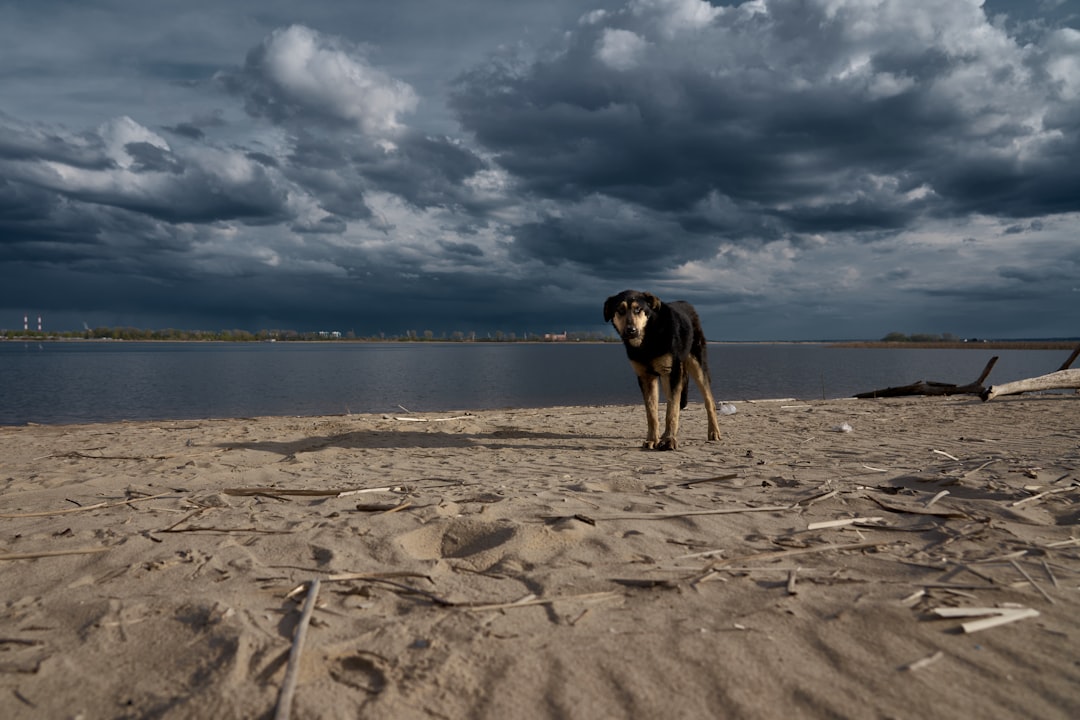
How to Calm a Dog During a Storm at Night: 2026 Guide
When the first rumble of thunder shook the house at 2 AM, Max immediately bolted from his bed and wedged himself behind the toilet, trembling so violently his teeth chattered. For millions of dog owners, this midnight scenario is heartbreakingly familiar. If you’re desperately searching for how to calm a dog during a storm at night, you’re facing one of the most challenging behavioral issues in pet parenting. Nighttime thunderstorms combine the already frightening elements of loud noises and barometric pressure changes with darkness and disrupted sleep cycles, creating a perfect storm of anxiety for sensitive pups.

This comprehensive 2026 guide covers evidence-based immediate relief techniques, long-term behavioral strategies, and environmental modifications to help your furry companion weather midnight storms with confidence. Whether your dog experiences mild unease or full-blown panic attacks, these veterinarian-approved methods will restore peace to your sleepless nights.

Why Nighttime Storms Trigger More Intense Fear Responses
Understanding the physiology behind your dog’s terror is the first step toward effective intervention. While dogs can develop anxiety during daytime thunderstorms, nighttime events often produce more severe reactions due to several biological and environmental factors.
Circadian rhythms play a significant role in fear responses. During nighttime hours, cortisol levels naturally drop while melatonin rises, creating a physiological state designed for rest and recovery. When a storm abruptly interrupts this cycle, the sudden cortisol spike feels more intense and disorienting. Additionally, darkness eliminates visual cues that might help dogs process the approaching weather during daylight hours, leaving them vulnerable to the full sensory assault of thunder, lightning flashes, and atmospheric pressure drops.
Static electricity buildup, which increases during storms, may also contribute to discomfort. Some researchers suggest dogs experience shocks through their fur, particularly in dry environments, creating a physical sensation of discomfort that compounds their emotional distress. When you combine these factors with the natural isolation dogs feel when the household is sleeping, it’s clear why learning how to recognize severe anxiety symptoms becomes crucial for pet parents.
Recognizing the Spectrum of Storm Anxiety Behaviors
Before implementing calming techniques, accurately assess your dog’s anxiety level. Storm phobia exists on a spectrum, and understanding your dog’s specific triggers helps tailor the most effective response.
Mild anxiety manifests as panting, pacing, or seeking increased attention. The dog remains responsive to commands but shows restlessness. Moderate anxiety includes trembling, hiding in closets or bathrooms, excessive drooling, and temporary loss of bladder control. Severe phobia involves destructive behavior, escape attempts that can result in injury, self-harm through excessive licking or scratching, and complete shutdown where the dog becomes unresponsive to their name or familiar voices.
Dogs with pre-existing conditions, such as environmental allergies or skin sensitivities, often display heightened reactivity during storms. The systemic inflammation associated with allergic responses can lower the threshold for stress tolerance, making these dogs more susceptible to panic attacks when weather changes occur.
Immediate Relief: How to Calm a Dog During a Storm at Night
When thunder wakes you at midnight and your dog is already in distress, these immediate interventions can prevent the anxiety from escalating into a full panic attack. Speed matters—intervening within the first few minutes of anxiety signs significantly improves outcomes.
Create a Sensory Sanctuary
Interior rooms without windows provide the most protection from both visual lightning flashes and sound penetration. Basements, interior bathrooms, or large closets work best. Prepare this space before storm season by making it familiar and comforting. Include your dog’s favorite bed, a worn t-shirt carrying your scent, and chew toys that provide oral fixation stress relief.
Consider installing blackout curtains or using thick blankets to create a cave-like environment. Many dogs instinctively seek den-like spaces during storms because enclosed areas limit sensory input and provide tactile pressure on multiple sides of the body, naturally triggering the parasympathetic nervous system.
Implement Pressure Therapy
Anxiety wraps and thunder shirts apply gentle, constant pressure to the torso, similar to swaddling an infant. This pressure stimulates the release of calming hormones like oxytocin and endorphins. For best results, put the wrap on your dog at the first sign of storm warnings or barometric pressure changes, not after panic has fully set in.
If you don’t have a commercial anxiety wrap, create a makeshift version using an Ace bandage or tight-fitting t-shirt. Wrap it snugly around the chest and over the back, ensuring your dog can breathe comfortably while feeling the hugging sensation. Combine this with slow, rhythmic massage along the spine and neck to further activate relaxation responses.
Deploy Advanced Sound Masking
While classical music helps, brown noise or pink noise often proves more effective than white noise for masking low-frequency thunder rumbles. These deeper sound frequencies better match the acoustic profile of thunder, providing more complete auditory masking. Several smartphone apps now offer “dog-specific” brown noise tracks designed to match canine hearing ranges.
Alternatively, turn on a loud fan, air purifier, or white noise machine before the storm arrives. Consistency matters—suddenly blasting music after thunder starts can startle an already anxious dog. Establish the baseline noise level during calm weather so the sound becomes associated with safety rather than panic.
Long-Term Management and Prevention Strategies
While immediate techniques provide relief during active storms, lasting change requires systematic desensitization and environmental management. These strategies require weeks or months of consistent application but can significantly reduce or eliminate storm phobia over time.
Systematic Desensitization Protocols
Counter-conditioning works by pairing the scary stimulus (thunder sounds) with positive experiences. Using recorded storm sounds available through various dog training apps, play the audio at extremely low volumes during pleasant activities like meal times or play sessions. Gradually increase the volume over weeks, never pushing to a level that triggers anxiety. This process teaches your dog that storm sounds predict good things, rewiring their emotional response.
Combine sound desensitization with the “settle” command training. Teach your dog to lie down on a specific mat or bed and relax on cue during calm weather. Once reliable, practice this behavior during low-volume storm recordings, gradually building duration and relaxation depth.
Holistic Wellness and Immune Support
Emerging research connects gut health and immune function to behavioral resilience in dogs. Systemic inflammation, often present in dogs with seasonal allergies or food sensitivities, can exacerbate anxiety responses by keeping the nervous system in a heightened state of arousal. Supporting your dog’s overall wellness may improve their ability to handle environmental stressors like storms.
Consider incorporating comprehensive immune-supporting supplements that address underlying inflammation. ROROCA Allergy Chews offer a synergistic blend of ingredients that support systemic calm while addressing environmental sensitivities. The formula includes a 6-strain Probiotic Blend to optimize gut health—essential since the gut produces approximately 70% of the body’s serotonin. Salmon Oil provides omega-3 fatty acids that support brain health and reduce inflammatory responses, while Licorice Root Extract offers adaptogenic properties that help modulate stress responses. The addition of Curcuma Longa Extract (Turmeric) provides powerful anti-inflammatory support, and Echinacea Extract helps maintain immune balance during stressful environmental changes.
While primarily formulated for allergy support, many pet parents find that addressing underlying immune dysregulation helps their dogs maintain better emotional stability during storms. Always consult your veterinarian before adding supplements, particularly if your dog takes anxiety medications.
Environmental Modifications
Static electricity buildup affects some storm-phobic dogs more than others. Using dryer sheets (fragrance-free and pet-safe varieties) or anti-static sprays on your dog’s bedding and favorite blankets can reduce uncomfortable static shocks. Maintaining higher humidity levels in your home using humidifiers during storm season may also decrease static accumulation in your dog’s coat.
Ensure your dog’s identification tags and microchip information remain current. Panicked dogs during storms may bolt through doors or break through windows. Create barriers to prevent escape while still allowing access to their safe space.
When to Seek Professional Veterinary Intervention
While natural calming methods work for many dogs, severe storm phobia constitutes a medical emergency in some cases. Dogs that injure themselves, destroy property, or experience prolonged anxiety lasting hours after the storm ends need pharmaceutical intervention alongside behavioral therapy.
Situational anti-anxiety medications prescribed by veterinarians, such as trazodone or alprazolam, can be given 30-60 minutes before predicted storms. For dogs with predictable seasonal storm phobia, daily antidepressant medications like fluoxetine may provide baseline anxiety reduction. Never use human medications without veterinary guidance, as many common human anti-anxiety drugs prove toxic to dogs.
Working with a board-certified veterinary behaviorist offers the best outcomes for severe cases. These specialists can create customized behavior modification protocols and adjust medication dosages for optimal results without excessive sedation.
Frequently Asked Questions
Why does my dog only panic during nighttime storms but seems okay during daytime thunder?
Nighttime storms eliminate visual warning cues that help dogs process the approaching weather. Additionally, the combination of darkness, disrupted sleep cycles, and the household being less active creates a more vulnerable psychological state. The absence of normal daytime distractions means your dog focuses entirely on the threatening stimuli.
Can I give my dog Benadryl to help them sleep through a storm?
While diphenhydramine (Benadryl) causes drowsiness in some dogs, it rarely provides adequate anxiety relief for storm phobia and may actually increase agitation in certain individuals. Always consult your veterinarian for appropriate dosages and consider prescription anti-anxiety medications specifically designed for noise phobias rather than relying on over-the-counter antihistamines.
Does comforting my dog during a storm reinforce their fear?
This common myth persists despite behavioral research showing otherwise. You cannot reinforce fear emotions the way you reinforce behaviors like jumping or begging. Comforting your dog by petting, speaking softly, or staying nearby provides genuine stress relief. Ignoring a terrified dog may actually worsen their anxiety by adding social isolation to their existing distress. Remain calm and provide reassurance without excessive coddling that might suggest you too are worried.
How long should I expect my dog’s anxiety to last after the storm passes?
Most dogs return to baseline within 30-60 minutes after the last thunderclap, though barometric pressure changes may keep some dogs on edge for hours. Dogs with severe phobia may remain hypervigilant for 24-48 hours, constantly checking windows and reacting to normal household sounds. Maintaining calm routines and avoiding stressful activities (like nail trims or baths) for two days after severe storms helps prevent anxiety stacking.
Are certain breeds more prone to storm anxiety than others?
While any dog can develop storm phobia, herding breeds (Border Collies, Australian Shepherds), working breeds (German Shepherds, Labrador Retrievers), and hounds (Beagles, Basset Hounds) show higher predispositions. These breeds often possess heightened environmental awareness and sensitivity to sound. However, rescue dogs of any breed with unknown histories may develop storm phobia due to past trauma associations.
Can dietary changes really help with storm anxiety?
Emerging research suggests that diets rich in omega-3 fatty acids, L-theanine, and tryptophan may support calmer behavior, particularly when combined with behavioral therapy. Additionally, addressing underlying food allergies or sensitivities reduces systemic inflammation that can lower stress tolerance. Products like ROROCA Allergy Chews that combine immune support with anti-inflammatory ingredients may help sensitive dogs maintain better emotional equilibrium during environmental stressors.
Conclusion
Learning how to calm a dog during a storm at night requires patience, preparation, and often a multi-modal approach combining immediate comfort techniques with long-term behavioral modification. By creating safe spaces, utilizing pressure therapy, masking frightening sounds, and supporting your dog’s overall wellness through proper nutrition and targeted supplements like ROROCA Allergy Chews, you can transform terrifying midnight storms into manageable weather events.
Remember that storm phobia rarely resolves without intervention and typically worsens with age if left untreated. Start implementing these strategies today, before the next weather system rolls through. With consistency and compassion, you can help your anxious pup develop the confidence to sleep soundly through even the loudest midnight thunderstorms. If your dog’s anxiety severely impacts their quality of life, consult your veterinarian about comprehensive treatment plans that may include both behavioral therapy and medical support.