
Your cart is currently empty!

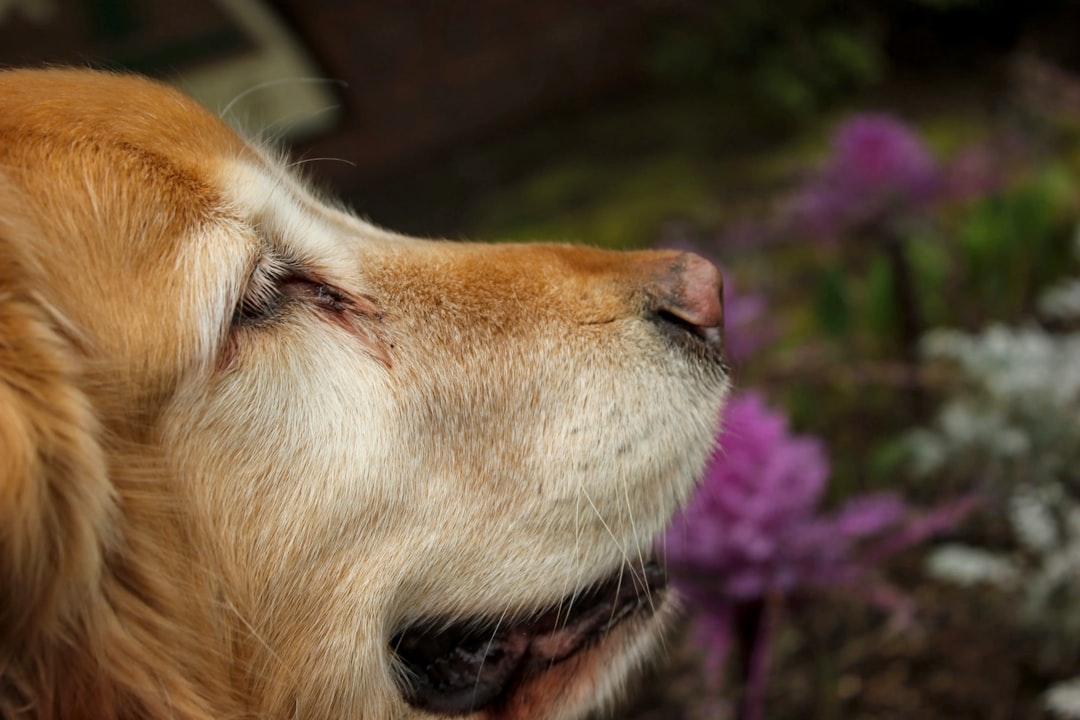
As a dog parent, watching your pup suffer relentless itching, red skin, and constant discomfort is heartbreaking. You’ve tried everything—shampoos, sprays, even eliminating certain foods—but nothing seems to provide lasting relief. The good news? There are proven strategies to help your dog find comfort again.
This comprehensive guide covers everything you need to know about relieving dog allergies, from identifying triggers to implementing effective treatment plans that actually work.
Understanding Dog Allergies: The Root Causes
Before diving into relief strategies, it’s crucial to understand what’s causing your dog’s allergic reactions. Canine allergies typically fall into three main categories:
1. Environmental Allergies (Atopic Dermatitis)
These occur when dogs react to airborne allergens like pollen, dust mites, mold spores, or grass. Symptoms often appear seasonally but can become year-round in some cases.
2. Food Allergies
Food allergies develop when a dog’s immune system reacts to specific proteins or ingredients. Common culprits include beef, dairy, chicken, wheat, and soy. Unlike popular belief, food allergies account for only about 10% of all dog allergies.
3. Flea Allergy Dermatitis
This is the most common type of allergy in dogs. Even a single flea bite can trigger an intense allergic reaction in sensitive dogs, causing severe itching and skin inflammation.
Proven Relief Strategies That Work
🏥 Veterinary Consultation: Your First Step
Before implementing any treatment, consult your veterinarian. They can perform allergy testing to identify specific triggers and create a targeted treatment plan. This saves time, money, and most importantly, reduces your dog’s suffering.
🥗 Dietary Management
Elimination Diet: Work with your vet to implement an elimination diet. This involves feeding your dog a novel protein source (like duck, venison, or kangaroo) for 8-12 weeks, then systematically reintroducing ingredients to identify triggers.
Hypoallergenic Dog Food: Transitioning to hypoallergenic diet recommendations can significantly reduce allergic burden. Look for limited-ingredient formulas with hydrolyzed proteins that your dog’s immune system won’t recognize as threats.
Supplements: Omega-3 fatty acids (fish oil) have natural anti-inflammatory properties that can reduce skin irritation and support overall immune health.
🌿 Natural Remedies for Symptom Relief
Oatmeal Baths: Colloidal oatmeal baths soothe itchy skin naturally. Use lukewarm water and let your dog soak for 10-15 minutes.
Coconut Oil: Apply organic, virgin coconut oil topically to hot spots or dry patches. Its antimicrobial properties can help prevent secondary infections.
Apple Cider Vinegar: A 50/50 mixture of apple cider vinegar and water can be sprayed on itchy areas (avoid open wounds) to provide relief and balance skin pH.
Quercetin: Known as “nature’s Benadryl,” this bioflavonoid found in apples and blueberries has natural antihistamine properties. Consult your vet about appropriate dosing.
💊 Medical Treatments
Antihistamines: Medications like Benadryl (diphenhydramine) can provide relief for mild allergies. Always consult your vet for proper dosage based on your dog’s weight and health status.
Corticosteroids: For severe cases, vets may prescribe prednisone or other steroids. These provide rapid relief but should be used short-term due to potential side effects.
Immunotherapy (Allergy Shots): For dogs with environmental allergies, custom-formulated allergy shots can desensitize their immune system over time. This is a long-term solution with excellent success rates.
Prescription Medications: Newer medications like Apoquel (oclacitinib) and Cytopoint (lokivetmab) target specific pathways in the allergic response, providing relief without the side effects of steroids.
🏠 Environmental Control
Regular Cleaning: Vacuum frequently with a HEPA filter, wash your dog’s bedding weekly in hot water, and use air purifiers to reduce airborne allergens.
Grooming: Regular bathing with hypoallergenic shampoos removes allergens from your dog’s coat. Brush frequently to reduce dander and distribute natural skin oils.
Paw Care: Wipe your dog’s paws after outdoor activities to remove pollen, grass, and other environmental allergens.
🌟 ROROCA Allergy Chews: Comprehensive Support
For dogs suffering from allergies, ROROCA Allergy Chews offers a natural, vet-formulated solution. These soft chews combine multiple powerful ingredients to address allergies from different angles:
- 6-Strain Probiotic Blend: Supports gut health, which is crucial for proper immune function and reducing inflammatory responses
- Salmon Oil: Rich in omega-3 fatty acids that reduce skin inflammation and promote a healthy coat
- Licorice Root Extract: Natural anti-inflammatory that soothes itchy, irritated skin
- Turmeric (Curcuma Longa): Powerful antioxidant with proven anti-inflammatory properties
- Echinacea Extract: Supports immune system health and helps dogs build natural resistance
With 180 chews per bottle, ROROCA provides excellent value while ensuring your dog receives consistent support throughout allergy season. Many pet parents report noticeable improvement within 2-4 weeks of daily use.
When to Seek Immediate Veterinary Care
While many allergies can be managed at home, certain symptoms require immediate professional attention:
- Difficulty breathing or wheezing
- Severe swelling of the face, lips, or eyes
- Excessive vomiting or diarrhea
- Signs of infection (pus, oozing, foul odor)
- Self-mutilation from excessive scratching or licking
Frequently Asked Questions
How long does it take to see improvement in dog allergy symptoms?
Most dogs show improvement within 2-4 weeks of starting treatment, though this varies depending on the severity and type of allergy. Dietary changes may take 8-12 weeks to show full results.
Can I give my dog human allergy medicine?
Some human antihistamines like Benadryl are safe for dogs in appropriate doses, but never give your dog any medication without consulting your veterinarian first. Some human medications are toxic to dogs.
Are natural remedies as effective as prescription medications?
For mild to moderate allergies, natural remedies can be very effective. However, severe cases often require prescription medications. Many pet parents find success combining both approaches under veterinary guidance.
Will my dog outgrow allergies?
Some puppies may outgrow certain allergies, but most dogs will manage allergies throughout their lives. The key is identifying triggers and implementing a consistent management plan.
How can I prevent my dog from developing allergies?
While you can’t completely prevent allergies, you can reduce risk by feeding a high-quality diet, maintaining regular grooming, controlling fleas, and minimizing exposure to known environmental triggers.
Conclusion
Relieving dog allergies requires patience, consistency, and a multi-faceted approach. Start with a veterinary consultation to identify specific triggers, then implement a combination of dietary management, environmental control, and appropriate treatments.
Remember that every dog is unique—what works for one may not work for another. Keep a symptom diary to track what helps and what doesn’t. With the right approach, most dogs with allergies can live comfortable, happy lives.
For comprehensive allergy support, consider adding ROROCA Allergy Chews to your dog’s daily routine. Their vet-formulated blend of probiotics, salmon oil, and natural anti-inflammatory ingredients provides the nutritional foundation your dog needs to thrive despite allergy challenges.
Your dog deserves relief—and with these proven strategies, you can help them find it.
Leave a Reply