

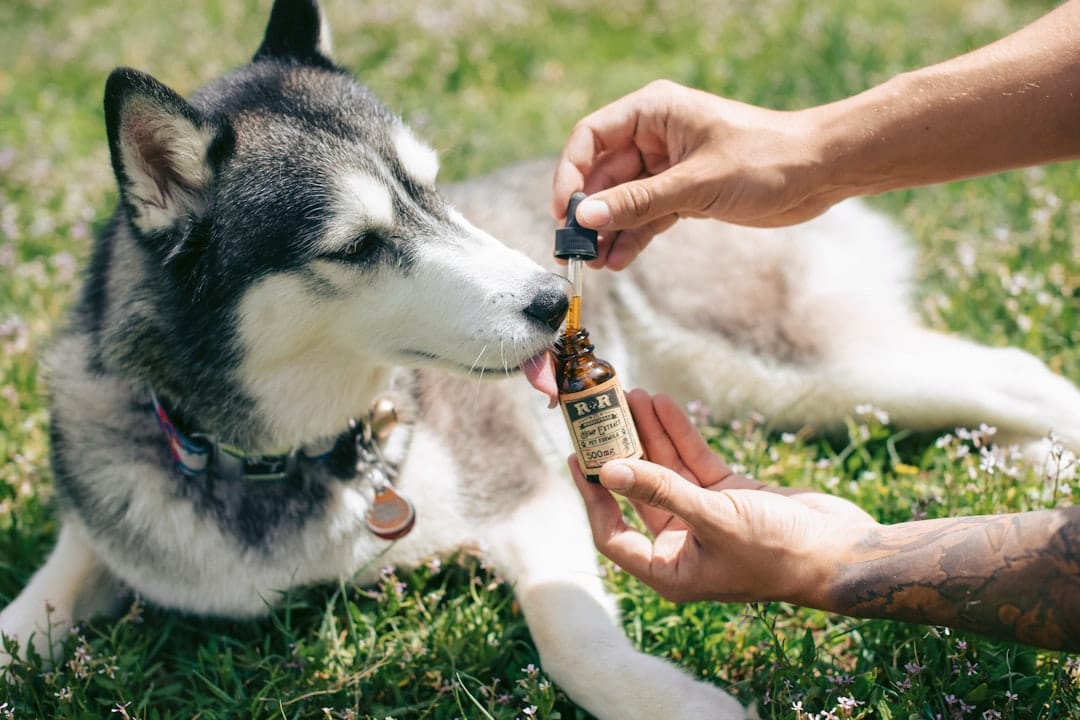
When Max started scratching his ears raw at 2 AM, Sarah panicked. Her golden retriever had been restless for days—paw licking, face rubbing, and those heartbreaking whimpers that kept the whole household awake. Like thousands of dog owners searching “what allergy meds can i give my dog” at midnight, Sarah needed immediate answers but didn’t want to risk her pup’s safety.

If you’re reading this while your furry friend is scratching in the background, take a breath. Dog allergies are incredibly common, affecting up to 20% of canines worldwide, but not all human medications translate safely to your four-legged family member. This guide breaks down exactly what allergy medications are safe for dogs, which ones require veterinary supervision, and natural alternatives that might save you that emergency vet visit.

The Quick Answer: What Allergy Meds Can I Give My Dog?
Before diving into specific medications, let’s address the pressing question: what allergy meds can i give my dog without immediate veterinary consultation?
The safest over-the-counter options include certain antihistamines like diphenhydramine (Benadryl), cetirizine (Zyrtec), and loratadine (Claritin)—but only in veterinary-approved dosages. Prescription options such as Apoquel, Cytopoint, and corticosteroids offer stronger relief but require professional oversight. Natural supplements containing omega fatty acids, probiotics, and herbal extracts provide gentle daily support without the side effects of pharmaceuticals.
However, dosage varies dramatically based on your dog’s weight, age, and existing health conditions. What works for a 90-pound German shepherd could harm a 10-pound Chihuahua.
Over-the-Counter Antihistamines: Your First Line of Defense
Many veterinarians approve specific human antihistamines for canine allergies, particularly for mild environmental allergies or acute reactions to insect bites. Here’s what you need to know about the three most common options:
Diphenhydramine (Benadryl)
Benadryl remains the most recognizable allergy medication for dogs, primarily treating acute allergic reactions, mild itching, and motion sickness. The standard veterinary recommendation is 1 mg per pound of body weight, administered 2-3 times daily.
While generally safe, Benadryl causes drowsiness in approximately 50% of dogs. Other side effects include dry mouth, urinary retention, and rare cases of hyperexcitability. Never use combination products containing decongestants like pseudoephedrine, as these are toxic to dogs.
Cetirizine (Zyrtec)
Cetirizine offers longer-lasting relief with fewer sedative effects than Benadryl. Most vets recommend 0.5 mg per pound once daily. This second-generation antihistamine works well for atopic dermatitis and seasonal allergies without causing the zombie-like state Benadryl sometimes creates.
Avoid Zyrtec-D or any formulation containing pseudoephedrine. The “D” indicates decongestant, which can trigger dangerous heart arrhythmias and hypertension in canines.
Loratadine (Claritin)
Claritin provides 24-hour relief with minimal drowsiness. The standard canine dosage ranges from 0.2 to 0.5 mg per pound once daily. Like other antihistamines, plain Claritin is safe, but Claritin-D contains harmful decongestants.
Table comparing OTC options:
| Medication | Dosage | Frequency | Best For |
|---|---|---|---|
| Benadryl | 1 mg/lb | Every 8-12 hours | Acute reactions, mild itching |
| Zyrtec | 0.5 mg/lb | Once daily | Seasonal allergies, atopic dermatitis |
| Claritin | 0.2-0.5 mg/lb | Once daily | Long-term environmental allergies |
Prescription Allergy Medications for Severe Cases
When OTC antihistamines fail to control recognizing dog allergy symptoms like hot spots, ear infections, or chronic paw chewing, your veterinarian may prescribe targeted therapies.
Apoquel (Oclacitinib)
Apoquel revolutionized veterinary dermatology by targeting the specific cytokines responsible for itching. Unlike steroids, it doesn’t suppress the entire immune system. Most dogs experience relief within 4 hours, with full effect in 24 hours.
This medication suits dogs over 12 months old and requires ongoing daily administration. Side effects are rare but include vomiting, diarrhea, and increased susceptibility to infections due to immune modulation.
Cytopoint
Cytopoint represents a biologic therapy—a monoclonal antibody that neutralizes the protein sending itch signals to your dog’s brain. Administered as an injection every 4-8 weeks by your veterinarian, it eliminates the daily pill struggle.
This option works exceptionally well for owners struggling with medication compliance or dogs experiencing gastrointestinal upset from oral medications. Since it’s metabolized differently than drugs, it can be combined with other medications safely.
Corticosteroids (Prednisone, Dexamethasone)
Steroids provide powerful anti-inflammatory relief for acute allergic flare-ups but carry significant long-term risks. Prednisone quickly stops itching and inflammation but can cause increased thirst, weight gain, panting, and with prolonged use, diabetes, liver damage, or Cushing’s disease.
Veterinarians typically prescribe steroids for short-term crisis management rather than chronic daily use. If your dog requires steroids for more than two weeks, your vet should discuss alternative long-term management strategies.
Natural Allergy Relief: Beyond Pharmaceuticals
Not every scratching episode requires pharmaceutical intervention. Many dog owners prefer starting with natural dog allergy relief methods to avoid side effects while building their dog’s immune resilience.
Omega-3 Fatty Acids
Salmon oil and fish oil supplements reduce inflammatory responses by up to 50% in some studies. These essential fatty acids improve skin barrier function, reducing allergen penetration and subsequent immune responses. Look for products containing EPA and DHA, dosing at approximately 25 mg per pound daily.
Probiotic Support
Emerging research links gut health to allergic responses. A diverse microbiome helps regulate immune function, potentially reducing overreactions to environmental allergens. Specific strains like Lactobacillus and Bifidobacterium show promise in reducing atopic dermatitis symptoms.
Herbal Allergy Formulations
For owners seeking comprehensive daily support without synthetic drugs, ROROCA Allergy Chews offer a veterinary-formulated blend targeting allergic responses at multiple levels. These soft chews combine a potent 6-strain Probiotic Blend to support immune regulation, Salmon Oil for anti-inflammatory omega fatty acids, and traditional botanicals including Licorice Root Extract (natural corticosteroid alternative), Curcuma Longa Extract (Turmeric) for inflammation reduction, and Echinacea Extract to modulate immune responses.
Unlike single-ingredient supplements, this synergistic approach addresses both immediate symptom relief and long-term immune balance. Many owners report reduced scratching within 2-3 weeks of consistent use, particularly when combined with environmental allergen reduction strategies.
Critical Safety Guidelines Before Administering Any Medication
Before reaching for your medicine cabinet, consider these non-negotiable safety protocols:
Weight-Based Calculations Are Non-Negotiable. Human medications assume a 150-pound adult. A 15-pound dachshund requires precisely 10% of a human dose. Always use a kitchen scale to verify your dog’s current weight before calculating doses.
Check Inactive Ingredients. Many human medications contain xylitol (a sugar substitute deadly to dogs), artificial sweeteners, or alcohol bases that harm canines. Children’s liquid formulations often contain these dangerous additives.
Consider Drug Interactions. If your dog takes heart medications, anti-seizure drugs, or other prescriptions, antihistamines may interact dangerously. Always provide your vet with a complete medication list before adding allergy treatments.
Pregnancy and Age Restrictions. Never give allergy medications to pregnant or nursing dogs without explicit veterinary approval. Puppies under 6 months metabolize drugs differently than adults, often requiring specialized pediatric formulations.
When to Skip the Medicine Cabinet and Call Your Vet Immediately
Certain symptoms indicate that OTC allergy meds won’t suffice and delay could be dangerous. Seek immediate veterinary care if your dog exhibits:
- Facial swelling or hives accompanied by vomiting (potential anaphylaxis)
- Difficulty breathing or wheezing
- Multiple hot spots or open sores indicating secondary bacterial infection
- Ear discharge with odor (yeast or bacterial otitis externa)
- Symptoms persisting longer than 48 hours despite OTC treatment
Additionally, if you’re asking “what allergy meds can i give my dog” because of chronic year-round symptoms, your pet likely needs allergy testing rather than trial-and-error medication. Identifying specific triggers—whether dust mites, chicken protein, or pollen—allows for targeted treatment rather than masking symptoms.
Frequently Asked Questions
Can I give my dog Benadryl every day?
While Benadryl is safe for daily administration in healthy dogs, long-term daily use isn’t ideal. Chronic antihistamine use can mask progressing allergic conditions and potentially cause organ stress. If your dog requires daily allergy medication for more than two weeks, consult your veterinarian about safer long-term options like Apoquel or immunotherapy.
How much Zyrtec can I give my 50-pound dog?
For a 50-pound dog, the standard Zyrtec dosage is 10-20 mg (one regular strength tablet) once daily. Start with the lower dose to assess effectiveness and sedation levels. Never exceed 20 mg within 24 hours, and always verify you’re using plain cetirizine without decongestants.
Are prescription allergy meds better than over-the-counter options?
Prescription medications aren’t inherently “better” but serve different purposes. OTC antihistamines work well for mild, intermittent allergies. Prescription options like Cytopoint or Apoquel offer superior relief for moderate to severe atopic dermatitis, targeting specific inflammatory pathways rather than broadly suppressing histamine. Your dog’s quality of life and symptom severity determine which category suits them best.
Can allergy medication cure my dog’s allergies?
No medication cures allergies—they only manage symptoms. True allergy resolution requires identifying and eliminating triggers (food trials for dietary allergies) or immunotherapy (allergy shots that gradually desensitize the immune system). Medications provide comfort while pursuing these long-term solutions.
How quickly should I see results from allergy medication?
Response times vary by medication type. Antihistamines typically show effect within 1-2 hours. Apoquel works within 4-24 hours. Cytopoint starts working within 24 hours but reaches peak efficacy in one week. Natural supplements like dog allergy medication dosage guidelines recommend allowing 4-6 weeks for omega fatty acids and probiotics to rebuild skin barriers and modulate immune responses.
Can I combine different allergy medications?
Never combine multiple antihistamines (Benadryl + Zyrtec) without veterinary guidance, as this increases overdose risks. However, many veterinarians approve combining antihistamines with omega supplements or probiotics. Prescription medications like Cytopoint can safely accompany antihistamines. Always verify combinations with your vet to avoid dangerous interactions.
Conclusion: Making the Right Choice for Your Dog
Determining what allergy meds can i give my dog requires balancing immediate relief with long-term health. Start with veterinary guidance for accurate dosing, consider the severity of symptoms when choosing between OTC and prescription options, and don’t overlook natural supplements like ROROCA Allergy Chews that support immune health without pharmaceutical side effects.
Remember, scratching is merely a symptom—the key to truly helping your dog lies in identifying whether pollen, food proteins, or dust mites trigger their distress. While medication provides comfort during flare-ups, working with your veterinarian to develop a comprehensive allergy management plan ensures your best friend spends more time playing and less time itching.
Is your dog’s scratching keeping you both awake? Start with a vet consultation to rule out secondary infections, then explore the combination of targeted medication and immune-supporting supplements that will have them back to belly rubs and tail wags in no time.