

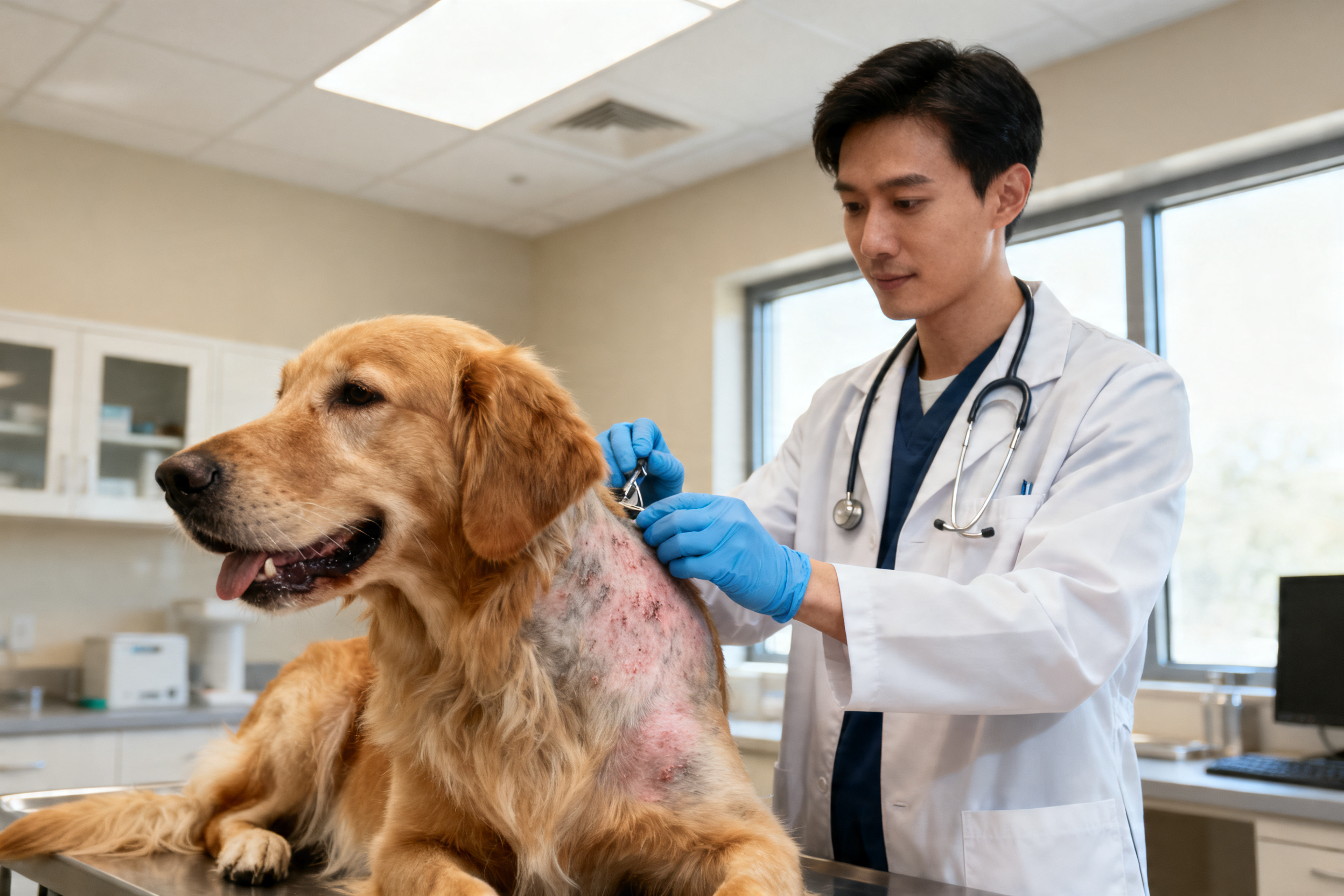
Watching your beloved companion scratch incessantly until their skin turns raw is one of the most helpless feelings a pet parent can experience. If you’re reading this at 2 AM while your dog gnaws at their paws, you’re likely desperate for answers about what can you give dogs for allergies that actually works without breaking the bank or causing harmful side effects. You’re not alone—canine allergies represent one of the most common reasons for veterinary visits, manifesting as itchy skin, chronic ear infections, digestive upset, or respiratory distress.

The good news? Relief is absolutely possible. From over-the-counter antihistamines to powerful natural supplements and prescription medications, veterinary science offers numerous evidence-based solutions for managing allergic reactions in dogs. This comprehensive guide explores safe, effective options for calming your dog’s overactive immune system and restoring their comfort. Whether your dog suffers from seasonal pollen allergies, food sensitivities, or year-round environmental triggers, we’ll cover exactly what can you give dogs for allergies to help them feel like their happy, playful selves again.

Understanding Canine Allergies Before Treating
Before administering any medication or supplement, recognizing the type of allergy affecting your dog ensures you choose the most effective treatment. Canine allergies typically fall into three categories: environmental (atopic dermatitis), food-related, and flea allergy dermatitis. Common dog allergy symptoms include excessive scratching, red or inflamed skin, chronic ear infections, watery eyes, sneezing, and gastrointestinal issues like vomiting or diarrhea.
Environmental allergies stem from pollen, dust mites, mold spores, or grass, while food allergies usually involve proteins like chicken, beef, dairy, or wheat. Flea allergies occur when dogs react to proteins in flea saliva, often causing intense itching from a single bite. Identifying the trigger through elimination diets or intradermal skin testing helps determine whether you need oral medications, topical treatments, or dietary changes—or a combination approach.
What Can You Give Dogs for Allergies? Over-the-Counter Options
For mild to moderate allergic reactions, several OTC medications provide safe relief when dosed correctly. Always consult your veterinarian before administering human medications to ensure proper dosing and rule out contraindications with existing conditions.
Antihistamines: First-Line Defense
Diphenhydramine (Benadryl) remains the most recognizable option, typically dosed at 1 mg per pound of body weight two to three times daily. It works by blocking histamine receptors but causes drowsiness in some dogs. Cetirizine (Zyrtec) offers a non-drowsy alternative at approximately 0.5 mg per pound once daily, making it ideal for daytime use. Loratadine (Claritin) provides similar benefits without sedation, though avoid formulations containing pseudoephedrine, which is toxic to dogs.
Omega-3 Fatty Acids
While not immediate relief, fish oil supplements containing EPA and DHA reduce inflammation over time. These essential fatty acids strengthen the skin barrier, decreasing sensitivity to allergens. Look for molecularly distilled fish oil specifically formulated for pets to avoid heavy metal contamination.
Natural Supplements and Nutraceuticals for Long-Term Management
Beyond pharmaceuticals, natural supplements offer powerful anti-inflammatory and immune-modulating benefits without the side effects associated with long-term steroid use. These options work best as daily maintenance rather than emergency interventions.
Quercetin, often called “nature’s Benadryl,” functions as a natural antihistamine and anti-inflammatory agent. Found in apples and blueberries, concentrated supplements provide therapeutic doses that stabilize mast cells and prevent histamine release. When combined with bromelain, an enzyme from pineapples, absorption increases significantly.
Probiotics support the gut-skin axis, recognizing that approximately 70% of the immune system resides in the digestive tract. Specific strains like Lactobacillus and Bifidobacterium reduce systemic inflammation and improve skin barrier function.
For comprehensive daily support, ROROCA Allergy Chews combine multiple evidence-backed ingredients into a palatable soft chew. This veterinarian-formulated supplement features a 6-strain Probiotic Blend to optimize gut health and immune regulation, Salmon Oil rich in omega-3 fatty acids to combat skin inflammation, Licorice Root Extract which mimics corticosteroids’ anti-inflammatory effects without suppression of the immune system, Curcuma Longa Extract (Turmeric) providing potent antioxidant and anti-inflammatory properties, and Echinacea Extract to modulate immune response and support the body’s natural defense mechanisms. These ingredients work synergistically to address allergies at their source rather than merely masking symptoms.
Prescription Solutions for Severe or Chronic Cases
When OTC options and natural supplements prove insufficient, prescription allergy treatments offer targeted relief for dogs with severe atopic dermatitis or autoimmune-related allergic responses.
Apoquel (Oclacitinib)
This Janus kinase inhibitor stops itching within four hours by blocking cytokines that trigger inflammation. Unlike steroids, Apoquel doesn’t cause excessive thirst, hunger, or immunosuppression when used long-term, though regular blood monitoring remains essential.
Cytopoint
An injectable biological therapy, Cytopoint contains engineered antibodies that neutralize interleukin-31, the primary cytokine responsible for sending itch signals to the brain. One injection provides relief for four to eight weeks, making it ideal for dogs who resist oral medications.
Corticosteroids
Prednisone and dexamethasone offer powerful anti-inflammatory effects for acute flare-ups but carry significant risks with extended use, including diabetes, liver damage, and immunosuppression. Veterinarians typically reserve these for short-term crisis management while establishing long-term protocols.
Allergy Immunotherapy
Also called desensitization therapy, this treatment involves administering gradually increasing doses of specific allergens identified through testing. Administered via injections or oral drops, immunotherapy retrains the immune system to tolerate triggers rather than overreacting. While requiring six to twelve months to show full effects, this remains the only treatment that potentially cures environmental allergies rather than just managing symptoms.
Dietary Interventions for Food-Related Allergies
When allergies stem from dietary sensitivities, medications merely mask symptoms while the offending protein continues damaging the gut lining. Implementing an elimination diet for dogs remains the gold standard for diagnosis and treatment.
Hydrolyzed protein diets break down proteins into molecules too small for the immune system to recognize as threats. Novel protein diets introduce single-source proteins your dog has never consumed—such as kangaroo, venison, or rabbit—eliminating previous sensitivities. These strict diets require 8-12 weeks of exclusive feeding (no treats, flavored medications, or dental chews) to properly assess results.
Some dogs benefit from limited ingredient diets (LIDs) featuring minimal components to reduce exposure potential. Always transition foods gradually over 7-10 days to prevent gastrointestinal upset, and work with a veterinary nutritionist to ensure nutritional completeness during elimination trials.
Topical Treatments and Environmental Control
While oral medications address systemic reactions, topical therapies provide immediate localized relief for irritated skin and paws.
Medicated shampoos containing chlorhexidine, ketoconazole, or oatmeal soothe inflamed skin while removing allergens from the coat. Weekly bathing with lukewarm water reduces pollen loads significantly—contrary to myths about bathing drying out skin, appropriate moisturizing formulas actually strengthen the skin barrier.
For paw allergies, wipes containing chlorhexidine and miconazole remove allergens after outdoor exposure while treating yeast overgrowth common between toes. Leave-on conditioners and sprays with ceramides repair damaged skin barriers, reducing permeability to allergens.
Environmental modifications complement medical treatments. High-efficiency air purifiers with HEPA filters reduce indoor pollen and dust mites. Washing bedding weekly in hot water eliminates dust mite populations. Maintaining humidity between 30-50% prevents mold growth while keeping skin from drying excessively.
Frequently Asked Questions
Can I give my dog Benadryl every day for allergies?
While many veterinarians approve daily Benadryl for chronic allergies, long-term use requires monitoring for side effects like sedation, urinary retention, or dry mouth. Dosage typically ranges from 1-2 mg per pound of body weight every 8-12 hours. However, some dogs metabolize antihistamines poorly, showing no improvement despite correct dosing. If you don’t see results within two weeks, consult your vet about alternative options rather than increasing the dose independently.
How quickly do natural allergy supplements work?
Natural supplements like omega-3 fatty acids and probiotics require 4-6 weeks of consistent use before showing significant improvement in skin condition and itching. Unlike antihistamines that offer immediate but temporary relief, these work by rebuilding the immune system and skin barrier from within. Products like ROROCA Allergy Chews containing multiple synergistic ingredients may show preliminary results within 2-3 weeks, though maximum benefits typically appear after two months of daily administration.
What human allergy medications are toxic to dogs?
Never give dogs decongestant-containing medications like Claritin-D, Zyrtec-D, or Benadryl-D, as pseudoephedrine can cause fatal heart arrhythmias, seizures, and hypertension. Additionally, avoid combination cold/flu products, acetaminophen (Tylenol), ibuprofen (Advil), and naproxen (Aleve), which cause liver failure and gastrointestinal bleeding. Stick to plain antihistamines without added ingredients, and always verify the active ingredient list contains only the antihistamine itself.
Are probiotics really effective for dog allergies, or just a trend?
Clinical research supports specific probiotic strains for canine atopic dermatitis. Studies show that Lactobacillus rhamnosus and Bifidobacterium animalis significantly reduce clinical allergy scores and decrease the need for corticosteroids. Since gut health directly influences immune function, balancing the microbiome reduces systemic inflammation that manifests as skin allergies. Look for supplements containing at least 1-10 billion CFU (colony-forming units) per serving with multiple strains for optimal diversity.
What’s the difference between food allergies and environmental allergies in dogs?
Food allergies typically cause year-round symptoms including gastrointestinal upset (vomiting, loose stools), ear infections, and non-seasonal itching. Environmental allergies often follow seasonal patterns, worsening during spring and fall pollen seasons, and primarily affect the paws, groin, armpits, and face. However, dust mite allergies cause year-round symptoms similar to food allergies. The only definitive way to distinguish them involves an 8-12 week elimination diet trial followed by food challenge testing.
When should I stop trying home remedies and see a veterinarian immediately?
Seek immediate veterinary care if your dog develops facial swelling, difficulty breathing, or hives covering large body areas—these indicate anaphylaxis requiring emergency intervention. Additionally, schedule appointments if scratching leads to open wounds, secondary bacterial infections (pus, odor, or hot spots), or if appetite and energy levels decrease. Chronic allergies left untreated can progress to irreversible skin changes and constant discomfort that significantly impacts quality of life.
Conclusion: Finding the Right Allergy Solution for Your Dog
Determining what can you give dogs for allergies depends on severity, underlying causes, and your pet’s individual response to treatment. Start with veterinary guidance to rule out secondary infections and identify specific triggers. For mild cases, OTC antihistamines combined with environmental management often suffice. Moderate allergies respond well to daily natural supplements like ROROCA Allergy Chews, which provide comprehensive immune support through probiotics, salmon oil, and botanical extracts without sedation or side effects.
Severe, chronic allergies may require prescription medications like Apoquel or Cytopoint alongside long-term immunotherapy. Remember that allergy management usually requires multimodal approaches rather than single solutions. By combining appropriate medications, dietary optimization, topical care, and environmental control, you can significantly reduce your dog’s discomfort and help them enjoy life without constant itching. Always consult your veterinarian before starting new treatments, and monitor your dog closely for improvements or adverse reactions as you develop the perfect allergy management protocol.