

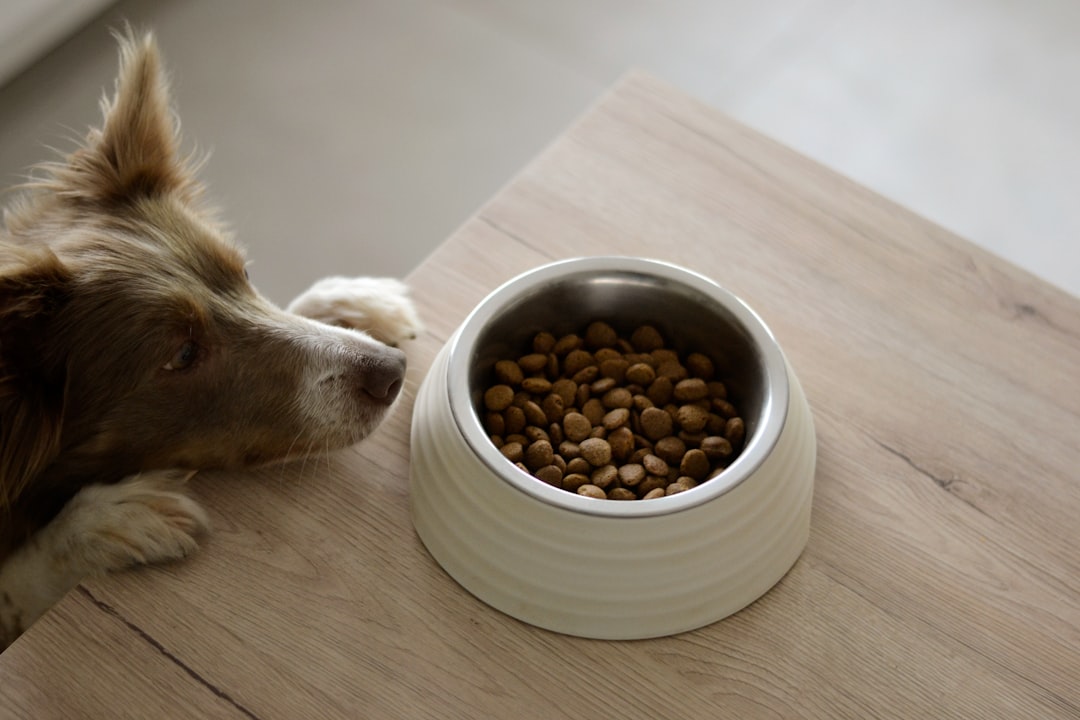
When Max started chewing his paws raw at 2 AM, Sarah knew something had to change. Like millions of dog owners, she initially blamed fleas or dry skin, but the persistent itching, chronic ear infections, and digestive upset pointed to something deeper: food allergies. If you’re searching for what is the best dog food for allergies, you’re likely experiencing similar sleepless nights and worry. The good news? With the right nutritional strategy, most dogs experience dramatic relief within weeks.
Finding the optimal diet isn’t about grabbing the first bag labeled “hypoallergenic.” It requires understanding your dog’s specific immune responses, identifying trigger ingredients, and implementing an elimination diet protocol that actually works. This comprehensive guide breaks down everything from novel proteins to hydrolyzed formulas, helping you make an informed decision that transforms your pup’s quality of life.
Understanding Canine Food Allergies vs. Environmental Triggers
Before diving into limited ingredient dog food formulas, it’s crucial to distinguish between food allergies and environmental sensitivities. True food allergies involve an immune system overreaction to specific proteins, while intolerances typically cause digestive upset without immune involvement.
The most common dietary culprits aren’t exotic ingredients—they’re everyday staples. Beef, dairy, chicken, wheat, and lamb represent approximately 75% of all canine food allergies. This surprises many owners who assume “natural” or “organic” chicken-based foods must be gentle. Unfortunately, protein exposure frequency correlates directly with allergy development, which explains why chicken tops the list despite being a dietary staple.
Environmental allergens like pollen and dust mites often compound the issue, creating a “threshold effect” where your dog tolerates individual triggers until cumulative exposure causes symptoms. This complexity makes dietary modification essential, as reducing food-related inflammation lowers the overall allergic threshold.

What is the Best Dog Food for Allergies? The Science Behind Limited Ingredients
When veterinarians recommend dietary changes for allergic dogs, they typically suggest one of three approaches: limited ingredient diets (LIDs), novel protein formulas, or hydrolyzed protein prescription foods. Each serves different purposes depending on your dog’s history and symptom severity.
Novel Protein Sources: Going Beyond Chicken and Beef
Novel proteins—meats your dog has never consumed—form the foundation of many successful elimination trials. Options include kangaroo, venison, rabbit, duck, and alligator. The key is genuine novelty; if your pup has had duck treats previously, duck-based kibble won’t provide diagnostic clarity.
Veterinary dermatologists often recommend starting with less common proteins like kangaroo or venison because they’ve historically appeared less frequently in commercial foods. However, as these proteins gain popularity in premium foods, their effectiveness as “novel” options decreases. This creates a moving target requiring careful label scrutiny.
Hydrolyzed Protein Diets: The Nuclear Option
For dogs with extensive dietary histories or severe reactions, hydrolyzed protein prescription diets represent the gold standard. These foods break proteins into molecules so small that the immune system cannot recognize them as threats. Brands like Royal Canin Ultamino and Hill’s Prescription Diet z/d use this technology, though they require veterinary authorization.
The downside? Cost and palatability. Some dogs reject the taste of hydrolyzed formulas, and prices often exceed $100 for 25-pound bags. However, for dog food allergy symptoms that haven’t responded to over-the-counter LIDs, hydrolyzed options provide diagnostic certainty.
Reading Between the Label Lines
Commercial “limited ingredient” foods sometimes contain hidden proteins. Rendering processes can introduce trace amounts of chicken into beef-based foods, while “natural flavoring” often means hydrolyzed chicken liver. Look for brands that manufacture LIDs in dedicated facilities to prevent cross-contamination—a critical factor for highly sensitive dogs.

Grain-Free vs. Grain-Inclusive: What Veterinary Nutritionists Actually Recommend
The grain-free debate has confused allergy management significantly. While grain-free foods exploded in popularity for allergy management, veterinary nutritionists emphasize that true grain allergies affect less than 1% of dogs. Most carbohydrate reactions involve gluten specifically, not grains generally.
More concerning, the FDA’s ongoing investigation into dilated cardiomyopathy (DCM) links certain grain-free diets—particularly those heavy in peas, lentils, and potatoes—to heart disease in breeds not typically prone to cardiac issues. While the mechanism remains unclear, taurine deficiency and legume-heavy formulations appear central to the problem.
For allergic dogs, ancient grains like millet, sorghum, and quinoa often prove safer than legume-based grain alternatives. These ingredients provide fiber and nutrients without the inflammatory potential of common fillers like corn and wheat. If your dog requires grain-free options for specific health reasons, select formulas from manufacturers with extensive cardiac testing and nutritional adequacy verification.
The 8-Week Elimination Trial Protocol That Works
Finding what is the best dog food for allergies requires discipline. The elimination trial represents the only definitive diagnostic tool, yet many owners inadvertently sabotage results through impatience or “treat cheating.”
Weeks 1-2 typically show minimal improvement as residual allergens clear the system. Weeks 3-4 often bring the most dramatic changes, with reduced itching and ear inflammation. By week 8, you should see 90% symptom resolution if food is the primary trigger. Anything less suggests environmental allergens, secondary infections requiring antibiotics, or non-compliance with the diet.
During this period, absolutely no other food can enter your dog’s mouth. This means:
- No dental chews containing chicken meal
- No pill pockets (use pill paste or hide meds in approved food)
- No flavored medications—request unflavored capsules from your vet
- No table scraps, regardless of how sad those eyes look
After the 8-week period, challenge tests begin by reintroducing single ingredients for two-week periods to identify specific triggers. This methodical approach prevents the common scenario where owners switch foods repeatedly, see temporary improvement, then blame the new food when symptoms return (often due to environmental seasonal changes rather than dietary failure).
Supporting the Diet: Supplements That Enhance Allergy Management
Even the perfect limited ingredient diet sometimes needs backup. Environmental allergies don’t disappear when you fix the food, and repairing the skin barrier damaged by chronic scratching requires nutritional support beyond basic kibble.
Omega-3 fatty acids from marine sources reduce inflammatory cytokines, providing relief for both skin and joint inflammation. However, sourcing matters—fish oil oxidizes quickly, so refrigerated, veterinary-grade products outperform warehouse-store alternatives.
Probiotics addressing gut health show promise in modulating immune responses. Since approximately 70% of immune cells reside in the gastrointestinal tract, supporting microbiome diversity with strains like Lactobacillus and Bifidobacterium may reduce allergic sensitization.
For comprehensive support alongside dietary changes, ROROCA Allergy Chews offer a synergistic blend designed specifically for sensitive dogs. These chews combine a 6-strain Probiotic Blend to restore gut integrity, Salmon Oil for omega-3 fatty acid support, and botanical anti-inflammatories including Licorice Root Extract, Curcuma Longa Extract (Turmeric), and Echinacea Extract. This combination addresses the inflammatory cascade from multiple angles while supporting the immune system’s regulatory functions.
Unlike single-ingredient supplements, this formulation recognizes that allergy management requires gut health, anti-inflammatory support, and immune modulation working simultaneously. Many owners find that combining a strict elimination diet with these targeted chews achieves faster symptom resolution than diet alone.
Homemade and Raw Alternatives: Worth the Risk?
The desire to control every ingredient drives many owners toward homemade or raw diets. While theoretically sound, these approaches present significant challenges for allergic dogs.
Raw diets risk bacterial contamination (Salmonella, Listeria) and rarely provide nutritional balance without veterinary formulation. More importantly, cross-contamination in home kitchens makes true elimination trials nearly impossible unless you maintain surgical-level cleaning protocols.
Homemade cooked diets offer better safety profiles but require precise calcium-phosphorus ratios and vitamin supplementation. Simply feeding boiled chicken and rice creates nutritional deficiencies within months. If pursuing home-prepared options, work with a board-certified veterinary nutritionist to formulate recipes using your dog’s specific novel proteins.
Frequently Asked Questions About Allergy Dog Foods
How long before my dog stops itching after switching foods?
Most dogs show initial improvement within 3-4 weeks, but complete resolution requires 8-12 weeks. If itching persists beyond week 8, consult your veterinarian about secondary skin infections or environmental allergens requiring additional treatment.
Can I just cook allergy-friendly meals at home instead of buying expensive kibble?
While possible, homemade diets require veterinary nutritionist formulation to prevent calcium deficiencies and vitamin imbalances. For diagnostic elimination trials, prescription hydrolyzed or novel protein commercial diets provide more reliable results due to controlled manufacturing environments.
Why can my dog eat duck but not chicken?
Though both are poultry, duck and chicken proteins differ enough structurally that dogs allergic to one often tolerate the other. However, cross-reactivity occurs in approximately 30% of cases, meaning some dogs react to both. Turkey falls between them, making it a risky choice for chicken-allergic dogs.
Are prescription hydrolyzed diets really necessary, or can I use over-the-counter limited ingredient foods?
For diagnostic purposes, hydrolyzed diets provide certainty because they break proteins into non-reactive molecules. Over-the-counter LIDs work for many dogs but risk cross-contamination during manufacturing. If symptoms are severe or previous LIDs failed, prescription options justify the cost.
Do grain-free foods help with skin allergies?
Usually not, since grain allergies affect less than 1% of dogs. Most skin reactions stem from protein sources. However, some dogs react to specific grains like corn or wheat, while tolerating rice or oats. Focus on protein elimination before removing grains.
Can I give treats during an elimination diet?
Only if they match the specific protein and carbohydrate sources in the main diet. Many owners use kibble from the same bag as treats, or single-ingredient freeze-dried novel proteins. Even small amounts of allergenic treats invalidate the trial.
Conclusion: Finding Your Dog’s Perfect Match
Determining what is the best dog food for allergies isn’t about finding a magic ingredient—it’s about systematic elimination, veterinary guidance, and patience. Whether you choose a kangaroo-based limited ingredient diet, a prescription hydrolyzed formula, or a carefully formulated homemade option, consistency remains the critical factor.
Remember that diet represents just one pillar of allergy management. Combining the right food with hypoallergenic dog food options, environmental control, and targeted supplements like ROROCA Allergy Chews creates the comprehensive approach necessary for lasting relief. The journey to an itch-free life takes time, but watching your dog rediscover comfort makes every strict week of the elimination trial worthwhile.
Always consult your veterinarian before making dramatic dietary changes, especially if your dog has concurrent health conditions or takes regular medications. With the right strategy, that 2 AM scratching session can become a distant memory.