

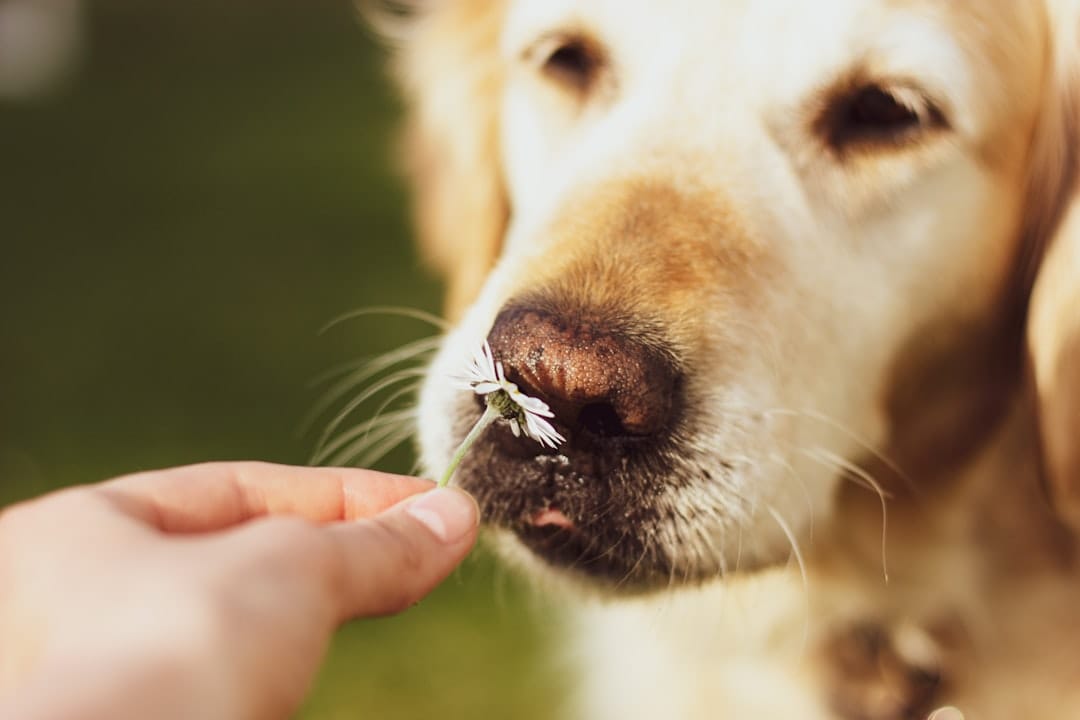
When Max started waking us up at 3 AM with relentless scratching, I knew we had a problem. Our Golden Retriever had developed red, inflamed patches behind his ears, and the constant paw-licking was keeping the entire household awake. If you’re searching for what to give my dog for allergies, you’re likely experiencing the same heartbreak—watching your beloved companion suffer while feeling overwhelmed by conflicting advice online.
Canine allergies affect up to 20% of dogs worldwide, manifesting as itchy skin, digestive upset, or respiratory issues. Whether your dog suffers from seasonal pollen sensitivities, food intolerances, or flea allergies, finding the right solution requires understanding both immediate relief options and long-term management strategies. This comprehensive guide explores veterinarian-approved treatments, natural remedies, and dietary adjustments that actually work in 2026.
Understanding What’s Causing Your Dog’s Allergic Reaction
Before determining common signs of allergies in dogs, identifying the trigger is essential. Canine allergies typically fall into three categories: environmental (atopic dermatitis), food-related, and flea allergy dermatitis. Environmental allergens include pollen, dust mites, mold spores, and grass—often causing seasonal flare-ups. Food allergies, though less common, typically involve proteins like chicken, beef, dairy, or wheat.
Your dog’s immune system overreacts to these substances, releasing histamines that cause inflammation and itching. While symptoms like excessive scratching, ear infections, and hot spots are frustrating, addressing the root cause with the right supplements and medications provides lasting relief rather than temporary fixes.

What to Give My Dog for Allergies: Immediate Relief Options
When your dog is in acute discomfort, fast-acting solutions provide necessary respite while longer-term treatments take effect. Here’s what veterinary professionals recommend for immediate management:
Over-the-Counter Antihistamines
Diphenhydramine (Benadryl), cetirizine (Zyrtec), and loratadine (Claritin) can offer temporary relief for mild allergic reactions. These medications block histamine receptors, reducing itching and swelling. However, dosage varies significantly by weight—typically 1mg per pound of body weight for Benadryl—and some dogs experience drowsiness or hyperactivity. Always consult your veterinarian before administering human medications, as certain formulations contain toxic ingredients like xylitol or pseudoephedrine.
Omega-3 Fatty Acid Supplementation
While not instantaneous, high-quality fish oil supplements begin reducing systemic inflammation within 2-4 weeks. EPA and DHA, found in salmon and krill oil, support skin barrier function and reduce the inflammatory response to allergens. Look for supplements containing at least 1000mg of combined EPA/DHA per 20 pounds of body weight for therapeutic effects.

Long-Term Natural Solutions and Supplements
For chronic allergy management, natural supplements address the underlying immune dysfunction rather than merely masking symptoms. These options support gut health, modulate immune responses, and strengthen skin integrity.
Probiotic Therapy for Immune Modulation
Approximately 70% of your dog’s immune system resides in the gut. Multi-strain probiotic supplements restore beneficial bacteria balance, reducing systemic inflammation and improving the skin barrier against environmental allergens. Look for formulations containing at least 6 distinct probiotic strains with CFU counts exceeding 3 billion per serving.
Herbal Anti-Inflammatory Support
Several botanical extracts demonstrate significant efficacy in managing allergic responses. Curcuma Longa Extract (Turmeric) provides potent antioxidant and anti-inflammatory properties comparable to some NSAIDs without gastric side effects. Licorice Root Extract acts as a natural corticosteroid alternative, soothing irritated mucous membranes and skin while supporting adrenal function.
Echinacea Extract rounds out herbal protocols by modulating immune function—enhancing defense mechanisms while preventing the overactive responses characteristic of allergies. When combined with Salmon Oil for omega-3 support, these ingredients create a comprehensive defense against allergic triggers.
For pet parents seeking an all-in-one solution, ROROCA Allergy Chews combine these research-backed ingredients—featuring a 6-strain Probiotic Blend, wild-caught Salmon Oil, Licorice Root Extract, Curcuma Longa Extract (Turmeric), and Echinacea Extract—into a convenient daily supplement that addresses allergies from multiple physiological angles. This synergistic approach supports both immediate comfort and long-term immune health.
Dietary Modifications for Allergic Dogs
Nutrition plays a pivotal role in allergy management. Hypoallergenic diet options for allergic dogs often eliminate common triggers while incorporating skin-supporting nutrients.
Novel Protein Elimination Diets
If food allergies are suspected, an 8-12 week elimination trial using novel proteins (kangaroo, rabbit, duck, or venison) alongside limited carbohydrates helps identify triggers. During this period, absolutely no treats, flavored medications, or dental chews can compromise the trial. Hydrolyzed protein diets, available through veterinarians, break proteins into molecular sizes too small to trigger immune responses.
Quercetin-Rich Foods
Often called “nature’s Benadryl,” quercetin is a bioflavonoid found in apples (without seeds), blueberries, and broccoli that stabilizes mast cells and reduces histamine release. While whole foods provide supportive amounts, concentrated quercetin supplements offer therapeutic dosing for severely allergic dogs.
Topical Treatments and Environmental Controls
While internal supplements address systemic issues, topical care provides immediate skin comfort and prevents secondary infections from excessive scratching.
| Treatment Type | Best For | Onset of Relief | Duration |
|---|---|---|---|
| Antihistamines | Mild, seasonal symptoms | 1-2 hours | 8-12 hours |
| Medicated Shampoos | Hot spots, skin infections | Immediate | 2-7 days |
| Omega-3 Supplements | Chronic inflammation | 3-4 weeks | Ongoing |
| Probiotic Blends | Immune modulation | 4-6 weeks | Ongoing |
| Allergy Chews (Multi-Ingredient) | Comprehensive support | 2-4 weeks | Ongoing |
Medicated shampoos containing chlorhexidine, oatmeal, or hydrocortisone soothe inflamed skin while removing environmental allergens from the coat. Weekly bathing with lukewarm water and hypoallergenic formulations reduces pollen and dust accumulation that triggers scratching episodes.
Environmental modifications complement topical treatments. HEPA air purifiers remove airborne allergens, while weekly washing of bedding in hot water eliminates dust mites. Wiping your dog’s paws and coat with damp microfiber cloths after outdoor exposure removes pollen before it absorbs through the skin.
When Prescription Medications Become Necessary
While natural remedies for itchy skin in dogs provide excellent foundational support, severe allergies sometimes require pharmaceutical intervention. Apoquel (oclacitinib) and Cytopoint (canine anti-IL-31 antibody) represent modern veterinary solutions that block itch signals without the side effects of traditional steroids.
Corticosteroids like prednisone remain effective for acute flare-ups but carry risks including immune suppression, increased thirst, and long-term organ damage. Immunotherapy (allergy shots) offers the only potentially curative treatment, gradually desensitizing your dog’s immune system to specific allergens identified through blood or intradermal testing. This process requires 6-12 months before significant improvement appears but provides lasting relief for environmental allergies.
Frequently Asked Questions
Can I give my dog human allergy medication like Benadryl?
Yes, but with strict precautions. Diphenhydramine (Benadryl) is generally safe for dogs at 1mg per pound of body weight, given 2-3 times daily. However, never use combination products containing decongestants, alcohol, or artificial sweeteners like xylitol, which is highly toxic to dogs. Always verify dosage with your veterinarian, especially if your dog has pre-existing conditions.
How long do natural allergy supplements take to work?
Natural supplements require patience. Omega-3 fatty acids typically show results in 3-4 weeks, while probiotic blends need 4-6 weeks to modulate immune function significantly. Herbal ingredients like quercetin and turmeric may provide noticeable improvement within 2-3 weeks. For best results, maintain consistent daily administration and combine multiple supportive ingredients.
What ingredients should I look for in allergy supplements?
Effective allergy supplements contain anti-inflammatory omega-3s (EPA/DHA), immune-modulating probiotics (multiple strains), and natural antihistamines like quercetin. Additional beneficial ingredients include turmeric for inflammation, licorice root for adrenal support, and echinacea for immune balance. Avoid products with artificial colors, flavors, or fillers that might exacerbate sensitivities.
Will my dog outgrow allergies?
No, allergies typically worsen without intervention. While puppies sometimes show temporary sensitivities that resolve with immune system maturation, established allergies in adult dogs require lifelong management. Early intervention with dietary adjustments and immune-supporting supplements prevents the progression from mild itching to chronic skin infections and hot spots.
Is coconut oil effective for allergic skin?
Coconut oil provides mild antimicrobial benefits and temporary moisturizing but offers limited anti-allergic properties. While safe for dogs to consume in small amounts (1 teaspoon per 10 pounds), it doesn’t address the histamine-driven inflammation causing allergic itching. Focus instead on omega-3 rich fish oils for systemic anti-inflammatory support.
How do I know if my dog needs prescription allergy medication versus natural remedies?
Consider prescription options when natural remedies fail after 6-8 weeks of consistent use, or when your dog develops secondary skin infections, hair loss, or sleep disruption from constant scratching. Emergency situations involving facial swelling, difficulty breathing, or hives require immediate veterinary care and likely corticosteroid intervention.
Building Your Dog’s Allergy Management Plan
Finding what works for your allergic dog often requires combining multiple strategies. Start with environmental controls and dietary optimization, then layer in high-quality supplements containing proven ingredients like those found in comprehensive allergy chews. Monitor your dog’s response through weekly photos of affected areas and scratching frequency logs.
Remember that allergy management is a marathon, not a sprint. While you might not eliminate every symptom entirely, the right combination of treatments can restore your dog’s quality of life and your peace of mind. For comprehensive support combining probiotics, omega-3s, and herbal anti-inflammatories, consider integrating veterinarian-formulated options like ROROCA Allergy Chews into your daily routine alongside these other evidence-based strategies.