

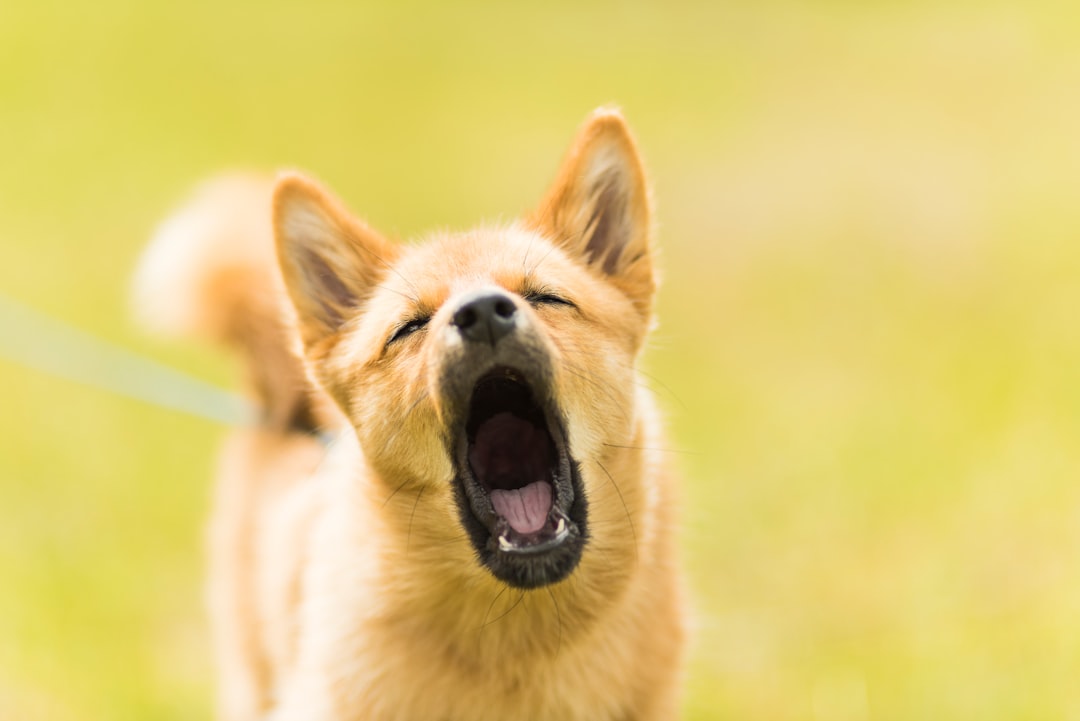
As a dog parent staring at your third chewed shoe this week, you’ve probably asked yourself: when do dogs calm down? If your pup seems to have boundless energy that continues well into their adult years, you might assume they’re just a high-energy breed. But here’s what many pet owners don’t realize—persistent restlessness, inability to settle, and constant pacing aren’t always just personality traits. Sometimes, they’re signs of underlying discomfort, particularly dog allergy symptoms that keep your furry friend from finding peace.

In this comprehensive 2026 guide, we’ll explore the natural developmental timeline for canine calming, examine how allergies can prevent your dog from settling down, and provide actionable solutions to help your pet find their inner zen—regardless of their age.

The Natural Timeline: When Do Dogs Calm Down by Age?
Understanding your dog’s developmental stages helps set realistic expectations for their energy levels. While individual variation exists, most dogs follow a somewhat predictable calming trajectory as they mature.
The Puppy Phase (0-6 Months): Boundless Exploration
During these formative months, your puppy’s brain is developing at warp speed. They’re absorbing everything—sights, sounds, smells—and processing new experiences constantly. This cognitive load, combined with short bursts of intense physical growth, creates what seems like endless energy. Most puppies sleep 18-20 hours daily, but when awake, they’re tornadoes of activity. Don’t expect much calming during this phase; instead, focus on structured nap times and gentle training.
Adolescence (6-18 Months): The Testing Period
Many owners describe this as the “teenage rebellion” phase. Your dog has physical capability but lacks emotional maturity. Energy levels often spike here, particularly in working breeds and sporting dogs. This is when many pet parents start seriously wondering when do dogs calm down, as the cute puppy phase fades but adult composure hasn’t arrived. Consistent training during this window is crucial—establishing boundaries now prevents lifelong hyperactive habits.
Young Adulthood (2-3 Years): The Settling Begins
For most dogs, noticeable calming occurs between ages two and three. By this point, physical growth has completed, and the initial novelty of their environment has worn off. You’ll notice longer periods of rest, less destructive chewing, and improved focus during training sessions. However, if your dog still seems unable to settle at this age, it’s worth investigating potential medical causes like food allergies in dogs or environmental sensitivities that create constant discomfort.
Senior Years (7+ Years): Gentle Grace
As dogs enter their golden years, energy naturally declines. Joint stiffness, reduced metabolism, and sensory changes contribute to a more sedentary lifestyle. While this calming is expected, sudden behavioral changes warrant veterinary attention.
The Allergy Connection: When Discomfort Prevents Calming
Here’s the critical factor many behavioral guides miss: dogs suffering from allergies often cannot physically calm down, regardless of their age. Chronic itching, skin inflammation, and digestive discomfort create a state of persistent restlessness that mimics—or amplifies—high energy.
How Allergies Create Hyperactive Behavior
When a dog experiences allergic reactions, their body releases histamines and inflammatory compounds. These chemicals don’t just cause itching; they can trigger anxiety-like behaviors including:
- Inability to settle in one position for more than a few minutes
- Compulsive licking or scratching that interrupts rest
- Nighttime pacing due to skin discomfort
- Irritability that prevents relaxed social interaction
If you’ve tried exercise, training, and natural calming aids for dogs without success, underlying allergies might be the culprit preventing your dog from achieving that peaceful state.
Recognizing Allergy-Related Restlessness
Unlike normal puppy energy, allergy-driven hyperactivity often includes physical symptoms. Watch for excessive paw licking, ear scratching, red belly skin, or digestive upset accompanying the inability to calm down. These signs indicate your dog isn’t just energetic—they’re uncomfortable.
Breed-Specific Calming Expectations
Genetics play a significant role in answering when do dogs calm down. Understanding your specific breed’s timeline helps manage expectations:
High-Energy Working Breeds
Border Collies, Australian Shepherds, Belgian Malinois, and similar working dogs may not show significant calming until age three or four. These breeds were developed for endurance tasks requiring sustained mental engagement. Without proper job simulation, their energy seems endless. However, even these dogs should be able to settle indoors after adequate exercise; inability to do so suggests discomfort rather than breed-typical energy.
Sporting and Hunting Breeds
Labradors, Golden Retrievers, and Pointers typically calm noticeably around age two. Their puppy enthusiasm fades into focused adult energy—still requiring exercise, but capable of household relaxation between activities.
Giant Breeds
Great Danes, Mastiffs, and Newfoundlands often calm earlier, sometimes as young as 12-18 months. Their rapid physical growth necessitates more rest, leading to naturally calmer dispositions sooner than smaller breeds.
Small and Toy Breeds
Chihuahuas, Yorkies, and similar small dogs sometimes maintain puppy-like energy levels longer than expected, often remaining spry well into their senior years. However, they should still learn to settle quietly; persistent anxiety in these breeds frequently connects to environmental dog allergies often overlooked due to their size.
Helping Your Dog Calm Down: Beyond Exercise
While physical activity matters, true calm requires addressing both mental and physical wellness. If you’re waiting for your dog to naturally age out of hyperactivity, supplement their routine with these targeted approaches.
Mental Fatigue Over Physical Exhaustion
A tired body with a busy mind remains restless. Incorporate puzzle feeders, scent work, and training games that challenge your dog cognitively. Twenty minutes of mental training often accomplishes what an hour of fetch cannot—true relaxation.
Addressing Allergies for Better Rest
For dogs whose restlessness stems from allergic discomfort, dietary intervention proves essential. Modern allergy supplements target the root inflammatory response allowing dogs to finally relax.
ROROCA Allergy Chews offer a comprehensive approach to the allergy-restlessness connection. Their formula combines a six-strain Probiotic Blend supporting gut health (where 70% of immune function originates), Salmon Oil providing omega-3 fatty acids to reduce skin inflammation, and botanical soothers including Licorice Root Extract, Curcuma Longa Extract (Turmeric), and Echinacea Extract. These ingredients work synergistically to reduce the itching and irritation that prevents proper rest, helping your dog achieve the calm state their age and temperament should allow.
Environmental Calming Strategies
Create dedicated relaxation zones using orthopedic beds away from high-traffic areas. White noise machines help dogs with sound sensitivities settle, while consistent routines signal to your dog when active play ends and rest time begins.
When to Consult Your Veterinarian
While varying energy levels are normal, certain red flags indicate medical issues requiring professional attention:
- Sudden behavior changes in adult dogs previously calm
- Inability to sleep through the night despite adequate exercise
- Restlessness accompanied by gastrointestinal symptoms
- Compulsive behaviors preventing rest (excessive licking, tail chasing)
These symptoms may indicate allergies, thyroid imbalances, or neurological concerns rather than simple high energy. A veterinary examination can rule out medical causes and recommend appropriate treatments, potentially including allergy testing or dietary modifications.
Frequently Asked Questions
At what age do most dogs naturally calm down?
Most dogs show noticeable calming between two and three years of age, though giant breeds may settle earlier (12-18 months) and high-energy working breeds may take until age three or four. Complete mental maturity typically occurs by age three, bringing improved impulse control and longer rest periods.
Can allergies really make my dog hyperactive?
Yes. Allergies cause physical discomfort that manifests as restlessness, inability to settle, and compulsive movement like pacing or scratching. When a dog’s skin itches constantly or their stomach feels unsettled, they cannot achieve the relaxed state necessary for proper rest, appearing hyperactive when they’re actually distressed.
Do dogs calm down after being spayed or neutered?
Surgical sterilization may reduce hormone-driven behaviors like roaming or marking, but it rarely significantly reduces energy levels. If your dog remains hyperactive after fixing, the cause likely relates to breed characteristics, insufficient exercise, or underlying health issues like allergies rather than hormonal factors.
Why does my senior dog seem restless at night?
Canine cognitive dysfunction (similar to dementia), arthritis discomfort, or undiagnosed allergies can cause nighttime restlessness in older dogs. Unlike the playful energy of youth, senior restlessness often indicates pain or confusion requiring veterinary evaluation.
How long does it take for allergy supplements to help my dog calm down?
Most owners notice reduced itching and improved rest within three to four weeks of consistent allergy supplement use. However, full immune modulation and the resulting behavioral calm may take six to eight weeks, depending on severity and the specific ingredients used.
Is it possible for a dog to be too calm?
Sudden lethargy or uncharacteristic calmness in previously active dogs warrants immediate veterinary attention. While we often ask when do dogs calm down regarding excessive energy, the opposite change—withdrawal, disinterest in activities, or excessive sleeping—often signals illness, pain, or metabolic disorders.
Conclusion
Understanding when do dogs calm down requires looking beyond simple age calculations. While most dogs settle between two and three years old, persistent hyperactivity often signals underlying issues—particularly allergies that prevent physical comfort and mental peace. By combining age-appropriate exercise expectations with proactive allergy management, you create the conditions for your dog to naturally settle into their best temperament.
If allergies are preventing your dog from finding their calm, consider addressing the root cause with targeted immune support. Products like ROROCA Allergy Chews help eliminate the inflammatory discomfort that keeps dogs restless, allowing their true, peaceful personality to emerge. Remember, a calm dog isn’t just a convenience for owners—it’s a sign of a comfortable, healthy, content companion living their best life.