

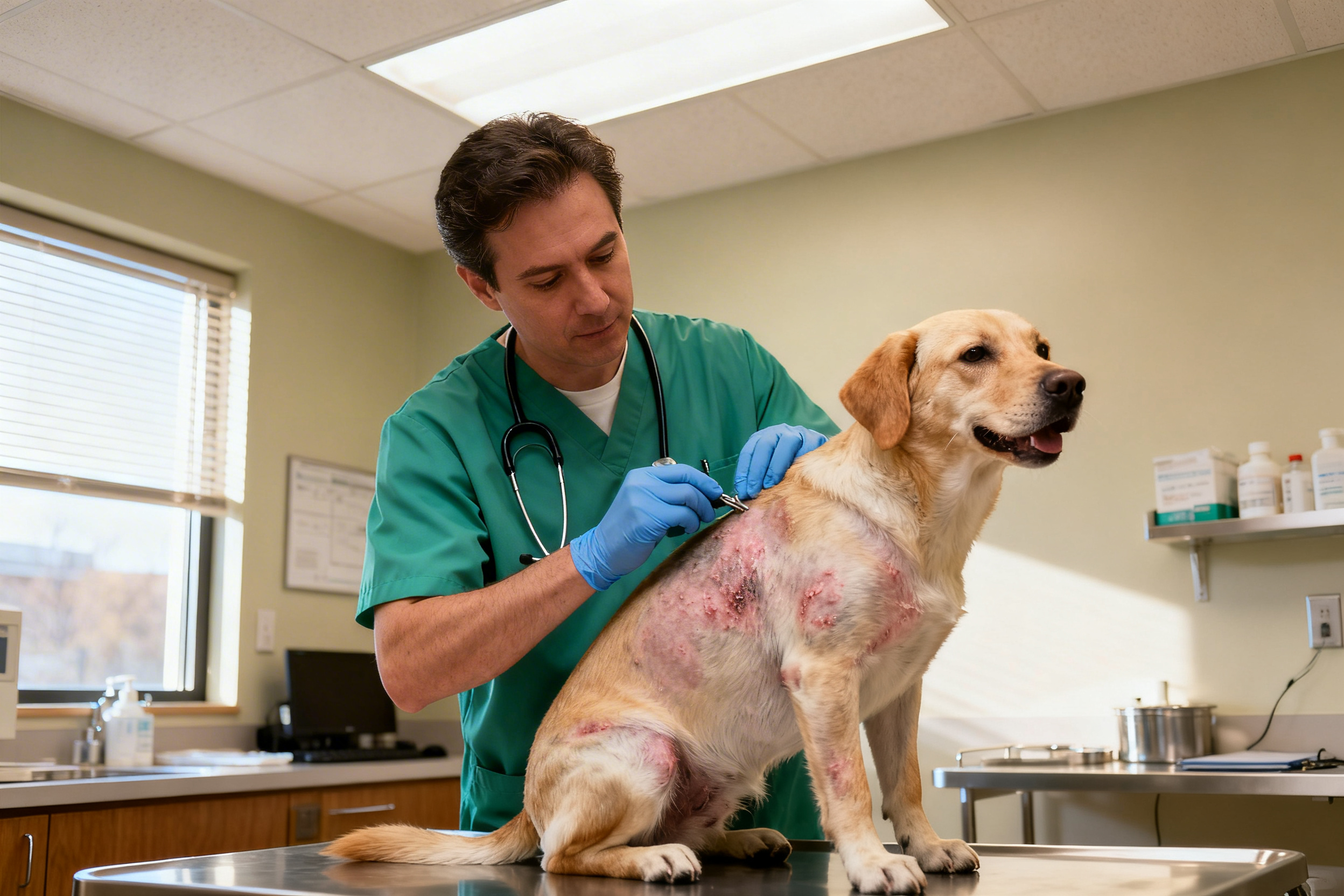
When Bailey first started racing back inside after potty breaks, frantically chewing at her paws, her owner Sarah assumed it was just typical dog behavior. But as the spring grass grew thicker and the red patches spread across Bailey’s belly, Sarah realized something was seriously wrong. If you’re wondering can dogs have allergies to grass, you’re not alone—and the answer might explain your pup’s mysterious scratching.
Grass allergies in dogs are surprisingly common yet frequently misdiagnosed. Many pet parents mistake these seasonal sensitivities for food intolerances or flea infestations, delaying proper relief for their suffering companions. In this comprehensive 2026 guide, we’ll explore everything from identifying signs of allergies in dogs to implementing effective management strategies that don’t require keeping your dog indoors year-round.
The Definitive Answer: Yes, Dogs Can Have Grass Allergies
Can dogs have allergies to grass? Absolutely. While we often associate outdoor allergies with pollen and trees, grass represents one of the most prevalent environmental allergens affecting canines today. These allergies fall under the category of atopic dermatitis—an inherited tendency to develop allergic symptoms following exposure to otherwise harmless substances.
Unlike humans who typically experience respiratory symptoms (sneezing, runny noses), dogs manifest grass allergies primarily through their skin. This difference explains why many owners miss the connection between their dog’s discomfort and that freshly mowed lawn. When your dog walks through grass, they don’t just inhale allergens—they make direct contact with them, absorbing proteins through their paw pads and belly skin.

Understanding the Science Behind Canine Grass Allergies
To effectively manage your dog’s condition, understanding the biological mechanisms helps. Grass allergies develop when your dog’s immune system mistakenly identifies specific grass proteins as dangerous invaders. This triggers an inflammatory response, releasing histamines that cause itching, redness, and discomfort.
The Difference Between Contact and Inhalant Reactions
Grass allergies manifest in two primary forms. Contact allergies occur when your dog’s skin physically touches grass blades or ground-level pollen, causing localized reactions on paws, stomachs, and legs. Inhalant allergies happen when your dog breathes in grass pollen during walks or while lounging near open windows. Many dogs suffer from both types simultaneously, compounding their discomfort during peak growing seasons.
Peak Allergy Seasons
While timing varies by region, grass pollen typically peaks during late spring through early summer. However, depending on your local climate and grass species, symptoms might persist from March through October. Warm-season grasses like Bermuda release pollen during summer months, while cool-season varieties such as Timothy and Kentucky Bluegrass peak in late spring.

Recognizing the Symptoms: When Grass Becomes the Enemy
Identifying grass allergies requires careful observation, as symptoms often mimic other conditions. Unlike immediate reactions to insect bites, grass allergies typically develop gradually over hours or days following exposure.
Physical Manifestations
Watch for persistent scratching, particularly after outdoor time. Affected dogs often develop red, inflamed patches between their toes, on their underbellies, and inside their ears. You might notice excessive paw licking—so intense that it causes saliva staining, turning light fur reddish-brown. Some dogs develop recurrent ear infections or hot spots (acute moist dermatitis) specifically during grass-growing seasons.
Behavioral Changes
Beyond visible skin issues, allergic dogs often display behavioral shifts. They might hesitate before going outside, drag their bodies across carpets to scratch their backs, or become restless during sleep due to discomfort. If your typically energetic pup suddenly seems lethargic or irritable during spring walks, environmental allergies could be the culprit.
Diagnosing Grass Allergies: Working With Your Veterinarian
Before implementing treating dog skin allergies strategies, accurate diagnosis proves essential. Your veterinarian will typically begin by ruling out other common culprits like fleas, mites, and food allergies through physical examination and elimination diets.
Intradermal Skin Testing
The gold standard for diagnosing environmental allergies involves intradermal skin testing. During this procedure, a veterinary dermatologist injects small amounts of various allergens—including different grass species—into your dog’s skin. Reactions indicating sensitivity appear within minutes as small welts. This testing identifies specific grass varieties triggering your dog’s immune response, allowing for targeted treatment plans.
Serum Allergy Testing
Blood tests measuring IgE antibodies offer a less invasive alternative, though they sometimes yield less precise results than skin testing. Your vet might recommend this option for dogs with extensive skin damage or those who cannot tolerate sedation.
Comprehensive Treatment Approaches
Managing grass allergies requires a multi-modal approach combining environmental control, nutritional support, and medical intervention when necessary. The goal isn’t necessarily curing the allergy—since that’s rarely possible—but rather minimizing exposure and managing immune responses.
Environmental Management Strategies
Start by modifying your outdoor environment. Keep grass cut short to reduce pollen production, though have someone else handle mowing since disturbed grass releases massive allergen clouds. Water your lawn in the morning to weigh down pollen before your dog goes outside. Create designated potty areas using mulch or gravel, reducing grass contact during necessary outdoor time.
After walks, establish a paw-washing routine using lukewarm water or hypoallergenic wipes. Pay special attention to the spaces between toes where pollen and grass residue accumulate. Consider protective booties for dogs with severe allergies, though many require gradual training to accept footwear.
Nutritional Support and Supplements
Supporting your dog’s immune system from within provides crucial relief. ROROCA Allergy Chews offer a veterinarian-formulated solution specifically designed to address environmental sensitivities. These soft chews combine a proprietary Probiotic Blend (6-strain) to support gut health—where 70% of the immune system resides—with Salmon Oil providing anti-inflammatory omega-3 fatty acids.
The formula includes Licorice Root Extract, which mimics corticosteroids’ soothing effects without the side effects, alongside Curcuma Longa Extract (Turmeric) for natural inflammation reduction. Echinacea Extract rounds out the blend, modulating immune responses rather than suppressing them entirely. This combination addresses the root causes of allergic reactions while providing symptomatic relief.
Veterinary Medical Interventions
For acute flare-ups, veterinarians might prescribe antihistamines like Benadryl or Zyrtec, though effectiveness varies significantly between individual dogs. Cytopoint injections offer targeted relief by neutralizing the primary protein triggering itch signals, typically providing four to eight weeks of comfort. In severe cases, Apoquel or corticosteroids might be necessary short-term, though long-term steroid use requires careful monitoring due to potential side effects.
Allergen-specific immunotherapy (allergy shots) represents the only treatment that potentially modifies the immune system’s response long-term. Based on skin testing results, customized serum containing minute amounts of offending grasses is administered via injection or oral drops, gradually desensitizing your dog over months or years.
Prevention: Living Harmoniously With Nature
While you cannot eliminate grass entirely, strategic prevention minimizes allergic episodes. Monitor pollen counts and limit outdoor time during peak periods, typically early mornings and windy days. Seasonal allergies in dogs require year-round management, not just reactive treatment during flare-ups.
Maintain your home as an allergen-free sanctuary. Use HEPA air purifiers in rooms where your dog spends the most time. Wash bedding weekly in hot water to remove accumulated pollen. Consider hypoallergenic shampoos containing oatmeal or aloe for weekly baths during high-pollen seasons—frequency matters more than specific brands, as regular rinsing removes allergens before they penetrate the skin barrier.
Frequently Asked Questions
Can dogs have allergies to grass pollen but not the grass itself?
Yes, absolutely. Many dogs react specifically to airborne grass pollen rather than physical grass contact. These dogs might sneeze, have watery eyes, or develop facial itching without the characteristic belly rashes seen in contact allergies. This distinction matters because management strategies differ—airborne allergies require air filtration and indoor environmental control, while contact allergies need physical barriers.
How quickly do grass allergy symptoms appear after exposure?
Symptoms typically manifest within 30 minutes to 48 hours following exposure. Contact allergies often show faster results—you might notice paw licking immediately after a walk. Inhalant allergies sometimes take hours to develop as histamines accumulate in the system. Keeping a symptom diary tracking outdoor activities helps identify your specific dog’s reaction timeline.
Is my dog allergic to grass or the chemicals on it?
Chemical sensitivities frequently masquerade as grass allergies. Pesticides, herbicides, and fertilizers can cause similar skin reactions. If symptoms appear suddenly after lawn treatments, or if your dog reacts only to specific yards, chemicals might be the true culprit. Request that your lawn service use pet-safe products, or switch to organic lawn care methods to rule out this possibility.
Can puppies develop grass allergies?
While uncommon in very young puppies, grass allergies can develop as early as six months of age. Most dogs show initial symptoms between one and three years old as repeated seasonal exposures sensitize their immune systems. If your puppy shows signs, consult a veterinarian immediately, as early intervention prevents the “itch-scratch cycle” that leads to secondary skin infections.
Are certain breeds more susceptible to grass allergies?
Golden Retrievers, Labrador Retrievers, Bulldogs, Boxers, and Terriers show higher predispositions to atopic dermatitis, including grass allergies. However, any breed—or mixed breed—can develop these sensitivities. Genetics play a significant role, so if you’re adopting a puppy and allergies concern you, inquire about parental health histories when possible.
Will moving to a different climate cure my dog’s grass allergies?
Unfortunately, relocation rarely provides permanent relief. While you might temporarily avoid specific regional grasses, dogs often develop new sensitivities to local flora within one to two years. Additionally, different grass species grow in virtually every climate zone. Instead of moving, invest in proper allergy management and immunotherapy for lasting results.
Conclusion: Relief Is Within Reach
Living with a grass-allergic dog requires vigilance, but shouldn’t mean eliminating outdoor adventures entirely. By understanding that yes, dogs can have allergies to grass, you’ve taken the first step toward helping your companion find relief. Through environmental management, veterinary guidance, and immune-supporting supplements like ROROCA Allergy Chews, most dogs achieve comfortable, happy lives despite their environmental sensitivities.
Remember that every dog responds differently to various treatments, so patience and close collaboration with your veterinarian yield the best outcomes. Don’t let grass allergies diminish your dog’s quality of life—start implementing these strategies today and watch your pup return to their playful, comfortable self.