

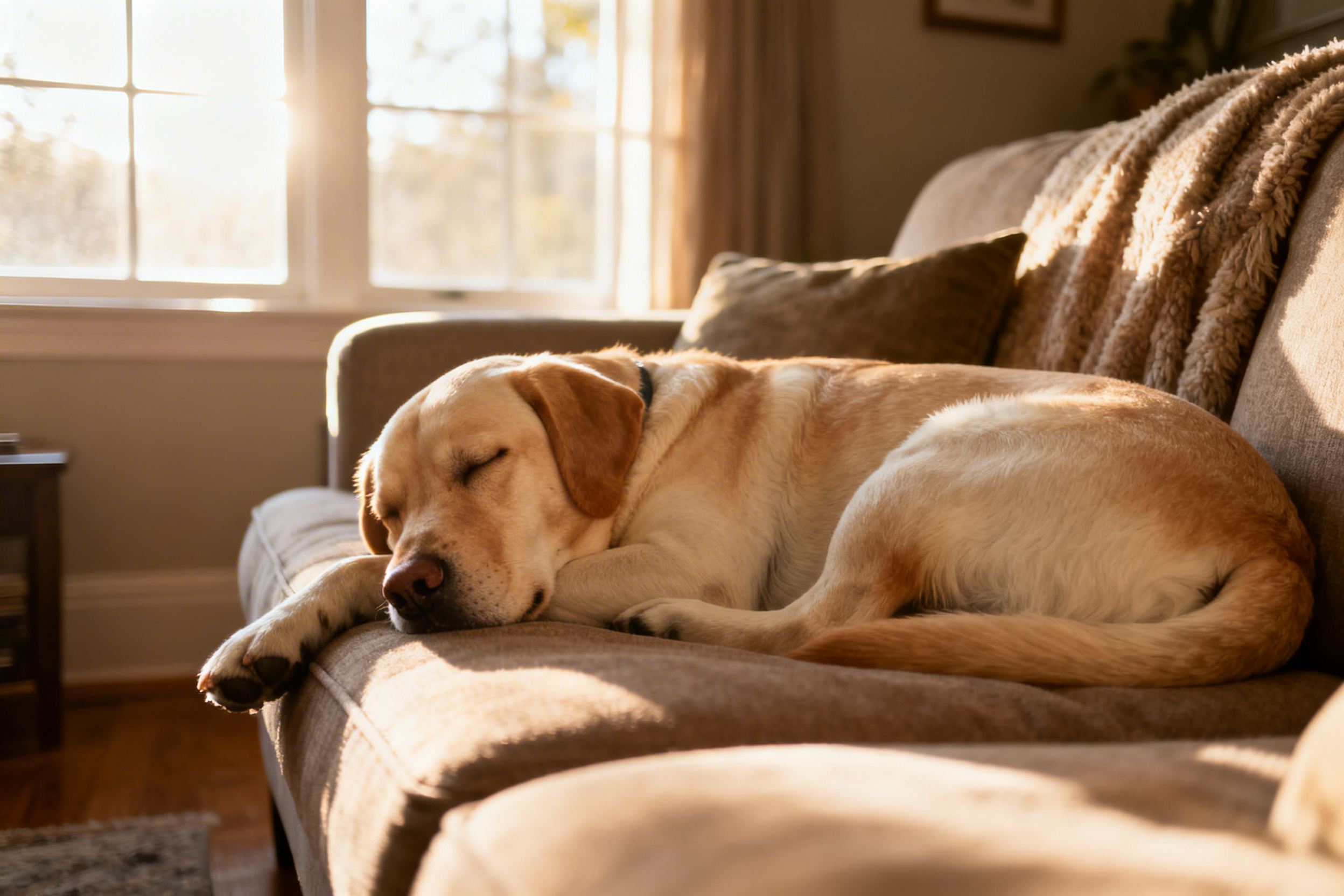
When Max started panting heavily during what should have been a relaxing evening, his owner Sarah initially dismissed it as simple exertion from playtime. But when the rapid breathing continued for hours—accompanied by restless pacing and obsessive paw licking—she realized something deeper was triggering his distress. For dogs suffering from environmental or food allergies, excessive panting often signals discomfort, anxiety from constant itching, or even early-stage anaphylactic responses. Understanding how to calm a panting dog becomes essential for pet parents navigating the complex world of canine allergic reactions. This comprehensive guide explores the connection between allergy-induced stress and rapid breathing, providing immediate intervention strategies and long-term solutions to keep your furry friend comfortable and breathing easy.
Understanding Why Allergic Dogs Pant Excessively
While panting serves as a primary cooling mechanism for canines, allergy-prone dogs often exhibit rapid breathing patterns that extend beyond temperature regulation. When a dog encounters allergens—whether pollen, dust mites, or specific proteins—their immune system releases histamines, creating systemic inflammation that manifests in various physical and behavioral symptoms.
The Allergy-Panting Connection
Dogs experiencing allergic reactions pant for three primary reasons. First, skin inflammation and intense itching create physical discomfort that elevates stress hormones, naturally increasing respiratory rates. Second, certain allergies trigger nasal congestion or throat swelling, forcing dogs to breathe through their mouths more frequently. Third, anxiety stemming from chronic irritation can induce stress-panting similar to panic responses in humans.
Unlike normal thermoregulation panting—which typically resolves within minutes of resting in a cool environment—allergy-related panting persists despite comfortable temperatures and may accompany other symptoms including:
- Excessive scratching or biting at paws
- Red, watery eyes with increased ocular discharge
- Swelling of the muzzle, lips, or ear flaps
- Restlessness and inability to settle
- Repetitive behaviors like scooting or head shaking
Identifying Emergency vs. Benign Panting
Learning how to calm a panting dog starts with rapid assessment. Benign allergy-related panting usually involves open-mouth breathing with a pink tongue and manageable energy levels. However, if your dog’s gums appear blue or pale, if breathing sounds wheezy or labored, or if panting accompanies vomiting or collapse, immediate veterinary intervention is critical—these signs indicate anaphylaxis or severe respiratory distress requiring emergency care.

Immediate Techniques: How to Calm a Panting Dog During Allergy Flares
When you notice your allergic dog entering a panting episode, quick action prevents escalation into full panic or hyperventilation. These evidence-based calming strategies address both the physiological and psychological components of allergy-induced respiratory distress.
Create a Cool, Low-Stimulus Environment
Move your dog to an air-conditioned room or shaded area immediately. Temperatures between 68-72°F (20-22°C) optimally support allergic dogs, as heat exacerbates inflammation. Eliminate visual stressors—close curtains to block outdoor allergens like pollen, turn off loud televisions, and separate other pets to reduce excitement. Provide a raised cooling mat or damp towel for your dog to lie on, ensuring the chest and belly make contact with the cool surface to facilitate heat exchange.
Implement Controlled Breathing Exercises
Believe it or not, you can teach dogs respiratory regulation through gentle physical cues. Sit beside your panting dog and place one hand lightly on their ribcage. Breathe slowly and audibly yourself—dogs naturally synchronize with their owners’ respiratory patterns. As your breathing slows, apply gentle, rhythmic pressure on your dog’s chest, releasing as they exhale. This tactile feedback often reduces panting rates within 3-5 minutes.
Hydration with Anti-Inflammatory Support
Offer small amounts of cool (not ice-cold) water every few minutes rather than allowing gulping, which can induce coughing in already-irritated throats. For dogs prone to allergy flare-ups, consider adding a teaspoon of locally-sourced honey to their water bowl—this contains trace pollen amounts that may help build tolerance while soothing irritated mucous membranes.
| Severity Level | Signs | Immediate Action | When to Call Vet |
|---|---|---|---|
| Mild | Soft panting, pink gums, responsive | Cool environment, gentle massage | If continues >30 minutes |
| Moderate | Heavy panting, mild swelling, anxiety | Remove allergen source, offer Benadryl* if vet-approved | Within 2 hours |
| Severe | Gasping, blue gums, collapse | Emergency transport immediately | Call emergency vet en route |
*Always consult your veterinarian before administering antihistamines to determine appropriate dosage for your dog’s weight and condition.

Long-Term Strategies to Reduce Allergy-Induced Panting Episodes
While knowing how to calm a panting dog provides immediate relief, preventing the underlying allergic triggers offers permanent solutions. Comprehensive allergy management requires addressing gut health, environmental controls, and immune system regulation.
Optimize Gut Health for Immune Balance
Approximately 70% of a dog’s immune system resides in their gastrointestinal tract. When beneficial bacteria flourish, they produce short-chain fatty acids that reduce systemic inflammation, subsequently lowering the histamine responses that cause panting and skin irritation. Incorporating a high-quality probiotic supplement supports this microbiome balance, particularly for dogs receiving antibiotic treatments or eating processed diets.
For comprehensive support, natural dog allergy relief solutions combining probiotics with anti-inflammatory compounds show promising results. ROROCA Allergy Chews represent one such formulation, delivering a 6-strain Probiotic Blend alongside Salmon Oil rich in omega-3 fatty acids. These ingredients work synergistically to strengthen intestinal barriers, preventing allergen molecules from entering the bloodstream and triggering respiratory distress.
Environmental Modification Protocols
Reducing airborne allergens significantly decreases the frequency of panting episodes. Implement these changes gradually:
- Air Filtration: Install HEPA filters in rooms where your dog spends most time, replacing filters every 60 days during high pollen seasons.
- Bedroom Sanctuaries: Designate your bedroom as an allergen-reduced zone using impermeable mattress covers and weekly hot-water washing of all bedding.
- Paw Maintenance: Wipe paws with hypoallergenic wipes after outdoor exposure to remove pollen and grass allergens before your dog can ingest them through grooming.
- Bathing Schedules: Weekly baths with oatmeal-based or medicated shampoos remove accumulated allergens from the coat without stripping essential oils.
Anti-Inflammatory Nutritional Support
Certain botanical compounds demonstrate efficacy in managing allergic responses without the sedative effects of traditional antihistamines. Licorice Root Extract functions as a natural corticosteroid, reducing skin inflammation that drives anxiety and panting. Curcuma Longa Extract (Turmeric) inhibits the COX-2 enzyme responsible for inflammatory cascades, while Echinacea Extract modulates immune overreactions rather than suppressing them entirely.
These ingredients, combined in therapeutic doses, help maintain calm physiological states in allergy-prone dogs. When incorporated into daily wellness routines through supplements like dog allergy supplements, many pet parents report decreased panting episodes within 3-4 weeks of consistent use.
Behavioral Conditioning: Teaching Calm Responses to Allergy Discomfort
Beyond physiological interventions, training your dog to associate allergy symptoms with calm behaviors reduces panic-panting cycles. This cognitive approach proves especially valuable for dogs who have developed anxiety around their physical discomfort.
Desensitization to Physical Sensations
Dogs with chronic allergies often develop hypervigilance about normal bodily sensations, interpreting minor itches as threats requiring immediate frantic scratching or panting. Counter-conditioning involves teaching alternative behaviors when scratching urges arise.
Start by identifying your dog’s pre-panting cues—perhaps ear flicking or paw lifting. Immediately redirect to a “settle” command on a designated mat paired with high-value rewards. Over time, this creates neural pathways associating itch sensations with relaxation rather than arousal. Practice these sessions when your dog is not actively experiencing allergies to build the behavior repertoire before needed.
Pressure Therapy and Comfort Signals
Similar to thunder shirts’ effectiveness for noise phobias, gentle pressure applications calm allergy-stressed dogs. The pressure releases oxytocin and reduces cortisol levels. You can achieve this through:
- Wrapping your dog in a lightweight, breathable anxiety wrap during high-pollen days
- Teaching the “lean” behavior, where the dog presses against your leg for grounding
- Providing enclosed spaces like covered crates that create swaddling effects
These techniques prove particularly effective when combined with canine allergy management protocols that address root causes while providing immediate comfort.
Frequently Asked Questions About Panting and Canine Allergies
Can seasonal allergies cause my dog to pant more than usual?
Yes, seasonal allergies frequently trigger increased panting in sensitive dogs. When pollen counts rise, inhaled allergens irritate nasal passages and throats, forcing mouth breathing. Additionally, the physical discomfort of itchy skin elevates stress hormones, naturally increasing respiratory rates. If your dog pants excessively during spring or fall allergy seasons but remains calm in winter, environmental allergens are likely culprits requiring antihistamine protocols or immunotherapy.
How do I know if my dog is panting from pain versus allergies?
Panting from pain typically presents with localized guarding behaviors—your dog may protect a specific limb or avoid certain movements. Allergy-related panting usually accompanies scratching, rubbing against furniture, or chewing at paws. Pain-panting often worsens when attempting to move the affected area, while allergy-panting may actually decrease during gentle physical contact that distracts from itching. When in doubt, veterinary examination rules out orthopedic or internal pain sources.
Is rapid breathing during an allergic reaction always an emergency?
Not necessarily, though vigilance is crucial. Mild to moderate allergic reactions often cause accelerated breathing that resolves within 30-60 minutes of removing the allergen and administering veterinarian-approved antihistamines. However, if panting progresses to gasping, if your dog cannot settle into a lying position, or if the tongue appears swollen or blue-tinged, these indicate airway compromise requiring immediate emergency intervention. When learning how to calm a panting dog, always prioritize safety—when uncertain, contact your vet.
Can food allergies specifically trigger panting episodes?
Absolutely. Food allergies in dogs most commonly manifest as gastrointestinal upset or dermatological symptoms, but systemic reactions can include respiratory changes. Certain proteins trigger inflammatory responses affecting the entire body, including bronchial tissues. If you notice panting consistently occurring 2-6 hours after meals, particularly accompanied by ear scratching or soft stool, consider an elimination diet trial under veterinary supervision to identify triggering ingredients.
Should I use a fan to help my panting allergic dog?
Air circulation helps, but direct fan placement requires caution. Fans can circulate dust, pollen, and mold spores, potentially worsening allergic responses. Instead of pointing a fan directly at your dog, use air purifiers with fans that pull air through HEPA filtration first. If using standard fans, ensure they’re cleaned weekly and positioned to create general room circulation rather than blowing directly into your dog’s face, which can dry out already-irritated mucous membranes.
How long should I wait before taking my panting dog to the vet?
For suspected allergy-related panting without other severe symptoms, monitor for 30-45 minutes while implementing cooling and calming techniques. If panting persists beyond this window, if it interferes with sleep or eating, or if it recurs daily for more than three days, schedule a veterinary appointment. Immediate emergency care is non-negotiable if panting accompanies vomiting, diarrhea, collapse, or facial swelling—these indicate anaphylaxis rather than simple allergic discomfort.
Can anxiety supplements help with allergy-induced panting?
While anxiety supplements address the behavioral component of panting, they don’t resolve underlying allergic inflammation. However, during acute allergy flare-ups, mild calming aids containing L-theanine or casein hydrolysate can break the cycle of itch-anxiety-panting. For comprehensive support, prioritize supplements targeting immune balance first, like those containing Echinacea Extract for immune modulation and Licorice Root for natural anti-inflammatory effects, reserving pure calming aids for situational stress management.
Conclusion: Restoring Peaceful Breathing to Your Allergic Companion
Mastering how to calm a panting dog requires understanding the intricate relationship between allergic inflammation and respiratory distress. By implementing immediate cooling techniques, optimizing your home environment, and supporting your dog’s immune system through targeted nutrition, you transform panic-filled episodes into manageable moments of temporary discomfort.
Remember that panting serves as communication—your dog’s way of signaling that their body is fighting invisible allergens. Products like ROROCA Allergy Chews, formulated with Probiotic Blends, Salmon Oil, and botanical extracts like Turmeric and Licorice Root, offer daily support that reduces the frequency and intensity of these episodes from the inside out.
While these strategies provide powerful tools for at-home management, never hesitate to consult your veterinarian when panting patterns change or worsen. With patience, environmental controls, and appropriate immune support, your allergy-prone dog can return to the calm, happy companion you love—breathing easy and living fully.
Have you successfully calmed a panting dog during allergy season? Share your experience in the comments below, or explore our complete guide to holistic dog allergy care for year-round wellness strategies.