

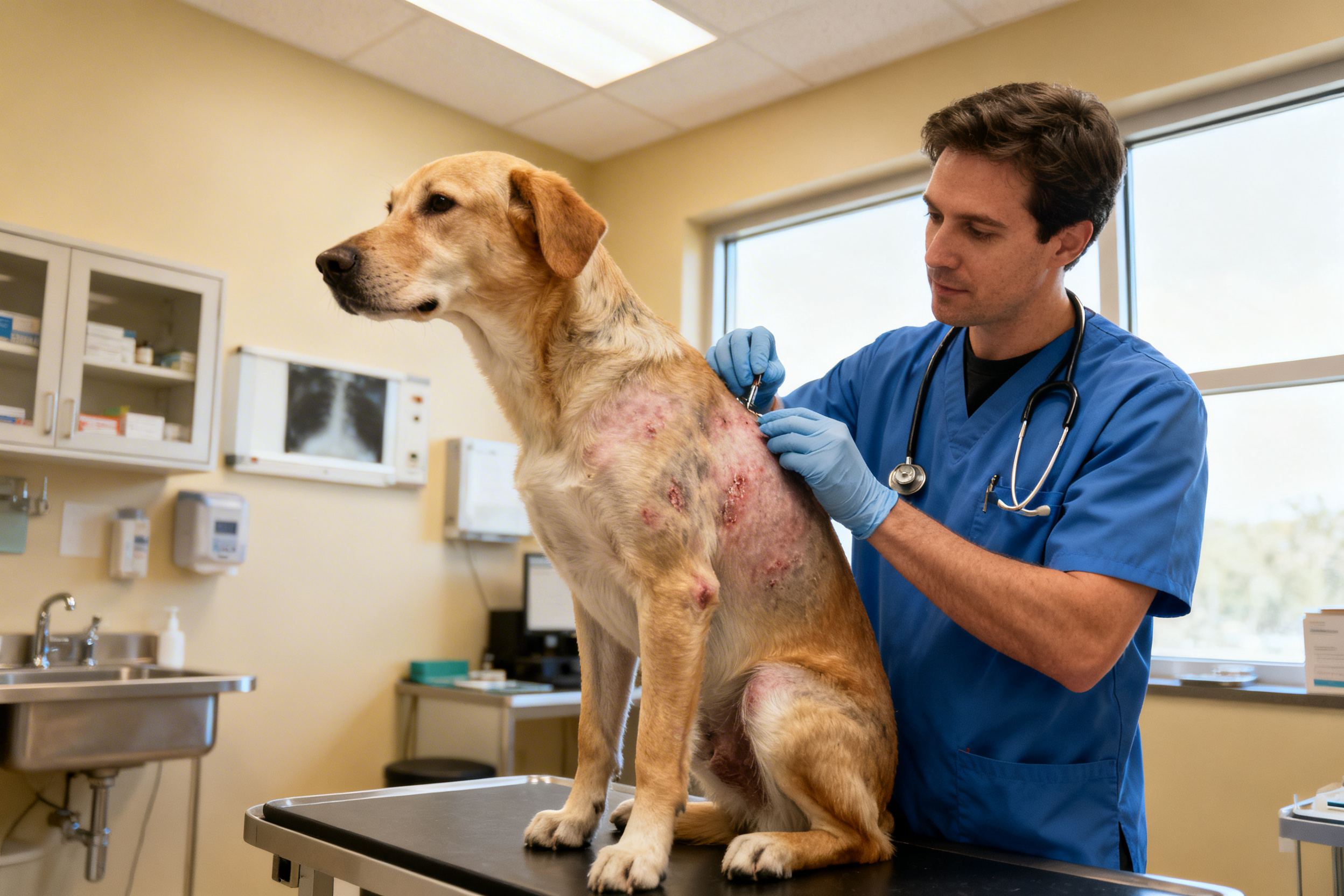
When Max started scratching his ears until they bled at 3 AM, his owner Sarah assumed it was just a bug bite. Three vet visits and two sleepless weeks later, she discovered the truth: her golden retriever was suffering from severe environmental allergies. If you’re wondering how do I know if my dog has allergies, you’re not alone. Millions of pet parents mistake allergy symptoms for minor skin irritations, delayed treatment, and watch their beloved companions suffer needlessly.

Canine allergies have become increasingly prevalent, affecting dogs of every breed and age. Unlike humans who sneeze and sniffle, dogs manifest allergic reactions primarily through their skin and digestive systems. This comprehensive guide will walk you through the telltale signs, different allergy types, diagnostic processes, and effective relief strategies—including how premium supplements like ROROCA Allergy Chews can support your pup’s immune system naturally.

How Do I Know If My Dog Has Allergies: The Quick Answer
If your dog exhibits persistent itching, recurrent ear infections, paw licking, or digestive upset that lasts more than two weeks, allergies are likely the culprit. Unlike temporary skin irritations that resolve within days, allergic reactions represent an immune system overreaction to substances like pollen, dust mites, specific proteins, or flea saliva.
The key differentiator is chronicity. Occasional scratching is normal dog behavior; constant scratching, biting, or licking indicates an underlying inflammatory response. Watch for patterns—does the itching worsen during spring months? Do symptoms appear after mealtime? These temporal clues help distinguish between environmental triggers, food sensitivities, and contact allergies.
The 5 Most Common Signs Your Dog Has Allergies
Recognizing common dog allergy symptoms early prevents secondary infections and unnecessary discomfort. While manifestations vary by allergy type, these five indicators warrant immediate attention:
1. Excessive Scratching and Skin Irritation
Dogs with allergies often scratch relentlessly, particularly around the ears, paws, groin, and underbelly. You may notice redness, hot spots (acute moist dermatitis), or thickened skin from chronic inflammation. The scratching isn’t occasional—it’s compulsive, occurring throughout the day and disrupting sleep.
2. Chronic Ear Infections
Recurrent ear infections represent one of the most overlooked allergy symptoms. If your dog requires multiple ear cleanings monthly or shakes their head frequently, pollen or food allergens may be triggering inflammation in the ear canals. Look for dark discharge, foul odors, or sensitivity when touching the ears.
3. Paw Licking and Chewing
Allergic dogs frequently lick their paws until the fur turns rust-colored from saliva staining. This behavior intensifies after outdoor walks when environmental allergens contact the paws. Some dogs chew between their toes, creating raw, painful lesions susceptible to bacterial infection.
4. Gastrointestinal Distress
Food allergies specifically trigger vomiting, diarrhea, excessive gas, or frequent bowel movements. Unlike dietary indiscretion (eating garbage), allergic GI symptoms persist despite dietary consistency and often accompany skin issues—a condition called cutaneous adverse food reactions.
5. Respiratory Symptoms
While less common than skin manifestations, some dogs exhibit sneezing, reverse sneezing, watery eyes, or coughing when exposed to airborne allergens. These symptoms often mimic human hay fever and typically correlate with seasonal pollen counts.
Understanding the Three Main Types of Canine Allergies
When investigating how do I know if my dog has allergies, identifying the specific type guides treatment decisions. Veterinarians classify dog allergies into three primary categories:
Environmental Allergies (Atopy)
Atopic dermatitis affects approximately 10-15% of dogs and involves hypersensitivity to airborne substances like tree pollens, grasses, mold spores, dust mites, and dander. These allergies often develop between ages 1-3 and may show seasonal patterns—worsening in spring and fall when pollen counts peak.
Dogs with atopy typically scratch their face, feet, and underarms. The condition often progresses with age, requiring increasingly aggressive management. Intradermal skin testing remains the gold standard for identifying specific environmental triggers.
Flea Allergy Dermatitis (FAD)
Even a single flea bite can trigger intense itching in sensitive dogs. FAD represents a hypersensitivity to flea saliva proteins. Affected dogs often exhibit hair loss at the base of the tail and hindquarters, accompanied by small red bumps (papules). Strict flea control eliminates symptoms entirely in these cases.
Food Allergies
Unlike environmental allergies, identifying food allergies in dogs requires dietary manipulation. Common culprits include beef, chicken, dairy, wheat, soy, and eggs. Food-allergic dogs typically show year-round symptoms without seasonal variation. An elimination diet trial—feeding a novel protein or hydrolyzed diet for 8-12 weeks—confirms diagnosis.
The Diagnostic Process: How Vets Confirm Allergies
Veterinary diagnosis involves ruling out alternative conditions like mange, fungal infections, or hormonal imbalances before confirming allergies. Your veterinarian will likely recommend:
Skin Scrapings and Cytology: These tests rule out demodectic mange, sarcoptic mange, and bacterial/yeast infections that mimic allergic symptoms.
Serum Allergy Testing: Blood tests measure immunoglobulin E (IgE) antibodies against specific allergens. While convenient, these tests produce false positives and work best when combined with clinical history.
Intradermal Skin Testing: Considered the most accurate method, this procedure involves injecting small amounts of allergens into the skin and measuring reactions. Veterinary dermatologists typically perform this test under sedation.
Elimination Diet Trials: For suspected food allergies, strict dietary trials lasting 8-12 weeks definitively identify offending ingredients. This requires feeding exclusively novel protein or hydrolyzed diets without treats, flavored medications, or dental chews.
Natural Relief and Immune Support Strategies
Once you understand how do I know if my dog has allergies, implementing a multi-modal management approach provides optimal relief. While veterinary prescriptions like Apoquel or Cytopoint control symptoms effectively, natural support strategies reduce inflammation and strengthen immune function.
Environmental Management
Minimize allergen exposure by wiping paws with hypoallergenic wipes after walks, using HEPA air purifiers indoors, washing bedding weekly in hot water, and maintaining rigorous flea prevention programs. Bathing with medicated shampoos containing oatmeal or chlorhexidine soothes irritated skin and removes pollen from the coat.
Nutritional Support with Targeted Supplements
Dietary supplements addressing gut health and inflammation provide foundational support for allergic dogs. The gut microbiome directly influences immune system regulation, making probiotics essential for natural remedies for dog allergies.
ROROCA Allergy Chews offer a veterinarian-formulated blend specifically designed for allergic dogs. These palatable soft chews combine a 6-strain Probiotic Blend to restore healthy gut flora with Salmon Oil providing omega-3 fatty acids that reduce skin inflammation. The addition of Licorice Root Extract offers natural corticosteroid-like effects without side effects, while Curcuma Longa Extract (Turmeric) and Echinacea Extract provide potent anti-inflammatory and immune-modulating benefits.
Unlike single-ingredient supplements, this comprehensive formula addresses multiple inflammatory pathways simultaneously. Many pet parents report reduced scratching and improved coat quality within 3-4 weeks of consistent administration.
Topical Therapies
Leave-in conditioners containing ceramides repair damaged skin barriers, while spot treatments with hydrocortisone spray provide temporary itch relief. Always avoid human topical medications containing zinc oxide or fragrances, as these prove toxic when ingested during grooming.
When to Seek Immediate Veterinary Care
While allergies rarely constitute emergencies, certain complications require prompt attention. Contact your veterinarian immediately if you observe:
- Swelling of the face, lips, or eyes (possible anaphylaxis)
- Difficulty breathing or wheezing
- Open wounds or pus-filled lesions indicating secondary infection
- Loss of appetite or lethargy lasting more than 24 hours
- Ear discharge accompanied by head tilting or balance problems
These symptoms indicate secondary bacterial infections, ear canal damage, or rare severe allergic reactions requiring immediate intervention.
Frequently Asked Questions
How do I know if my dog has allergies versus dry skin?
Dry skin typically presents as flaky dandruff without intense itching or inflammation. Allergic skin shows redness, papules, and obsessive scratching. Dry skin improves with humidifiers and moisturizing shampoos, while allergic conditions persist and worsen without anti-inflammatory treatment.
Can dog allergies develop suddenly in older dogs?
Yes. While most allergies develop between ages 1-3, dogs can develop sensitivities to new substances at any age. Senior dogs may experience late-onset allergies due to immune system changes or cumulative environmental exposure over time.
What is the most accurate way to test for dog allergies?
Intradermal skin testing performed by veterinary dermatologists provides the highest accuracy for environmental allergies, with specificity rates exceeding 75%. For food allergies, elimination diet trials remain the only definitive diagnostic method, as blood tests for food allergies are notoriously unreliable.
Are certain dog breeds more prone to allergies?
Golden Retrievers, Labrador Retrievers, Bulldogs, Boxers, and Terriers show higher predispositions to atopic dermatitis. However, any breed—including mixed breeds—can develop allergies. Genetic factors combined with environmental triggers determine individual susceptibility.
Can I give my dog Benadryl for allergies?
Diphenhydramine (Benadryl) provides mild relief for acute allergic reactions like insect bites but rarely controls chronic atopic dermatitis effectively. The standard dosage is 1mg per pound of body weight, but always consult your veterinarian before administering human medications, as contraindications exist for dogs with glaucoma, heart conditions, or hyperthyroidism.
How long does it take to see improvement with allergy treatment?
Symptomatic relief from antihistamines or steroids may occur within hours, but long-term management strategies like immunotherapy (allergy shots) require 6-12 months for full effect. Nutritional supplements like ROROCA Allergy Chews typically show measurable improvement in skin and coat quality within 3-6 weeks of daily administration.
Conclusion
Understanding how do I know if my dog has allergies empowers you to advocate effectively for your pet’s comfort. By recognizing chronic itching, ear infections, and paw licking as potential immune responses rather than minor irritations, you expedite proper diagnosis and treatment.
Remember that allergy management requires patience and consistency. Whether your dog needs prescription medications, environmental modifications, or immune-supporting supplements like ROROCA Allergy Chews, the goal remains reducing inflammation and restoring quality of life. Always partner with your veterinarian to develop a comprehensive treatment plan tailored to your dog’s specific triggers and health status.
Don’t let your pup suffer through another season of scratching. Start documenting symptoms today, schedule that veterinary consultation, and take the first step toward an itch-free life for your best friend.