

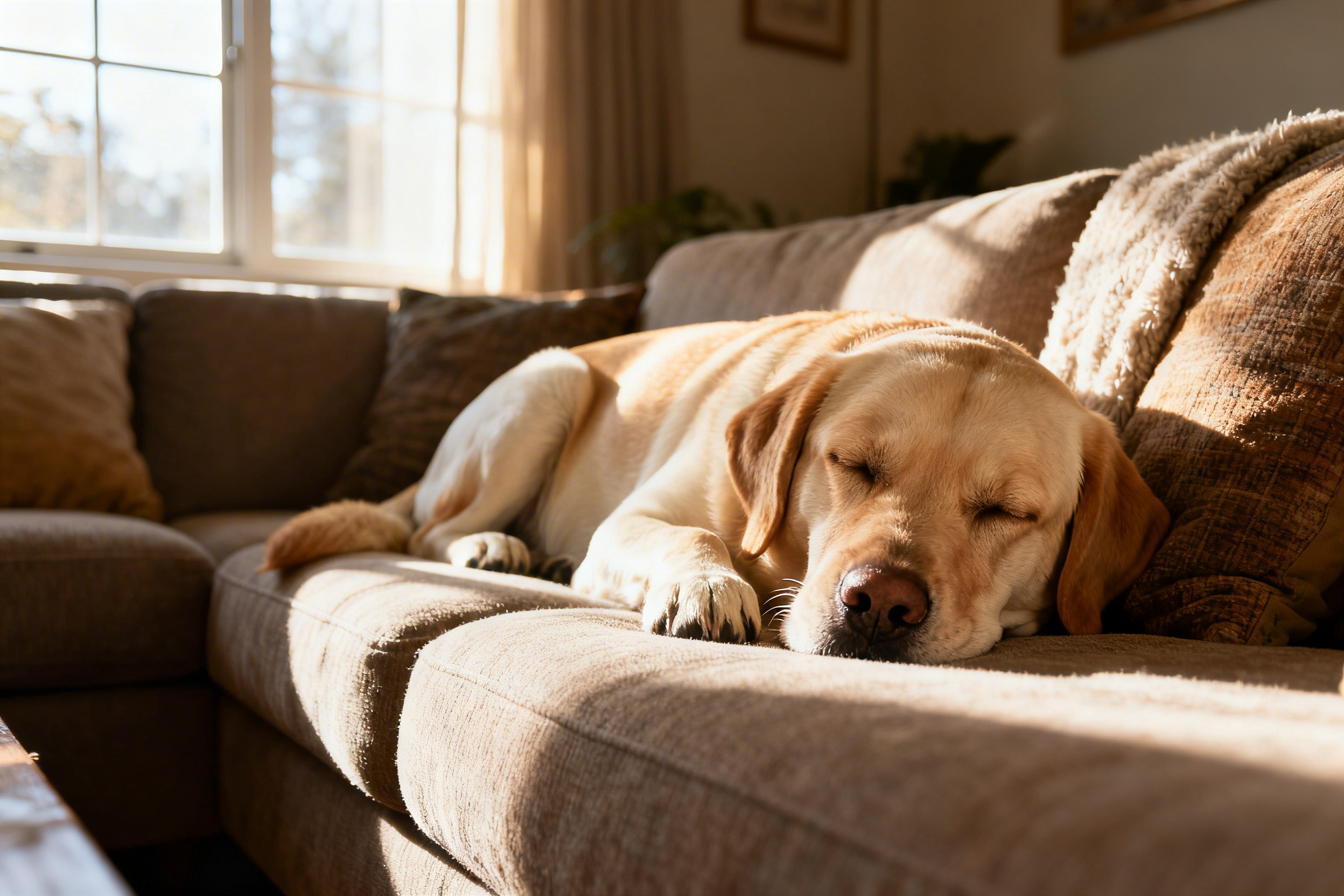
When Sarah noticed her Labrador, Cooper, panting heavily after rolling in the spring grass, she initially assumed he’d simply overexerted himself. But as the rapid breathing continued—accompanied by red paws and excessive scratching—she realized this wasn’t ordinary post-exercise panting. It was an allergic response triggering respiratory distress. If you’re searching for how to calm a panting dog who suffers from allergies, you’re not alone. Many pet parents don’t realize that allergic reactions can manifest as heavy, labored breathing, anxiety-driven panting, or heat intolerance caused by skin inflammation. This comprehensive guide bridges the gap between allergy management and respiratory relief, offering evidence-based techniques to soothe your pup while addressing the root cause.
The Hidden Connection Between Allergies and Heavy Panting
Understanding why allergic dogs pant excessively is crucial before attempting calming techniques. While panting is normal after exercise or in warm weather, allergy-related panting often occurs without obvious triggers and signals underlying physiological stress.
Respiratory Allergies and Airway Inflammation
Environmental allergens like pollen, dust mites, and mold don’t just cause itchy skin—they can trigger allergic rhinitis and bronchial inflammation. When a dog inhales allergens, their airways may constrict or produce excess mucus, forcing them to breathe through their mouth. This common dog allergy symptom mimics asthma and requires immediate environmental modification alongside calming techniques.
Anxiety-Induced Panting from Chronic Itching
Chronic atopic dermatitis creates a cycle of discomfort that elevates cortisol levels. Dogs experiencing intense itching often develop anxiety disorders, manifesting as stress panting even when resting. The psychological burden of constant skin irritation can keep your dog in a heightened state of arousal, making relaxation impossible without addressing the allergic flare-up first.
Temperature Dysregulation from Skin Inflammation
Allergic skin conditions compromise the skin’s barrier function and blood flow regulation. Inflamed skin generates excess heat, causing dogs to pant in an attempt to cool down—even in moderate temperatures. This explains why dogs with hot spots and allergic dermatitis often seek cool surfaces while breathing heavily.

Immediate Intervention: How to Calm a Panting Dog During an Allergic Episode
When your dog enters a heavy panting episode potentially triggered by allergies, rapid intervention prevents escalation into full respiratory distress. Follow this prioritized action plan:
Step 1: Remove Environmental Triggers Immediately
Relocate your dog to an allergen-controlled space immediately. If outdoors, move away from grassy areas, blooming plants, or dusty environments. Indoors, ensure the room has HEPA filtration and maintain temperature between 68-72°F. The goal is reducing airborne allergen exposure while lowering ambient temperature to decrease the respiratory burden.
Step 2: Implement the “Cool Compress Calming” Technique
Apply cool (not ice-cold) compresses to your dog’s paw pads, groin area, and neck. These vascular regions help regulate body temperature quickly. Simultaneously, offer small amounts of cool water—avoid large gulps that may cause bloat. The physical cooling often interrupts the panic-panting cycle within 5-10 minutes.
Step 3: Position for Optimal Breathing
Guide your dog into sternal recumbency (chest down, elbows forward) rather than lateral lying. This position maximizes lung expansion. Elevate the front slightly using a cushion to reduce pressure on the diaphragm. Speak in low, rhythmic tones while maintaining gentle physical contact—consistent pressure on the shoulder (not the chest) releases oxytocin and reduces anxiety-driven panting.
Step 4: Humidify or Dehumidify Based on Season
For dogs with allergic bronchitis, dry air exacerbates panting. Run a cool-mist humidifier to soothe irritated airways. Conversely, if humidity triggers mold allergies, use air conditioning to reduce moisture levels. Monitor your dog’s breathing rate: normal is 15-30 breaths per minute at rest. Count chest movements for 15 seconds and multiply by four.
Step 5: Distract and Reset the Nervous System
Once initial panic subsides, engage in “capturing calmness” training. Offer a long-lasting frozen treat (consider hypoallergenic frozen broth treats) that requires licking—this repetitive motion naturally lowers heart rate and extends the respiratory cycle. Avoid high-value toys that encourage excitement; the goal is parasympathetic nervous system activation.

Long-Term Management: Preventing Allergy-Induced Panting Episodes
While acute calming techniques provide immediate relief, preventing future episodes requires systemic allergy management. Integrating these strategies reduces the frequency and severity of respiratory distress.
Immunomodulatory Supplementation
Supporting your dog’s immune system helps modulate the exaggerated responses that lead to inflammatory panting. ROROCA Allergy Chews provide a comprehensive approach to natural dog allergy relief, specifically formulated to address the root causes of allergy-related respiratory distress.
These veterinarian-formulated chews contain a 6-strain Probiotic Blend that supports the gut-lung axis—emerging research shows that gut health directly impacts respiratory immune responses. The inclusion of Salmon Oil provides omega-3 fatty acids that reduce systemic inflammation, potentially decreasing airway hypersensitivity. Licorice Root Extract offers adaptogenic properties that support adrenal function during allergic stress, while Curcuma Longa Extract (Turmeric) inhibits the inflammatory cytokines responsible for bronchial constriction. Finally, Echinacea Extract balances immune modulation rather than simple stimulation, preventing the overreactions that trigger panting episodes.
Administering these chews daily creates a cumulative effect, often reducing the intensity of allergic reactions within 3-4 weeks and decreasing anxiety-related panting behaviors as skin comfort improves.
Environmental Zoning Strategies
Create “breathing sanctuaries” in your home using air purifiers with activated carbon filters to capture pollen and dander. Bathe your dog with medicated or oatmeal-based shampoos weekly to remove allergen buildup from the coat—this prevents the inhalation of particles that trigger respiratory panting during grooming. Wipe paws with hypoallergenic wipes after outdoor exposure to prevent tracking allergens into resting areas.
Dietary Modifications for Respiratory Health
Transition to a novel protein diet or hydrolyzed protein formula if food allergies contribute to systemic inflammation. Avoid high-sodium treats that increase thirst and subsequent panting. Incorporate moisture-rich fresh foods that support mucous membrane health in the respiratory tract.
Recognizing Emergency Panting vs. Manageable Allergic Reactions
Not all panting requires simple calming techniques. Understanding when heavy breathing constitutes a medical emergency saves lives.
Seek immediate veterinary care if panting is accompanied by:
- Blue-tinged gums or tongue (cyanosis)
- Stridor (high-pitched breathing sounds) or wheezing
- Inability to rest or lie down comfortably
- Distended abdomen or signs of bloat
- Foamy saliva or vomiting while panting
- Collapse or severe lethargy
These symptoms indicate anaphylaxis, airway obstruction, or cardiovascular distress—not simple allergic discomfort. Conversely, if your dog maintains normal gum color, responds to your voice, and can settle when moved to a cool room, the panting likely represents manageable allergic respiratory irritation.
Keep a detailed allergy journal documenting panting episodes, including duration, environmental conditions, and recent exposures. This data helps veterinarians distinguish between allergic asthma, exercise intolerance, and cardiovascular issues.
Frequently Asked Questions
Can seasonal allergies really cause my dog to pant heavily?
Yes, seasonal allergies often cause panting through multiple mechanisms. Inhaled pollen can trigger allergic bronchitis, causing airway inflammation that forces mouth breathing. Additionally, the discomfort of itchy skin creates anxiety that manifests as stress panting. Dogs may also pant to cool down when skin inflammation raises their body temperature.
How do I know if my dog’s panting is from allergies or just being hot?
Allergic panting typically persists in cool environments and occurs without recent exercise. Look for accompanying signs: paw licking, red eyes, sneezing, or scratching. Heat-related panting resolves quickly with cooling, whereas allergy panting may continue for hours and often includes restless behavior or rubbing the face against furniture.
Is panting a sign of food allergies in dogs?
While less common than environmental triggers, food allergies can cause panting through systemic inflammation or gastrointestinal distress. If your dog pants excessively within 2-6 hours of eating, especially accompanied by ear scratching or soft stools, consider an elimination diet trial after consulting your veterinarian.
What room temperature is best for a panting dog with allergies?
Maintain 65-70°F for allergic dogs prone to respiratory panting. This range reduces the metabolic need for thermoregulation while preventing the dryness that exacerbates allergic airways. Use fans for air circulation but avoid direct drafts on your dog’s face, which can trigger protective panting reflexes.
Can allergy medication stop the panting?
Antihistamines like diphenhydramine may reduce panting caused by histamine release during allergic reactions, but they don’t address inflammation-driven respiratory distress. Corticosteroids prescribed by veterinarians more effectively reduce airway inflammation. Never use human allergy medications without veterinary dosage guidance, as some contain decongestants toxic to dogs.
How long should calming techniques take to work on a panting dog?
Effective calming techniques should show noticeable improvement within 10-15 minutes. If your dog’s respiratory rate hasn’t decreased after 20 minutes of cooling, quiet environment, and gentle restraint, contact your veterinarian. Persistent panting may indicate progressing allergic reaction or secondary complications.
Does anxiety from allergies require separate treatment from the allergies themselves?
Often, yes. While treating the underlying allergies reduces anxiety long-term, dogs may develop conditioned fear responses to itching sensations. Behavioral modification techniques, including desensitization to handling and calming supplements, work synergistically with allergy treatment. The probiotic blend in ROROCA Allergy Chews supports the gut-brain axis, potentially reducing anxiety while addressing immune health.
Conclusion: Breathing Easy Together
Learning how to calm a panting dog requires understanding whether you’re addressing heat, anxiety, or allergic respiratory distress. By implementing immediate cooling techniques, removing allergen triggers, and supporting your dog’s immune system with targeted nutrition like ROROCA Allergy Chews, you transform scary panting episodes into manageable moments. Remember that consistent daily management prevents the crises that require emergency intervention.
Monitor your dog’s breathing patterns regularly when they’re relaxed to establish a baseline—this knowledge proves invaluable when assessing future episodes. While this guide provides comprehensive strategies for allergy-related panting, always maintain open communication with your veterinarian, especially when introducing new supplements or if panting patterns change suddenly.
Your allergic dog can live a comfortable, active life with the right combination of environmental control, nutritional support, and calming techniques. Start with one change today, whether that’s investing in HEPA filtration or adding immune-modulating supplements to their routine, and watch your pup breathe easier tomorrow.