

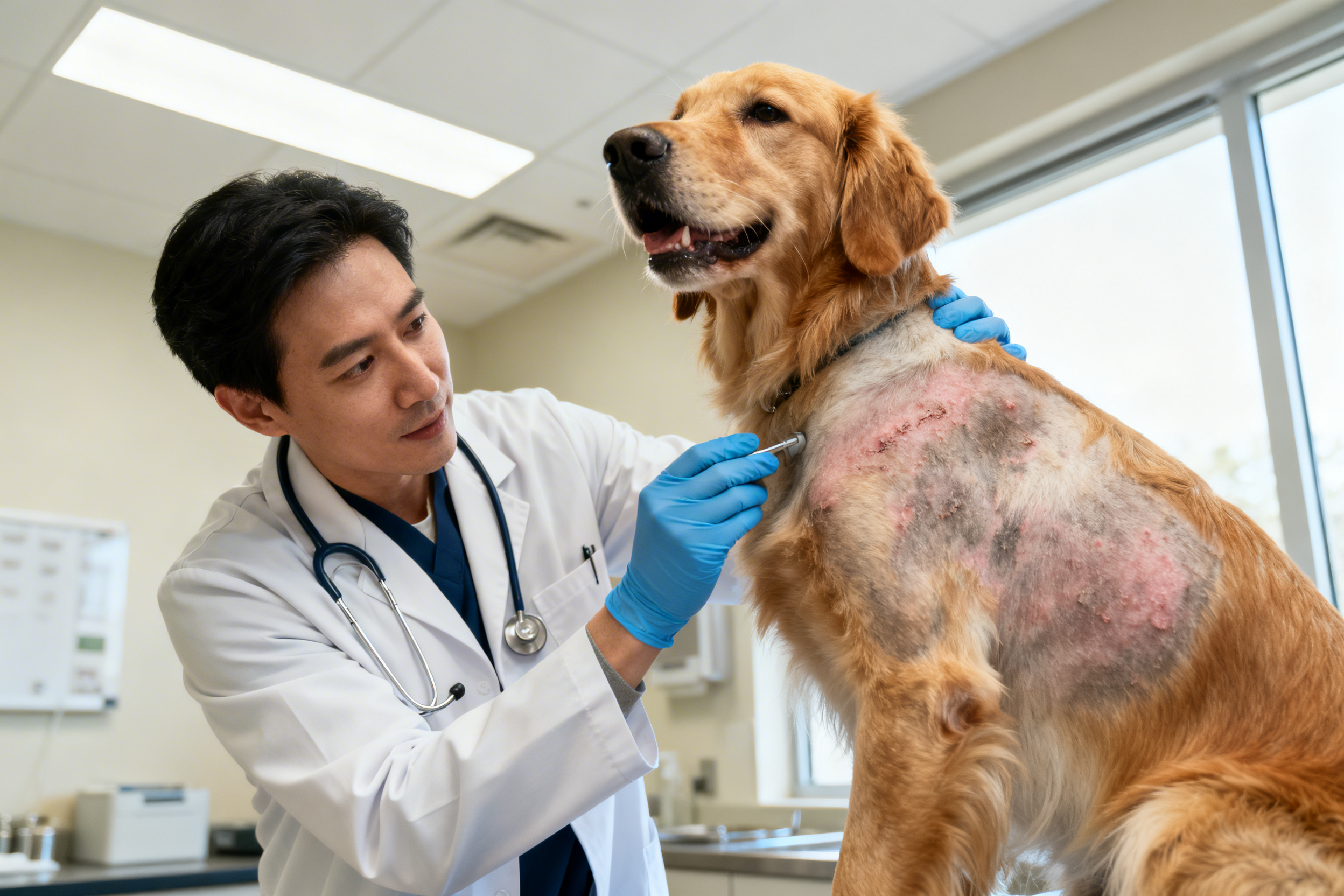
How Do I Know If My Dog Has Allergies? A Complete 2026 Guide for Concerned Pet Parents
Is your dog keeping you up at night with constant scratching? You’re not alone—and those persistent symptoms might be trying to tell you something important about your pup’s health.
As a devoted dog parent, watching your furry companion suffer through sleepless nights of itching, paw-licking, or digestive distress can feel helpless. If you’ve found yourself wondering how do I know if my dog has allergies, you’re asking the right question. Canine allergies affect millions of dogs annually, yet they often go misdiagnosed as simple dry skin or behavioral issues.
This comprehensive guide will walk you through the subtle (and not-so-subtle) signs that indicate allergic reactions in dogs, help you distinguish between environmental and food triggers, and explain when it’s time to consult your veterinarian. By the end, you’ll have the knowledge needed to identify allergy symptoms early and explore effective relief options for your four-legged family member.

The Quick Answer: Recognizing Allergy Red Flags
Before diving into the science, here’s what you need to know immediately: dog allergies typically manifest through skin irritation, digestive upset, or respiratory symptoms. Unlike humans who sneeze and get watery eyes, dogs primarily react through their skin.
Key indicators your dog may have allergies include:
- Persistent scratching, especially at ears, paws, and belly
- Red, inflamed skin or hot spots
- Chronic ear infections or head shaking
- Excessive paw licking or chewing
- Hair loss or thinning coat
- Watery eyes or nasal discharge (less common but possible)
- Gastrointestinal issues like vomiting or diarrhea (food allergies)
If these symptoms persist for more than two weeks or recur seasonally, you’re likely dealing with an allergic condition rather than a temporary irritation.

Understanding the Different Types of Dog Allergies
Not all allergies are created equal. When investigating dog allergy testing methods, veterinarians first categorize the reaction type. Understanding these distinctions helps you identify triggers and seek appropriate treatment.
Environmental Allergies (Atopy)
Environmental allergies, also called atopic dermatitis, occur when your dog’s immune system overreacts to substances like pollen, mold, dust mites, or grass. These allergies often present seasonally—worsening in spring and fall—but can become year-round if indoor allergens are the culprit.
Dogs with environmental allergies typically show symptoms between ages 1 and 3, though onset can occur at any time. The condition often starts with itching around the paws, ears, and groin area before spreading to other body parts.
Food Allergies and Intolerances
True food allergies involve an immune response to specific proteins, most commonly beef, chicken, dairy, wheat, or soy. Unlike environmental triggers, food allergies cause both skin reactions and gastrointestinal distress. Switching to a hypoallergenic diet for allergic dogs often reveals whether food is the culprit within 8-12 weeks.
Food intolerances, while uncomfortable, don’t involve the immune system and typically cause digestive symptoms only.
Flea Allergy Dermatitis
Some dogs develop severe reactions to flea saliva—a single bite can trigger intense itching for weeks. If you notice hair loss at the base of the tail and red, bumpy skin, flea allergies might be responsible even if you haven’t spotted the insects themselves.
Contact Allergies
Less common but equally uncomfortable, contact allergies occur when skin touches irritants like certain shampoos, detergents, fabrics, or lawn chemicals. These reactions typically appear on sparsely-haired areas like the belly or paws.
Decoding Your Dog’s Body Language: Symptom Breakdown
Learning to read your dog’s specific symptoms helps determine whether you’re facing allergies or another health issue. Here’s what to watch for during daily grooming and play sessions.
Skin and Coat Changes
Allergic dogs often develop secondary skin infections from constant scratching. Look for:
- Hot spots (moist, red lesions that appear suddenly)
- Crusty or scaly patches
- Darker skin pigmentation (chronic inflammation)
- Unusual odor from bacterial or yeast overgrowth
The itching pattern matters too. Allergic itching tends to be frantic and persistent, whereas dry skin itching is usually milder and seasonal.
Ear Problems
Chronic ear infections are hallmark signs of underlying allergies. If your dog shakes their head frequently, scratches at their ears, or produces dark, waxy discharge, allergies may be compromising the ear canal’s natural defenses.
Paw Obsession
Does your dog lick their paws until they’re stained reddish-brown? This saliva staining indicates chronic irritation. Allergic dogs often chew between their toes or rub their faces on carpet to relieve itching.
Behavioral Shifts
Constant discomfort changes behavior. Your normally playful pup might become irritable, restless, or withdrawn. Sleep disruption from nighttime scratching is another telltale sign that separates allergies from minor skin irritation.
The Diagnostic Journey: How Vets Confirm Allergies
Self-diagnosis helps, but professional confirmation ensures proper treatment. When you ask your veterinarian how do I know if my dog has allergies, they’ll typically recommend a process of elimination.
Ruling Out Other Conditions
First, your vet will exclude mange, fungal infections, hormonal imbalances, and autoimmune diseases through skin scrapings, blood work, and physical examination. These conditions mimic allergies but require different treatments.
Elimination Diet Trials
For suspected food allergies, vets recommend an 8-12 week elimination diet using novel proteins (like venison or duck) or hydrolyzed diets. During this period, no treats, table scraps, or flavored medications can compromise results.
Intradermal Skin Testing
Considered the gold standard for environmental allergies, this test involves injecting small amounts of common allergens under the skin to observe reactions. It’s typically performed by veterinary dermatologists and helps formulate immunotherapy (allergy shots).
Blood Testing (Serology)
While less accurate than skin testing, blood tests measure antibodies to specific allergens. They’re useful for dogs with skin too irritated for injections or those taking medications that interfere with skin testing.
Relief Strategies and Long-Term Management
Once you’ve identified allergies, managing symptoms becomes a lifestyle rather than a quick fix. Modern approaches combine immediate relief with immune system support.
Immediate Symptom Management
For acute flare-ups, veterinarians might prescribe antihistamines, corticosteroids, or Apoquel (oclacitinib) to break the itch cycle. Medicated shampoos containing oatmeal or chlorhexidine soothe irritated skin while controlling secondary infections.
Regular bathing removes environmental allergens from the coat, while foot soaks after outdoor walks prevent tracking pollen into the home.
Building Immune Resilience Naturally
Long-term allergy management focuses on strengthening the gut-skin axis—the connection between digestive health and immune function. This is where targeted nutritional support makes a significant difference.
Consider incorporating ROROCA Allergy Chews into your dog’s daily routine. These veterinarian-formulated soft chews address allergies at their source by supporting immune balance rather than merely masking symptoms. The proprietary blend includes a 6-strain Probiotic Blend to optimize gut health, Salmon Oil rich in omega-3 fatty acids to reduce skin inflammation, and botanical ingredients like Licorice Root Extract, Curcuma Longa Extract (Turmeric), and Echinacea Extract that naturally modulate histamine responses.
Unlike harsh medications that suppress the immune system, this approach helps your dog’s body develop tolerance to allergens while soothing irritated skin from within. Many pet parents notice reduced scratching and improved coat quality within 4-6 weeks of consistent use.
Environmental Modifications
Simple home changes reduce allergen exposure:
- Use HEPA air purifiers in sleeping areas
- Wash bedding weekly in hot water
- Maintain regular flea prevention year-round
- Wipe down surfaces frequently to remove dust and pollen
- Choose hypoallergenic cleaning products
Frequently Asked Questions About Identifying Dog Allergies
How do I know if my dog has allergies vs dry skin?
Dry skin typically presents as mild flaking without intense itching or inflammation. Allergies cause persistent scratching, red skin, and often affect specific areas like paws, ears, and belly. Allergic dogs also show patterns—seasonal worsening or reactions after specific activities like walks or meals.
What time of year are dog allergies worst?
Environmental allergies typically peak during spring (tree and grass pollen) and fall (ragweed and mold). However, dust mite allergies worsen in winter when heating systems circulate indoor allergens. If symptoms persist year-round, suspect food allergies or indoor environmental triggers.
Can dogs suddenly develop allergies?
Yes. While many dogs show initial symptoms between 1-3 years old, dogs can develop allergies at any age. Sudden onset often follows changes in environment, diet, or immune system status. Senior dogs sometimes develop new sensitivities as their immune function changes.
How quickly do allergy symptoms appear after exposure?
Environmental allergies typically cause reactions within minutes to hours of exposure. Food allergy symptoms may appear within hours or take days to manifest as digestive issues or skin flare-ups. Contact allergies usually show within 24-48 hours of touching the irritant.
What’s the difference between food and environmental allergies?
Food allergies often cause gastrointestinal symptoms (vomiting, diarrhea, gas) alongside skin issues, while environmental allergies primarily affect the skin and ears. Food allergies don’t fluctuate with seasons, whereas environmental allergies may improve during winter months.
When should I see a vet for suspected allergies?
Schedule a veterinary consultation if symptoms persist beyond two weeks, if your dog develops skin infections or ear problems, or if the itching interferes with sleep or quality of life. Early intervention prevents secondary complications and reduces long-term treatment costs. Seek immediate care if you notice facial swelling or difficulty breathing.
Conclusion: Taking Action for Your Itchy Pup
Understanding how do I know if my dog has allergies empowers you to advocate effectively for your pet’s comfort. While the journey from suspicion to diagnosis requires patience, the relief your dog experiences makes every step worthwhile.
Remember that allergies aren’t curable, but they’re absolutely manageable. Start by documenting symptoms, photographing skin changes, and noting potential triggers. Combine veterinary guidance with proactive measures like environmental control and immune-supporting supplements such as ROROCA Allergy Chews to give your dog the best quality of life possible.
Don’t let allergies define your dog’s golden years. With proper identification and a comprehensive management plan, your pup can return to the playful, comfortable companion you love. Ready to explore dog skin allergy treatment options tailored to your pet’s specific needs? Your journey to relief starts today.
📖 Related Reading
- Dog Allergy Symptoms: Complete Guide
- Dog Skin Allergy Treatment Options
- Dog Food Allergies: Symptoms & Solutions