

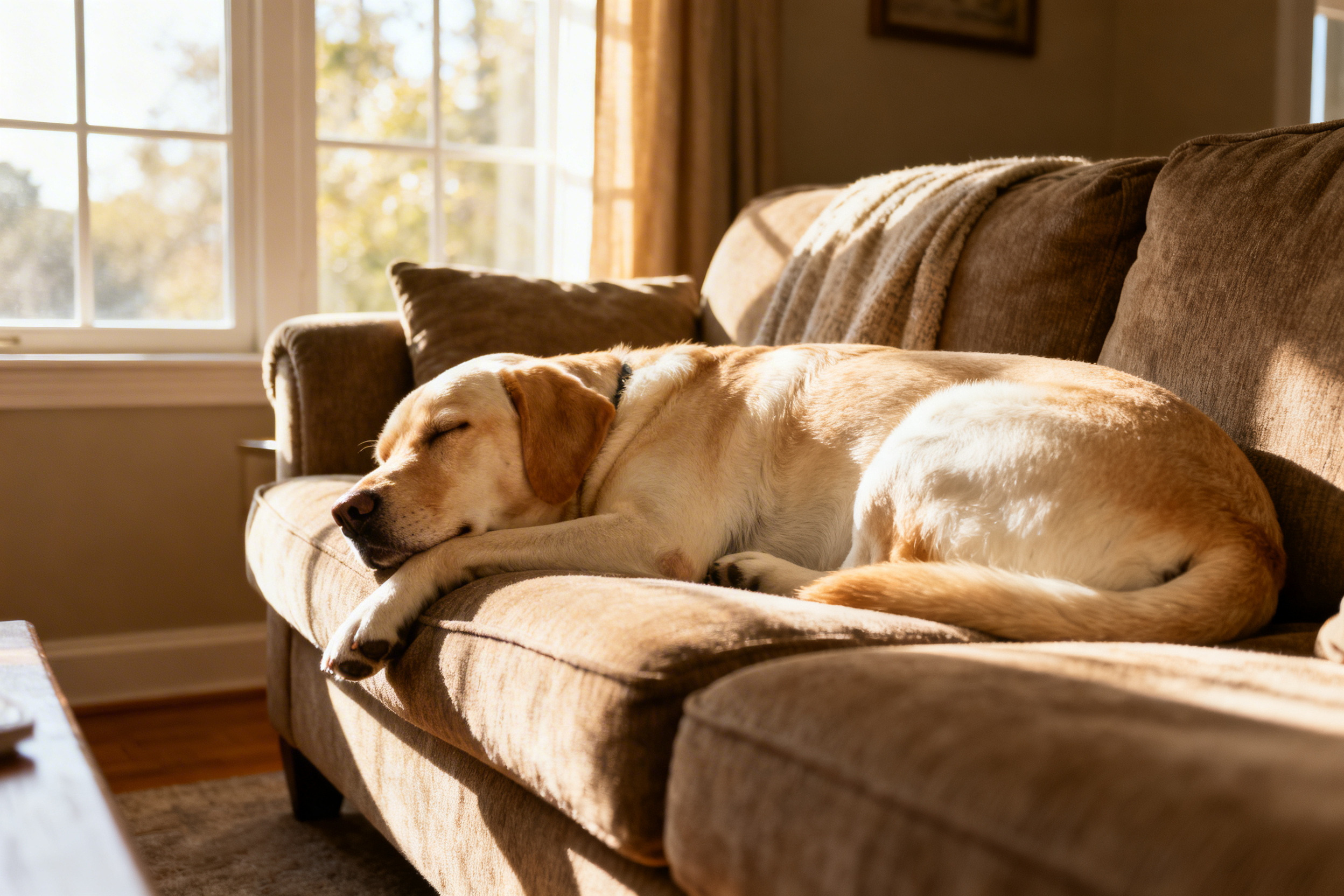
When Max started incessantly scratching his ears at 2 AM, his owner Sarah assumed it was just a seasonal irritation. But within days, her Golden Retriever transformed from a playful companion into a restless, anxious shadow of himself—pacing through the house, unable to settle, and whining softly as he scratched raw patches into his skin. If you’re searching for how to calm dogs down while managing allergy symptoms, you’re facing a dual challenge that millions of pet parents encounter yearly.

The connection between canine allergies and anxiety is deeper than most realize. When dogs experience chronic itching, skin inflammation, or digestive discomfort from allergies, their stress hormones surge, creating a cycle of physical discomfort and emotional distress. This comprehensive guide explores evidence-based strategies to soothe your allergic dog’s nerves while addressing the root causes of their restlessness.

Understanding the Allergy-Anxiety Connection in Dogs
Before diving into how to calm dogs down, it’s essential to understand why allergic dogs often struggle with anxiety. When a dog’s immune system overreacts to environmental triggers like pollen, dust mites, or certain proteins, it releases histamines and inflammatory cytokines. These chemical messengers don’t just cause physical symptoms—they directly affect your dog’s nervous system.
Research from veterinary behaviorists indicates that chronic inflammation can alter neurotransmitter function in dogs, particularly affecting serotonin and dopamine levels. This biological reality means your itchy, uncomfortable dog isn’t just physically miserable—they’re chemically predisposed to feel anxious and agitated.
The Vicious Cycle of Scratch and Stress
Consider the feedback loop: environmental allergens trigger skin irritation, causing your dog to scratch intensely. This physical sensation activates their fight-or-flight response, releasing cortisol. Elevated cortisol increases skin sensitivity, making the itching feel more intense, which leads to more scratching and higher anxiety levels. Breaking this cycle requires addressing both the physical signs your dog is suffering from allergies and their emotional state simultaneously.
Immediate Calming Techniques for Allergy Flares
When your dog enters an acute state of itching-induced panic, you need fast-acting interventions. These methods focus on sensory redirection and physiological calming.
The Cold Compress Method
Applying a cool, damp cloth to irritated skin provides immediate relief by constricting blood vessels and numbing nerve endings. Wrap ice packs in soft towels and hold them against hot spots for 5-minute intervals. The temperature change interrupts the itch-scratch cycle while the gentle pressure activates your dog’s parasympathetic nervous system, naturally lowering heart rate.
Targeted Distraction Protocol
Mental stimulation can override physical discomfort temporarily. Prepare frozen lick mats smeared with dog-safe pumpkin puree or plain yogurt. The repetitive licking motion releases endorphins while the cold soothes inflamed gums and provides sensory counter-irritation to skin itching. This technique proves especially effective during peak pollen seasons when seasonal allergies peak.
Pressure Therapy Applications
Similar to weighted blankets for humans, gentle pressure helps regulate the canine nervous system. Use anxiety wraps or thunder shirts specifically designed to apply consistent pressure around the torso. For allergic dogs, ensure the fabric is hypoallergenic and washed in fragrance-free detergent to avoid additional skin irritation.
Environmental Modifications for Anxious Allergic Dogs
Creating a low-stimulus sanctuary helps minimize both allergen exposure and anxiety triggers. Your dog’s environment plays a crucial role in their ability to remain calm during allergy seasons.
Start with air quality management. High-efficiency particulate air (HEPA) filters remove 99.97% of airborne allergens including pollen, mold spores, and dust mites. Position these units in your dog’s primary resting areas, maintaining humidity levels between 40-50% to prevent skin dryness that exacerbates itching.
Designate a “calm zone” using orthopedic bedding elevated off the floor to reduce contact with dust mites. Choose cooling gel mattresses for dogs with hot spots or skin inflammation. The cool surface soothes irritated skin while the dedicated space provides psychological security.
Sound Therapy and White Noise
Auditory stress compounds physical discomfort in allergic dogs. White noise machines or specially composed dog relaxation music masks sudden noises that might startle an already sensitive pet. Studies demonstrate that classical music, particularly pieces with slower tempos around 50-60 beats per minute, significantly reduces canine heart rates within 15 minutes of exposure.
Long-Term Strategies: How to Calm Dogs Down Through Gut Health
Emerging research highlights the gut-brain-skin axis in canines—a triangular relationship where digestive health directly influences both skin condition and emotional stability. Addressing this connection offers a sustainable solution for allergic dogs prone to anxiety.
The intestinal microbiome produces approximately 90% of the body’s serotonin, a neurotransmitter critical for mood regulation. When allergies disrupt gut integrity (often through inflammatory responses or antibiotic treatments for secondary infections), serotonin production drops, increasing anxiety while simultaneously worsening allergic responses.
Integrating Targeted Nutritional Support
Supporting your dog’s gut microbiome with specific supplements can break the allergy-anxiety cycle. Look for formulations containing a Probiotic Blend (6-strain) to repopulate beneficial bacteria, Salmon Oil rich in EPA and DHA omega-3 fatty acids to reduce systemic inflammation, and adaptogenic herbs like Licorice Root Extract which supports adrenal function during stress responses.
Additionally, Curcuma Longa Extract (Turmeric) provides powerful anti-inflammatory compounds that soothe irritated skin while supporting cognitive function, and Echinacea Extract modulates immune responses to prevent the overreactions that trigger both allergic symptoms and subsequent anxiety.
ROROCA Allergy Chews combine these ingredients specifically to address the dual challenge of allergic reactions and stress responses. By calming inflammation at the source while supporting neurotransmitter production through gut health, these chews help stabilize mood while reducing the physical triggers that cause restlessness.
Behavioral Training for Allergy-Induced Anxiety
Teaching alternative behaviors to scratching provides long-term emotional regulation. Counterconditioning techniques help your dog develop coping mechanisms that don’t involve damaging their skin.
Begin with “settle” training on a designated mat. Reward your dog for lying calmly with all four paws on the ground, gradually increasing duration. When itching strikes, redirect to this mat using high-value treats. Over time, the mat becomes a safe space where scratching isn’t reinforced, and calm behavior is rewarded.
Consider cooperative care training for dogs requiring frequent medicated baths or topical treatments. Teaching your dog to willingly participate in their allergy management reduces the stress of these necessary interventions. Use positive reinforcement to create positive associations with bathing, ear cleaning, and medication administration.
Exercise Modifications for Sensitive Dogs
Physical activity remains essential for anxiety management, but allergic dogs require strategic exercise planning. High-intensity workouts during peak pollen hours increase exposure to environmental allergens while elevating cortisol levels.
Schedule walks during early morning or late evening when pollen counts drop. Opt for indoor enrichment activities on high-pollen days or during wildfire season when air quality suffers. Snuffle mats, puzzle feeders, and gentle indoor obstacle courses provide mental exhaustion without environmental exposure.
Swimming offers excellent low-impact exercise for allergic dogs, assuming they don’t react to chlorine or lake allergens. The water pressure can actually soothe itchy skin while the activity releases pent-up energy that might otherwise manifest as anxiety.
When to Consult Your Veterinarian
While natural remedies for dog anxiety prove effective for many dogs, certain situations require professional intervention. If your dog’s anxiety manifests as self-mutilation, aggression, or complete refusal to eat, immediate veterinary attention is necessary.
Your vet might recommend pharmaceutical interventions alongside behavioral management. Apoquel or Cytopoint can break the itch cycle quickly, while short-term anti-anxiety medications like trazodone provide relief during acute flares while long-term gut health protocols take effect.
Additionally, skin infections secondary to allergies require antibiotic or antifungal treatment. These infections cause significant discomfort that no amount of behavioral training can overcome. Regular check-ups ensure your calming strategies complement rather than replace necessary medical care.
Frequently Asked Questions
Can allergies really cause anxiety in dogs, or is it just discomfort?
Yes, allergies directly cause anxiety through multiple pathways. Chronic inflammation alters brain chemistry by reducing serotonin production and increasing cortisol levels. Additionally, the constant sensation of itching creates a state of hypervigilance where dogs cannot relax, leading to genuine anxiety disorders that persist even when physical symptoms temporarily subside.
How quickly can I expect calming techniques to work for my allergic dog?
Immediate techniques like cold compresses and pressure therapy typically show results within 10-15 minutes. However, nutritional interventions targeting gut health require 4-6 weeks to fully modulate the immune response and stabilize mood. Consistency matters—daily implementation of calming protocols yields better results than sporadic use during major flares.
Should I avoid comforting my dog when they’re anxious from itching?
No, this outdated advice ignores the legitimate distress allergic dogs experience. Comforting your dog during allergy flares doesn’t reinforce the itching—it provides necessary emotional support. However, avoid excessively fussing over specific scratching episodes, as this can create anxiety around the behavior itself. Instead, offer calm, quiet presence and redirect to approved soothing activities.
Are certain dog breeds more prone to allergy-related anxiety?
breeds with genetic predispositions to atopic dermatitis—including French Bulldogs, Golden Retrievers, and West Highland White Terriers—often display higher rates of comorbid anxiety. Their sensitive immune systems correlate with sensitive nervous systems. These dogs benefit particularly from preventative calming protocols before allergy season begins.
Can calming my dog actually improve their allergy symptoms?
Absolutely. Stress reduction lowers cortisol levels, which in turn reduces inflammation throughout the body. When dogs achieve a calmer state, they scratch less, preventing skin breakdown and secondary infections. This reduction in physical irritation creates a positive feedback loop where decreased anxiety leads to decreased itching, which further reduces anxiety.
What ingredients should I look for in calming supplements for allergic dogs?
Prioritize supplements containing anti-inflammatory omega-3s like Salmon Oil, gut-supporting probiotics, and adaptogenic herbs. Specifically, look for Licorice Root Extract for adrenal support, Curcuma Longa Extract for inflammation management, and Echinacea Extract for immune modulation. Avoid supplements with artificial flavors or common allergens like chicken or beef byproducts.
How do I know if my dog needs medication or if natural calming methods are sufficient?
If your dog maintains normal eating and sleeping patterns despite occasional itching, natural methods usually suffice. However, if anxiety prevents sleep, causes aggression, or leads to self-harm through excessive scratching, pharmaceutical intervention becomes necessary. Consult your veterinarian when natural methods fail to provide relief within two weeks of consistent application.
Conclusion
Learning how to calm dogs down during allergy seasons requires a multifaceted approach addressing both physical triggers and emotional responses. By implementing immediate soothing techniques, modifying your home environment, and supporting improving your dog’s digestive health with targeted supplements like ROROCA Allergy Chews, you can break the devastating cycle of itch-anxiety-itch.
Remember that your allergic dog isn’t choosing to be anxious—their discomfort is real and biologically driven. Patience, consistency, and the right combination of environmental management and nutritional support will restore your pup’s peace of mind. Start with one or two techniques from this guide, monitor your dog’s response, and build a customized calming protocol that keeps your best friend comfortable through every season.