

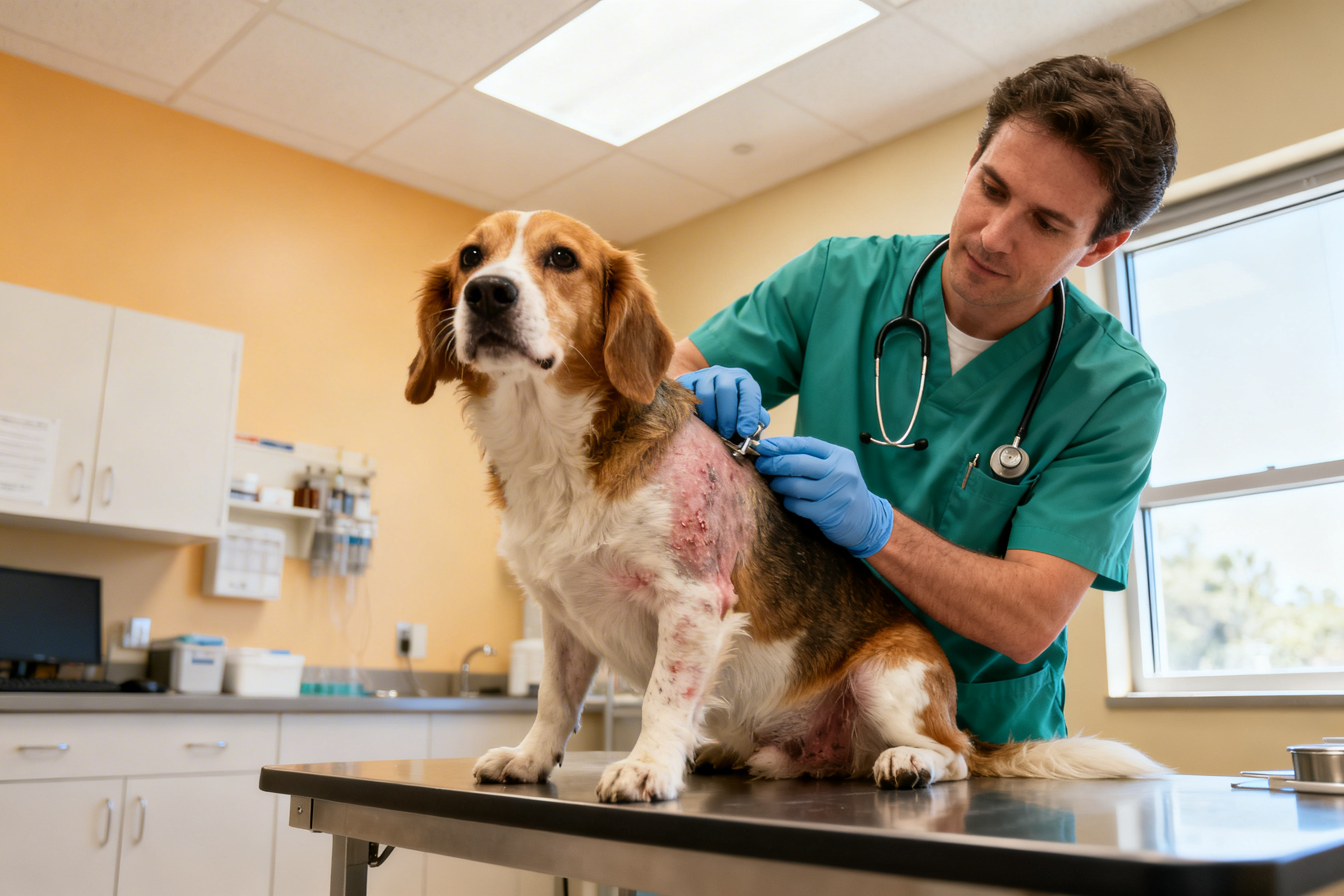
As a dog parent, watching your pup suffer is heartbreaking—especially when they’re gnawing at their skin until it bleeds. If your dog is obsessively scratching, licking their paws, or developing raw hot spots despite your best flea prevention efforts, they might be dealing with flea allergy dermatitis (FAD). This hypersensitive reaction to flea saliva affects millions of dogs annually, turning a single flea bite into weeks of misery.
Learning how to treat flea allergy dermatitis in dogs at home can save you expensive vet bills while providing immediate relief for your furry friend. While severe cases require veterinary intervention, many mild to moderate flare-ups respond beautifully to consistent home care, environmental management, and immune-supporting nutrition. This comprehensive guide walks you through evidence-based strategies to calm your dog’s skin, eliminate fleas from your environment, and prevent future outbreaks—all from the comfort of your home.
Understanding Flea Allergy Dermatitis: Why One Bite Matters
Flea allergy dermatitis isn’t simply having fleas—it’s an immune system overreaction to proteins in flea saliva. When a flea bites, it injects saliva containing histamine-like compounds and enzymes. In allergic dogs, the immune system treats these compounds as threats, triggering intense inflammation that persists long after the flea is gone.
Unlike regular flea infestations that cause mild itching, FAD creates a cascading inflammatory response. A single flea bite can trigger itching lasting 7 to 14 days. This explains why dogs with FAD remain miserable even after you’ve killed the adult fleas—they’re reacting to the immunological memory of bites.
Dogs with FAD often exhibit specific patterns of hair loss and skin damage. The tail base, inner thighs, groin, and lower back typically show the worst irritation. You might notice the “pants” area (rear legs and rump) appearing red, inflamed, or stained brown from constant licking. Understanding this mechanism helps you recognize why breaking the itch-scratch cycle requires both immediate relief and long-term immune support.

Recognizing the Signs: Is It FAD or Regular Fleas?
Before diving into dog skin allergy treatments, confirm you’re dealing with FAD rather than a standard flea infestation or other skin conditions like mange or food allergies.
Classic FAD Symptoms to Watch For
Look for intense, frantic scratching that seems disproportionate to visible flea presence. Dogs with FAD often scratch within minutes of a flea bite, sometimes creating open sores within hours. The skin may feel hot to the touch, with raised bumps (papules) that progress to crusty lesions.
Hair loss typically follows a distinct pattern: thinning fur over the lower back, tail base, and hind legs. You might notice your dog dragging their rear across the floor or chewing their flanks obsessively. Secondary bacterial infections often develop in broken skin, producing a yeasty odor or yellow crusting.
The Flea Dirt Test
Perform a simple diagnostic check by placing your dog on white paper and brushing their coat vigorously, especially near the tail. Add a few drops of water to any black specks that fall out. If they dissolve into reddish-brown rings (digested blood), you’ve confirmed flea presence. Remember: seeing no live fleas doesn’t rule out FAD. Fastidious dogs groom away evidence, and allergic reactions persist after fleas die.

How to Treat Flea Allergy Dermatitis in Dogs at Home: Immediate Relief Protocol
When your dog is in acute distress, immediate intervention stops the inflammatory cascade and prevents self-trauma. Follow this multi-step protocol for rapid relief.
Step 1: Therapeutic Bathing
Bathe your dog in cool—not warm—water to constrict blood vessels and reduce inflammation. Use a colloidal oatmeal shampoo specifically formulated for allergic skin. Oatmeal contains avenanthramides that block inflammatory cytokines, providing immediate, though temporary, relief.
Work the shampoo into a rich lather and let it sit for 10-15 minutes before rinsing thoroughly. Pay special attention to affected areas, but avoid scrubbing broken skin aggressively. Follow with an aloe vera or chamomile-based conditioner to restore the skin barrier.
Step 2: Cold Compress Therapy
For localized hot spots, apply cold compresses wrapped in soft cloth for 5-minute intervals, three times daily. This reduces swelling and numbs nerve endings, breaking the itch-scratch cycle temporarily. Never apply ice directly to skin, as this can cause vasoconstriction and further damage.
Step 3: Topical Soothing Solutions
Create a healing spray by steeping green tea (rich in anti-inflammatory epigallocatechin gallate) and cooling it completely. Transfer to a spray bottle and mist affected areas 2-3 times daily. Alternatively, diluted apple cider vinegar (1 part vinegar to 1 part water) restores skin pH and discourages secondary bacterial growth, but avoid applying to open wounds.
Step 4: Environmental Decontamination
Simultaneously treat your home environment, as 95% of the flea population exists as eggs, larvae, and pupae in your environment—not on your dog. Wash all bedding in hot water (above 140°F) and vacuum thoroughly daily for two weeks, immediately disposing of vacuum bags. Consider using food-grade diatomaceous earth on carpets, leaving it for 48 hours before vacuuming to desiccate flea larvae naturally.
Building Long-Term Immunity: Nutritional Support for FAD Management
While external treatments address immediate symptoms, healing natural remedies for dog itching from the inside out requires supporting your dog’s immune system and skin barrier function. Dogs with FAD often have compromised skin barriers that allow allergens to penetrate more easily, creating a vicious cycle of inflammation.
The Role of Omega Fatty Acids
Supplementing with high-quality omega-3 fatty acids, particularly EPA and DHA from marine sources, modulates the inflammatory response. These fatty acids compete with arachidonic acid in cell membranes, reducing the production of pro-inflammatory prostaglandins and leukotrienes. Look for salmon oil or krill oil supplements, dosing according to your dog’s weight.
Probiotics and Immune Regulation
Emerging research in veterinary dermatology highlights the gut-skin axis—specific probiotic strains help regulate immune hypersensitivity. A diverse microbiome supports T-regulatory cell function, which calms overactive immune responses like those seen in FAD.
Comprehensive Allergy Support with ROROCA
For dogs struggling with persistent allergic responses, ROROCA Allergy Chews offer a synergistic blend specifically formulated to support dogs with environmental and flea-related sensitivities. These veterinarian-formulated chews combine a 6-strain Probiotic Blend to restore gut health and immune balance with Salmon Oil providing essential omega-3s for skin barrier repair.
The formula also includes Licorice Root Extract, which provides natural cortisol-like effects to soothe inflammation without the side effects of synthetic steroids. Curcuma Longa Extract (Turmeric) delivers potent curcuminoids that inhibit the NF-kB pathway, a major driver of allergic inflammation. Finally, Echinacea Extract supports healthy immune surveillance without overstimulation.
Unlike temporary fixes, ROROCA Allergy Chews address the root immunological imbalances that make some dogs hyper-reactive to flea saliva. When combined with rigorous flea control, these chews help reduce the severity of future flare-ups and support faster healing of damaged skin.
Breaking the Cycle: Comprehensive Flea Eradication Strategies
Treating FAD requires eliminating fleas from your dog and your environment simultaneously. Adult fleas represent merely the tip of the iceberg—the remaining population hides in carpets, floorboards, and outdoor areas.
Natural Flea Repellents for Sensitive Dogs
For dogs with chemical sensitivities, natural repellents offer protection without harsh pesticides. Essential oils like cedarwood, lavender, and lemongrass (properly diluted to 0.5-1% concentration) repel fleas effectively. Create a spray by adding 10 drops of therapeutic-grade cedarwood oil to 8 ounces of distilled water with a teaspoon of witch hazel. Mist your dog’s coat before outdoor activities, avoiding eyes and mucous membranes.
Yard Management
Treat outdoor areas where your dog spends time, focusing on shady, moist spots where fleas thrive. Nematodes (beneficial microscopic worms) applied to lawns consume flea larvae naturally without harming pets or wildlife. Diatomaceous earth spread in dry garden areas also reduces outdoor flea populations.
The 30-Day Rule
Understand that flea pupae can remain dormant for months, hatching when they sense vibration and carbon dioxide. Consistency matters—maintain preventive measures for at least 90 days, even after symptoms resolve, to catch emerging adults before they reproduce.
When Home Treatment Isn’t Enough: Recognizing Complications
While many FAD cases respond to home management, certain situations require veterinary intervention. Monitor your dog closely for signs of secondary infection or systemic illness.
Seek immediate veterinary care if you notice:
- Deep, malodorous wounds indicating bacterial or fungal infection
- Fever, lethargy, or loss of appetite accompanying skin lesions
- Extensive hair loss covering more than 30% of the body
- No improvement after 2 weeks of diligent home treatment
Veterinarians may prescribe corticosteroids like prednisone for short-term relief of severe inflammation, or antibiotics for secondary infections. Cytopoint injections or Apoquel tablets offer targeted itch relief without the systemic side effects of steroids. These treatments don’t replace flea control—they manage the allergic response while you eliminate environmental fleas.
Frequently Asked Questions
How long does it take for flea allergy dermatitis to heal with home treatment?
With consistent flea elimination and symptomatic care, most dogs show significant improvement within 7-10 days. However, complete resolution of skin lesions may take 3-4 weeks, depending on severity and whether secondary infections developed. Continued preventive measures are essential long-term, as future flea bites will trigger immediate recurrence.
Can I give my dog Benadryl for flea allergy dermatitis?
Diphenhydramine (Benadryl) provides mild relief for some dogs at 1mg per pound of body weight, given 2-3 times daily. However, antihistamines alone rarely control severe FAD itching adequately. They work best as adjuncts to other therapies. Always consult your veterinarian before administering human medications, especially if your dog takes other prescriptions or has existing health conditions.
What’s the fastest way to stop my dog from itching right now?
Immediate strategies include: applying cold compresses to hot spots for 5 minutes, giving a therapeutic oatmeal bath, and using an Elizabethan collar to prevent further self-trauma. For rapid pharmaceutical relief, veterinarians can administer corticosteroid injections that reduce itching within hours, though this requires professional evaluation.
Are there natural alternatives to steroids for treating FAD?
Yes, several natural compounds reduce inflammation effectively. Omega-3 fatty acids, quercetin (nature’s antihistamine), and turmeric supplements help modulate immune responses. Topical aloe vera and calendula soothe irritated skin. However, severe acute flare-ups may still require short-term steroid use to prevent self-mutilation and secondary infections.
How can I tell the difference between flea allergy and food allergies?
FAD typically affects the rear half of the body—tail base, inner thighs, and lower back—while food allergies often cause itching around the face, paws, and ears. Food allergies may accompany gastrointestinal symptoms like loose stools or vomiting. However, some dogs suffer from both conditions simultaneously, requiring elimination diets alongside flea control for diagnosis.
Will flea allergy dermatitis go away on its own if I remove all fleas?
Removing fleas stops new allergic reactions, but existing inflammation persists until the immune system calms down. Without treatment, dogs often continue scratching due to residual skin irritation and secondary infections, creating a cycle of damage even after fleas die. Active treatment accelerates healing and prevents complications.
Conclusion
Mastering how to treat flea allergy dermatitis in dogs at home requires patience, consistency, and a multi-modal approach. By combining immediate soothing therapies with rigorous environmental flea control and immune-supporting nutrition, you can break the miserable itch-scratch cycle that plagues allergic dogs.
Remember that prevention remains your most powerful tool. Maintain year-round flea prevention, support your dog’s skin health with quality supplements like ROROCA Allergy Chews, and monitor for early signs of flare-ups. While home care manages many cases effectively, never hesitate to consult your veterinarian if your dog shows signs of infection or fails to improve—partnership between home care and professional veterinary medicine provides the best outcomes for dogs with flea allergy dermatitis.
Your dog’s comfort is worth the effort. Start implementing these strategies today, and watch your best friend return to the happy, scratch-free companion you love.