

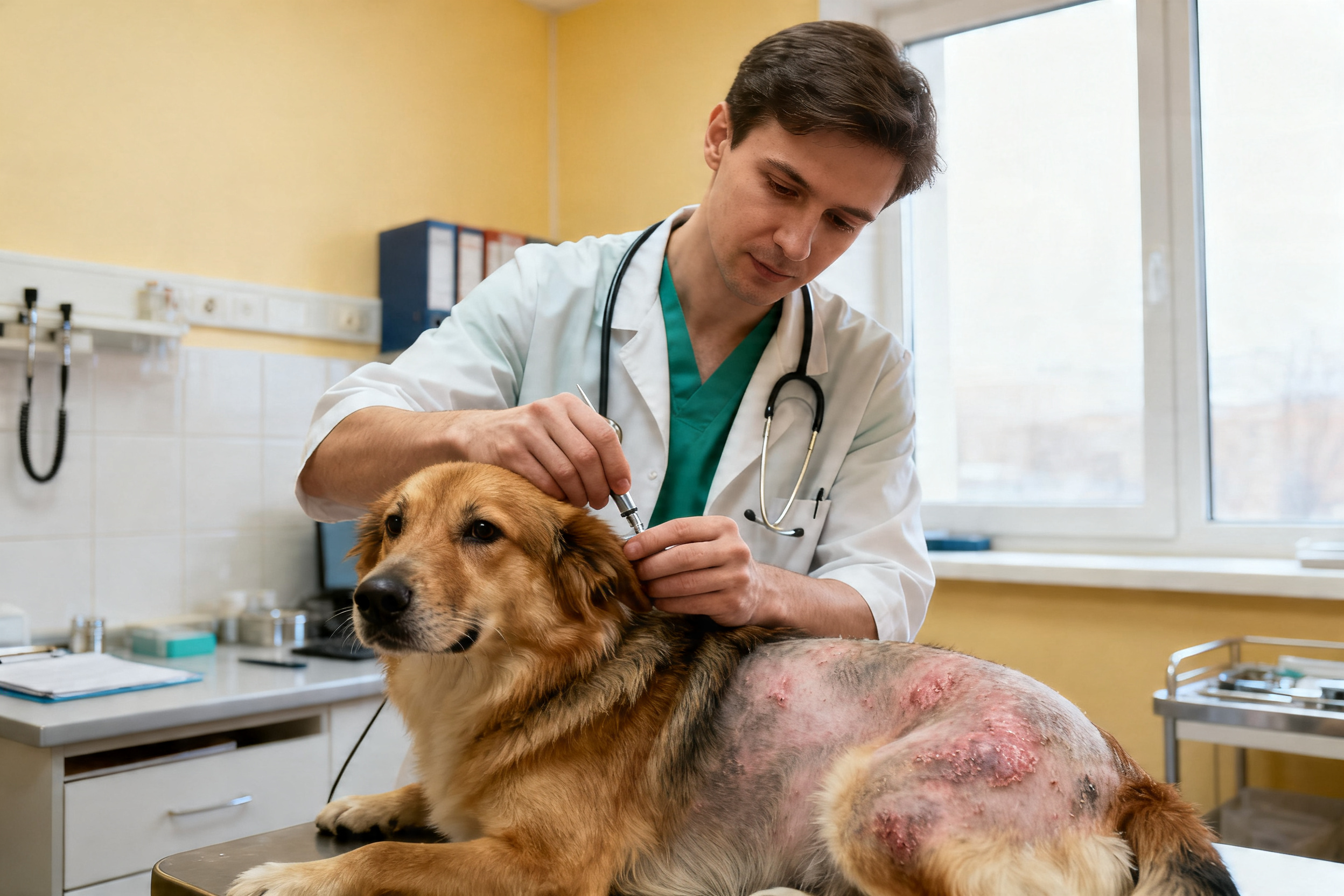
When Max started scratching his ears raw at age six, his owner Sarah was baffled. He’d never shown signs of sensitivity before—no itchy paws, no digestive upset, nothing. Yet there he was, suddenly miserable and unable to find relief. If you’re wondering can dogs develop allergies later in life, you’re not alone. Many pet parents are surprised to learn that allergies in dogs don’t always appear during puppyhood. In fact, canine allergies can develop at any stage of life, leaving owners scrambling for answers when their previously healthy dog begins showing signs of distress.

Whether your dog is a playful puppy or a distinguished senior, understanding the mechanisms behind allergic reactions is crucial for maintaining their quality of life. This comprehensive guide explores everything you need to know about why and how dogs develop allergies, the telltale symptoms to watch for, and evidence-based solutions to help your furry friend find relief in 2026.

Can Dogs Develop Allergies at Any Age?
The short answer is yes—dogs can absolutely develop allergies at any point in their lives. Unlike some health conditions that are strictly congenital or age-specific, allergic reactions stem from the immune system’s response to substances it mistakenly identifies as threats. This means that even if your dog has spent years playing in pollen-heavy parks without issue or eating the same kibble since adoption, their immune system can suddenly decide that a particular protein, pollen, or chemical is dangerous.
The Science Behind Canine Allergic Reactions
When a dog encounters an allergen for the first time, their immune system may produce immunoglobulin E (IgE) antibodies. These antibodies attach to mast cells throughout the body. Upon subsequent exposure to the same allergen, the IgE triggers these mast cells to release histamine and other inflammatory chemicals. This cascade causes the itching, swelling, and discomfort we recognize as an allergic reaction.
This sensitization process can take months or even years. A dog might walk through the same patch of grass every day for three years before their immune system finally creates the antibody response that leads to seasonal allergies in dogs. Similarly, dietary proteins that were once tolerated can suddenly trigger inflammatory responses in the gut or skin.
Age-Related Allergy Development Patterns
While any age is possible, certain allergies do show tendencies:
Puppyhood (6 months to 2 years): Food allergies and environmental sensitivities often first appear during this immune system maturation period. Puppies may develop reactions to their initial diet or early environmental exposures.
Adult onset (3 to 7 years): Many dogs develop atopic dermatitis (environmental allergies) during their prime adult years. This often surprises owners who assume their dog has “outgrown” the risk of new allergies.
Senior dogs (8+ years): While less common, older dogs can develop contact allergies to cleaning products, new bedding materials, or even develop food intolerances as digestive efficiency changes with age.
Common Types of Allergies in Dogs
Understanding what type of allergy your dog has developed is essential for effective management. Canine allergies generally fall into four distinct categories, each requiring different diagnostic approaches and treatments.
Environmental Allergens (Atopy)
Atopic dermatitis affects approximately 10-15% of the canine population and represents one of the most common reasons dogs develop allergies. These reactions occur when your dog inhales or contacts airborne substances including pollen from trees, grasses, and weeds, mold spores, dust mites, and dander from other animals.
Unlike food allergies, environmental allergies often follow seasonal patterns, though indoor allergens like dust mites can cause year-round symptoms. Dogs with atopy typically show symptoms between ages 1 and 3, though late-onset cases in middle-aged dogs are increasingly recognized by veterinary dermatologists.
Food Allergies and Sensitivities
Contrary to popular belief, grains are rarely the culprit when dog food allergy symptoms appear. True food allergies involve an immune response to proteins—most commonly beef, chicken, dairy, eggs, lamb, pork, fish, and soy. Food intolerances, which don’t involve the immune system, can also develop suddenly, causing gastrointestinal distress without the skin reactions typical of allergies.
Dogs can develop food allergies to ingredients they’ve consumed without issue for years. The immune system requires previous exposure to create the sensitization necessary for an allergic reaction, which explains why a dog might eat chicken-based food for five years before suddenly developing an allergy to the protein.
Flea Allergy Dermatitis
Even dogs with minimal flea exposure can develop severe reactions to flea saliva. A single bite can trigger intense itching for weeks in sensitized dogs. This allergy can develop at any age upon first significant exposure to fleas, making prevention crucial even for indoor dogs.
Contact Allergies
The least common but often most sudden-onset allergies occur when a dog’s skin touches an irritating substance. Shampoos, topical medications, cleaning products, synthetic fabrics, and even certain types of grass can trigger localized reactions where the skin contacted the allergen.
Recognizing When Your Dog Develops Allergies
Identifying the moment your dog transitions from normal to allergic requires careful observation. Symptoms can appear gradually or strike suddenly, depending on the allergen and your dog’s immune response.
Skin and Coat Symptoms
Dermatological signs represent the most common manifestation of canine allergies. Watch for excessive scratching, particularly around the ears, paws, groin, and underarms. Red, inflamed skin that feels hot to the touch, recurrent ear infections with dark discharge, hair loss or thinning coat in patches, and secondary skin infections from bacterial or yeast overgrowth all indicate potential allergic reactions.
Dogs developing allergies often display the “itch-scratch cycle”—they scratch to relieve itching, damage the skin barrier, which leads to more inflammation and itching. This cycle can escalate quickly, leading to open sores and infections requiring immediate dog skin allergy treatment options.
Digestive Indicators
Food allergies specifically often manifest in the gastrointestinal tract before or alongside skin symptoms. Chronic loose stools, vomiting within hours of eating, excessive gas, and frequent bowel movements (more than 2-3 times daily) can signal food intolerance or allergy. Some dogs develop “scooting” behavior as anal glands become irritated by inflammatory responses.
Respiratory Signs
While less common than skin reactions, some dogs develop respiratory allergies similar to human hay fever. Reverse sneezing, clear nasal discharge, watery eyes, and occasional coughing after outdoor exposure suggest airborne allergen sensitivity. These symptoms require differentiation from infectious diseases like kennel cough.
Diagnosis: Confirming Your Dog’s New Allergy
Self-diagnosing allergies can lead to ineffective treatments and prolonged discomfort. Veterinary diagnosis provides certainty and rules out conditions with similar presentations, such as mange, fungal infections, or hormonal imbalances.
Veterinary Examination Process
Your veterinarian will begin with a thorough history, asking when symptoms started, seasonal patterns, diet history, and environmental changes. Physical examination focuses on skin lesions, ear canal health, and coat condition. They may perform skin scrapings to rule out parasites or cytology to check for secondary infections.
Elimination Diet Trials
For suspected food allergies, the gold standard remains an 8 to 12-week elimination diet using either a novel protein source (one your dog has never consumed) or hydrolyzed protein diet where the protein molecules are too small to trigger immune response. During this period, absolutely no treats, flavored medications, or dental chews can be given. If symptoms resolve and return upon food challenge, the allergy is confirmed.
Allergy Testing Options
For environmental allergies, intradermal skin testing performed by veterinary dermatologists identifies specific allergens by injecting small amounts under the skin and measuring reactions. Serum blood tests (IgE testing) offer a less invasive alternative but with slightly lower accuracy. Neither test is considered reliable for food allergies in dogs.
How to Help a Dog Who Developed Allergies
Once you’ve confirmed your dog has developed allergies, treatment focuses on three pillars: allergen avoidance, symptom management, and immune system modulation.
Immediate Relief Strategies
For acute flare-ups, medicated shampoos containing chlorhexidine or oatmeal provide temporary relief by removing allergens from the coat and soothing inflammation. Cool water baths can reduce itching, though over-bathing may dry the skin further. Your veterinarian may prescribe corticosteroids for short-term use to break severe itch cycles, though long-term steroid use carries significant side effects including immune suppression and organ stress.
Long-Term Management Plans
Modern veterinary medicine offers several alternatives to steroids for chronic management. Apoquel (oclacitinib) and Cytopoint (canine anti-IL-31 antibody) target specific itch pathways with fewer systemic effects than steroids. Immunotherapy (allergy shots or oral drops) gradually desensitizes the immune system to specific environmental allergens, though this requires 6-12 months to show full effect.
Dietary management for food allergies requires strict avoidance of trigger ingredients—there is no “cure” other than eliminating the offending protein from the diet permanently.
Natural Support and Supplementation
Supporting your dog’s skin barrier and immune balance can reduce the severity of allergic reactions. Omega-3 fatty acids from fish oil reduce systemic inflammation, while specific probiotic strains help regulate immune responses in the gut-skin axis.
For comprehensive daily support, consider adding ROROCA Allergy Chews to your dog’s wellness routine. These veterinarian-formulated soft chews contain a proprietary 6-strain Probiotic Blend to support gut health and immune regulation, Salmon Oil rich in EPA and DHA for skin barrier function, Licorice Root Extract to soothe irritated tissues naturally, Curcuma Longa Extract (Turmeric) for its anti-inflammatory properties, and Echinacea Extract to promote balanced immune response. This combination addresses multiple pathways of allergic inflammation while supporting overall wellness in dogs who have developed allergies.
Prevention and Environmental Control
While you cannot prevent the genetic predisposition to allergies, you can minimize triggers and reduce symptom severity through environmental management.
Home Environment Modifications
Invest in HEPA air purifiers to reduce airborne pollen and dust mites. Wash bedding weekly in hot water (above 130°F) to kill dust mites. Use hypoallergenic, fragrance-free detergents. Vacuum frequently with HEPA filters, and consider hard flooring over carpets in areas where your dog spends significant time. Wipe your dog’s paws and coat with a damp cloth after outdoor walks to remove pollen before it can be absorbed through the skin or ingested during grooming.
Dietary Considerations
For dogs prone to food sensitivities, rotational feeding (changing protein sources every few months) remains controversial among veterinarians but may prevent the immune system from becoming oversensitized to any single protein. Ensure any diet changes happen gradually over 7-10 days to avoid gastrointestinal upset. Adding digestive enzymes may help reduce the likelihood of large protein molecules triggering immune responses.
Frequently Asked Questions About Dogs Developing Allergies
Can dogs develop allergies suddenly without warning?
Yes, dogs can develop allergies seemingly overnight, though the immune system has typically been silently sensitizing for weeks or months prior. A dog might play in a field one day and wake up the next with hives, or eat their regular dinner and experience vomiting hours later due to a newly developed food sensitivity.
At what age do most dogs develop allergies?
While dogs can develop allergies at any age, the highest incidence occurs between 1 and 3 years old for environmental allergies, and between 6 months and 2 years for food allergies. However, adult-onset allergies in dogs aged 5 to 8 are increasingly common and should not be ruled out based on age alone.
Can puppies develop allergies, or is it only older dogs?
Puppies can absolutely develop allergies, though true allergies (as opposed to simple sensitivities) require previous exposure to create immune memory. A puppy generally needs to encounter an allergen multiple times before developing clinical signs, which is why symptoms often appear after the first season change or several months on the same diet.
How can I tell if my dog developed an allergy versus a cold?
Allergies typically cause itching and skin inflammation alongside respiratory signs, while colds (viral infections) cause lethargy, fever, and thick nasal discharge without intense itching. Allergies persist for weeks or follow seasonal patterns, whereas viral infections usually resolve within 7-10 days.
Can dogs develop allergies to food they’ve eaten for years?
Absolutely. This surprises many owners, but food allergies require prior exposure to develop. A dog must eat a protein multiple times before the immune system creates the IgE antibodies necessary for an allergic reaction. Switching proteins periodically may help prevent this sensitization.
Will my dog’s allergies get worse as they age?
Untreated allergies typically worsen over time through a process called the allergic threshold. As dogs encounter multiple allergens (pollen plus dust mites plus food proteins), the cumulative effect pushes them over the threshold into clinical symptoms. Early management and allergen avoidance can prevent this progression.
Conclusion
Understanding that can dogs develop allergies is a question with a definitive yes answer empowers you to recognize symptoms early and seek appropriate care. Whether your companion develops sensitivities as a playful puppy or as a distinguished senior, modern veterinary medicine and targeted nutritional support offer real solutions for managing allergic disease.
Remember that allergies are manageable chronic conditions, not life sentences of misery. By working closely with your veterinarian, implementing environmental controls, and supporting your dog’s immune health with quality supplements like ROROCA Allergy Chews, you can significantly improve your dog’s comfort and quality of life. If you notice sudden itching, digestive changes, or skin inflammation in your previously healthy dog, schedule a veterinary appointment promptly—early intervention prevents the cycle of skin damage and secondary infections that make allergies so challenging to treat.