

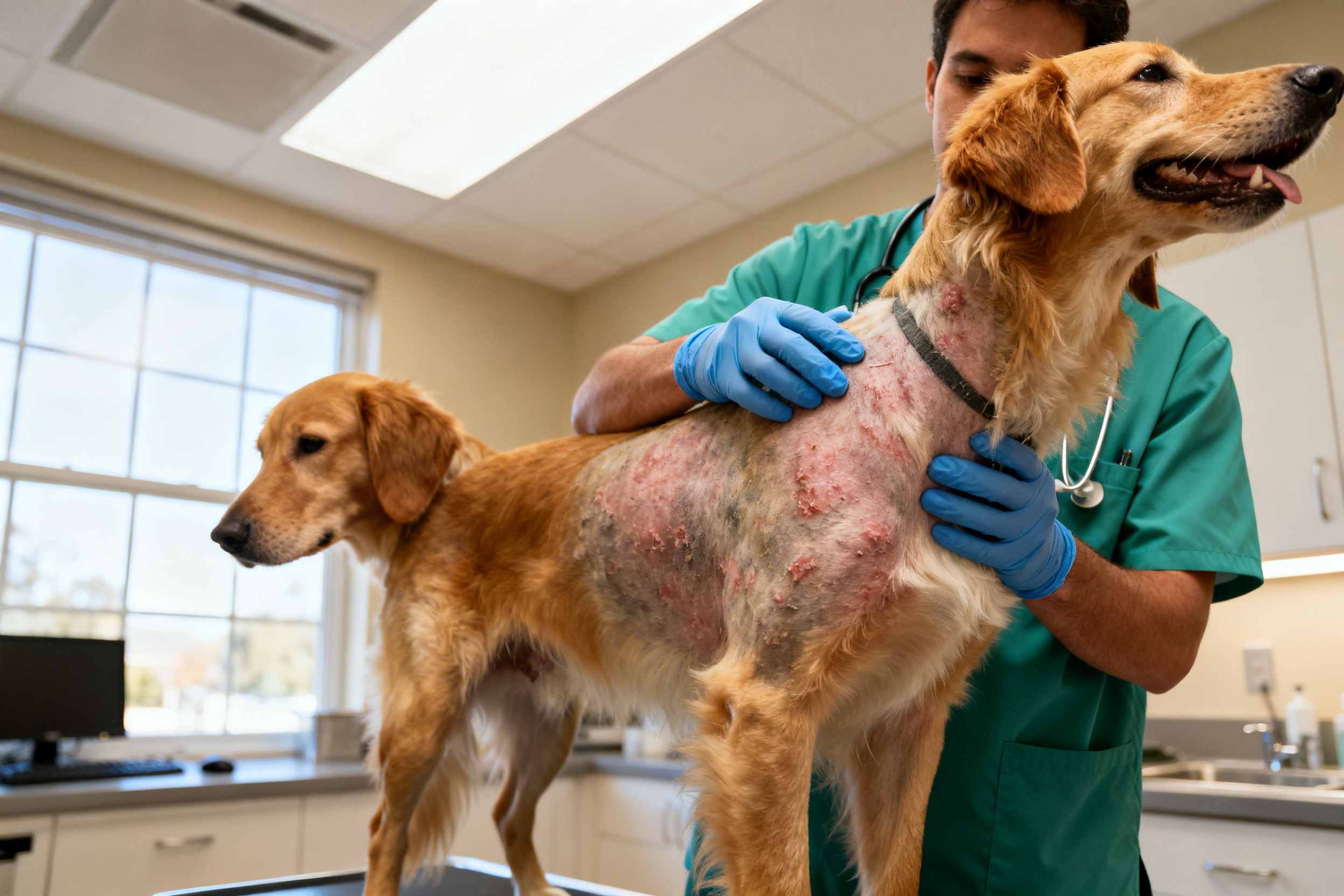
When Max started scratching his ears raw at 2 AM, Sarah found herself rummaging through the medicine cabinet, desperate for relief. Like millions of pet parents facing allergy season, she wondered: can you give a dog benadryl for allergies? While that pink pill might seem like a quick fix for your pup’s constant itching, there’s crucial information every dog owner needs to know before reaching for human medications.
In this comprehensive 2026 guide, we’ll explore the safety, proper dosages, and potential risks of using diphenhydramine (Benadryl) for canine allergies. We’ll also examine when pharmaceutical solutions fall short and how natural alternatives might provide better long-term relief for your furry companion.
The Quick Answer: Yes, But With Important Caveats
Yes, you can give a dog Benadryl for allergies in most cases. Veterinarians commonly recommend diphenhydramine for acute allergic reactions, mild itching, and even motion sickness. However, the keyword here is most—not all dogs tolerate antihistamines well, and underlying health conditions can turn this over-the-counter remedy into a dangerous gamble.
Before administering any human medication, you should always consult your veterinarian, especially if your dog takes other prescriptions or has chronic health issues. While common dog allergy symptoms like scratching, sneezing, and red eyes might respond to antihistamines, treating the symptoms without addressing the root cause can lead to prolonged suffering.

Understanding How Benadryl Works for Canine Allergies
Benadryl functions as an H1 receptor antagonist, blocking histamine—the compound responsible for those miserable allergy symptoms. When your dog encounters pollen, dust mites, or certain foods, their immune system releases histamine, triggering inflammation, itching, and swelling.
The Science Behind the Medicine
Diphenhydramine crosses the blood-brain barrier, which explains why it causes drowsiness but also makes it effective for acute reactions. Unlike newer antihistamines, Benadryl works quickly, typically within 30 minutes, making it useful for bee stings or sudden environmental flare-ups.
However, studies show that antihistamines only help approximately 30% of dogs with atopic dermatitis. This limited efficacy means many pet parents find themselves increasing dosages or combining medications, which can lead to complications without providing substantial relief.

Proper Benadryl Dosage for Dogs: The 2026 Guidelines
Getting the dosage right matters tremendously. Too little provides no relief; too much can cause serious health emergencies.
Standard Dosage Chart
| Dog Weight | Benadryl Dosage (25mg tablets) | Liquid Benadryl (12.5mg/5ml) |
|---|---|---|
| 10 lbs or less | ¼ tablet | 4 ml |
| 10-20 lbs | ½ tablet | 8 ml |
| 20-30 lbs | 1 tablet | 12 ml |
| 30-40 lbs | 1 tablet | 16 ml |
| 40-50 lbs | 1.5 tablets | 20 ml |
| 50+ lbs | 2 tablets | 24-30 ml |
Important: These dosages assume standard Benadryl containing only diphenhydramine. Never use combination products containing acetaminophen, pseudoephedrine, or alcohol, as these ingredients prove toxic to dogs.
Frequency of Administration
Most veterinarians recommend administering Benadryl every 8-12 hours, never exceeding three doses per 24-hour period. Always give with food to prevent stomach upset, and monitor your dog closely for the first hour after administration.
Safety Concerns: When You Should Never Give Benadryl
Despite its availability, Benadryl poses significant risks for certain dogs. Understanding contraindications can prevent veterinary emergencies.
Health Conditions That Prohibit Use
Avoid Benadryl entirely if your dog suffers from:
- Glaucoma or increased eye pressure
- Cardiovascular disease or high blood pressure
- Hyperthyroidism
- Bladder obstruction or urinary retention issues
- Chronic obstructive pulmonary disease (COPD)
- Pregnancy or nursing status
Drug Interactions to Avoid
Benadryl interacts dangerously with several common canine medications, including tranquilizers, sedatives, and MAO inhibitors like selegiline. If your dog takes any prescription medications, cross-check with your vet before adding antihistamines to their regimen.
Recognizing Adverse Reactions
While most dogs tolerate Benadryl well, watch for hyperexcitability (paradoxical reaction), rapid breathing, or extreme lethargy. Some breeds, particularly brachycephalic dogs like Bulldogs and Pugs, may experience increased breathing difficulties due to the sedative effects.
When Benadryl Isn’t Enough: Natural Alternatives for Long-Term Relief
While can you give a dog benadryl for allergies remains a common question, the better inquiry might be whether you should. Antihistamines mask symptoms without addressing immune system imbalances driving allergic responses.
The Limitations of Pharmaceutical Approaches
Long-term Benadryl use can lead to tolerance, requiring higher doses for the same effect. Additionally, chronic antihistamine use may suppress symptoms while allowing underlying inflammation to damage skin barriers and gut health—the very systems that regulate allergic responses.
Comprehensive Allergy Support with ROROCA
For pet parents seeking sustainable solutions, ROROCA Allergy Chews offer a veterinary-formulated alternative that addresses root causes rather than masking symptoms. These soft chews combine clinically studied ingredients to modulate immune responses and strengthen your dog’s natural defenses.
The proprietary formula includes a 6-strain Probiotic Blend supporting gut health where 70% of immune function originates, alongside Salmon Oil providing omega-3 fatty acids to reduce inflammatory responses. Licorice Root Extract offers cortisol-like anti-inflammatory benefits without pharmaceutical side effects, while Curcuma Longa Extract (Turmeric) provides powerful antioxidant support. Echinacea Extract rounds out the formulation by balancing immune system activity rather than suppressing it.
Unlike Benadryl’s temporary fix, these chews work systemically over 4-6 weeks to reduce histamine production naturally, making them ideal for natural remedies for dog allergies that actually heal rather than hide the problem.
Building a Comprehensive Allergy Management Plan
Effective allergy management requires multi-modal approaches. Whether using Benadryl for acute flare-ups or transitioning to natural supplements, environmental controls remain essential.
Environmental Modifications
Regular bathing with hypoallergenic shampoos removes pollen and dander from the coat. High-efficiency air purifiers reduce indoor allergens, while frequent washing of bedding in hot water eliminates dust mites. Consider wiping your dog’s paws and coat after outdoor exposure during high pollen seasons.
Dietary Considerations
Many dogs suffer from food sensitivities exacerbating environmental allergies. Novel protein diets or limited ingredient foods can reduce the immune system’s overall burden. Adding best supplements for dogs with skin allergies like omega fatty acids and quercetin provides additional histamine support without sedation.
Working With Your Veterinarian
For chronic sufferers, veterinary dermatologists offer allergy testing and immunotherapy—desensitization treatments that can reduce or eliminate the need for daily medications. Cytopoint injections and Apoquel provide prescription alternatives for severe cases where over-the-counter solutions prove insufficient.
Frequently Asked Questions About Dogs and Benadryl
How much Benadryl can I give my dog for itching?
The standard dosage is 1 mg per pound of body weight, administered 2-3 times daily. For a 25-pound dog, this equals one 25mg tablet every 8-12 hours. Always start with the lowest effective dose and never exceed 4 mg/kg within a 24-hour period without veterinary supervision.
Can I give my dog Benadryl every day long-term?
While technically possible, daily long-term use isn’t recommended without veterinary oversight. Chronic antihistamine use can mask progressive conditions and may lead to tolerance. For daily allergy management, consider transitioning to immune-modulating supplements after consulting your vet.
What are the signs of Benadryl overdose in dogs?
Overdose symptoms include extreme agitation, dilated pupils, rapid heartbeat, seizures, and unconsciousness. If you suspect overdose, contact your emergency veterinarian immediately or call the ASPCA Animal Poison Control Center. Never induce vomiting unless specifically instructed by a professional.
Can puppies take Benadryl for allergies?
Veterinarians generally avoid recommending Benadryl for puppies under 12 weeks old. Young dogs metabolize medications differently, and developing neurological systems may react unpredictably to antihistamines. Always seek pediatric veterinary guidance before medicating young dogs.
Is Zyrtec or Benadryl better for dogs with allergies?
Zyrtec (cetirizine) often proves more effective for dogs than Benadryl, causing less sedation while providing 24-hour coverage. However, Zyrtec doesn’t work for acute allergic reactions requiring immediate intervention. Some dogs respond better to one antihistamine over another, requiring trial under veterinary guidance.
How quickly does Benadryl work for dog allergies?
Benadryl typically begins working within 30 minutes, reaching peak effectiveness within 1-2 hours. For acute reactions like bee stings, you should see reduced swelling and calmer behavior within an hour. If no improvement occurs after 2 hours, contact your veterinarian as the reaction may require stronger intervention like corticosteroids.
Can I combine Benadryl with natural allergy supplements?
Generally, yes—Benadryl works through different mechanisms than natural anti-inflammatories like quercetin or omega-3s. However, combining with sedating herbs like valerian or chamomile may cause excessive drowsiness. Products like ROROCA Allergy Chews containing immune-modulating ingredients (probiotics, turmeric, echinacea) typically pair safely with occasional Benadryl use for breakthrough symptoms.
Final Thoughts: Making the Right Choice for Your Dog
So, can you give a dog benadryl for allergies? Yes, but it should serve as a temporary bridge rather than a permanent solution. While safe for most healthy adult dogs at proper dosages, Benadryl merely suppresses symptoms without healing the immune dysregulation causing allergic distress.
For occasional flare-ups, keep Benadryl in your pet first-aid kit, but consider building a foundation of gut health and immune support through quality nutrition and targeted supplements like ROROCA Allergy Chews. By addressing allergies holistically—combining environmental controls, dietary optimization, and immune modulation—you’ll help your dog thrive rather than merely survive allergy season.
Remember: Your veterinarian remains your best resource for diagnosing specific allergies and creating treatment protocols. Whether choosing pharmaceutical or natural paths, professional guidance ensures your pup receives safe, effective care tailored to their unique needs.