

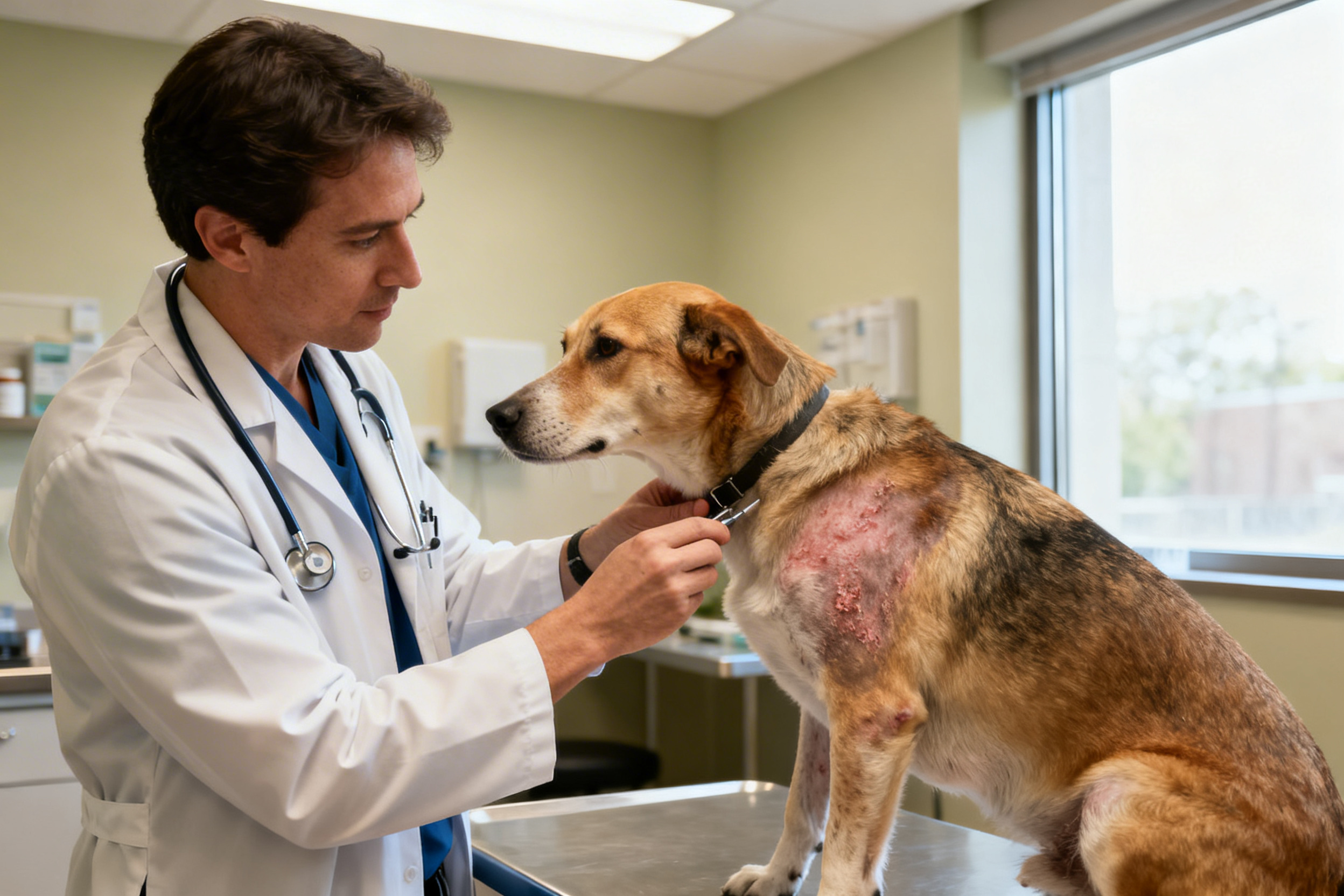
When Luna started waking me up at 2 AM with her relentless paw-licking and ear-scratching, I knew something wasn’t right. Like many dog parents, I initially dismissed it as dry skin or a temporary irritation—until her belly turned bright pink and patches of fur began disappearing. If you’re wondering how to know if your dog has allergies, you’re not alone. Environmental and food sensitivities affect millions of dogs annually, yet the signs often masquerade as other common conditions.
In this comprehensive guide, we’ll walk through the exact symptoms that distinguish allergies from other skin conditions, explore the different types of canine allergies, and outline when it’s time to consult your veterinarian versus trying natural remedies for dog allergies at home.
The Quick Answer: How to Know If Your Dog Has Allergies
Before diving into the science, here’s the straightforward checklist. Your dog likely has allergies if they display chronic itching without fleas, recurring ear infections, red or inflamed paws they constantly lick, watery eyes, or digestive upset combined with skin issues. Unlike seasonal dryness, allergic reactions persist year-round or flare during specific seasons, and they rarely resolve without intervention.
The key differentiator? Pattern recognition. Allergies typically present with multiple symptoms simultaneously—itchy skin plus ear issues, or digestive problems alongside paw inflammation. If your pup shows isolated symptoms, you might be dealing with a different condition entirely.

The 5 Telltale Signs Your Dog Has Allergies
1. Chronic Itching and Scratching
The most obvious indicator is incessant scratching that goes beyond normal grooming. Dogs with allergies often scratch their sides, belly, and armpits using their hind legs, or rub their faces against furniture. Unlike the occasional scratch, allergic itching interrupts sleep patterns and daily activities. You might notice your dog developing “hot spots”—raw, moist lesions created by continuous licking and chewing.
Pay attention to timing. Does the itching worsen after walks? That suggests environmental allergens like pollen or grass. Does it flare after meals? You’re likely looking at a food sensitivity.
2. Recurring Ear Infections
If you’re visiting the vet for ear infections more than twice a year, allergies are the likely culprit. Canine ear allergies cause yeast and bacteria to flourish in the warm, moist environment of the ear canal. Symptoms include head shaking, dark discharge, and a distinct odor. While ear infections can occur independently, allergic dogs develop them repeatedly because the underlying inflammation never resolves.
3. Paw Inflammation and Excessive Licking
Allergic dogs often suffer from pododermatitis—inflammation of the paw pads and skin between toes. Watch for red, swollen paws that your dog chews constantly, especially after outdoor exposure. Some dogs develop a “saliva stain” where their white or light fur turns reddish-brown from constant licking. This isn’t just cosmetic; the moisture creates a breeding ground for secondary infections.
4. Skin Changes and Coat Quality
Beyond itching, allergic skin often appears reddened, thickened, or develops a leather-like texture from chronic inflammation. You might notice dandruff, scabs, or hives appearing suddenly after exposure to triggers. Some dogs develop “allergic facies”—darkened skin around the eyes and muzzle from chronic rubbing. Coat quality deteriorates as hair follicles weaken from persistent scratching and nutritional deficiencies caused by poor nutrient absorption.
5. Digestive Issues Combined with Skin Symptoms
While less common, food allergies specifically can manifest as gastrointestinal distress alongside skin problems. Symptoms include chronic loose stools, vomiting, excessive gas, and poor appetite. If your dog has both skin issues and digestive upset, you’re likely dealing with a dietary trigger rather than environmental allergens.

Understanding the Three Main Types of Dog Allergies
Not all allergies are created equal. Understanding which type affects your dog determines your treatment approach and long-term management strategy.
Environmental Allergies (Atopic Dermatitis)
The most common form, atopic dermatitis occurs when your dog’s immune system overreacts to substances like pollen, dust mites, mold spores, and grass. These allergies typically develop between ages 1-3 and often worsen with seasonal changes. Dogs with environmental allergies may benefit from dog allergy testing methods like intradermal skin testing or blood panels to identify specific triggers.
Flea Allergy Dermatitis
Even a single flea bite can trigger an intense reaction in allergic dogs. The saliva protein causes severe itching that persists long after the flea is gone. If you notice concentrated irritation at the base of the tail, lower back, or thighs, flea allergy is the prime suspect. This is the easiest allergy to diagnose—treat for fleas, and if symptoms resolve, you’ve found your answer.
Food Allergies and Intolerances
Contrary to popular belief, food allergies represent only about 10-15% of canine allergy cases. Common triggers include beef, dairy, chicken, wheat, and soy. Unlike environmental allergies, food sensitivities cause year-round symptoms that don’t fluctuate with seasons. An elimination diet remains the gold standard for diagnosis, requiring 8-12 weeks of feeding a novel protein or hydrolyzed diet.
How to Confirm Your Dog Has Allergies: Diagnostic Approaches
While observation helps you suspect allergies, confirmation requires systematic investigation. Here’s how veterinarians and pet parents differentiate allergies from mange, bacterial infections, or hormonal imbalances.
The Elimination Process
Your vet will first rule out parasites through skin scrapings and fecal exams. They’ll check for ringworm using a Wood’s lamp or fungal culture. Blood work helps eliminate hypothyroidism or Cushing’s disease, which can mimic allergic skin disease. Only after ruling out these conditions will they confirm allergic dermatitis.
Intradermal Skin Testing
Considered the most accurate diagnostic tool, intradermal testing involves injecting small amounts of common allergens into your dog’s shaved skin and measuring the reaction. This test specifically identifies environmental triggers but requires sedation and must be performed by a veterinary dermatologist.
Serum Allergy Testing
Blood tests measure IgE antibodies against specific allergens. While convenient, these tests show higher false-positive rates than skin testing. They’re most useful when combined with clinical history and physical examination findings.
The Food Elimination Trial
For suspected food allergies, your dog receives a diet containing proteins they’ve never consumed—often kangaroo, rabbit, or hydrolyzed formulas. No treats, flavored medications, or table scraps are allowed for 8-12 weeks. If symptoms resolve and return when original foods are reintroduced, you’ve confirmed food allergy.
Immediate Steps: How to Help Your Dog Find Relief
Once you’ve identified that your dog suffers from allergies, immediate comfort measures can prevent secondary infections while you pursue long-term solutions.
Environmental Modifications
Start with weekly bathing using hypoallergenic or medicated shampoos to remove pollen and allergens from the coat. Wipe your dog’s paws and belly after outdoor walks using unscented baby wipes. Invest in HEPA air purifiers for your home, and wash bedding weekly in hot water to eliminate dust mites.
Dietary Support
Transitioning to best dog food for allergies formulations can reduce inflammatory responses. Look for limited ingredient diets with novel proteins, or consider adding omega-3 fatty acids through fish oil supplements to support skin barrier function.
Natural Supplement Support
For dogs with mild to moderate symptoms, natural approaches often provide significant relief without the side effects of long-term medication. ROROCA Allergy Chews offer a comprehensive blend designed to modulate the immune response and reduce histamine release. These veterinarian-formulated chews contain a 6-strain Probiotic Blend to support gut health—crucial since 70% of the immune system resides in the digestive tract—along with Salmon Oil for essential fatty acids that reduce skin inflammation.
The formula also includes Licorice Root Extract, which acts as a natural corticosteroid alternative without suppressing the immune system, and Curcuma Longa Extract (Turmeric) to combat systemic inflammation. Echinacea Extract rounds out the ingredients by supporting immune balance rather than overstimulation. Many pet parents notice reduced scratching and improved coat quality within 3-4 weeks of consistent use.
When to See the Vet Immediately
While mild allergies can be managed at home, certain symptoms require urgent veterinary attention. Seek immediate care if your dog develops hives accompanied by facial swelling or difficulty breathing—signs of anaphylaxis. Similarly, if skin lesions become pus-filled, hot to the touch, or your dog develops a fever, secondary bacterial infection has likely set in requiring antibiotics.
Frequently Asked Questions
How can I tell if my dog has allergies or just dry skin?
Allergies cause intense, persistent itching often accompanied by redness, ear issues, or paw licking, while dry skin typically presents as flaking without inflammation. Dry skin improves with moisturizing shampoos and humidity changes; allergies persist until the trigger is removed or treated.
What does a dog allergy rash look like?
Dog allergy rashes appear as red, raised bumps (hives), flat red patches, or crusty lesions. They’re commonly found on the belly, inner thighs, armpits, and paws. Unlike insect bites, allergic rashes spread across larger areas and often feel warm to the touch.
Can I test my dog for allergies at home?
While commercial at-home allergy tests exist, their reliability varies significantly. The most accurate diagnostics require veterinary supervision. However, you can conduct an elimination diet at home by systematically removing ingredients and monitoring symptoms over 12 weeks.
How quickly do dog allergy symptoms appear?
Environmental allergy symptoms typically develop within minutes to hours of exposure. Food allergies may take days or weeks to manifest after introducing a new ingredient. Flea allergy reactions occur within 15-30 minutes of a bite.
Are certain dog breeds more prone to allergies?
Yes. Golden Retrievers, Labrador Retrievers, Bulldogs, Terriers, and Shih Tzus show higher predispositions to atopic dermatitis. However, any breed can develop allergies, and mixed breeds are not necessarily protected.
When should I see a vet for my dog’s itching?
Schedule a veterinary appointment if itching persists beyond one week, causes hair loss or skin breakage, interrupts sleep, or is accompanied by ear discharge, vomiting, or lethargy. Early intervention prevents secondary infections and reduces long-term treatment costs.
Conclusion: Taking Action for Your Allergic Dog
Learning how to know if your dog has allergies requires careful observation of patterns rather than isolated symptoms. By recognizing the combination of chronic itching, ear infections, paw inflammation, and digestive issues, you can differentiate allergies from temporary irritations and take appropriate action.
Remember that allergies are manageable conditions, not life sentences. Whether through environmental control, dietary modifications, or immune-supporting supplements like ROROCA Allergy Chews with their targeted blend of probiotics, salmon oil, and botanical extracts, your dog can live comfortably. Always partner with your veterinarian for severe cases, but trust your instincts as a pet parent—you know your dog’s normal behavior better than anyone. Start tracking symptoms today, and take the first step toward itch-free days and restful nights for your furry family member.