

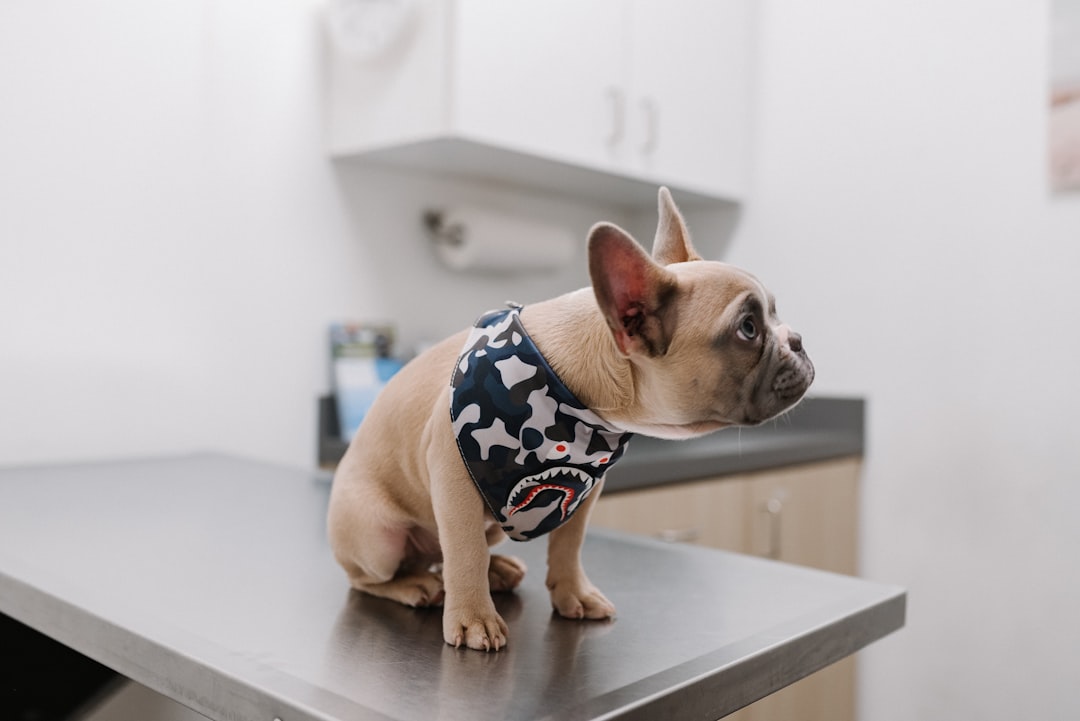
When Max started scratching his ears raw at 3 AM for the third week in a row, his owner Sarah knew something had to change. After trying three different shampoos and switching kibble brands twice, her veterinarian suggested allergy testing. But like most pet parents, Sarah’s first question wasn’t about the procedure—it was about the price. If you’re wondering how much is an allergy test for a dog in 2026, you’re not alone. With veterinary costs rising and pet insurance coverage varying widely, understanding the financial commitment helps you make the best decision for your furry family member.
This comprehensive guide breaks down every cost factor, compares testing methods, and explores whether that hefty price tag actually delivers the answers you’re seeking.
The Real Cost of Dog Allergy Testing in 2026
Let’s address the question head-on: how much is an allergy test for a dog going to set you back? In 2026, prices range dramatically based on testing methodology, geographic location, and whether you’re working with a general practice veterinarian or a board-certified veterinary dermatologist.
Most dog owners can expect to pay between $200 and $1,000 for comprehensive allergy testing. This wide range reflects the two primary testing methods available, each with distinct price points, accuracy levels, and use cases.
Blood Testing (Serum IgE Testing): $200–$400
Blood tests measure immunoglobulin E (IgE) antibodies in your dog’s bloodstream. Your veterinarian draws a blood sample during a routine visit and sends it to a specialized laboratory. Results typically return within 2–3 weeks.
This option appeals to budget-conscious pet parents because it avoids sedation costs and specialist fees. However, blood tests generally screen for environmental allergens like pollen, dust mites, and molds. They show moderate accuracy for airborne allergies but prove less reliable for dog food allergy symptoms or contact allergies.
Intradermal Skin Testing (IDST): $500–$1,000+
Considered the gold standard for environmental allergies, intradermal testing requires sedation and must be performed by a veterinary dermatologist. The specialist injects small amounts of potential allergens into your dog’s shaved skin (usually on the side) and measures the wheal (hive) response after 15–20 minutes.
The higher cost reflects the need for specialist consultation ($150–$300), sedation/anesthesia ($100–$200), and the technical expertise required to interpret results accurately. Despite the price tag, IDST offers superior accuracy for identifying specific environmental triggers, making it worthwhile for dogs with complex or severe allergic conditions.
At-Home Testing Kits: $75–$250
The direct-to-consumer pet health market has exploded in 2026, with several companies offering hair or saliva-based allergy tests. While affordable and convenient, veterinary dermatologists caution that these tests lack scientific validation. Studies consistently show high false-positive rates, potentially leading to unnecessary dietary restrictions or environmental changes.

Hidden Costs That Impact How Much Is an Allergy Test for a Dog
The sticker price rarely tells the complete financial story. When budgeting for allergy diagnostics, factor in these additional expenses that catch many pet owners off guard.
Pre-Testing Requirements
Before conducting accurate allergy testing, your dog must discontinue certain medications. Antihistamines require a 2–4 week washout period, while corticosteroids need 4–6 weeks. If your dog suffers from severe itching, you might need alternative therapies during this gap—often costing $50–$150 for temporary immune-modulating medications or medicated baths.
Follow-Up Consultations
Allergy testing represents just the beginning of your journey. Interpreting results requires a follow-up visit ($50–$150) to discuss immunotherapy options or dietary changes. If your dog qualifies for allergen-specific immunotherapy (allergy shots or drops), initial serum preparation costs range from $200–$600, with monthly maintenance doses running $50–$100.
Geographic Variations
Urban areas and regions with higher costs of living typically charge 20–40% more for veterinary dermatology services. Rural pet owners might face additional travel expenses if specialists aren’t locally available, sometimes requiring overnight stays in major cities.

Is Allergy Testing Worth the Investment?
With how much is an allergy test for a dog potentially reaching four figures, determining value requires honest assessment of your dog’s quality of life and your long-term financial strategy.
Dogs suffering from atopic dermatitis (environmental allergies) often require lifelong management. Without identifying specific triggers, owners cycle through expensive trial-and-error treatments: prescription diets ($80–$150 monthly), Apoquel or Cytopoint injections ($50–$200 monthly), and constant veterinary visits for secondary skin infections ($100–$300 per incident).
For these dogs, allergy testing frequently pays for itself within 12–18 months by enabling targeted immunotherapy. Allergen-specific immunotherapy boasts a 60–80% success rate in reducing symptoms long-term, potentially eliminating the need for expensive daily medications.
However, if your dog shows dog food allergy symptoms exclusively, your money might serve better spent on structured elimination diet trials using best hypoallergenic dog food options rather than blood or skin testing, which show limited reliability for food allergens.
Budget-Friendly Alternatives and Supportive Care
If the answer to how much is an allergy test for a dog exceeds your current budget, several evidence-based strategies help manage symptoms while you save for definitive diagnostics.
Elimination Diet Trials: Conducted over 8–12 weeks using novel protein or hydrolyzed diets, these trials cost significantly less than testing ($200–$400 total) and effectively diagnose adverse food reactions.
Environmental Management: High-efficiency air purifiers ($150–$300), frequent washing of pet bedding in hot water, and hypoallergenic covers reduce allergen exposure without veterinary intervention.
Nutritional Support: While not a replacement for medical diagnosis, quality allergy supplements support immune function and skin barrier health. ROROCA Allergy Chews offer a science-backed blend featuring a 6-strain Probiotic Blend to balance gut health (where 70% of immune cells reside), Salmon Oil rich in omega-3 fatty acids to reduce inflammatory skin responses, Licorice Root Extract for natural soothing properties, Curcuma Longa Extract (Turmeric) for antioxidant support, and Echinacea Extract to modulate immune overreactions. These ingredients work synergistically to support dogs during the diagnostic process or while managing known allergies.
Combining these approaches with dog skin allergy treatments recommended by your veterinarian often provides relief comparable to expensive testing for mild to moderate cases.
Preparing for Your Dog’s Allergy Testing Appointment
Maximizing your investment requires proper preparation. If you’ve committed to discovering how much is an allergy test for a dog and moving forward with diagnostics, follow these steps to ensure accurate results.
First, maintain a detailed symptom diary for 2–4 weeks before testing. Note specific itching patterns, seasonal variations, and dietary changes. This context helps veterinarians interpret results and distinguish between true allergies and irritant responses.
Second, strictly adhere to medication washout periods. While watching your dog scratch uncomfortably feels heartbreaking, antihistamines and steroids suppress the immune responses that testing measures, rendering results useless and requiring costly retesting.
Finally, bring a comprehensive list of current foods, treats, supplements, and environmental products (cleaning supplies, yard treatments) to your appointment. Cross-referencing these items with test results prevents false associations and ensures you’re testing for allergens your dog actually encounters.
Frequently Asked Questions About Dog Allergy Testing Costs
Does pet insurance cover dog allergy testing?
Most comprehensive pet insurance plans cover allergy testing when deemed medically necessary by a veterinarian, typically reimbursing 70–90% after your deductible. However, if your dog showed symptoms before policy enrollment or during waiting periods, insurers may classify allergies as pre-existing conditions, excluding coverage. Wellness plans rarely cover diagnostic testing, focusing instead on preventive care.
Why is intradermal testing more expensive than blood tests?
Intradermal testing requires board-certified veterinary dermatologists (earning $200,000+ annually), specialized equipment, clinic space for sedation monitoring, and 2–3 hours of dedicated staff time. Blood tests utilize standard laboratory equipment and can be performed by general practice veterinarians during routine appointments, significantly reducing overhead costs.
Can I skip testing and try elimination diets instead?
For suspected food allergies, yes. Elimination diet trials remain the diagnostic gold standard for adverse food reactions and cost roughly half the price of blood testing. However, elimination diets cannot identify environmental allergens like pollen or dust mites, which require either intradermal testing or blood screening for accurate diagnosis.
Are payment plans available for allergy testing?
Many veterinary dermatology practices partner with third-party financing companies like CareCredit or Scratch Pay, offering 6–12 month interest-free periods for qualifying pet owners. Some university veterinary teaching hospitals provide reduced-cost testing performed by supervised students. Additionally, the Humane Society and ASPCA maintain databases of low-cost veterinary clinics by region.
What happens if allergy testing comes back negative?
False negatives occur in approximately 10–15% of cases, particularly if medications weren’t fully cleared from your dog’s system or if the allergen panel didn’t include region-specific triggers. If results show no reactions despite obvious clinical symptoms, your veterinarian might recommend retesting with expanded panels or pursuing diagnoses for non-allergic conditions like fungal infections or hormonal imbalances.
How long do allergy test results take?
Blood test results typically arrive within 10–14 business days from major laboratories. Intradermal skin testing provides immediate results during the appointment, though your dermatologist may need 30–60 minutes to measure and photograph all reactions before discussing findings.
Conclusion: Making the Right Financial Choice for Your Pup
Understanding how much is an allergy test for a dog empowers you to make informed decisions about your pet’s healthcare journey. Whether you opt for comprehensive intradermal testing at $1,000 or start with a $250 blood panel, the investment often yields dividends through targeted treatment and reduced long-term medication costs.
Remember that testing represents just one tool in your allergy management toolkit. Supporting your dog with quality nutrition, environmental controls, and immune-supporting supplements like ROROCA Allergy Chews—formulated with probiotics, salmon oil, and botanical extracts—provides relief regardless of your diagnostic timeline.
Before proceeding with any testing, consult your veterinarian about whether the results would change your treatment approach. For some dogs, empirical therapy and careful observation deliver the same quality of life as expensive diagnostics. For others, pinpointing specific triggers transforms a miserable, itching pet into a comfortable companion. Either way, your advocacy and willingness to seek answers already make you the hero your dog needs.